
Phone Scam Warning: Why “Can You Hear Me?” Is a Trap
Learn how the “Can you hear me?” call and other voice-based scams work, and how to protect your money and identity.
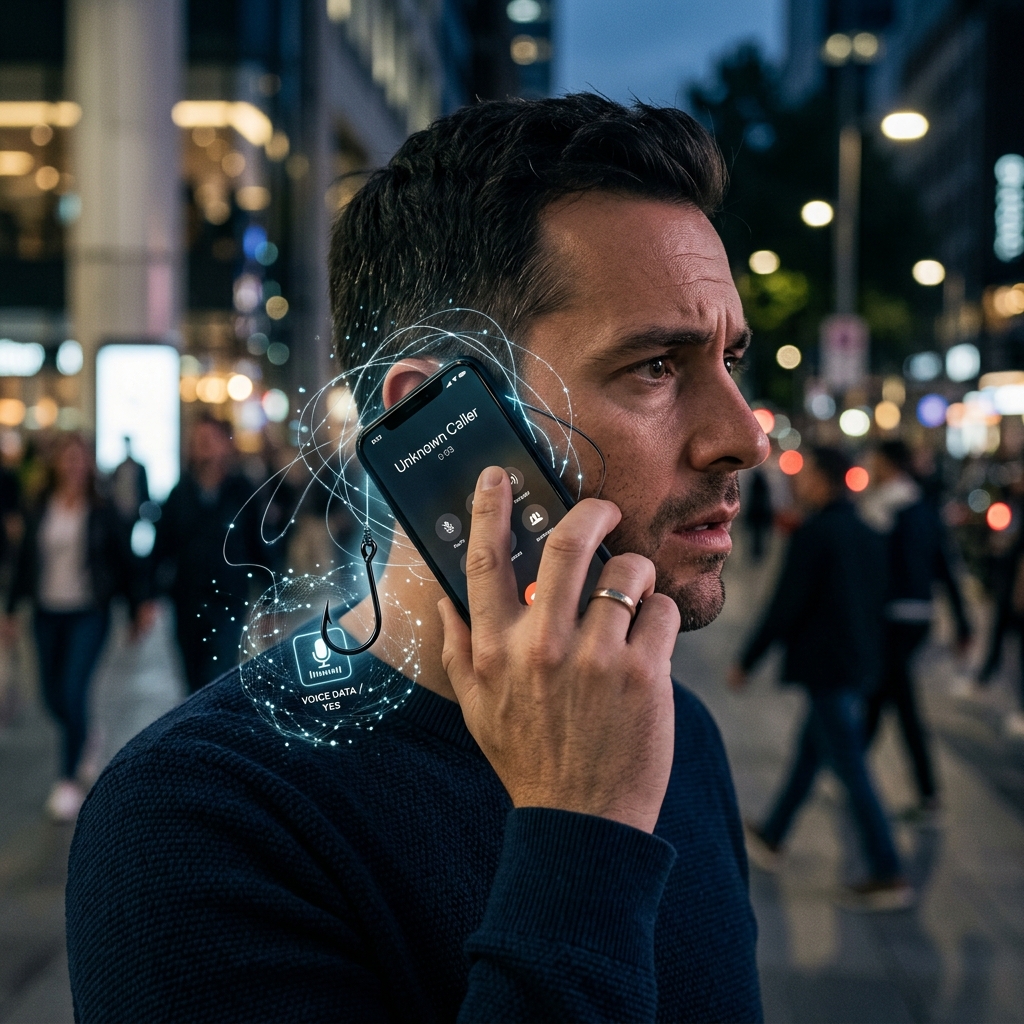
Modern phone scams have become sophisticated, highly targeted, and increasingly difficult to recognize at first glance. One of the most talked‑about tactics is the seemingly harmless question: “Can you hear me?” Although this phrase sounds like a simple audio check, it can be the first step in a broader social‑engineering scheme designed to trick you into confirming details, providing payment, or authorizing fraudulent charges.
This article explains how voice‑based scams work, why scammers care about recorded responses like “yes,” how to recognize red flags during a call, and what you can do to protect yourself and your family. While the idea of scammers recording your “yes” to forge contracts is often exaggerated, the danger of phone scams is very real and well‑documented by regulators and consumer‑protection agencies.
Understanding Voice‑Based Phone Scams (Vishing)
Phone scams that rely on conversation rather than text are commonly called vishing (voice phishing). Instead of sending a deceptive email or text message, scammers use live calls or robocalls to manipulate victims. Their goals can include:
- Stealing personal information (such as birth date, Social Security number, or account numbers).
- Obtaining access to bank, credit card, or mobile‑carrier accounts.
- Convincing you to make immediate payments using high‑risk methods like gift cards or cryptocurrency.
- Verifying that your phone number is active so they can target you again or sell your number to other scammers.
Scammers often start with an innocuous question like “Can you hear me?” to get you talking, build a sense of normal conversation, and gauge whether you are likely to follow instructions. Once you respond, they may move quickly into threats, fake offers, or urgent demands.
How the “Can You Hear Me?” Script Typically Unfolds
While specific details vary, many callers who use this phrase follow a predictable pattern designed to lower your guard before introducing pressure or fraud. A typical sequence might look like this:
- Initial greeting and sound check
They introduce themselves vaguely (“This is customer service”, “This is your account specialist”) and immediately ask “Can you hear me?” or “Are you there?” to prompt a quick verbal confirmation. - Implied legitimacy
The caller may claim to be from a well‑known company, bank, government agency, or local business to appear credible. - Problem or opportunity
Once you engage, they present a problem (unpaid bill, locked account, alleged tax issue) or an enticing offer (contest win, limited‑time deal, loan approval). - Urgency and pressure
You are told that you must act immediately or face consequences such as account closure, legal action, or loss of the offered benefit. - Collection of data or payment
Finally, they ask you to confirm personal information or send money using difficult‑to‑reverse methods like wire transfers, payment apps, gift cards, or crypto.
In this sequence, “Can you hear me?” is not the scam itself; it is the hook that encourages you to stay on the line and respond naturally, making it easier for the caller to manipulate you.
Is Saying “Yes” Really Used as a Contract?
Many warnings online suggest that scammers record you saying “yes” and splice it into fake agreements or authorization recordings. Official consumer‑protection agencies focus less on this specific tactic and more on the broader risk of providing personal information or payment over the phone. In practice, the more common dangers include:
- Disclosure of sensitive data — Providing account numbers, security codes, or personal identifiers that enable fraud.
- Social‑engineering leverage — Once scammers know that you answer and engage, they are more likely to target you again.
- Unwitting authorization — Responding “yes” to confusing questions about services, upgrades, or charges without understanding the implications.
Whether or not a specific recording of your “yes” is misused, the safest approach is to avoid confirming anything to unfamiliar callers, especially when they initiate the call and you did not request it.
Common Types of Phone Scams You Might Encounter
The “Can you hear me?” question can be embedded in many different scam scenarios. Recognizing the overall pattern of common scam types will help you spot danger quickly.
| Scam Type | Typical Story | Key Red Flags |
|---|---|---|
| Impersonated Government Agency | Caller claims to be from the tax authority or law enforcement, warning of unpaid taxes or warrants. | Demands immediate payment, often by gift card, wire, or crypto; threatens arrest or deportation. |
| Bank or Card Security Call | Person claims there is suspicious activity on your account and needs to “verify” information. | Requests full account numbers, PINs, login credentials, or MFA codes; asks you not to hang up. |
| Tech Support Scam | Caller pretends to be from a major tech company, saying your device is infected or your account compromised. | Unsolicited call; asks for remote access to your device or payment to “fix” problems. |
| Grandparent/Family Emergency Scam | Someone poses as a relative or friend in trouble and begs for urgent funds. | Insists on secrecy; requests fast payment via wire or gift cards; details are vague or inconsistent. |
| Prize or Contest Win | You are told you won a prize, lottery, or sweepstakes you do not remember entering. | Asks for fees or taxes in advance; you are pressured to act immediately to claim your prize. |
Warning Signs During Any Suspicious Call
Regardless of the exact scenario, certain behaviors are consistently associated with scam calls. Recognizing these signs early allows you to hang up before you share information or make payments.
- Unexpected contact
You receive a call from a bank, government agency, or large company without prior notice, and there is no matching email or message in your official app or account. - Pressure to act fast
The caller tells you that you must decide immediately, pay within minutes, or stay on the line or face serious consequences. - Unusual payment methods
You are asked to pay using gift cards, cryptocurrency, wire transfers, or peer‑to‑peer payment apps instead of normal billing channels. - Requests for sensitive data
The caller asks for full account numbers, PINs, passwords, multi‑factor authentication codes, or your full Social Security number. - Spoofed caller ID
The phone number appears local or mimics a real institution, but caller ID can easily be faked and should not be trusted alone. - Reluctance to provide verifiable information
When you ask for a callback number, written notice, or reference details, the caller is evasive or angry.
Practical Steps to Protect Yourself
Preventing loss from phone scams involves both technical tools and behavioral habits. Combining the two significantly lowers your risk.
Use Built‑In and Carrier‑Level Protections
- Enable spam and scam call blocking
Most smartphones and carriers offer features that automatically detect and warn about suspected scam calls. - Send unknown numbers to voicemail
Let unrecognized callers leave a message. Scammers often hang up when they encounter voicemail, while legitimate callers can explain their purpose. - Block and report unwanted numbers
After a suspicious call, block the number on your device and, when appropriate, report it to your carrier or national reporting services.
Safe Behavior When You Answer an Unknown Call
- Do not confirm personal details
Avoid confirming your name, address, account numbers, or other identifying information if you did not initiate the call. - Refuse to act on urgent demands
Calmly say you will verify through official channels and end the call. Real organizations allow you to call back using published numbers. - Hang up if the call feels wrong
If something feels off, trust your instincts and end the call. You owe scammers no explanation.
Verification Strategies That Reduce Risk
- Start a fresh call using official contact details
Instead of calling back the same number, look up the organization’s contact information from an official website, statement, or card and place a new call. - Use secure app communication
Banks, retailers, and service providers often send messages through their official apps or secure portals. Check those channels for confirmation before responding to phone requests. - Set PINs or passphrases
Create verification phrases or PINs with your bank or carrier so staff can authenticate you and you can authenticate them. - Establish family “safe words”
To counter voice impersonation scams, agree on a private word or phrase with close family that must be used in any emergency call.
What To Do If You Already Shared Information or Paid
If you realize after a call that you might have been scammed, swift action is critical. Regulators emphasize that the ability to recover funds often depends on how quickly you respond.
Immediate Actions After a Suspicious Payment
| Payment Method | Recommended Step |
|---|---|
| Credit or debit card | Contact your card issuer or bank, report fraud, and request reversal or dispute of the charge. |
| Bank wire transfer | Notify your bank immediately and ask if the wire can be reversed. |
| Payment app (e.g., peer‑to‑peer) | Report the transaction to the app provider and then to your bank or card issuer if linked. |
| Cryptocurrency | Contact the platform you used to send the funds and explain that the payment was fraudulent; ask about any possible remedies. |
| Cash by mail | If sent via postal service, contact the postal inspection service to attempt interception. |
Reporting and Monitoring
- Report the scam
Provide details about the call, caller ID, times, and any numbers or names used to national fraud‑reporting sites or consumer‑protection agencies. - Check your accounts regularly
Review bank, card, and payment‑app activity for unauthorized transactions and set alerts where available. - Consider identity‑protection steps
If you shared sensitive personal information, consider placing fraud alerts or credit freezes through official credit bureaus.
Protecting Businesses and Workplaces from Phone Scams
Organizations face their own risks from vishing and mobile scams, especially when employees manage accounts or sensitive data. Business‑focused guidance emphasizes the importance of clear policies and training.
- Establish firm rules for handling calls
Employees should be instructed never to disclose passwords, login credentials, or security codes over the phone, no matter how urgent the caller sounds. - Empower staff to hang up
Make it clear that ending a suspicious call is not only allowed but expected, and encourage workers to seek guidance afterward. - Use technical defenses
Deploy spam‑blocking tools and caller‑ID solutions to reduce exposure to known scam numbers. - Designate a fraud‑awareness lead
Assign someone to monitor emerging scam patterns and share updates with employees periodically.
Frequently Asked Questions (FAQs)
1. Should I ever answer “Can you hear me?” from an unknown caller?
If the caller is unknown or the number looks suspicious, you are safer not engaging at all. Let the call go to voicemail or, if you do answer, avoid responding with “yes” or confirming any personal details. You can simply say you do not take unsolicited calls and hang up.
2. Can scammers really create legal agreements from a recorded “yes”?
Consumer‑protection agencies focus primarily on misuse of personal information and fraudulent payments rather than on the recording of simple phrases. While recordings can sometimes be misrepresented, legitimate contracts usually involve clearer disclosures. The more direct risk is that you are tricked into authorizing charges or providing account access.
3. How can I tell if a call from my bank or government agency is genuine?
Real institutions typically provide multiple forms of contact: letters on official letterhead, secure messages in online accounts, and published phone numbers on official sites. If you receive an unexpected call, hang up and initiate a new call using contact details found independently, such as on the institution’s website or a recent statement.
4. Is ignoring unknown calls enough to stay safe?
Ignoring unknown calls is a strong first step, but it works best alongside other measures. Enable spam‑blocking features on your device, remain cautious when you do answer, and report suspicious activity to relevant authorities and service providers.
5. What if someone I know seems to call but acts strangely?
Caller‑ID can be spoofed, and voices can be imitated using technology. If a call claiming to be from a friend or relative feels unusual, ask your agreed‑upon safe word, or end the call and contact them through a trusted number in your contacts.
References
- Phone Scams – FTC Consumer Advice — Federal Trade Commission. 2023-06-01. https://consumer.ftc.gov/articles/phone-scams
- How to Spot and Avoid Phone Scams — National Cybersecurity Alliance (StaySafeOnline). 2023-09-12. https://www.staysafeonline.org/articles/how-to-spot-and-avoid-phone-scams
- Fraud Alert: 6 Phone Scams and 6 Tips to Protect Yourself — Needham Bank. 2022-10-10. https://www.needhambank.com/resources/fraud-alert-6-phone-scams-and-6-tips-to-protect-yourself
- Best practices for handling unwanted calls & potential phone-based scams — Bitdefender Community. 2023-04-05. https://community.bitdefender.com/en/discussion/103508/best-practices-for-handling-unwanted-calls-potential-phone-based-scams
- Use Scam Detection – Phone app Help — Google Support. 2024-02-20. https://support.google.com/phoneapp/answer/15654065
- Fraud 101: How to Prepare Your Business Against Mobile Scams — The State Bank of Toulon. 2022-10-21. https://www.sbotl.com/articles/2022/10/fraud-101-how-to-prepare-your-business-against-mobile-scams.html
- Complain about phone and text scams, robocalls, and telemarketers — USA.gov. 2023-11-15. https://www.usa.gov/telemarketer-scam-call-complaints
Similar Articles








Read full bio of medha deb




