
Phone-Based Jury Duty Scams: How to Spot and Stop Them
Understand how jury duty scams work, the red flags to watch for, and the practical steps you can take to protect your money and identity.
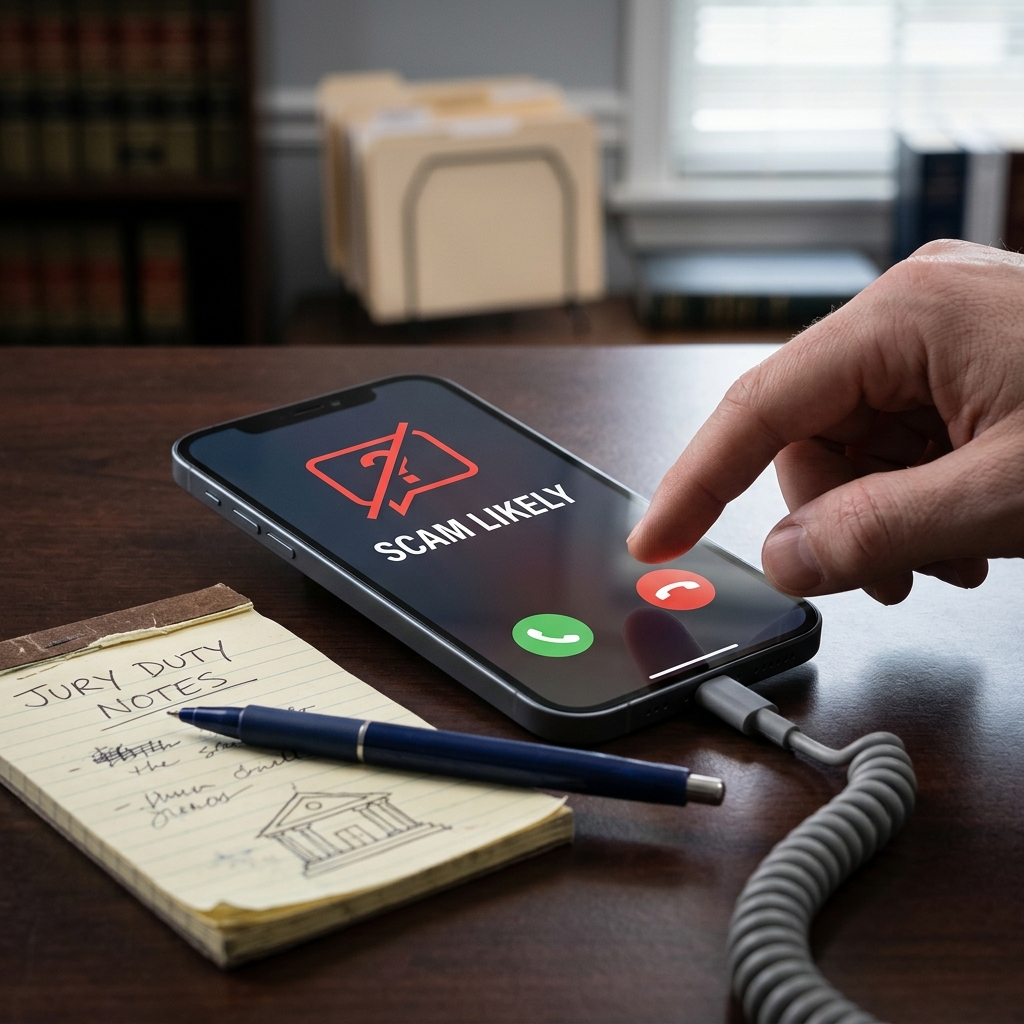
Jury service is a core part of the justice system, and most people take it seriously. That sense of duty is precisely why jury duty scams are so effective: fraudsters exploit your concern about doing the right thing and your fear of getting in trouble with the law. These scams typically begin with a phone call or message claiming you missed jury duty and must pay a fine or share sensitive information immediately to avoid arrest.
This article explains how these schemes operate, what real courts and law enforcement agencies actually do, and how you can protect both your money and personal information. While the focus is on U.S. practices, many of the principles apply broadly to similar scams elsewhere.
Why Jury Duty Scams Are So Convincing
Jury duty scams work because they tap into three powerful psychological levers: fear, urgency, and authority. According to the U.S. Courts, scammers often pretend to be court officials or law enforcement officers and threaten fines or jail if people do not comply. This creates a situation where victims feel they must act quickly, without taking time to verify the claim.
- Authority: The caller claims to be a judge, court clerk, sheriff, or U.S. marshal, giving the impression that the demand is legitimate.
- Fear of punishment: The message centers on alleged failure to appear for jury service, paired with threats of arrest, warrants, or large fines.
- Urgency: Victims are told they must pay immediately or provide personal data right away, leaving little room for reflection or verification.
Scammers also use technology to increase credibility. Caller ID spoofing can make it appear as if the call originates from a court or police department, even though it does not. Because most people have never had a problem with jury service before, they may assume the call is legitimate and comply.
How the Jury Duty Scam Typically Unfolds
While details vary, many jury duty scams follow a similar pattern. Understanding that pattern makes it easier to spot fraud early and disengage.
| Step in Scam | What Usually Happens | Why It Works |
|---|---|---|
| Initial contact | You receive a phone call, email, text, or message claiming to be from a court or law enforcement agency. | The message seems official, and caller ID or logos may appear legitimate. |
| Accusation | The caller says you missed jury duty or a court appearance, and now face arrest or fines. | Most people fear legal trouble and want to resolve it quickly. |
| Pressure | They claim a warrant has been issued or will be issued unless you act immediately. | Urgency discourages you from hanging up or seeking advice. |
| Demand | You are told to pay a fine or provide personal data such as Social Security number or bank details. | Scammers want money or information they can use for identity theft. |
| Payment method | They insist on payment via gift cards, wire transfers, cryptocurrency, or a suspicious website. | These methods are hard to trace or reverse, protecting the criminal. |
In some variations, the caller stays on the line while you go to a store to buy gift cards or complete a wire transfer, deliberately preventing you from speaking with anyone who might question the situation.
What Real Courts and Law Enforcement Actually Do
A key to recognizing jury duty scams is knowing how genuine jury communications work. Official practice is very different from what scammers describe.
- Primary contact by mail: Federal and many state courts send jury summons by mail, not by surprise phone calls or text messages.
- No threats for information: Courts do not demand sensitive data, such as Social Security numbers or bank account information, over the phone or email.
- No phone payments: Genuine court officials and law enforcement agencies do not ask for fines or fees to be paid via phone, gift cards, cryptocurrency, or wire transfers.
- Verification is encouraged: Citizens can contact court clerk offices directly to confirm jury service status using published official phone numbers or websites.
According to the U.S. Courts, communications threatening prosecution for failing to comply with jury service and demanding confidential information or payment are fraudulent and not connected with the federal judiciary. State-level consumer protection agencies similarly warn that communications regarding jury duty are typically written and that court officials will not ask for credit card or Social Security numbers in unsolicited calls.
Warning Signs That Point to a Jury Duty Scam
Recognizing common red flags can help you quickly separate legitimate jury-related communications from scams. Consider any contact suspicious if it includes one or more of these elements:
- Unsolicited phone call or email: You receive a sudden message about missed jury duty without prior written notice.
- Threats of arrest or warrant: The caller insists you will be arrested, jailed, or fined immediately unless you comply.
- Demands for immediate payment: You are instructed to pay right away, often without the option to verify or appeal.
- Unusual payment methods: The caller wants payment by gift card, wire transfer, prepaid debit card, cryptocurrency, or a suspicious website.
- Requests for sensitive data: They ask for your Social Security number, bank account details, credit card number, or other confidential information.
- Pressure not to hang up: The caller urges you to stay on the line while you find money or information, discouraging you from seeking advice.
- Caller ID spoofing: The number appears to be a court or police department, but the person insists you pay or share information immediately.
Any combination of these signs—in particular, threats plus demands for non-traceable payments—strongly indicates fraud. Real agencies may remind you of obligations, but they will not treat you like a criminal over the phone or refuse to let you verify their claims.
Immediate Steps to Take If You Receive a Suspicious Jury Call
If someone contacts you claiming you missed jury duty and demands payment or personal information, your response should be calm and decisive. Experts recommend a straightforward set of actions.
- Hang up immediately: You are not obligated to continue the conversation. Ending the call is the safest first step.
- Do not provide any information: Do not give your name beyond what they already have, and never share financial or personal data.
- Do not send money: Ignore instructions to buy gift cards, initiate wire transfers, or use crypto kiosks.
- Verify independently: Look up the phone number of your local court or law enforcement agency on an official government website, then call them to confirm whether you truly have any jury-related issue.
- Report the incident: File a report with your local police department and the Federal Trade Commission (FTC), which collects data on scams and may use it for enforcement actions.
Importantly, do not use phone numbers or links provided by the caller or in a suspicious email. Instead, search for the court or agency’s official website or contact information on your own, ensuring you reach a legitimate office.
What to Do If You Already Paid or Shared Information
If you realize after the fact that you have sent money or provided sensitive data to a scammer, quick action can limit the damage. Consumer protection guidance offers several practical steps.
- Contact your financial institution: Reach out to your bank, credit union, or card issuer immediately. They can flag your accounts, potentially reverse transactions, and advise on next steps.
- Monitor accounts closely: Review bank statements, credit card activity, and online banking regularly for unauthorized transactions.
- Change passwords: If you gave out login details or other information that might help someone access your accounts, update passwords and enable multi-factor authentication where possible.
- Check your credit reports: Look for new accounts or inquiries you do not recognize, which might signal identity theft.
- Place a fraud alert: Contact a major credit bureau to ask for a fraud alert on your credit file, which can make it harder for scammers to open new accounts in your name.
- Report to law enforcement and FTC: File reports with local police and the FTC, as recommended by federal and state agencies.
Acting quickly not only helps protect you but also contributes to broader efforts to track and combat scam operations.
Practical Habits to Prevent Falling for Jury Duty Scams
Beyond knowing specific red flags, several ongoing habits can reduce your overall risk of becoming a victim of jury duty scams or similar frauds:
- Be skeptical of unsolicited calls: Treat any unexpected call about legal or financial matters as potentially suspicious until independently verified.
- Know official channels: Familiarize yourself with how your local courts typically contact jurors (usually by mail), and bookmark official websites for future reference.
- Limit information sharing: Only provide sensitive details over the phone when you have initiated contact with a known, reputable organization.
- Educate family and friends: Discuss jury duty scams with relatives, particularly older adults who might be targeted, so they know to hang up and verify independently.
- Use secure technology practices: Keep devices updated, be cautious about clicking on links in messages, and avoid entering personal information on unfamiliar websites.
These habits can help you respond confidently and safely whenever someone tries to pressure you into immediate action over the phone.
Frequently Asked Questions About Jury Duty Scams
Are courts allowed to call me about jury duty?
Some courts may call to clarify scheduling or answer questions, but genuine officials will not threaten arrest or demand sensitive information or payments over the phone. If you receive a call, you can hang up and independently contact the court using a number from its official website to confirm whether the call was legitimate.
Can I be arrested for missing jury duty?
Consequences for failing to respond to a summons vary by jurisdiction, but real enforcement actions follow formal legal procedures, not surprise phone demands. Courts may issue notices or take administrative or legal steps, but they will not ask you to resolve the situation by buying gift cards or sending money via a cryptocurrency kiosk.
What is the safest way to verify a jury-related communication?
Use an official source: visit the website of your local, state, or federal court and find the listed phone number or contact form. Call or write to the clerk’s office and ask whether there are any summonses or issues associated with your name. Do not rely on contact details provided in the suspicious communication itself.
Why do scammers prefer gift cards and wire transfers?
Gift cards, wire transfers, and cryptocurrency are difficult to trace and usually irreversible once completed. That makes it hard for victims or authorities to recover funds. As a result, any demand for these payment types in connection with alleged jury duty issues is a strong indicator of a scam.
Who should I report a jury duty scam to?
You can report suspected scams to your local law enforcement agency and the Federal Trade Commission, which provides a centralized portal for consumers to submit fraud complaints. Federal courts also encourage people to notify the Clerk of Court if they receive suspicious communications claiming to be related to jury service.
References
- Juror Scams — United States Courts. 2023-03-15. https://www.uscourts.gov/court-programs/jury-service/juror-scams
- Jury Duty Scam — New York State Department of State, Division of Consumer Protection. 2022-06-01. https://dos.ny.gov/jury-duty-scam
- Is Someone Claiming You’ve Missed Jury Duty? It Might Be a Scam — AARP. 2024-02-20. https://www.aarp.org/money/scams-fraud/jury-duty/
- Scam Alerts: Identity Theft and Fraud — Oregon Judicial Department. 2023-09-10. https://www.courts.oregon.gov/how/pages/id-theft.aspx
- How to Avoid Jury Duty Scams and Keep Your Money Safe — United Federal Credit Union Advice Hub. 2023-05-12. https://unitedfcu.com/resources/advice-hub/protect-what-matters-how-to-avoid-jury-duty-scams-and-keep-your-money-safe
Similar Articles








Read full bio of Sneha Tete




