
Pet Travel Laws: Essential Rules for Safe Journeys
Navigate pet travel regulations confidently with key laws on airlines, borders, health certificates, and more for dogs, cats, and other companions.
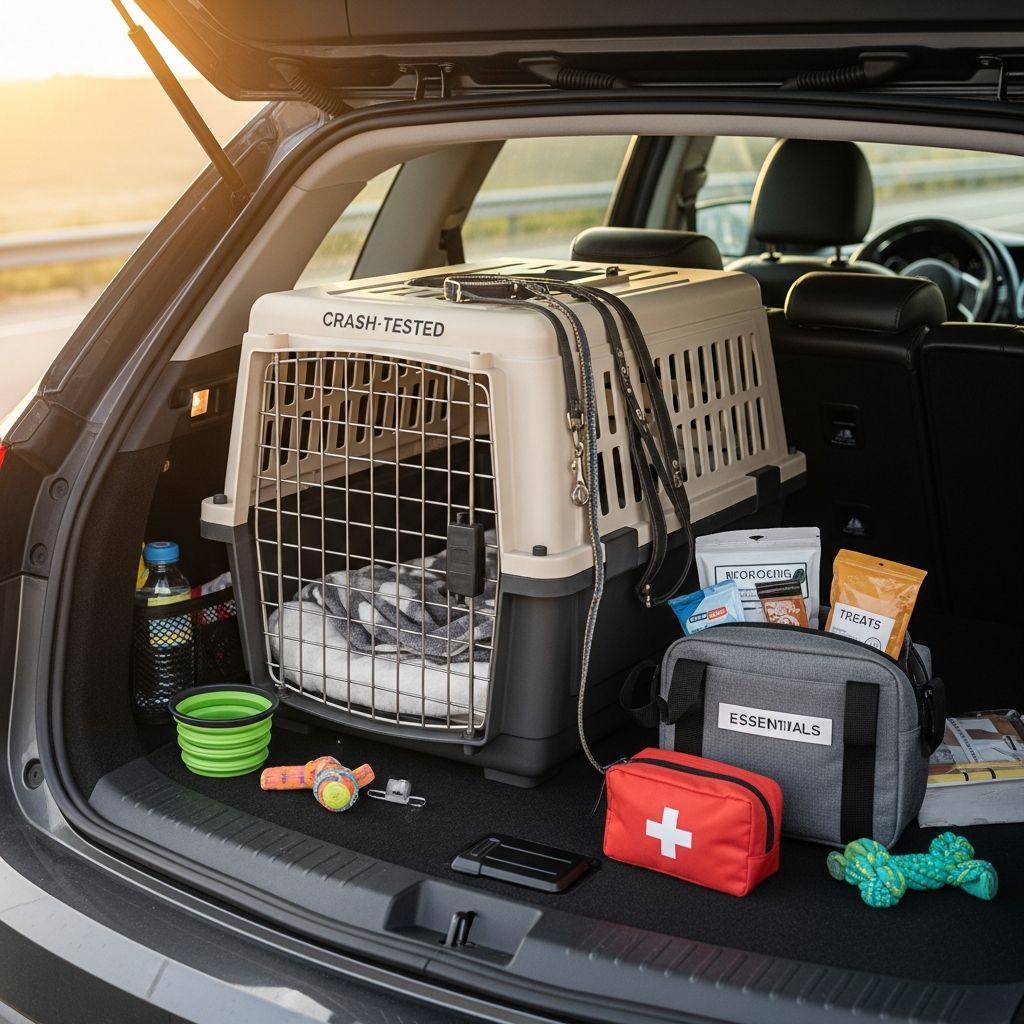
Traveling with pets has become increasingly popular as families treat their furry companions as integral members. However, crossing state lines or international borders involves navigating a complex web of federal, state, and airline-specific regulations designed to protect animal health, public safety, and biosecurity. Understanding these rules prevents denied entry, quarantines, or unexpected fees. This guide breaks down the most critical legal aspects, drawing from authoritative U.S. government sources to help you prepare effectively.
Understanding Domestic Pet Travel Regulations Across U.S. States
When moving within the United States, pet owners must comply with varying state-specific requirements, primarily overseen by the USDA’s Animal and Plant Health Inspection Service (APHIS). Each state mandates proof of current rabies vaccination for dogs and cats, along with a health certificate issued by a licensed veterinarian. These certificates confirm the pet is free from infectious diseases and fit for travel.
- Rabies Vaccination Proof: Universally required; the certificate must show the vaccination date, expiration, and administering vet’s details.
- Health Certificates: Typically valid for 10-30 days, depending on the destination state. APHIS provides a state-by-state directory for precise rules.
- Age Minimums: Pets must generally be at least 8 weeks old for air travel, ensuring they are weaned and healthy.
For example, traveling from California to New York might require an interstate Certificate of Veterinary Inspection (CVI), signed by an accredited vet. Failure to carry these documents can result in quarantine or return at the owner’s expense. Always check APHIS resources weeks in advance, as rules can update based on disease outbreaks.
International Travel: Rabies Rules and Country-Specific Import Mandates
International pet travel demands meticulous planning due to stringent import rules, especially regarding rabies—a deadly virus still prevalent in many regions. The U.S. Centers for Disease Control and Prevention (CDC) enforces rigorous entry standards for dogs, classifying countries as high-risk, low-risk, or rabies-free based on canine rabies prevalence.
| Dog’s Recent Travel History (Last 6 Months) | CDC Requirements for U.S. Entry |
|---|---|
| Only in rabies-free or low-risk countries | Rabies vaccination; microchip; CDC Dog Import Permit if needed. |
| In any high-risk country | Full compliance with CDC rules or denial of entry; possible quarantine. |
Cats face fewer restrictions but still need rabies shots and health checks. Exporting from the U.S. requires USDA-endorsed certificates, while destinations like the EU demand microchips matching vaccination records. Some nations impose lengthy quarantines—up to 6 months—in government facilities, incurring high costs. Rabies-free countries like Australia or the UK have the strictest protocols, often requiring blood titer tests proving immunity.
Pet birds, hamsters, or exotics may involve additional agencies like U.S. Fish and Wildlife Service for endangered species compliance.
Airline Policies: Carry-On, Checked Baggage, and Breed Restrictions
Airlines impose their own rules atop government mandates, balancing pet safety with cabin and cargo limitations. Most carriers allow small dogs and cats in carry-on if they fit approved carriers under the seat, but restrictions abound.
- Carry-On Limits: American Airlines permits cats/dogs meeting size/age criteria; no carry-ons to Jamaica or trans-Atlantic routes. United allows up to 2 pets per person but requires adjacent seats for multiples.
- Checked Pets: Limited to military/State Department personnel on official orders; health certs must be within 10 days of travel.
- Breed Bans: brachycephalic (snub-nosed) breeds like Pugs or Persians often prohibited due to breathing risks at altitude.
Health certificates are mandatory, issued within 10 days by accredited vets. Feed pets lightly before flights to minimize stress-induced vomiting. Always confirm with the airline 72 hours prior, as embargoes apply to high-risk rabies countries—no carry-ons from those origins.
Mandatory Health Documentation: From Vaccinations to Microchips
A robust health portfolio is non-negotiable. The American Veterinary Medical Association (AVMA) stresses carrying medical records, vaccination histories, and CVI for all trips.
- Vaccination Records: Rabies (core for dogs/cats), plus bordetella, DHPP for dogs, FVRCP for cats.
- Certificate of Veterinary Inspection (CVI): Examines pet for communicable diseases; USDA-endorsed for international moves.
- Acclimation Certificate: Confirms pet can handle temperature extremes in cargo.
- Microchip/ID: ISO-compliant for EU/elsewhere; tattoos accepted in some cases.
Vets must be federally accredited for official docs. For relocations, include pre-existing condition summaries. Update all shots before departure, as lapses void entry.
Ground and Rail Travel: Bus, Train, and Road Trip Rules
Not all journeys soar; many involve cars, buses, or trains with unique constraints. Most public transit bans pets except service animals, per state laws.
- Amtrak/Buses: Pets generally prohibited; exceptions for trained service dogs.
- Road Trips: No federal rules, but stop every 2-3 hours for exercise/water. Secure pets in harnesses/crates to prevent ejection in crashes.
- State Quarantine Risks: Hawaii mandates 120-day rabies quarantine for dogs/cats from mainland.
For cross-country drives, research hotel pet policies and national park leash laws (e.g., Yellowstone requires 6-ft leashes).
Special Considerations for Service Animals and Exotic Pets
Service dogs enjoy broader access under the Air Carrier Access Act, bypassing pet fees/size limits but must meet CDC rabies rules. Emotional support animals lost federal protections in 2021; now treated as pets.
Exotics like rabbits or birds qualify as “pets” under APHIS if not for resale/research, but face CITES permits for wildlife. Livestock (pigs, poultry) follow separate ag rules.
Common Pitfalls and How to Avoid Costly Mistakes
Overlooking microchip mismatches or expired rabies shots leads to border denials. Budget for vet visits ($100-300), certificates ($50+), and crates ($200+). Start planning 4-6 months early for internationals. Use APHIS Pet Travel portal for checklists.
Frequently Asked Questions (FAQs)
Can my unvaccinated puppy travel domestically?
No, most states require rabies vaccination post-12 weeks; pups under need vet exemption letters.
What if my dog visited a high-risk rabies country?
CDC denies entry without full compliance: rabies vax, microchip, titer test, possible quarantine.
Do cats need microchips for U.S. entry?
Not federally, but recommended; EU requires them matching vax cards.
Can I sedate my pet for flights?
AVMA advises against; consult vets for non-sedative anxiety aids.
What’s the youngest age for air travel?
8 weeks minimum, weaned 5 days prior.
Planning Your Pet’s Next Adventure Responsibly
By prioritizing vaccinations, documentation, and carrier policies, pet owners ensure safe, legal travels. Consult USDA APHIS, CDC, and your airline early. A well-prepared trip strengthens the human-animal bond without legal hurdles.
References
- Regulations for Traveling With Pets — Merck Veterinary Manual. 2023. https://www.merckvetmanual.com/special-pet-topics/travel-with-pets/regulations-for-traveling-with-pets
- Bringing a Dog into the U.S. — Centers for Disease Control and Prevention (CDC). 2024-08-01. https://www.cdc.gov/importation/dogs/index.html
- Pets − Travel Information — American Airlines. 2024. https://www.aa.com/i18n/travel-info/special-assistance/pets.jsp
- Traveling with Your Pet FAQ — American Veterinary Medical Association (AVMA). 2023. https://www.avma.org/resources-tools/pet-owners/petcare/traveling-your-pet-faq
- Bring a Pet From Another Country into the United States (Import) — USDA APHIS. 2024. https://www.aphis.usda.gov/pet-travel/another-country-to-us-import
- Pet Travel | Domestic and International Travel With a Pet — USDA APHIS. 2024. https://www.aphis.usda.gov/pet-travel
Similar Articles








Read full bio of medha deb


