
Pet Injury Lawsuits: Legal Rights and Compensation Options
Understand your legal options when your pet is injured due to someone else's negligence or intentional act.
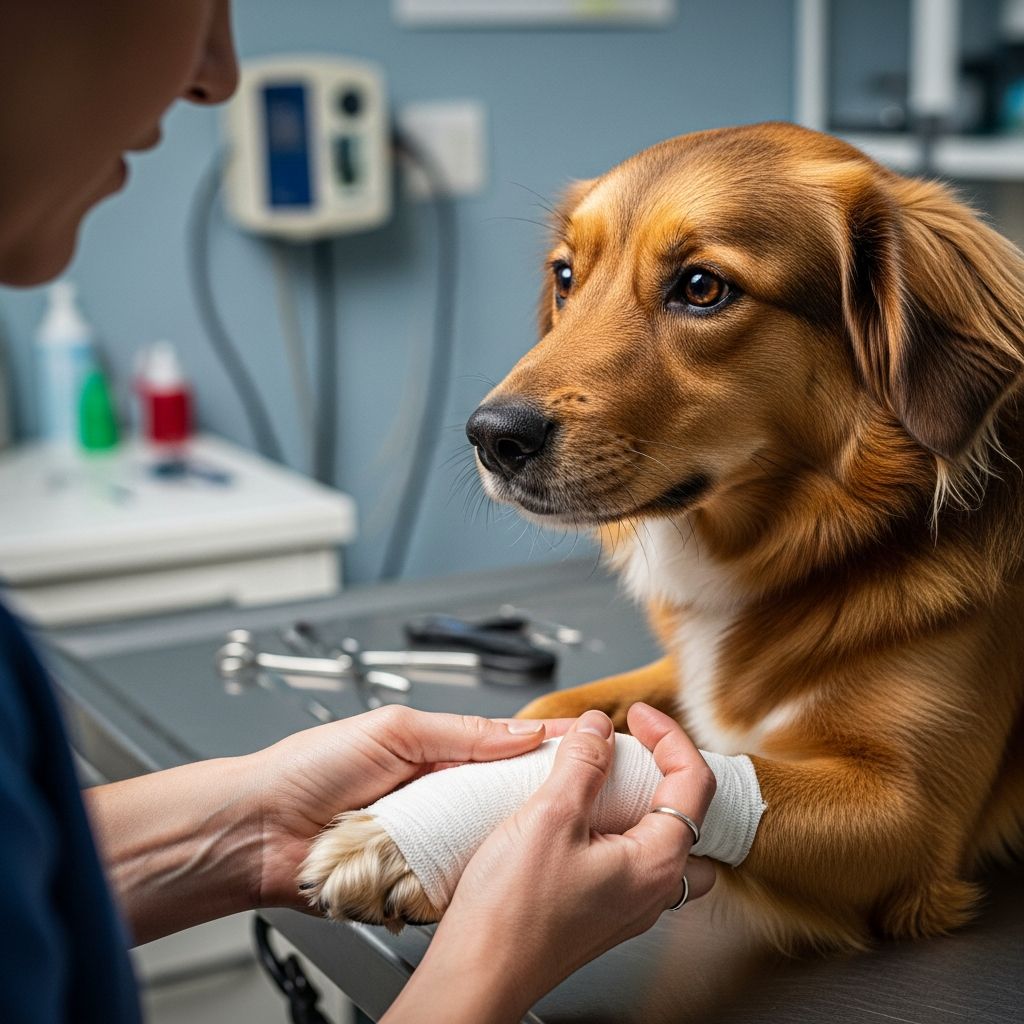
Protecting Your Pet Through Legal Action: An Overview
When a beloved pet suffers injury due to another person’s actions or negligence, pet owners naturally seek accountability and compensation for medical expenses and emotional suffering. However, the legal system treats pets differently than it treats human injuries, and understanding these distinctions is crucial for anyone considering legal action. Unlike human personal injury cases, pet injury litigation falls under property damage law in most jurisdictions, which fundamentally changes the types and amounts of compensation available.
The ability to sue for pet injuries varies significantly by state, with some jurisdictions offering more robust protections for animal owners than others. Regardless of location, successful pet injury claims typically require establishing that another party’s negligence or intentional conduct directly caused harm to your animal. This article explores the legal landscape surrounding pet injuries, the standards courts use to determine liability, and the compensation mechanisms available to pet owners seeking justice and financial recovery.
Understanding How Courts Classify Pet Injuries
The legal classification of your pet significantly influences what compensation you can recover. In most U.S. jurisdictions, courts classify pets as personal property rather than as sentient beings with independent legal rights. This property-based framework means that when your pet is injured, you are technically claiming damages to your property rather than pursuing compensation for the pet’s suffering directly.
This classification creates a fundamental difference from human injury cases. Courts do not award damages based on the pet’s pain and suffering in the same way they do for humans. Instead, compensation focuses on economic losses and, in limited circumstances, the emotional distress experienced by the owner. Some states have begun recognizing the emotional bond between pets and owners, leading to evolving legal standards that may eventually provide greater protection for injured animals.
Establishing Negligence in Pet Injury Cases
To successfully pursue a pet injury claim, you must establish a four-part negligence standard. This framework applies across most jurisdictions and requires demonstrating each element through evidence and testimony.
First Element: Duty of Care requires showing that the defendant owed a legal obligation to prevent harm to your pet. This duty typically exists when the responsible party should have reasonably anticipated that their actions could endanger animals. For example, a property owner has a duty to maintain secure fencing to prevent dogs from escaping and injuring neighborhood pets, and a veterinarian owes a professional duty of care to animals under their treatment.
Second Element: Breach of Duty involves proving that the defendant failed to fulfill their legal obligation through either action or inaction. A breach occurs when someone acts recklessly or negligently in a way that violates the standard of care expected in similar circumstances. Examples include leaving a gate open that allows an aggressive dog to escape and attack other animals, or a veterinarian administering incorrect medication dosages.
Third Element: Causation establishes the direct link between the defendant’s breach and your pet’s injury. You must demonstrate that the injury would not have occurred “but for” the defendant’s negligent conduct. This element often requires expert testimony to explain how specific negligent actions directly resulted in the specific injuries your pet sustained.
Fourth Element: Damages requires proof that you and your pet actually suffered measurable harm as a result of the defendant’s conduct. While your pet experienced physical injury, you must also show that you incurred economic losses or qualifying emotional distress.
Types of Liability Standards Applied in Different Situations
Different scenarios involving pet injuries may trigger different legal liability standards, with some situations creating strict liability while others require proving negligence.
Strict Liability for Dog Bites: Many states, including California, impose strict liability for dog bites, meaning the owner is responsible for injuries caused by their dog regardless of whether the dog previously attacked anyone or whether the owner knew the dog was dangerous. Under strict liability, you need only prove that the bite occurred while you were in a public place or lawfully on private property. You do not need to prove negligence or knowledge of the dog’s vicious tendencies. This standard significantly simplifies dog bite claims compared to other types of pet injuries.
Negligence Standard for Other Pet Injuries: When a pet is injured by another animal in non-bite scenarios, or when injuries result from dangerous conditions or reckless behavior, the negligence standard applies. Under this approach, you must prove that the defendant knew or should have known of a dangerous condition or their pet’s aggressive tendencies and failed to take reasonable precautions. This is more difficult to establish than strict liability because it requires demonstrating the defendant’s knowledge and fault.
Veterinary Malpractice: When injuries result from inadequate veterinary care, the professional negligence standard applies. You must prove that the veterinarian deviated from the standard of care that a reasonably competent veterinarian would provide in similar circumstances. This typically requires expert testimony from another veterinarian to establish what constitutes acceptable professional practice.
Evidence Gathering and Documentation Strategies
Strong evidence collection immediately following a pet injury incident significantly strengthens your legal claim. Documentation serves multiple purposes: establishing the injury’s severity, demonstrating causation, and supporting damage calculations.
- Medical Records: Comprehensive veterinary records documenting the injury, diagnosis, treatment plan, and prognosis form the foundation of any pet injury claim. Ensure records include detailed descriptions of injuries, treatment dates, medications prescribed, and the veterinarian’s professional assessment of the injury’s cause.
- Photographic Evidence: Take clear photographs and videos of the injury immediately after it occurs and during the healing process. Visual documentation of wound severity, visible trauma, and the pet’s condition supports your claims regarding the injury’s extent. Additionally, photograph the scene where the injury occurred, including any hazardous conditions, unsecured gates, broken fences, or other contributing factors.
- Witness Statements: Obtain written statements from anyone who witnessed the incident, including neighbors, animal control officers, or other pet owners present. Witness accounts provide independent verification of how the injury occurred and support your version of events.
- Veterinary Bills and Records: Compile all invoices for veterinary services, medications, surgeries, rehabilitation, and ongoing treatment. These documents quantify your economic damages and establish the financial burden resulting from the injury.
- Communications with the Defendant: Preserve any written communications with the responsible party, such as emails, text messages, or letters. These communications may contain admissions of fault or apologies that strengthen your case.
- Expert Reports: Depending on the claim’s complexity, obtain expert reports from veterinarians explaining the injury’s severity, treatment necessity, and prognosis. Expert testimony often proves essential in establishing both causation and the appropriateness of veterinary expenses.
Calculating Recoverable Damages in Pet Injury Claims
Unlike human injury cases where courts award damages for pain and suffering, pet injury compensation typically focuses on economic losses and, in limited situations, owner emotional distress.
| Damage Type | Description | Typically Recoverable |
|---|---|---|
| Veterinary Expenses | All costs for emergency care, surgery, medications, rehabilitation, and ongoing treatment | Yes |
| Fair Market Value | The monetary value of the pet based on breed, age, and condition before injury | Yes (if pet dies) |
| Pet Owner Emotional Distress | Damages for severe emotional trauma experienced by the owner | Limited (requires extreme conduct) |
| Pet’s Pain and Suffering | Compensation for the animal’s physical pain during recovery | Rarely (property classification limits this) |
| Punitive Damages | Additional damages to punish egregious conduct | Limited (requires intentional or grossly negligent conduct) |
Economic Damages: These represent actual, quantifiable losses directly resulting from the injury. Veterinary bills constitute the primary economic damage in pet injury cases. Courts readily award all reasonable and necessary medical expenses, including emergency treatment, surgical procedures, medications, diagnostic testing, and rehabilitation therapy. If the injury results in permanent disability requiring ongoing care or special accommodations, courts may award damages for these continuing expenses as well.
Fair Market Value: In cases where a pet dies from injuries, courts may award the pet’s fair market value. This represents what a reasonable buyer would pay for a comparable animal in the open market. For purebred animals with documented value, this calculation considers breed standards and pedigree. For mixed-breed or older pets, fair market value may be minimal or even zero, reflecting the limited commercial market for such animals.
Emotional Distress Damages: Most jurisdictions rarely permit recovery for pet owner emotional distress unless the defendant’s conduct was intentional or extraordinarily reckless. Courts generally view this limitation as a consequence of classifying pets as property. However, some states recognize exceptions, particularly when the defendant’s actions toward the animal were malicious or the defendant acted with gross negligence. Hawaii has been particularly progressive, permitting negligent infliction of emotional distress claims related to pet death without requiring the owner to witness the injurious conduct.
Punitive Damages: These additional damages serve to punish particularly egregious conduct rather than simply compensate the owner. Courts award punitive damages only in cases involving intentional harm, recklessness of such magnitude as to demonstrate conscious disregard for consequences, or gross negligence. Standard negligence cases generally do not qualify for punitive damages, even if the defendant’s carelessness was substantial.
State-Specific Variations in Pet Injury Law
Pet injury law varies considerably across jurisdictions, with some states providing significantly stronger protections than others. Understanding your state’s specific rules becomes essential for evaluating claim viability and recovery potential.
California enforces strict liability for dog bites, meaning owners bear financial responsibility regardless of prior knowledge of their dog’s dangerous propensities. For other pet injuries, California applies the traditional negligence standard requiring proof of knowledge of the dangerous condition. The state recognizes that pet injuries fall under property damage law, which limits some remedies available in human injury cases.
South Carolina addresses pet injuries through multiple legal theories, including negligence, veterinary malpractice, breach of contract, and conversion. The state’s criminal law also provides protections, making animal abuse and torture serious offenses. Civil claims in South Carolina often proceed through small claims court, which can be accessible for pet owners seeking recovery of veterinary expenses.
Other states have adopted varying standards, with some recognizing broader emotional distress claims for pet injuries while others maintain strict property-based frameworks. Research your specific state’s statutes and relevant case law to understand applicable standards and potential recovery amounts.
Special Considerations in Veterinary Malpractice Cases
When veterinary errors cause pet injuries, you pursue claims under professional negligence standards. These cases require establishing that the veterinarian’s treatment deviated from the standard of care expected within the veterinary profession.
Veterinary malpractice claims require expert testimony from another veterinarian to establish what constitutes acceptable professional practice in the community or profession. Your expert must explain how the defendant veterinarian’s actions fell below professional standards and how this deviation caused or contributed to the pet’s injury. Courts generally do not permit lay jurors to evaluate veterinary decision-making without professional guidance, except in cases where the negligence is so obvious that expert testimony becomes unnecessary.
Additionally, you must prove that the breach of professional duty directly caused the injury and that harm resulted. Even if you demonstrate that a veterinarian acted negligently, you must still show that the injury was a foreseeable consequence of that negligence, not an unrelated event occurring during treatment.
Statutory Limitations and Filing Deadlines
Pet injury claims are subject to statutes of limitations, which establish deadlines for filing lawsuits. Missing these deadlines typically bars recovery entirely, regardless of the claim’s merits.
California’s statute of limitations provides two years for personal injury claims (which encompasses most pet injury cases) and three years for property damage claims. If the responsible party is a government employee, shorter deadlines may apply.
Other states establish varying deadlines, ranging from one to six years depending on the type of claim and the defendant’s status. Some jurisdictions distinguish between injury and death claims, applying different timeframes to each. Consulting an attorney early ensures you understand and comply with applicable deadlines in your jurisdiction.
When Legal Action May Not Be Viable
Not all pet injury situations result in successful claims. Courts recognize important exceptions and limitations that may prevent recovery even when injuries clearly occurred.
Trespassers who are injured while unlawfully on another’s property generally cannot recover damages, even if a pet on that property caused the injury. Similarly, individuals who provoked a pet that responded with injury may find themselves ineligible for compensation. Courts reason that these individuals bear responsibility for putting themselves in dangerous situations.
Additionally, if a pet was legally justified in injuring another animal—such as when a dog kills a predator threatening livestock or a person—the pet owner may not be liable. Many states recognize affirmative defenses permitting property owners to protect their animals and property from genuine threats.
Frequently Asked Questions About Pet Injury Lawsuits
Q: Can I recover damages for my pet’s emotional trauma or pain and suffering?
A: In most states, pet injury law classifies animals as property, which limits recovery for pain and suffering. You can typically recover economic damages like veterinary bills but not compensation for the pet’s emotional experience. Some states may permit limited emotional distress recovery for owners under extreme circumstances.
Q: What happens if the responsible party lacks homeowner’s or liability insurance?
A: If the defendant has no insurance, you can still pursue a lawsuit and potentially recover a judgment. However, collecting that judgment becomes more difficult, as you must identify and attach the defendant’s assets. This is why insurance verification early in the claim process proves important.
Q: Do I need an attorney to pursue a pet injury claim?
A: For minor claims involving small veterinary expenses, you may represent yourself in small claims court. For more complex cases involving significant injuries, multiple parties, or disputes over liability, legal representation substantially improves your chances of successful recovery.
Q: How long does a pet injury lawsuit typically take?
A: Timelines vary considerably depending on complexity, liability clarity, and settlement willingness. Simple cases may resolve within months, while complex litigation could extend several years. Many claims settle without trial after initial negotiations and insurance company evaluation.
Q: What if multiple parties contributed to my pet’s injury?
A: Most states apply comparative negligence rules, meaning liability can be divided among multiple defendants based on their respective fault percentages. You may recover damages from each liable party according to their proportional responsibility.
References
- Understanding Pet Injury Compensation Claims — Fielding Law Firm. Accessed January 2026. https://fieldinglawfirm.com/pet-injury-compensation/
- How to File a California Dog Bite Lawsuit — Helbock Law. Accessed January 2026. https://www.helbocklaw.com/how-to-file-a-california-dog-bite-lawsuit/
- Dog or Cat Injury: California Law on Remedies Available — Stimmel Law. Accessed January 2026. https://www.stimmel-law.com/en/articles/dog-or-cat-injury-california-law-remedies-available
- Detailed Discussion of Damages for Death or Injury of Companion Animals — Animal Legal & Historical Center. Accessed January 2026. https://www.animallaw.info/article/detailed-discussion-damages-death-or-injury-companion-animals
- Can I File a Personal Injury Claim for My Injured Pet? — Steinberg Law Firm. Accessed January 2026. https://www.steinberglawfirm.com/blog/can-i-file-a-personal-injury-claim-for-my-injured-pet/
- Damages for Death or Injury of an Animal — Animal Legal Defense Fund. Accessed January 2026. https://aldf.org/article/damages-for-death-or-injury-of-an-an-animal/
- When a Pet Is Injured or Killed: Compensating the Owner — Nolo. Accessed January 2026. https://www.nolo.com/legal-encyclopedia/free-books/dog-book/chapter9-6.html
Similar Articles








Read full bio of medha deb


