
What To Do After Hitting A Pet: Legal Steps And Best Practices
A practical guide to what drivers must do after hitting a pet and how the law may treat the incident.
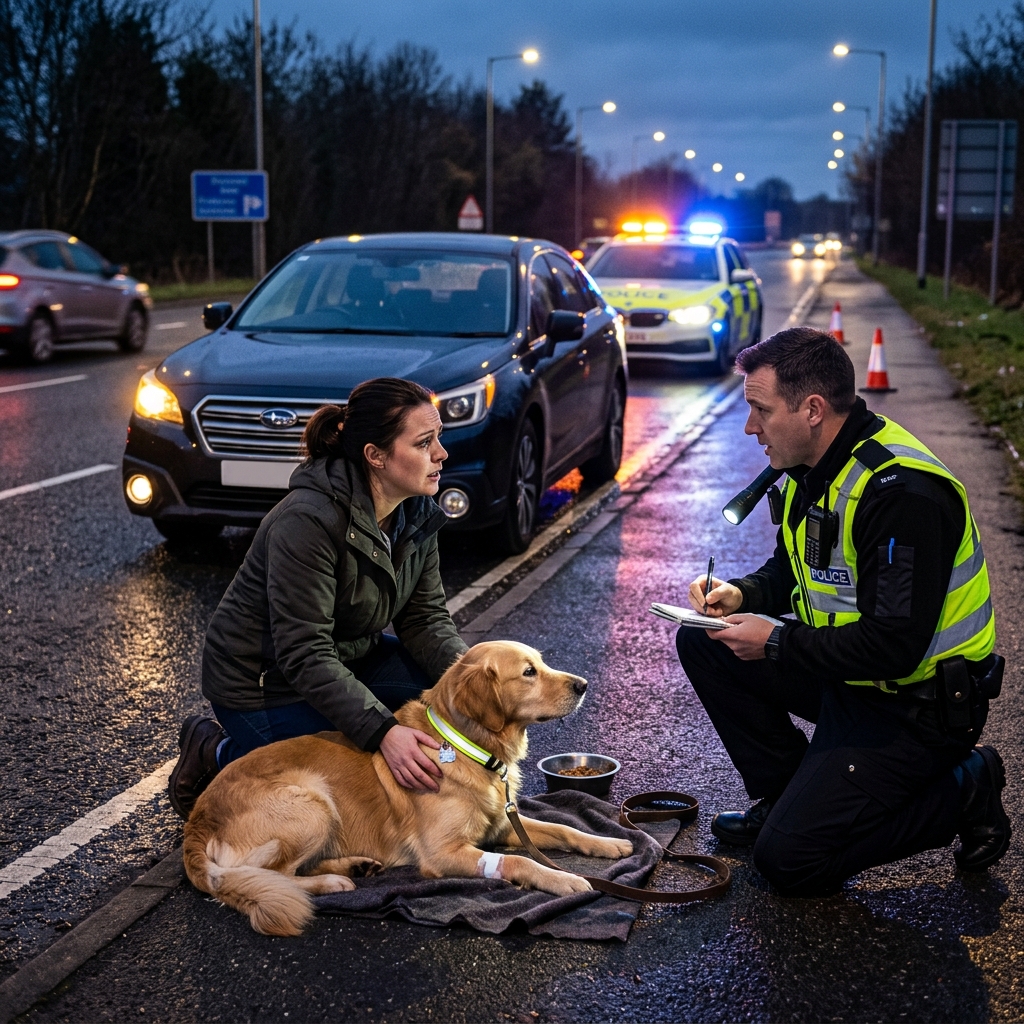
When a Pet Is Struck by a Vehicle
Collisions involving pets create a difficult mix of safety concerns, legal obligations, and emotional stress. A driver may be shocked, worried about traffic behind them, and unsure whether the law treats the incident like a human injury crash or a property-damage event. In many states, the legal response is not identical to the rules that apply when a person is hurt, but drivers can still face consequences if they leave the scene or fail to make a required report.
The key issue is that the law often treats a pet as property, while also recognizing that animal-cruelty rules may apply if a driver acts intentionally or recklessly. That means a collision with a dog, cat, or other companion animal can trigger more than one area of law, depending on the circumstances and the state involved. A careful response at the scene matters both for the animal’s welfare and for the driver’s legal protection.
Why Pet Collisions Can Raise Legal Questions
Many people assume a pet accident is handled the same way everywhere, but state laws vary widely. Some states have specific provisions requiring a driver to stop, notify an owner, or contact law enforcement after striking certain animals. Other states rely more heavily on general property-damage rules or animal-cruelty statutes. FindLaw notes that there are generally not uniform criminal laws for hitting a pet and leaving the scene, unlike the rules that apply to human victims.
This legal patchwork matters because a driver may think an incident is only a minor traffic event when, in fact, it can become a citation or even a criminal matter if the driver fails to stop or report the collision. In some jurisdictions, the requirement to stop and notify authorities is explicit for animals such as dogs or cats, while in others the duty comes from broader traffic or reporting laws.
What Drivers Should Do Immediately After the Collision
The safest response begins with the basics: stop only if it can be done safely, avoid creating a second crash, and protect yourself and others from traffic. In some places, guidance advises pulling over as close to the scene as possible and staying clear of moving vehicles. If the animal is in the roadway, drivers should not make sudden movements that place them or others at risk.
After the vehicle is secured, the next step is to determine whether the pet’s owner is nearby or identifiable. If the owner is present, some laws require the driver to exchange identifying information and take reasonable steps to ensure the animal receives care. If the owner cannot be found, the driver may need to call police, animal control, or another local authority, depending on the state.
- Move to a safe position if possible.
- Turn on hazard lights if you are stopping near traffic.
- Check whether the animal can be approached safely.
- Contact the owner, police, animal control, or another required agency.
- Exchange identifying information if the law requires it.
How State Laws Differentiate Between Animals
Not every animal is treated the same way. Some statutes focus specifically on dogs, cats, horses, or livestock. New York, for example, requires a driver who strikes and injures certain animals to stop, try to locate the owner or a police officer, and provide identifying information and insurance details. California legislation has also reflected an intent to include dogs, cats, and livestock under a hit-and-run framework, showing how states can extend traffic duties beyond human victims.
Other places may distinguish between domestic pets, service animals, and livestock when setting penalties or reporting duties. New York’s penalty structure, as described in legal summaries, is higher when the injured animal is a service or guide dog. That difference shows that lawmakers may assign extra legal protection to animals performing a public function as well as to pets valued as companions.
Possible Criminal or Civil Consequences
If a driver leaves the scene after hitting a pet, the consequences depend on local law. In some states, failing to stop or report can lead to a traffic infraction, a misdemeanor, or an animal-cruelty allegation if the conduct is especially blameworthy. Florida materials summarized in the search results describe fleeing the scene of a pet accident as a second-degree misdemeanor with possible jail time and a fine. New York summaries describe fines for failing to stop and report, with different amounts depending on whether the animal was a service animal.
There may also be civil exposure. If the pet is considered personal property under state law, the animal’s owner may seek compensation for veterinary bills, replacement costs, or other damages recognized by that state’s rules. Even when criminal charges are not filed, the driver may still face an insurance claim or a lawsuit if negligence caused the collision.
| Possible issue | What it can mean |
|---|---|
| Failure to stop | Traffic citation, misdemeanor, or other statutory penalty |
| Failure to report | Fine or report-related offense in states with animal reporting laws |
| Intentional harm | Possible animal-cruelty investigation |
| Property damage | Insurance claim or civil lawsuit by the owner |
When Animal-Cruelty Laws Enter the Picture
A plain traffic accident is different from a deliberate act of cruelty. If a driver intentionally strikes an animal or acts with extreme disregard for the animal’s safety, prosecutors may look beyond hit-and-run rules and consider animal-cruelty laws. FindLaw’s summary points out that state cruelty laws can matter because they may cover both intentional acts and failures to act on behalf of an animal in certain situations.
This is why the facts matter so much. A one-time accidental collision on a dark road is not the same as intentionally driving toward a pet. The first scenario may create a reporting obligation and a property-damage claim; the second could support a far more serious criminal case. The state’s statutes and the evidence of driver conduct will usually determine how the event is classified.
Insurance and Financial Responsibility
After a pet collision, insurance may be part of the solution. If the driver is at fault, the owner may look to the driver’s auto policy for payment of damage claims, especially where the law treats the animal as property. In Florida-related materials, the collision is discussed in connection with property damage liability coverage and the possibility that insurance may cover the driver’s responsibility up to policy limits.
Coverage depends on the policy, the state, and the facts. Medical treatment for the animal, euthanasia expenses in some cases, and related losses may all be raised in a claim. If damages exceed policy limits, the driver may face out-of-pocket exposure. That makes prompt reporting and careful documentation important, even when the collision seems minor at first.
Best Practices for Drivers After Hitting a Pet
Although laws differ, a few steps are consistently sensible. First, secure the scene and protect everyone from traffic. Second, locate the owner if possible and provide information honestly. Third, contact law enforcement or animal control if the state requires it or if the animal needs urgent attention. Fourth, document what happened for your insurer and, if needed, your attorney.
- Do not drive away without checking the legal reporting rules in your state.
- Write down the location, time, weather, and road conditions.
- Take photos only if it is safe to do so.
- Keep records of any police or animal-control contact.
- Notify your insurance company promptly if the event may lead to a claim.
These steps can help reduce confusion later. They can also show that you acted reasonably, which may matter if the owner, police, or insurer later questions what you did at the scene.
What Pet Owners Should Know
Pet owners also have responsibilities. Many animal collisions happen because a pet is loose near a road or not properly restrained. If the animal is recoverable, quick veterinary care is critical. Owners should also gather evidence, including witness information, photographs, and any police report number, because those details can help with insurance or legal claims.
If an owner believes a driver intentionally harmed the animal or ignored a legal duty to stop, reporting the incident promptly is important. Authorities can then decide whether the facts support a traffic charge, cruelty investigation, or civil claim. The owner’s documentation often becomes central to what happens next.
Frequently Asked Questions
Is hitting a pet always a crime?
No. In many places, an accidental collision is not automatically a crime. The legal consequences often depend on whether the driver stopped, reported the incident, and acted reasonably under the state’s laws.
Do I have to wait with the animal until help arrives?
Not always. Some laws require a driver to stop and report, but the exact duty to remain at the scene varies. Safety, traffic conditions, and local reporting rules all matter.
What if I cannot find the pet’s owner?
If the owner is not available, the driver may need to notify police, animal control, or another designated authority, depending on the state. In some jurisdictions, the law also requires the driver to provide identifying and insurance information to the owner if the owner is later found.
Can I be sued even if I am not charged?
Yes. Civil liability is separate from criminal enforcement. A pet owner may still seek compensation for losses even if prosecutors do not file charges.
Should I talk to a lawyer after the incident?
If there is any dispute about fault, reporting, or whether the event may be treated as cruelty or a hit-and-run violation, legal advice can be helpful. FindLaw’s summary also notes that anyone accused of leaving the scene or another crime should speak to an attorney.
Why Legal Advice May Matter
Pet-collision cases often turn on facts that are easy to overlook: where the animal was hit, whether the driver stopped safely, what was said to the owner or police, and whether the state has an animal-specific reporting statute. Because the law is not uniform, a driver who assumes the rules are the same everywhere may make a costly mistake. A short conversation with a lawyer can help clarify exposure, reporting duties, and possible insurance issues.
That advice is especially important when the collision happened in a state with specific provisions for dogs, cats, livestock, or service animals. It may also be important if anyone was injured, if the driver left the scene, or if the circumstances suggest something more than ordinary negligence. In those situations, prompt and accurate legal guidance can reduce the risk of compounding the original mistake.
References
- Accidents and Animals: Pet Hit and Run Laws — FindLaw. 2024-01-01. https://www.findlaw.com/legalblogs/criminal-defense/accidents-and-animals-pet-hit-and-run-laws/
- Hit And Run Dog Law In Florida: Legalities After An Animal Accident — Bernstein Injury Law. 2024-01-01. https://bernsteininjurylaw.com/blog/accidents-and-animals-pet-hit-and-run-laws/
- Is It Illegal To Hit A Dog And Drive Off? — Cellino Law. 2024-01-01. https://www.cellinolaw.com/blogs/is-it-illegal-to-hit-a-dog-and-drive-off/
- Accidents and Animals: Pet Hit and Run Laws — FindLaw. 2024-01-01. https://www.findlaw.com/legalblogs/criminal-defense/accidents-and-animals-pet-hit-and-run-laws/
- AB 1224 Assembly Bill — California Legislative Information. 2009-04-14. http://www.leginfo.ca.gov/pub/09-10/bill/asm/ab_1201-1250/ab_1224_bill_20090414_amended_asm_v98.html
- Who Is At Fault When an Animal Is Involved in a Car Accident? — Scott Gottlieb Law. 2024-01-01. https://www.scottgottlieblaw.com/car-accident-lawyer/who-is-at-fault-when-an-animal-is-involved/
- NY Vehicle and Traffic Law § 601: Leaving Scene of Injury to Certain Animals — Criminal Defense Law Center. 2024-01-01. https://criminaldefense.1800nynylaw.com/new-york-vehicle-and-traffic-law/new-york-vehicle-and-traffic-law-601-leaving-scene-of-injury-to/
Similar Articles








Read full bio of Sneha Tete




