
Paying Debts Owed to the United States Government
A practical, step‑by‑step guide to understanding, managing, and paying non‑tax debts owed to the U.S. government safely and correctly.
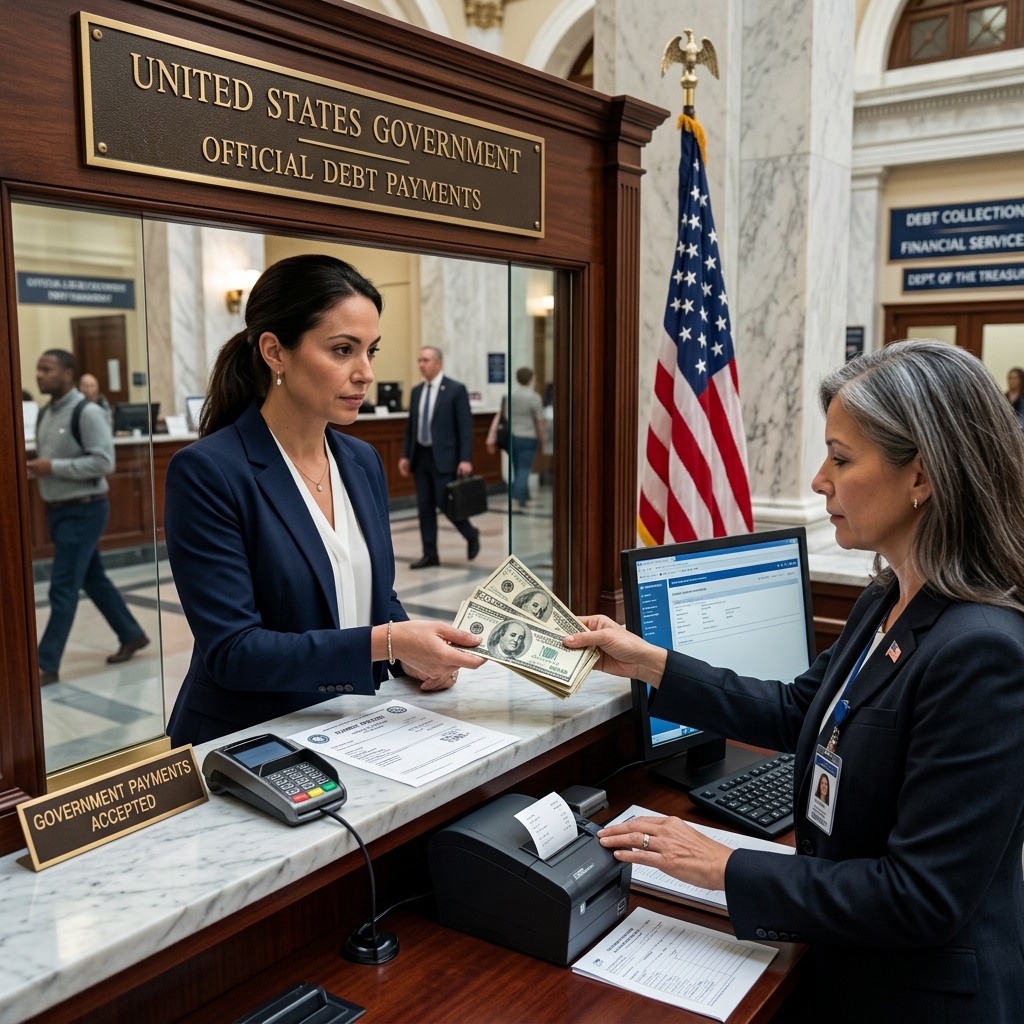
Individuals and businesses sometimes incur non-tax debts to the United States government, such as overpayments, penalties, contract claims, or unpaid fees. When these obligations arise, federal law requires timely repayment and sets out specific procedures, payment channels, and consumer protections. Understanding this process helps you resolve your debt efficiently while protecting your financial rights.
Understanding Federal Non‑Tax Debts
Not all obligations to the federal government involve taxes. Many agencies, from the Department of Defense to the Department of Education, routinely manage non‑tax debts that must be collected and, if necessary, enforced.
What Counts as a Non‑Tax Debt?
Non‑tax debts generally include money owed to federal agencies that is not related to income or employment taxes. Common examples are:
- Overpayments of federal benefits (for example, certain military or civilian pay overages)
- Administrative fines and penalties imposed by agencies
- Repayment obligations under federal contracts or grants
- Amounts due from defaulted government loans or guarantees
- Costs assessed for services provided by a federal agency
These debts are governed by federal statutes and regulations that require agencies to attempt collection and, if necessary, use tools such as offset or referral to specialized collection units within the Department of the Treasury.
Who Manages Collection of Federal Debts?
Several entities can be involved in collecting a non‑tax debt:
- Originating agency – The agency that issued the overpayment, fine, or loan typically starts collection efforts and sends you an initial demand letter.
- Defense Finance and Accounting Service (DFAS) – Manages many debts related to military and Defense Department pay and benefits, and provides official payment options and addresses for those debts.
- Bureau of the Fiscal Service – A bureau of the U.S. Department of the Treasury that oversees cross‑servicing of delinquent non‑tax debts and operates systems like Pay.gov and centralized collection programs.
Reading and Responding to a Federal Debt Letter
Most federal non‑tax debt collection begins with a written notice, often called a demand letter or billing statement. Treat this document seriously: it starts the clock for certain rights and deadlines.
Key Information in a Demand Letter
A typical federal debt letter includes several critical details:
- Amount you owe, broken down into principal, interest, and any administrative charges
- Reason for the debt, such as an overpayment, fee, or penalty
- Due date, often specifying that payment in full is expected within a set period (commonly 30 days from the date of the letter for many agencies)
- Payment instructions, including approved methods (online systems, checks, money orders) and mailing addresses
- Information on dispute or review rights, including how to request reconsideration or provide additional documentation
- Consequences of non‑payment, such as referral to Treasury, wage garnishment, offset of federal payments, or credit bureau reporting
Immediate Steps After Receiving a Notice
Once you receive a federal debt notice, acting promptly is crucial. Recommended steps include:
- Verify accuracy – Compare the letter with your own records and prior communications from the agency.
- Contact the issuing office – Use the phone number or email listed on the notice if you believe there is an error or need clarification.
- Mark the deadlines – Note payment due dates and any deadlines for contesting the debt or requesting a review.
- Gather supporting documents – Keep pay stubs, contracts, benefit notices, and correspondence available in case you need to dispute the amount.
Official Ways to Pay Federal Non‑Tax Debts
The U.S. government provides secure, standardized methods to pay non‑tax debts. Using these official channels reduces the risk of fraud and ensures your payment is correctly applied.
Online Payments Through Secure Government Portals
For many non‑tax debts that have been referred to the U.S. Department of the Treasury, you can pay online through government‑operated systems.
- Pay.gov forms – The Bureau of the Fiscal Service offers online forms to accept payments for delinquent non‑tax debts. These forms allow payment through bank account transfers (ACH), debit cards, and certain payment services.
- Agency‑specific portals – Some agencies operate their own online payment systems or link directly to Pay.gov from their websites.
Online payment systems are designed to be encrypted and compliant with federal security standards, making them one of the safest ways to pay your debt.
Traditional Payment Methods: Checks and Money Orders
Even as online payments expand, many agencies continue to accept more traditional options:
- Personal checks – Typically converted to electronic funds transfers once received, speeding up processing.
- Cashier’s checks – Often preferred where guaranteed funds are required.
- Money orders – Useful for individuals who do not maintain traditional bank accounts.
When sending checks or money orders, agencies usually instruct you to:
- Write your account or reference number on the payment instrument to ensure proper posting
- Mail your payment to the exact address listed on your billing statement
- Keep copies of your payment and any receipts for your records
Choosing the Right Method for Your Situation
| Payment Method | Main Advantages | Considerations |
|---|---|---|
| Online via Pay.gov or agency portal | Fast posting, electronic confirmation, secure processing | Requires internet access and a bank account, debit card, or compatible service |
| Personal check | Familiar, easy to track when cleared | Mail transit time; must ensure correct address and reference number |
| Cashier’s check or money order | Useful if personal checks are not accepted or if guaranteed funds are preferred | May involve fees from your bank or vendor; still subject to mail delivery time |
Timelines, Delinquency, and Treasury Collection
Federal agencies are required to follow standardized procedures if a debt is not paid by the stated due date. Missing deadlines can lead to additional costs and more aggressive collection measures.
When a Debt Becomes Delinquent
A non‑tax debt is typically considered delinquent if you do not pay the amount due by the deadline provided in the initial notice. For many Defense‑related debts, agencies expect payment in full within a specified timeframe such as 30 days, and failure to pay may trigger additional steps.
Referral to the Bureau of the Fiscal Service
Once a debt is delinquent, agencies may refer it to the U.S. Department of the Treasury’s Bureau of the Fiscal Service for cross‑servicing. At this stage:
- The debt may enter centralized collection programs managed by Fiscal Service.
- You could receive new notices from Treasury describing available payment options and potential enforcement actions.
- Your debt may be collected through tools such as administrative wage garnishment or offset of certain federal payments, consistent with federal law.
Potential Collection Tools and Consequences
Federal law authorizes several mechanisms for collecting delinquent non‑tax debts, subject to due process requirements and specific statutory limits. Depending on the type of debt and agency, possible actions may include:
- Offset of federal payments – Certain federal payments you receive (such as tax refunds or other disbursements) may be reduced to satisfy the debt.
- Administrative wage garnishment – A portion of your wages may be withheld by your employer and sent directly to the government.
- Referral to private collection contractors – Under the supervision of federal agencies or Treasury, some debts may be pursued by contracted collectors, who must still follow federal consumer protection rules.[10]
- Credit bureau reporting – In certain circumstances, your unpaid debt may be reported as a derogatory item on your credit file.
Your Rights and Protections During Collection
Although federal debts are backed by statutory collection authority, individuals retain important rights. Federal law, along with regulations and guidance, sets limits on what collectors may say or do and protects specific types of income from being seized.
Limits on Debt Collectors’ Conduct
When a federal debt is pursued by a collection agency or contractor, the collector must comply with federal consumer protection standards. According to the Consumer Financial Protection Bureau (CFPB):
- There are laws that restrict harassment, threats, and misleading statements in debt collection.[10]
- You have the right to request that a debt collector stop contacting you, though this does not erase the underlying debt.[10]
- Collectors must provide information about the debt and your right to dispute it.
Protection of Certain Federal Benefits
In most cases, core social benefits such as some Social Security and VA payments are heavily protected. CFPB guidance notes that only in rare, legally defined circumstances can collectors reach Social Security or certain veterans’ benefits to satisfy debts.[10]
However, other federal payments, such as tax refunds or contract payments, may be subject to offset under Treasury programs when you owe a federal debt.
Planning Ahead: Budgeting and Negotiation Strategies
If your federal debt is substantial relative to your income, planning how to pay it without destabilizing your finances is essential. Consumer resources from federal agencies can help you create a realistic repayment strategy.
Creating a Budget to Accommodate Federal Debt Payments
The Federal Trade Commission (FTC) advises borrowers and consumers to use budgeting tools to understand cash flow and obligations before negotiating or committing to payment plans.
- Gather your regular bills, pay stubs, and benefit statements.
- Use a budget worksheet or spreadsheet to categorize essential expenses (housing, food, utilities) and non‑essential spending.
- Identify how much you can realistically allocate to federal debt payments without missing critical obligations.
Communicating with Agencies About Hardship
If you anticipate difficulty paying in full:
- Contact the agency early – Do not wait for the debt to become severely delinquent. Agencies often have procedures to review hardship claims.
- Ask about repayment options – While tax debts have specific installment agreement programs, non‑tax debts may still be subject to internally approved payment schedules or compromises, depending on agency policy.
- Get arrangements in writing – Any approved payment schedule or reduction should be documented and retained for your records.
Frequently Asked Questions (FAQ)
1. Is a federal non‑tax debt the same as back taxes?
No. Non‑tax debts include obligations such as benefit overpayments, contract claims, and administrative penalties. Tax debts are governed by separate laws and IRS‑specific procedures. The payment instructions and collection tools may differ.
2. How do I know if I should pay my debt through Pay.gov?
Your billing statement or Treasury notice will specify whether your debt has been referred to the Bureau of the Fiscal Service and provide a link or instructions for using a Pay.gov form. If in doubt, verify the website address and follow the official guidance in your letter.
3. What happens if I ignore a federal debt letter?
Ignoring the notice does not make the debt disappear. Over time, unpaid debts can be referred to Treasury, collected through offsets or wage garnishment, and potentially reported to credit bureaus. Acting promptly, even if you dispute the debt, helps protect your rights and financial stability.
4. Can a private collection agency take my Social Security benefits?
In general, Social Security and certain VA benefits are strongly protected, and only in rare, legally defined circumstances can they be seized for debt. Private collectors must follow federal rules, and many core benefits are shielded from collection.[10]
5. How can I confirm that I am paying the government through a legitimate website?
Official payment portals for federal debts are operated by U.S. government domains, typically ending in .gov. The Bureau of the Fiscal Service maintains secure forms for non‑tax debt payments, and agency websites link directly to recognized systems like Pay.gov. Always access payment pages from the link provided in your official letter or by navigating from the main page of the relevant government agency.
6. Will paying my federal debt in installments affect interest or fees?
Many federal debts accrue interest and administrative costs under statutory rules. The total amount you pay may depend on how long the debt remains outstanding. Ask the agency about how interest is calculated and whether a faster repayment schedule could reduce long‑term costs.
References
- Debt Repayment Options — Defense Finance and Accounting Service. 2024-03-01. https://www.dfas.mil/debtandclaims/paymydebt/Debt-Repayment-Options/
- Online Payment for Delinquent Non-Tax Debt — Bureau of the Fiscal Service, U.S. Department of the Treasury. 2023-11-15. https://www.pay.gov/public/form/start/16531440
- Understanding the National Debt — U.S. Department of the Treasury, Fiscal Data. 2024-04-10. https://fiscaldata.treasury.gov/americas-finance-guide/national-debt/
- Debt Collection — Consumer Financial Protection Bureau. 2024-02-20. https://www.consumerfinance.gov/consumer-tools/debt-collection/
- How To Get Out of Debt — Federal Trade Commission Consumer Advice. 2023-09-05. https://consumer.ftc.gov/articles/how-get-out-debt
Similar Articles








Read full bio of medha deb




