
When Children Bring Violence to School: Understanding Parental Legal Responsibility
How and when parents can be held legally and financially responsible for school violence, weapons, and serious misconduct by their children.
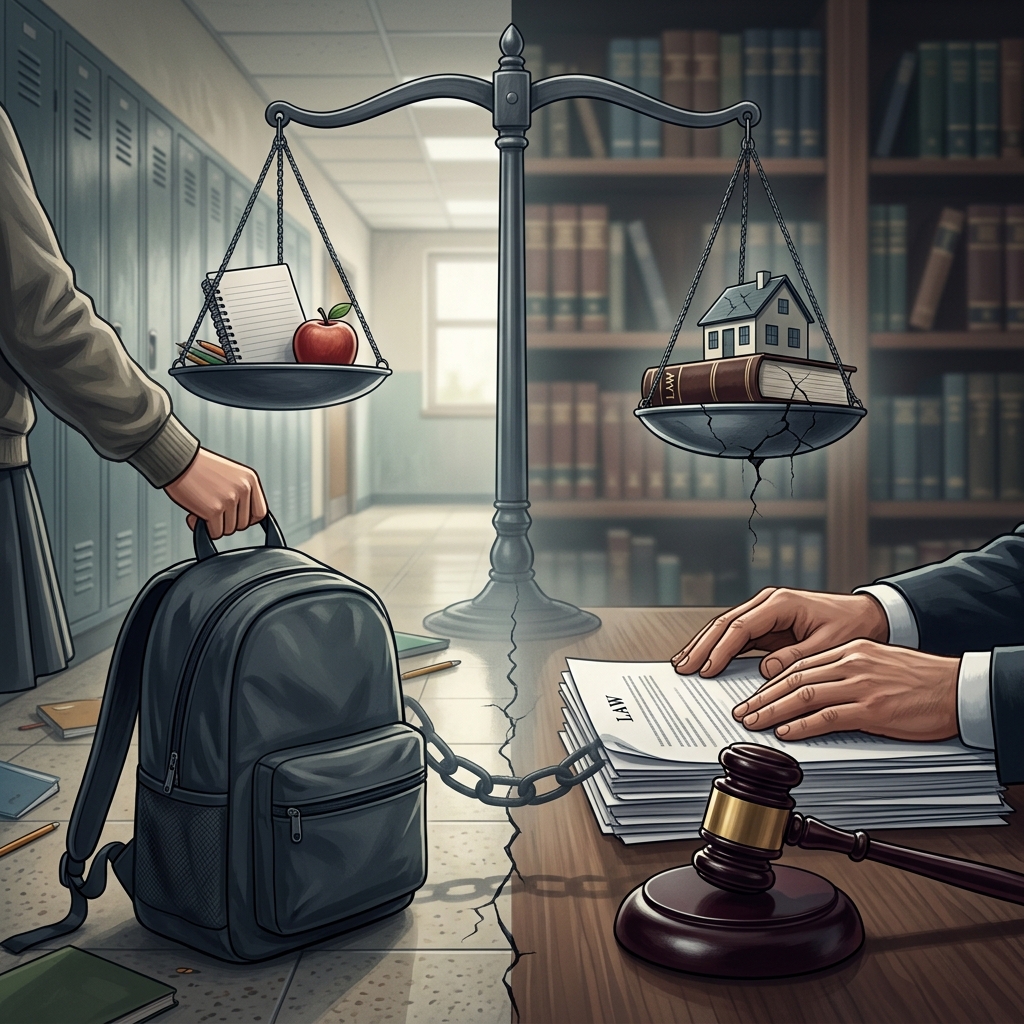
Schools are expected to be places of learning and safety, yet incidents involving bullying, weapons, and physical violence continue to make headlines in the United States. Parents often ask a difficult question in the aftermath of such events: Can I be held legally responsible for what my child does at school? This article explains how parental liability works, when responsibility may attach, and what proactive steps families can take to reduce both risk and harm.
Big Picture: Why Parental Accountability Matters
School safety is shaped by the actions of students, the policies of schools, and the involvement of families. Federal laws such as the Gun-Free Schools Act require schools to respond to weapons on campus, while state laws often determine whether parents must pay damages or face criminal charges tied to their child’s conduct. At the same time, research and prevention guidance stress that parents play a crucial role in recognizing warning signs and helping children manage conflict nonviolently.
Understanding parental accountability serves several purposes:
- Clarifying legal risk so parents know when they might be sued or prosecuted.
- Encouraging supervision and communication at home, which are key protective factors against school violence.
- Supporting prevention efforts by helping families work with schools rather than only reacting when something goes wrong.
Types of School Misconduct That Raise Legal Issues
Not every rule violation triggers legal consequences for parents. However, some categories of school misconduct can lead to lawsuits, law enforcement involvement, and serious disciplinary actions.
Violence Against Other Students or Staff
Violent behavior can involve pushing and shoving, assaults that cause injury, or in rare but devastating cases, acts of extreme violence. When a student harms a peer or teacher, civil claims (such as negligence or intentional torts) may arise, and criminal charges can be pursued against the student. In some states, parents may be sued for damages resulting from these acts if they failed to exercise reasonable supervision over a known risk.
Weapons on Campus
Bringing firearms, knives, or other dangerous weapons to school significantly escalates risk and legal exposure. Under the Gun-Free Schools Act, states receiving certain federal funds must require local school districts to expel for at least one year any student who brings a firearm to school, although exceptions may be made on a case-by-case basis. While this federal law governs school responses, state statutes can separately impose civil or criminal liability on parents if their negligence allowed a child access to a gun or other weapon.
Bullying, Harassment, and Threats
Persistent bullying, harassment, and credible threats of violence can violate school policies and, in some cases, state bullying or harassment laws. Schools are under increasing pressure to address these behaviors promptly. Where a child engages in repeated harassment despite warnings or prior interventions, some states permit lawsuits against parents for damages or impose fines when serious harm results.
Property Damage and Vandalism
Breaking windows, defacing school buildings, or damaging vehicles on campus are common forms of vandalism. Many states have statutes that specifically allow schools or victims to recover the cost of repairs from parents of minor children, sometimes subject to dollar limits. These laws are aimed at ensuring victims are compensated and encouraging parents to supervise their children’s behavior.
How U.S. Law Approaches Parental Liability
Parental responsibility for school-related misconduct is mainly a matter of state law. Although the broad principle is that parents are not automatically responsible for everything a child does, legislatures and courts have carved out situations where liability can arise when parents fail to supervise or control known risks.
Civil Liability: Paying for Damages
In civil cases, a parent may be ordered to pay money to compensate a victim or school for losses. Common civil theories include:
- Statutory liability for the willful or malicious acts of minors (e.g., vandalism statutes).
- Negligent supervision, where a parent knew or should have known of a child’s dangerous behavior and failed to take reasonable steps to prevent harm.
- Negligent entrustment of weapons or vehicles, such as leaving firearms unsecured, allowing a minor access contrary to safety guidance.
Many states put caps on the total amount parents may have to pay, while others allow full recovery of proven damages. The existence and size of such caps vary widely by jurisdiction.
Criminal Liability: When Parents Can Face Charges
Although less common than civil suits, parents may face criminal charges in serious cases. Some state laws allow prosecution for:
- Contributing to the delinquency of a minor, where parental actions or omissions facilitate criminal behavior.
- Child neglect or endangerment arising from reckless failure to secure weapons or to respond to clear warning signs of violent behavior.
- Specific parent-responsibility offenses that attach when a child commits designated crimes at school and the parent ignored prior notice or mandatory meetings.
Penalties can range from fines and mandated parenting or counseling classes to, in the most severe circumstances, jail time. Lawmakers have debated whether such measures are effective deterrents or risk unfairly penalizing families already under stress.
Factors Courts Often Consider
| Factor | How It Can Affect Parental Liability |
|---|---|
| Child’s age | Younger children typically require closer supervision; liability may be more likely where a very young child is left unchecked. |
| Nature of conduct | Serious violence or weapons offenses are more likely to trigger legal consequences than minor rule violations. |
| Prior warnings | Evidence that parents knew of escalating aggression, threats, or prior discipline but did little to intervene can support negligent supervision claims. |
| Access to weapons | Unsecured firearms or dangerous items in the home can be central to claims that parents failed to prevent foreseeable harm. |
| Efforts to cooperate with school | Documented participation in meetings, counseling, and safety planning may help show that parents acted reasonably. |
Federal Law: Setting the Safety Stage, Not Direct Parent Liability
Federal education and safety laws do not typically impose direct legal liability on parents. Instead, they shape how schools must respond to violence and weapons and what protections students receive.
- Gun-Free Schools Act: Requires states receiving certain federal funds to have laws mandating at least a one-year expulsion for students who bring firearms to school, with limited case-by-case exceptions.
- Safe and Drug-Free Schools and Communities initiatives: Support prevention programs aimed at reducing violence, substance abuse, and other risky behaviors.
These federal frameworks influence school policies and discipline procedures. Parents primarily feel their impact through consequences imposed on children—like suspension, expulsion, or referral to law enforcement—rather than direct suits or charges against parents.
State-Level Approaches: A Patchwork of Rules
Every state handles parental liability differently. Some have broad statutes making parents financially responsible for certain acts of their children; others focus more narrowly on specific behaviors such as vandalism or firearm misuse.
Common features include:
- Financial responsibility laws for intentional property damage or personal injury caused by minors.
- Bullying and harassment statutes that can affect school responses and, in severe cases, expose families to civil claims.
- Local ordinances in some communities that impose fines or mandatory classes on parents if children repeatedly violate school safety rules or commit assaults on campus.
Because the legal landscape is so varied, parents concerned about potential liability should review the laws in their state and consider consulting an attorney familiar with education or juvenile law.
Beyond Liability: The Preventive Role of Parents
Law is only one side of the story. Research and public health guidance identify parents and caregivers as critical partners in preventing school violence. Effective strategies focus on healthy communication, consistent supervision, and modeling nonviolent problem solving.
Key Preventive Actions at Home
- Model nonviolent conflict resolution: Demonstrate calm problem solving, listening, and compromise, since children learn from what they observe.
- Maintain open communication: Encourage children to talk about their experiences at school, friends, and online interactions; validate their feelings and offer support.
- Monitor behavior and warning signs: Watch for changes in mood, aggression, isolation, or fascination with weapons or violent content, and seek help early if concerns arise.
- Secure firearms and dangerous items: If a household has guns, store them unloaded, locked, and separate from ammunition, in line with pediatric and injury-prevention recommendations.
- Set clear rules about media and technology: Limit exposure to violent media and monitor internet use, gaming, and social media for bullying or ideation of harm.
Partnering with Schools and Community Organizations
Effective violence prevention relies on strong collaboration between families, schools, and community resources. Parents can:
- Stay engaged with the school by attending conferences, safety meetings, and parent advisory sessions.
- Learn school policies on discipline, bullying, weapons, and reporting procedures, then discuss them with children so expectations are clear.
- Support school safety programs such as peer mediation, conflict resolution workshops, and anti-bullying campaigns.
- Connect with other parents to share information about potential risks and to build a network that reinforces safe behavior.
Parental Accountability vs. Penalizing Parents
Legislative proposals and local policies sometimes aim to increase parental accountability by imposing fines, mandatory classes, community service, or, in rare cases, jail time when students physically assault staff or repeatedly engage in serious misconduct. Advocates argue that such measures can motivate parents to be more engaged and help deter violence. Critics worry they may disproportionately burden families facing economic hardship or trauma and may not address underlying causes of aggressive behavior.
When evaluating these policies, important questions include:
- Do the measures provide support and resources, or only punishment?
- Are parents given clear notice and opportunities to participate in interventions before sanctions are applied?
- How will the policy affect families already dealing with poverty, discrimination, or community violence?
- Are the sanctions grounded in evidence that they reduce future incidents, or are they primarily symbolic?
Many experts emphasize that sustainable safety comes from addressing root causes—such as mental health needs, exposure to violence, and lack of supportive relationships—rather than relying solely on punitive responses.
Practical Steps for Parents to Reduce Legal Risk
While no strategy can guarantee that legal problems will never arise, certain practical actions can significantly reduce both the likelihood of serious incidents and the chances that a parent will be found legally responsible.
- Document your efforts: Keep records of meetings with teachers, counselors, or administrators, and note any steps taken at home (such as counseling or behavioral plans).
- Respond promptly to warnings: If the school communicates concerns about bullying, threats, or weapon-related talk, take them seriously and follow up quickly.
- Seek professional help: Contact mental health providers, school psychologists, or community programs if your child shows signs of depression, intense anger, or fascination with harm.
- Review home safety: Audit the home for unsecured weapons, dangerous tools, or concerning materials, and remove or secure them as needed.
- Encourage reporting: Teach children to tell an adult if they see weapons, threats, or severe bullying at school; emphasize that speaking up can save lives.
Frequently Asked Questions
Can I be sued if my child bullies another student?
Possibly. In some states, parents may face civil claims, especially if bullying is severe, ongoing, and parents fail to act after being informed. Liability often depends on state statutes and whether the parent was negligent in supervising or addressing known behavior.
Am I automatically responsible if my child brings a gun to school?
No parent is automatically liable, but responsibility may be found if the gun came from your home and was accessible due to poor storage, or if there were clear warning signs you did not address. Laws vary by state, and some explicitly penalize failure to secure firearms.
Do federal school safety laws make me personally liable?
Federal laws like the Gun-Free Schools Act primarily regulate how schools must respond to weapons and violence; they do not directly impose liability on parents. Parental responsibility is generally defined by state law and local regulations.
Could I face criminal charges for my child’s actions at school?
In serious cases, yes. Some jurisdictions allow parents to be charged with offenses such as contributing to delinquency or child endangerment when their negligence contributes to a child’s violent or criminal behavior. This remains relatively uncommon and is usually reserved for egregious situations.
What should I do if I’m worried my child may hurt someone?
Seek help immediately. Contact school counselors, mental health professionals, or local crisis resources, and ensure that any weapons or dangerous items are removed or securely stored. Early intervention can protect your child, others at school, and your family from serious legal consequences.
References
- Parental Accountability for School Violence — FindLaw. 2024-03-12. https://www.findlaw.com/education/school-safety/school-violence-and-weapons-holding-parents-accountable.html
- Parental Accountability or Policies that Penalize Parents? — CNW Media. 2023-05-18. https://www.cnwmedia.com/article/parental-accountability-or-policies-that-penalize-parents
- The Role of Parents in Preventing School Violence — Madison County Sheriff, Nebraska. 2022-08-01. https://madisonsheriffne.gov/crime-prevention/the-role-of-parents-in-preventing-school-violence/
- Children, School, and Violence: What Parents Can Do — UPMC Children’s Hospital of Pittsburgh. 2021-11-10. https://www.chp.edu/injury-prevention/teachers-and-parents/school-violence/parents
- School Violence Prevention: Tips for Parents & Educators — National Association of School Psychologists. 2023-02-20. https://www.nasponline.org/resources-and-publications/resources-and-podcasts/school-safety-and-crisis/school-violence-resources/school-violence-prevention/school-violence-prevention-tips-for-parents-and-educators
Similar Articles








Read full bio of medha deb


