
Outdoor Slip and Fall Hazards: Key Risks and Legal Basics
Understand common outdoor slip and fall dangers, how to prevent them, and what liability small business property owners may face.
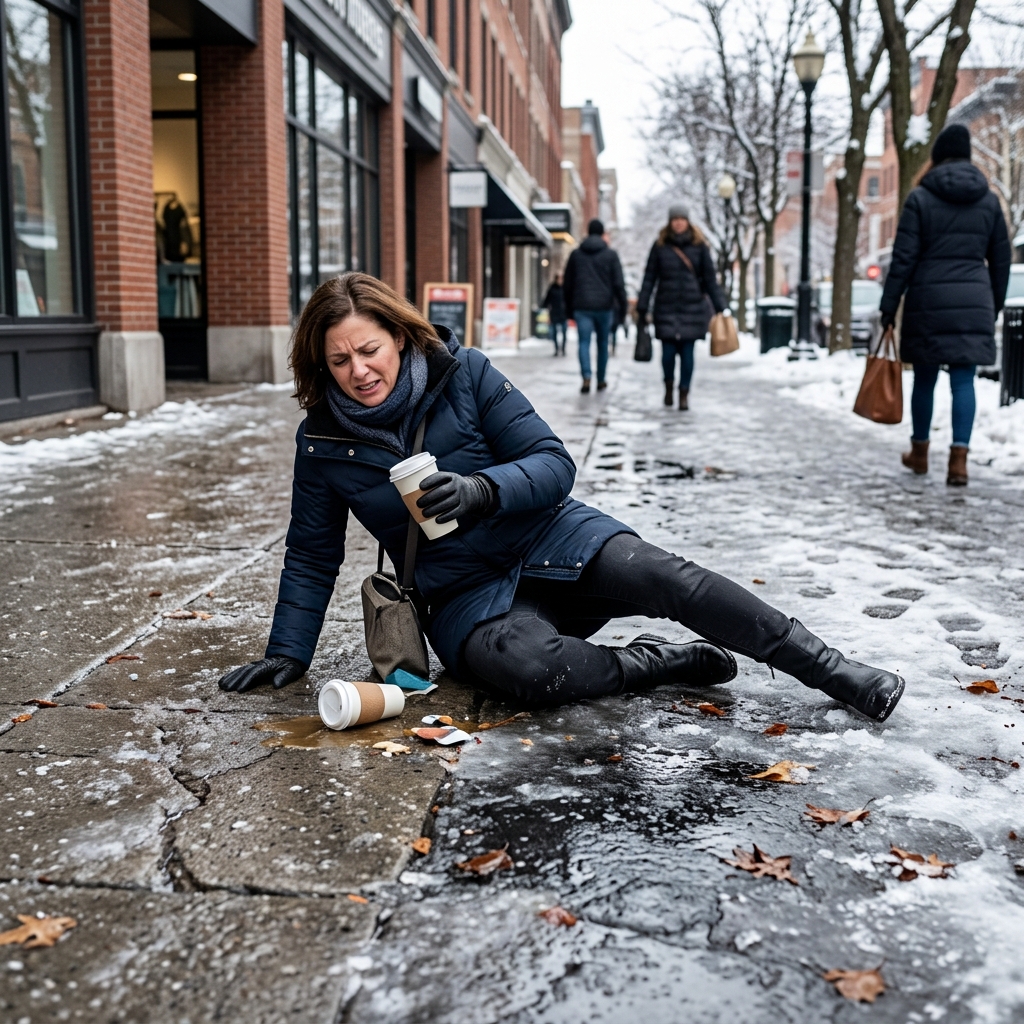
Outdoor slip and fall accidents are among the most common sources of injury on commercial and business properties, especially in areas open to customers, clients, and the general public. These incidents often arise from a mix of weather conditions, poor maintenance, and unsafe walking surfaces, and they can lead to significant legal and financial consequences for property owners and businesses. Understanding the typical hazards, how the law views these situations, and practical prevention measures is critical for anyone who manages or owns outdoor spaces.
Why Outdoor Slip and Falls Matter for Small Businesses
For small business owners, a single serious fall in a parking lot, on a sidewalk, or near an entrance can result in medical costs, lost income for the injured person, and potential claims for compensation. In many jurisdictions, these cases fall under premises liability, the area of law that determines when property owners are responsible for injuries caused by unsafe conditions on their land.
Outdoor areas present unique challenges compared to indoor spaces because they are exposed to changing weather, heavier vehicle traffic, and less controlled foot traffic. Sidewalks, curbs, ramps, and parking lots must be monitored and maintained with these risks in mind to reduce the likelihood of accidents and claims.
Common Outdoor Conditions That Lead to Falls
While every accident has its own facts, certain conditions appear again and again in outdoor slip and fall cases. Many are preventable with basic planning and maintenance.
1. Weather-Related Hazards
Outdoor walkways are directly affected by the weather. Rain, snow, and ice can quickly turn normal surfaces into dangerous slip zones if not properly managed.
- Rain and standing water: Puddles in parking lots, at curbs, or near drains can cause sudden loss of traction. Poor drainage, uneven asphalt, and clogged gutters worsen the problem.
- Snow and ice: Accumulated snow and refrozen meltwater create slick surfaces on sidewalks, steps, and ramps, especially at building entrances and in shaded areas.
- Freezing and thawing cycles: Repeated freezing and thawing can break down concrete or asphalt, leading to cracks, heaving, and uneven walking surfaces that both trip and slip pedestrians.
According to data cited by legal practitioners, a substantial proportion of outdoor slip and fall injuries involve sidewalks and parking lots, underscoring the importance of active maintenance in these spaces.
2. Surface Defects and Poor Maintenance
Even in dry weather, the physical condition of the walking surface plays a major role in fall risk. Uneven surfaces and poor upkeep are a frequent cause of accidents.
- Cracked or broken pavement: Holes, broken slabs, and abrupt changes in height can cause tripping and loss of balance.
- Loose gravel or debris: Gravel, sand, and construction fragments reduce footwear traction and create instability.
- Transitions between surfaces: Changes from asphalt to concrete, mats to bare flooring, or ramps to sidewalks can create unexpected edges or slippery zones if not clearly marked.
Falls linked to neglected maintenance often raise questions about whether the business had a reasonable opportunity to discover and fix the problem before the incident occurred.
3. Contamination and Temporary Hazards
Not all hazards are structural. Many outdoor slip and falls involve temporary conditions that appear quickly and may disappear just as fast.
- Wet or decaying leaves: Fallen leaves can hide defects and become slick when wet or decomposing.
- Spills and leaks: Liquid leaks from vehicles, outdoor equipment, or hoses can pool on surfaces, creating slip risks.
- Mud and tracked-in debris: Mud from lawns or construction sites, especially on sloped areas and shortcuts, can dramatically reduce traction.
Outdoor contamination issues often overlap with landscaping and site design, making coordination between property maintenance and safety planning essential.
4. Lighting Problems and Visibility
Good lighting is crucial for people to see changes in elevation, obstacles, and wet surfaces. Poor illumination is regularly cited as a contributing factor in slip and fall claims.
- Insufficient lighting at entrances: Dim light near doors and steps makes it harder to spot wet mats, ice patches, or uneven thresholds.
- Poorly lit parking lots: Large outdoor areas often have burned-out or poorly placed lights, creating dark spots that conceal hazards.
- Glare and contrast issues: Extremely bright lights can cause glare and shadow patterns that hide surface defects.
Outdoor lighting must account for seasonal changes and daylight hours to ensure walkways remain safe throughout business operations.
5. Entrances, Ramps, and Stairs
Transitional areas between outdoors and indoors are very common locations for falls. The combination of foot traffic, weather exposure, and changing surfaces increases risk.
- Entrance mats and coverings: Saturated mats can become slippery, and curled edges can cause tripping if not secured.
- Ramps and sloped walkways: Slopes magnify the effects of water, ice, and contaminants, making proper traction and drainage critical.[10]
- Exterior stairs: Outdoor staircases require sturdy handrails, non-slip treads, and regular clearing of ice and debris to remain safe.
Building entrances are frequently highlighted in workplace safety guidance because they concentrate risk at the point where people transition from outdoor conditions into the building.
Legal Duty of Property Owners and Businesses
While specific rules differ by jurisdiction, most premises liability systems focus on whether a property owner or occupier exercised reasonable care to keep outdoor areas safe for people who are lawfully on the property.
Key Concepts in Premises Liability
| Legal Concept | Typical Meaning |
|---|---|
| Duty of care | The obligation to take reasonable steps to prevent foreseeable harm to visitors using outdoor areas. |
| Foreseeable hazard | A condition that a reasonably attentive owner could anticipate (for example, ice forming on a frequently used walkway in winter). |
| Actual or constructive notice | Whether the owner knew or should have known about the hazard, through inspection, complaints, or the passage of time. |
| Reasonable response | Actions such as timely removal, repairs, warning signs, or barriers taken to address known risks. |
Typical Owner Responsibilities Outdoors
Courts and regulators often look at whether businesses implemented practical measures tailored to the site and climate. Examples of reasonable steps include:
- Inspecting sidewalks, parking lots, and entrances at reasonable intervals.
- Clearing snow, ice, and wet leaves within a reasonable time and using de-icing or grit where appropriate.
- Maintaining drainage to reduce puddles and water accumulation.
- Providing adequate outdoor lighting and promptly replacing burned-out bulbs.
- Installing and maintaining handrails, guardrails, and non-slip surfaces on stairs and ramps.[10]
- Using warning signs or barriers to alert visitors when hazards cannot be immediately removed.
Failure to take such steps may be used as evidence that the property owner did not act with reasonable care when a slip and fall occurs.
Practical Prevention Strategies for Outdoor Areas
Prevention is generally more cost-effective than dealing with injuries and claims. Many safety improvements are simple and can be integrated into regular maintenance routines.
Routine Inspections and Hazard Mapping
Regular inspections help owners discover hazards before they cause injuries. A structured approach might include:
- Walking all main routes used by customers, employees, and deliveries at different times of day.
- Recording defects such as cracks, potholes, uneven surfaces, and pooling water.
- Prioritizing repair work based on risk, focusing on entrances, stairs, ramps, and high-traffic walkways.
- Involving staff by encouraging them to report observed hazards promptly.
Weather Management Plans
Because weather hazards are predictable by season, businesses can plan in advance.
- Monitoring local forecasts during winter and scheduling snow removal and de-icing before opening hours.
- Designating specific staff or contractors responsible for treating icy or snow-covered areas.
- Installing canopies or awnings over entrances to reduce rain and snow accumulation.
- Providing absorbent, slip-resistant entrance mats and replacing them when worn or saturated.
Lighting and Signage Improvements
Simple upgrades to lighting and signage significantly reduce outdoor fall risk.
- Adding light fixtures along walkways, in parking lots, and near stairwells to ensure consistent visibility.
- Reviewing nighttime lighting with a walk-through to identify shadowed or overly bright areas.
- Using clear, weather-resistant signs to warn of slippery conditions or ongoing maintenance work.
Surface Design and Materials
Where possible, designing safer surfaces lowers the chance of future accidents.
- Choosing slip-resistant materials for ramps, stairs, and entrance zones.
- Ensuring slopes are gentle and incorporate drainage features to limit water pooling.[10]
- Installing handrails along exterior stairs and elevated walkways, and maintaining them regularly.
Responding After an Outdoor Slip and Fall Incident
When a fall occurs, the immediate focus should be on safety and medical care. How a business responds can also affect later legal disputes.
Immediate Steps
- Assist the injured person and arrange medical evaluation if needed.
- Secure the area to prevent additional accidents, for example by placing temporary warning signs or cordoning off dangerous sections.
- Document the incident with photos or videos of the location, surface condition, and nearby features such as drains, lights, or signs.
- Record the time, weather conditions, and any witness contact information.
Follow-Up Considerations
Businesses may benefit from reviewing their practices after an incident:
- Investigating whether inspections or maintenance could be improved.
- Updating written procedures for weather response, lighting checks, and defect repair.
- Consulting legal counsel or insurance representatives about reporting requirements and potential liability.
Frequently Asked Questions About Outdoor Slip and Fall Hazards
What are the most common locations for outdoor slip and fall accidents?
Many outdoor slip and fall incidents occur on sidewalks, parking lots, exterior stairs, ramps, and building entrances, where weather exposure and foot traffic combine to create recurring hazards.
Does a property owner always bear responsibility when someone falls?
Not necessarily. Liability typically depends on whether the owner had a duty of care, knew or should have known about the hazard, and failed to take reasonable steps to fix or warn about it. Courts may also consider the behavior of the person who fell, including whether they ignored visible warnings or took unreasonable risks.
How can small businesses reduce the risk of outdoor slip and fall claims?
Small businesses can lower risk by implementing regular inspections, maintaining surfaces and drainage, managing snow and ice promptly, improving lighting, and using non-slip materials and handrails on stairs and ramps. Keeping written records of maintenance and hazard responses can also be helpful if a claim arises.
Do weather conditions change the legal duties of property owners?
Weather does not remove the duty of reasonable care, but it influences what precautions are considered reasonable. For example, in icy climates, courts may expect owners to plan for snow removal and de-icing, use warning signs, and monitor conditions during freezing temperatures.
Are outdoor slip and fall accidents treated differently from indoor ones?
The underlying legal principles are similar, but outdoor cases often focus more on weather exposure, surface design, and long-term maintenance of pavement and drainage. Indoor cases may emphasize cleaning practices, spills, and floor materials. For businesses with both indoor and outdoor spaces, a comprehensive safety approach should address both environments.
References
- Workplace Safety: Outdoor Slip and Fall Hazards — MI MRL Fund. 2018-11-09. https://www.mrlfund.org/news/workplace-safety-outdoor-slip-and-fall-hazards
- How Weather Contributes to Slip and Fall Cases: Causes, Injuries and Prevention Tips — Jason P. Ward Injury Law. 2023-01-05. https://jpward.com/how-weather-contributes-to-slip-and-fall-cases-causes-injuries-and-prevention-tips/
- Common Causes of Slip and Fall Accidents — NST Law. 2022-07-14. https://www.nstlaw.com/faqs/common-causes-slip-and-fall-accidents/
- Eight Common Causes of Slip and Fall Accidents — Howard Injury Law. 2021-09-10. https://www.howardinjurylaw.com/eight-common-causes-of-slip-and-fall-accidents/
- The Most Common Causes of Slip and Fall Accidents: How to Stay Safe — Lamber Goodnow Injury Lawyers. 2020-03-18. https://lambergoodnow.com/hub/the-most-common-causes-of-slip-and-fall-accidents/
- 7 Common Causes of Slip and Fall Injuries — SiebenCarey. 2019-02-26. https://www.knowyourrights.com/blog/common-causes-of-slip-and-fall-accidents/
- Top Causes of Slip & Fall Accidents — Nichols Lang & Hamlin, LLC. 2025-01-08. https://www.nlhlawyers.com/blog/2025/january/top-causes-of-slip-fall-accidents/
Similar Articles








Read full bio of medha deb




