
Do You Need a Lawyer for an Ohio Workers’ Comp Claim?
Understand when an Ohio workers’ compensation lawyer is essential, how the process works, and what to expect before and after you file a claim.
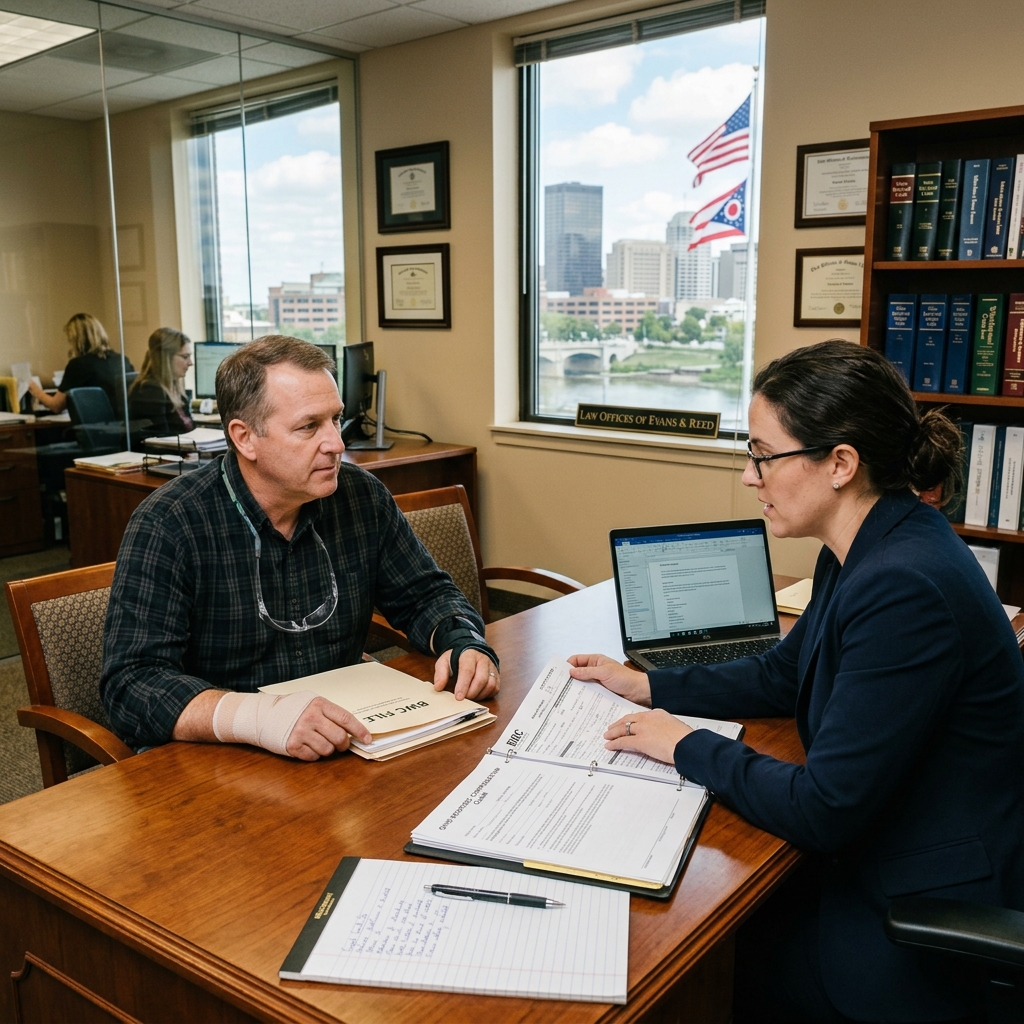
Getting hurt at work can throw your income, health, and family life into immediate uncertainty. Ohio’s workers’ compensation system is designed to provide medical treatment and wage replacement without having to prove that your employer was at fault, but the process is not always simple.[10] Many injured workers wonder: Should I hire a lawyer, or can I handle my claim on my own?
This guide explains how Ohio’s workers’ compensation system works, when legal representation is particularly important, what a lawyer actually does in these cases, and practical steps you can take to protect your rights from day one.
Understanding Ohio’s Workers’ Compensation System
Ohio operates a statewide workers’ compensation system administered by the Ohio Bureau of Workers’ Compensation (BWC).[10] Most employers either obtain coverage through the state fund or are certified as self-insured, but in both situations, employees generally must use the workers’ compensation process rather than filing an ordinary personal injury lawsuit against their employer.
What Workers’ Compensation Is Designed to Provide
Ohio workers’ compensation is meant to cover work-related injuries and occupational diseases that arise out of and in the course of employment.[10] Typical benefits may include:
- Payment of medical expenses reasonably related to the allowed conditions
- Temporary wage replacement if you are off work and lose income
- Compensation for permanent impairment or loss of earning capacity
- Vocational rehabilitation to help you return to work if possible
- Death benefits for certain dependents if a worker dies from a covered injury or disease
While the system is no-fault, disputes often arise about whether an injury is work-related, which medical conditions should be recognized, how long you can receive benefits, or whether you must return to work.
Key Players in an Ohio Work Comp Case
| Participant | Role in the Process |
|---|---|
| Injured Worker | Reports the injury, seeks treatment, provides information, and participates in hearings. |
| Employer | Reports injuries, cooperates with BWC, may contest the claim or certain benefits. |
| Ohio Bureau of Workers’ Compensation (BWC) | Administers state-fund claims, processes forms, makes initial benefit decisions, and offers resources to workers and employers.[10] |
| Industrial Commission of Ohio | Conducts hearings on disputed issues and rules on contested claims and benefits. |
| Medical Providers | Diagnose conditions, provide treatment, and submit medical reports used to decide your claim. |
| Attorneys | Represent injured workers or employers, prepare evidence, negotiate, and argue cases at hearings. |
Basic Steps in an Ohio Workers’ Comp Claim
While every case is unique, most Ohio claims follow a similar sequence. Understanding this timeline helps you see where legal help may be critical.
1. Immediate Actions After a Work Injury
- Get medical care right away. Your health comes first. Mention that your injury happened at work so it is documented correctly.
- Notify your employer promptly. Report the injury in writing if possible and keep a copy for your records.
- Record details while they are fresh. Note when, where, and how the injury happened, who witnessed it, and what tasks you were performing.
These early steps create the foundation of your claim and can prevent disputes later about whether the injury is truly work-related.
2. Filing the First Report of Injury (FROI)
To officially start an Ohio workers’ compensation claim, a First Report of Injury (FROI) must be filed with the BWC.[10] This can be submitted by:
- You (the injured worker)
- Your employer
- Your medical provider
- A legal representative
The FROI captures critical information such as your employer, your job duties, the injury description, and the body parts affected. Mistakes or omissions at this stage may limit what conditions are recognized later, which is one reason some workers consult an attorney even for the initial filing.
3. Initial BWC Decision and Possible Appeals
After the claim is filed, the BWC reviews the information, may request additional records, and issues an order either allowing or denying the claim or specific conditions.[10] If you or your employer disagree with the BWC’s decision, you can appeal to the Industrial Commission within strict deadlines.
Appeals can involve written arguments, medical reports, and a hearing before a hearing officer. Having a lawyer at this stage can substantially affect the outcome because the process becomes more adversarial and technical.
Do You Always Need a Lawyer?
Not every workers’ compensation claim requires legal representation. Some straightforward cases may proceed smoothly. However, hidden pitfalls can still cause problems, especially when injuries are serious or long-lasting.
Situations Where Handling It Yourself Might Be Reasonable
You may consider proceeding without a lawyer if:
- The injury is minor and clearly work-related (for example, a simple cut requiring minimal treatment).
- You miss little or no time from work and do not expect permanent limitations.
- Your employer does not dispute that the injury occurred in the course of your job.
- The BWC has accepted all relevant conditions and your bills are being paid.
Even in these situations, it can be wise to at least consult an attorney for a quick evaluation to make sure no issues are being overlooked, especially if you later develop complications.
Warning Signs That You Should Talk to a Lawyer
Consider seeking legal help immediately if any of the following apply:
- Your claim has been denied or only partially allowed.
- The BWC or your employer is disputing whether your injury is work-related.
- Your doctor believes you have a permanent impairment or long-term work restrictions.
- You are being pressured to return to work before you feel medically ready.
- You suspect that your employer is misclassifying you or has no valid workers’ compensation coverage.
- You are being offered a settlement and do not know whether it is fair.
- You also have a potential third-party claim (for example, against another driver in a work-related car crash).
In these circumstances, an attorney’s job is not just to fill out forms. They can analyze the long-term value of your claim, gather persuasive medical evidence, and navigate hearings and negotiations on your behalf.
What an Ohio Workers’ Comp Lawyer Actually Does
Workers’ compensation is a specialized field. Lawyers who focus on this area understand the BWC’s rules, Industrial Commission procedures, and how medical evidence is evaluated. Their work typically includes the tasks below.
Evaluating Your Claim and Strategy
At an initial consultation, a lawyer may:
- Review the circumstances of your injury and your medical records
- Determine whether all relevant body parts and conditions have been captured in the claim
- Explain what benefits you may be entitled to under Ohio law
- Identify deadlines, appeal opportunities, and strategic options
Solving strategy early can prevent missteps that are difficult to fix later, such as missing appeal deadlines or failing to request recognition of additional medical conditions.
Managing Documents and Evidence
Workers’ compensation cases tend to generate substantial paperwork. A lawyer and their staff can help:
- Prepare and file claim forms and motions with the BWC and Industrial Commission
- Request and organize medical records from all providers
- Coordinate independent medical examinations (IMEs) or expert opinions
- Gather witness statements and employment records that support your version of events
Because the BWC and Industrial Commission decisions often turn on written evidence, attention to detail in documentation is crucial.
Representing You in Hearings and Negotiations
If your case goes to a hearing, your lawyer can:
- Present your case to an Industrial Commission hearing officer
- Argue why your conditions should be allowed or why benefits should continue
- Cross-examine opposing witnesses or challenge unfavorable medical reports
- Negotiate with the employer or insurer on settlement proposals
Attorneys familiar with the Ohio system often handle hearings regularly and understand what types of evidence are most persuasive and which arguments align with existing case law and agency practice.
Advising You on Return-to-Work and Long-Term Planning
Beyond the immediate claim, a workers’ compensation attorney may counsel you on:
- How accepting certain jobs or modified duties could affect your benefits
- Whether to apply for Social Security Disability Insurance (SSDI) in severe cases
- How a lump-sum settlement might impact future medical coverage or other benefits
- Coordinating a workers’ compensation claim with other legal matters, such as third-party lawsuits
These long-term decisions can dramatically influence your financial stability and access to medical care.
Cost of Hiring a Workers’ Comp Lawyer in Ohio
Many injured workers worry about whether they can afford an attorney. In practice, most workers’ compensation lawyers in Ohio are paid on a contingency fee basis, meaning their fee is typically a percentage of the compensation they recover for you. Fee arrangements may require approval by the Industrial Commission or court, and you should review any fee agreement carefully before signing.
This structure helps workers with limited resources obtain representation, because they usually do not pay attorney fees upfront. However, you may remain responsible for certain case expenses, such as obtaining medical records or paying for expert reports. Always ask the lawyer to explain how fees and costs will be handled in your specific case.
Common Mistakes That Hurt Workers’ Comp Claims
Whether or not you hire an attorney, avoiding frequent errors can protect your rights and improve the strength of your claim.
Delaying Reporting or Filing
Waiting too long to report an injury to your employer or to file the FROI can raise doubts about whether the injury is genuinely work-related. While Ohio law sets specific time limits for filing claims, practical delays can also weaken your case by making evidence harder to obtain.
Not Following Medical Advice
If you miss appointments, ignore restrictions, or stop treatment prematurely, the BWC or your employer can argue that your ongoing problems are not related to the work injury or that you are not doing your part to recover. Consistent medical care creates a clear record that links your symptoms to the workplace event.
Downplaying or Exaggerating Symptoms
Being honest with your medical providers is essential. If you minimize your symptoms, your medical records may not fully reflect the impact of your injury. On the other hand, if the records suggest exaggeration or inconsistencies, your credibility—and therefore your claim—can suffer.
Signing Forms Without Understanding Them
Some forms can affect which conditions are recognized, how wages are calculated, or whether you are releasing potential claims. Before signing documents that you do not fully understand, consider asking questions or consulting with a lawyer, especially if a settlement or final resolution is involved.
How to Choose the Right Ohio Workers’ Comp Attorney
If you decide to seek representation, selecting an attorney who regularly handles workers’ compensation cases in Ohio is important. Some law firms focus significantly on this area of practice and are familiar with the procedures and decision-makers at the BWC and Industrial Commission.
Key Factors to Consider
- Experience in workers’ compensation: Ask how much of the lawyer’s practice is dedicated to these cases and how many similar claims they have handled.
- Local familiarity: Attorneys who regularly practice in Ohio’s workers’ compensation system better understand local practices, typical timelines, and common issues.
- Communication style: You should feel comfortable asking questions and receiving clear explanations about your case.
- Fee structure: Make sure you know when and how the lawyer will be paid, and what costs you may be responsible for.
- Client reviews or referrals: Feedback from other injured workers can provide insight into how the lawyer handles cases and treats clients.
Practical Steps You Can Take Today
If you have been injured at work in Ohio and are unsure about your next move, consider the checklist below. These actions can help protect your claim whether or not you ultimately hire a lawyer.
- Make sure the injury has been documented by both your employer and a medical provider.
- Obtain copies of your incident report, FROI, and relevant medical records.
- Keep a personal log of your symptoms, work status, and any conversations with your employer or claims representative.
- Review your mail and electronic communications for any notices from the BWC or Industrial Commission and note deadlines.
- Schedule a free or low-cost consultation with an experienced Ohio workers’ compensation attorney if you have concerns about denial, reduced benefits, or long-term consequences.
Frequently Asked Questions About Ohio Workers’ Comp Lawyers
Do I have to hire a lawyer to file a workers’ comp claim in Ohio?
No. You are not required to have a lawyer to file a claim with the Ohio Bureau of Workers’ Compensation. Many workers file the initial FROI themselves or with help from their employer or medical provider.[10] However, if your claim is contested, denied, or involves complex medical issues, consulting an attorney can help protect your rights.
Can I change lawyers if I am not satisfied?
In Ohio, injured workers typically may change legal representatives, although doing so can have implications for fee arrangements. If you are considering changing attorneys, review your existing fee agreement and talk to prospective new counsel about how fees will be divided or handled.
Will hiring a lawyer make my employer angry?
Some workers worry that involving a lawyer will damage their relationship with their employer. In reality, many employers understand that the workers’ compensation system is complex and that workers may seek advice. Retaliation for filing a workers’ compensation claim can raise separate legal issues, and you should discuss any concerns about retaliation with your attorney.
How long does an Ohio workers’ comp case usually take?
Timelines vary widely depending on the nature of the injury, whether the claim is disputed, and if appeals are filed. Some straightforward claims may be resolved quickly, while others involving serious injuries, ongoing medical treatment, or multiple hearings can last months or years. The BWC and Industrial Commission provide procedural frameworks and scheduling, but each case is different.[10]
Can I pursue a separate lawsuit in addition to workers’ compensation?
Workers’ compensation is usually the exclusive remedy against your employer for work-related injuries. However, in some cases you may have a third-party claim against another person or company whose negligence contributed to your injuries (for example, a negligent driver in a work-related car accident). These claims are separate from workers’ compensation and often require additional legal analysis.
References
- The Ohio Bureau of Workers’ Compensation — Ohio Bureau of Workers’ Compensation. 2024-01-01. https://www.bwc.ohio.gov/
- Workers’ Compensation Section — Ohio Attorney General. 2023-06-01. https://www.ohioattorneygeneral.gov/About-AG/Service-Divisions/Workers-Compensation
- Find a Workers’ Compensation Lawyer in Ohio — Justia. 2024-01-01. https://www.justia.com/lawyers/workers-compensation/ohio
- Philip J. Fulton Law Office: Ohio Workers’ Compensation — Philip J. Fulton Law Office. 2024-01-01. https://www.ohiocompensationlawyer.com/
- Workers’ Compensation Practice Overview — Reminger Co., LPA. 2023-01-01. https://www.reminger.com/practices-Workers-Compensation
Similar Articles








Read full bio of medha deb




