
Not at Fault and Your Car Is Totaled: A Practical Guide
Learn what it means when your car is totaled, how insurance pays, and the steps to protect your financial and legal rights after a crash.
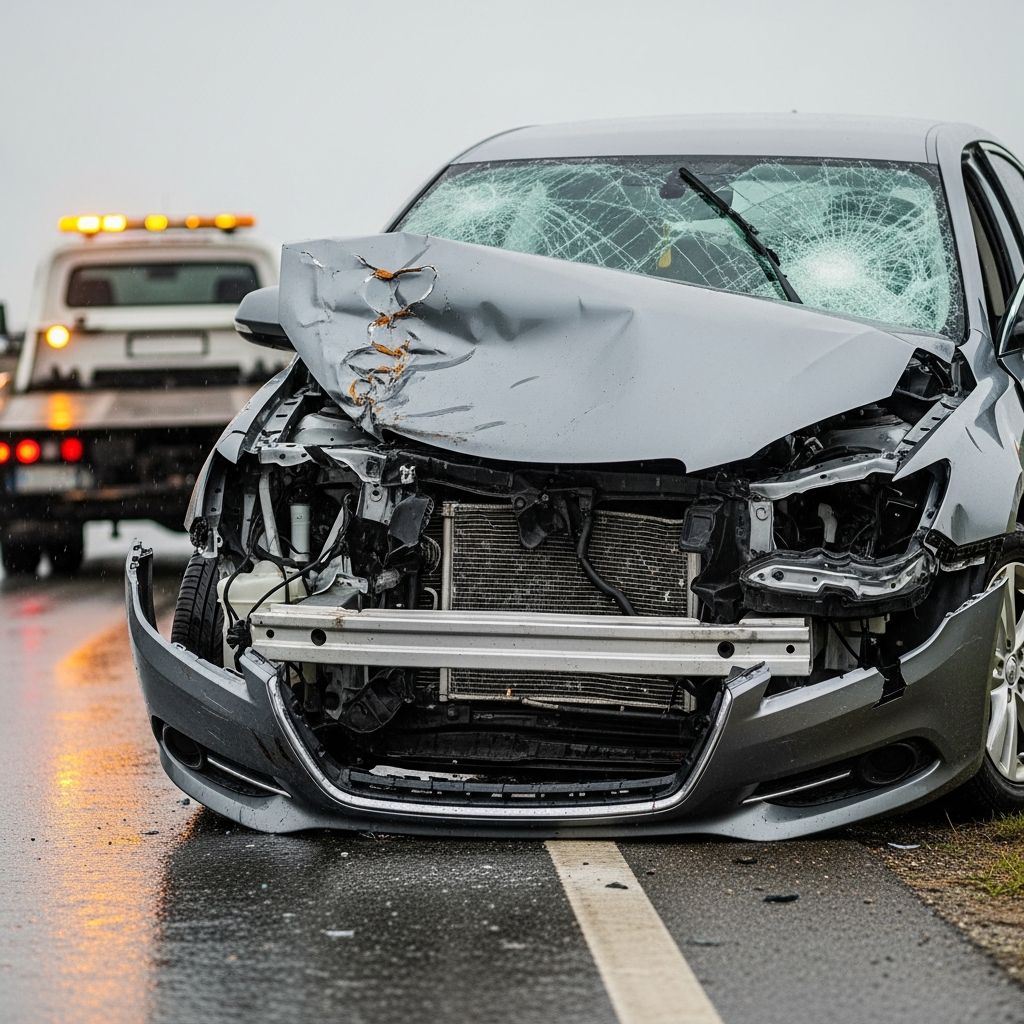
Discovering that your car is a total loss after a crash is stressful enough. When you are not at fault, you also have to navigate insurance rules, property damage claims, and the question of how you will replace your vehicle. This guide explains what a total loss means, how insurers calculate value, and what steps to take to protect your financial and legal interests.
Understanding What “Totaled” Really Means
Insurers use the term total loss when it is no longer economical or safe to repair a vehicle. It does not simply mean the car looks badly damaged; it is a financial and safety calculation driven by state rules and company practices.
Common criteria for declaring a total loss
While the details vary by state and insurer, a car is typically considered totaled when one or more of the following apply:
- Estimated repair costs are greater than the vehicle’s current market value.
- Repair costs exceed a set percentage of the vehicle’s value (often 60–80%, depending on the state).
- The damage is so severe that the vehicle cannot be repaired to meet safety standards.
- The damage meets specific total loss formulas or guidelines established by state law.
Many states use a statutory threshold (for example, 70% or 75% of value), while others direct insurers to use a total loss formula that compares repair plus salvage value to pre-loss market value.
Key terms you will hear
| Term | What it means |
|---|---|
| Actual Cash Value (ACV) | The fair market value of your car immediately before the crash, accounting for age, mileage, condition, and local sale prices. |
| Salvage value | The amount an insurer can expect to receive by selling your damaged car for parts or scrap. |
| Total Loss Threshold | A percentage of ACV at which state law or company policy requires the car to be declared a total loss. |
| Property Damage Liability | Covers damage an at-fault driver causes to other vehicles or property; this is typically the coverage that pays when you are not at fault. |
Who Pays When You Are Not at Fault?
In most states that use a fault-based system, the driver who caused the crash (through negligence or a traffic violation) is responsible for the resulting property damage. Their insurer is usually the first place to turn for payment.
Primary payment source: the at-fault driver’s insurer
When the other driver is legally responsible, their property damage liability coverage generally pays for the ACV of your totaled car, up to their policy limit.
- The insurer will investigate fault, review police reports, and interview drivers and witnesses.
- If they accept liability, they calculate your car’s value and offer a settlement.
- Payment is typically made to you, your lender (if the car is financed), or both.
When your own insurance may step in
Even when you are not at fault, your own coverages may come into play in several situations:
- Uninsured or underinsured at-fault driver: If the responsible driver has no insurance or too little, your collision or uninsured/underinsured motorist property damage coverage may apply.
- Dispute about fault: Your own insurer may handle the claim under collision coverage and then seek reimbursement (subrogation) from the other insurer later.
- Urgency: Using your collision coverage can sometimes lead to faster payment, though you may initially owe your deductible.
If your insurer later recovers money from the at-fault driver’s company, it may reimburse some or all of your deductible, depending on the recovery amount and state rules.
How Insurers Decide What Your Totaled Car Is Worth
What insurers pay you is usually tied to ACV, not what you paid for the car and not necessarily what you still owe on a loan. That gap often surprises vehicle owners.
Factors that go into the valuation
Insurers typically look at a blend of objective and condition-based data to determine ACV:
- Year, make, and model of the vehicle.
- Mileage at the time of the crash.
- Overall condition and any prior damage.
- Installed features, trim level, and packages.
- Local market prices for similar vehicles recently sold in your area.
Some insurers use third-party valuation services that compile regional sale data, dealer listings, and condition adjustments to produce a market value estimate.
Common deductions and adjustments
- Deductible: If you are using your own collision or comprehensive coverage, your deductible is subtracted from the payout.
- Salvage retention: If you choose to keep the totaled car, the insurer usually deducts its salvage value from your settlement.
- Previous damage: Pre-existing body damage or mechanical issues can reduce ACV.
How ACV compares to other value concepts
| Value Type | What it represents | Used for totaled claims? |
|---|---|---|
| Actual Cash Value (ACV) | Current market value just before the loss, minus depreciation. | Yes, this is the standard approach. |
| Replacement Cost | What it would cost to buy a comparable replacement vehicle now. | Only if you have special replacement cost or new car replacement coverage. |
| Loan/Lease Balance | What you still owe on financing or a lease. | No, unless you have gap coverage that bridges ACV and loan balance. |
Step-by-Step Actions After Your Car Is Totaled
After the crash, clear steps can help you preserve evidence, support your claim, and position yourself for a fair outcome.
1. Prioritize safety and documentation at the scene
- Seek medical attention for any injuries.
- Call law enforcement and request a crash report; this often plays a key role in determining fault.
- Exchange insurance and contact information with all involved drivers.
- Take photos or video of vehicle positions, visible damage, skid marks, road conditions, and traffic signs.
- Get names and contact information for witnesses, if possible.
2. Notify insurers promptly
- Contact the at-fault driver’s insurer to open a property damage claim.
- Notify your own insurer, even if you expect the other company to pay. Many policies require timely notice of any crash.
- Provide basic facts, but avoid speculating about fault or injuries before you have a clear picture.
3. Cooperate with the total loss evaluation
The insurer will likely send an adjuster or arrange an inspection at a repair facility or salvage yard.
- Make sure the vehicle is accessible for inspection.
- Provide maintenance records and receipts for major recent work, such as new tires or a transmission replacement.
- Ask for a copy of the valuation report showing comparable vehicles used to calculate ACV.
4. Review and, if necessary, challenge the settlement offer
You do not have to accept the first number the insurer gives you. To evaluate whether the offer is fair:
- Research local sale prices for similar vehicles (same year, trim, mileage, and condition).
- Compare your findings to the insurer’s listed comparable vehicles.
- Point out any inaccuracies, such as older models, higher mileage, or missing options.
- Provide written evidence (printouts or screenshots) to support your requested adjustment.
If you reach an impasse, some states allow you to use appraisal, mediation, or other dispute-resolution processes; check with your state insurance regulator for options.
What If You Still Owe Money on the Car?
When a financed or leased car is totaled, the insurance payout usually goes first to the lender or leasing company to satisfy the outstanding balance.
Possible gaps between payout and loan balance
Because vehicles often depreciate faster than loans are paid down, you might owe more on the loan than the ACV payout will cover:
- If ACV < loan balance, you may still owe your lender the difference.
- If ACV > loan balance, any remaining funds typically go to you.
Gap coverage (offered by lenders, dealers, and some insurers) is designed to cover the difference between the ACV payout and what you still owe, reducing the risk of being left with a balance on a car you can no longer drive.
Keeping the Car vs. Letting It Go
You may have the option to retain salvage—to keep the totaled vehicle instead of allowing the insurer to take it.
Considering salvage retention
- If you keep the car, the insurer usually deducts the estimated salvage value from your settlement.
- In many states, you must apply for a salvage title or a similar branded title, which can affect future registration and resale options.
- Some lenders prohibit borrowers from keeping a totaled vehicle while a loan balance remains.
This option may appeal to people who can repair the car cheaply or use parts, but it is important to understand the long-term implications for safety, insurability, and market value.
Protecting Your Legal Rights as a Not-at-Fault Driver
Beyond the property damage claim, you may have broader legal rights if the other driver’s negligence caused the crash. These can include claims for lost use of your car, diminished value, and personal injury.
Additional losses you may be able to claim
- Loss of use: Reasonable rental car costs or alternative transportation expenses while your vehicle is being evaluated or until you receive a settlement, depending on state law.
- Personal property damage: Items inside the vehicle that were damaged in the crash (such as child seats, electronics, or work equipment).
- Bodily injury: Medical expenses, lost income, and other damages if you were physically injured, usually handled under a separate bodily injury claim.
When to consider speaking with a lawyer
Consulting an attorney with experience in vehicle accident and insurance law can be helpful when:
- Liability is disputed and you believe the other driver is clearly at fault.
- The insurer is significantly undervaluing your vehicle or delaying payment.
- You have serious injuries in addition to a totaled vehicle.
- You have complicated issues such as multiple vehicles, commercial use, or business losses.
State bar associations and legal aid organizations can often refer you to lawyers or, in some cases, offer limited free advice to help you understand your options.
Practical Tips to Prepare for a Potential Total Loss
While no one plans to have their vehicle totaled, you can reduce financial stress by planning ahead with your insurance and documentation.
Policy review suggestions
- Confirm that your property damage liability limits are high enough to protect your assets if you are ever at fault.
- Consider collision and comprehensive coverage if your vehicle is relatively new or would be expensive for you to replace out of pocket.
- Ask your insurer about new car replacement, enhanced replacement, or gap coverage if you have a newer or financed vehicle.
- Keep your insurer updated about major upgrades that may affect your car’s value.
Record-keeping habits that help
- Save purchase documents, loan or lease agreements, and title information.
- Keep receipts for significant repairs, new tires, and aftermarket additions.
- Periodically document your vehicle’s condition with photos.
Frequently Asked Questions (FAQs)
Q: Do I have to use the at-fault driver’s insurance if my car is totaled?
You are generally free to file through the at-fault driver’s insurer, your own insurer, or both. If you use your collision coverage, your company may pursue reimbursement from the at-fault carrier later and may refund some or all of your deductible if they recover it.
Q: Can I get more than the insurer’s first offer on my totaled car?
Yes. If you believe the offer is low, you can provide evidence of higher local market prices for similar vehicles, documentation of recent upgrades, and corrections to any errors in the insurer’s valuation report. Some states offer formal appraisal or mediation processes if negotiations stall.
Q: Will the insurance payout cover my entire car loan?
Not necessarily. The payout is usually limited to ACV, which might be less than your remaining loan balance. Gap coverage can help pay the difference between ACV and your loan or lease; without it, you may still owe money even after the car is totaled.
Q: Am I entitled to a rental car if my vehicle is totaled?
Coverage for a rental car depends on policy language and state law. Your own policy may include rental reimbursement coverage, and the at-fault driver’s insurer may owe you reasonable loss-of-use compensation during a reasonable settlement period in some jurisdictions.
Q: What happens to my license plates and registration after a total loss?
Procedures vary by state. You may be required to surrender plates to the motor vehicle agency, transfer them to a replacement vehicle, or follow specific steps when a salvage or branded title is issued. Your state motor vehicle department or insurance regulator can explain local rules.
References
- What happens after your car gets totaled — Washington Office of the Insurance Commissioner. 2023-02-15. https://www.insurance.wa.gov/insurance-resources/auto-insurance/auto-insurance-claims/what-happens-after-your-car-gets-totaled
- Learn About The Total Loss Process — GEICO. 2024-01-01 (accessed policy guidance). https://www.geico.com/claims/claimsprocess/total-loss-process/
- Totaled Car: Everything You Need to Know — Kelley Blue Book. 2023-05-10. https://www.kbb.com/car-advice/totaled-car/
- Totaled Car: What Happens Next? — Allstate. 2023-08-01. https://www.allstate.com/resources/car-insurance/what-if-car-totaled
- What Happens When Your Car is Totaled? — Progressive. 2023-06-01. https://www.progressive.com/answers/what-happens-when-car-is-totaled/
- Am I Covered If My Car Is Totaled in an Accident? — Acuity Insurance. 2022-11-01. https://www.acuity.com/the-focus/auto/am-i-covered-if-my-car-is-totaled-in-an-accident
- What Happens if You Total a Financed Car? — Steven Titus & Associates, P.C. 2023-09-15. https://www.steventituslaw.com/blog/what-happens-if-you-total-a-financed-car/
Similar Articles








Read full bio of medha deb


