
North Carolina DWI Laws and Penalties Guide
Comprehensive guide to North Carolina DWI laws, penalties, levels, and defenses for drivers facing impairment charges.
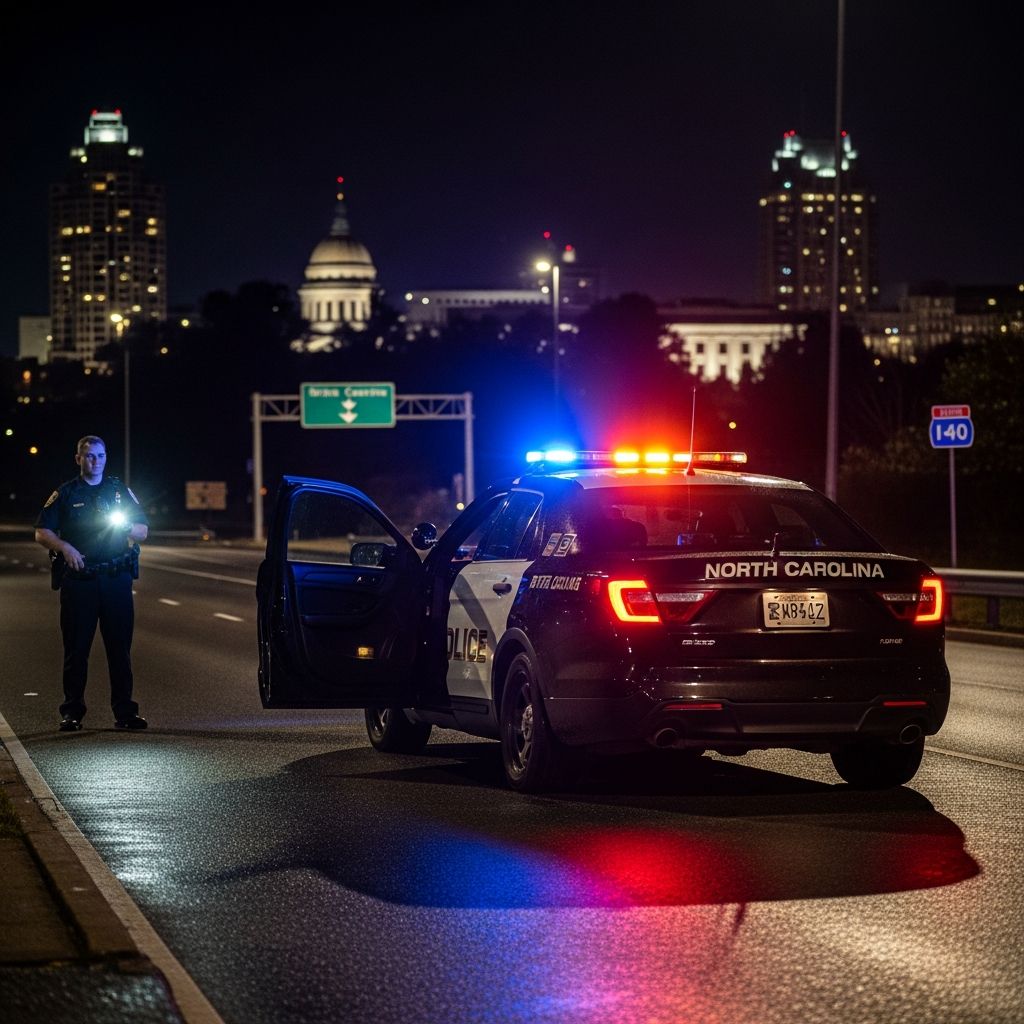
Driving while impaired (DWI) remains one of the most aggressively prosecuted offenses in North Carolina, with laws designed to deter impaired driving through severe consequences. North Carolina classifies DWI as operating a vehicle under the influence of alcohol, drugs, or impairing substances, even without a breath test confirming levels above the legal limit. The state maintains a zero-tolerance policy, particularly for younger drivers, and employs a tiered system of penalties based on impairment severity and prior offenses.
Understanding the Legal Definition of DWI in North Carolina
In North Carolina, DWI occurs when a person’s physical or mental faculties are appreciably impaired by an impairing substance while driving any vehicle on public roads or highways. Unlike some states that distinguish between DUI and DWI, North Carolina uses DWI uniformly for all impairment cases. Prosecutors can secure convictions based on officer observations, field sobriety tests, or chemical analysis results.
- BAC Thresholds: The legal blood alcohol concentration (BAC) limit stands at 0.08% for drivers aged 21 and over. Commercial drivers face a stricter 0.04% limit, while any detectable alcohol (0.01% or higher) triggers charges for those under 21.
- Drug Impairment: No specific threshold exists for drugs; impairment is proven through behavior, tests, or toxicology.
- Implied Consent: All licensed drivers consent to chemical testing upon arrest. Refusal results in automatic license revocation.
These rules apply statewide, enforced by local police, state troopers, and highway patrol, often during checkpoints or traffic stops.
BAC Limits and Testing Procedures
North Carolina’s BAC limits form the backbone of DWI enforcement. A reading of 0.08% or higher provides probable cause for arrest, but charges can proceed on impairment evidence alone. Testing includes breathalyzers at the scene and station, blood, or urine samples.
| Driver Category | BAC Limit | Consequences of Exceeding |
|---|---|---|
| Standard (21+) | 0.08% | Arrest, testing, potential Level I-V charges |
| Commercial | 0.04% | Immediate revocation, enhanced penalties |
| Under 21 | 0.01% | Zero tolerance, automatic suspension |
Refusal penalties are steep: 30 days immediate revocation, plus one year upon conviction. Officers may compel blood draws without warrants in exigent cases. Drivers can request independent tests post-arrest.
The Five Levels of DWI Penalties Explained
North Carolina structures DWI penalties into five levels, determined by gross impairment, BAC, prior convictions, and aggravating factors. Level V is the least severe; Level I the most.
- Level V (Mildest): Fine up to $200, 24-120 hours community service, 30-day suspension (eliminated in some cases), probation. No jail if no aggravators.
- Level IV: Fine up to $500, 48 hours to 120 days jail (suspendable), substance assessment.
- Level III: Fine up to $1,000, 4 days to 6 months jail, 60-day suspension.
- Level II: Fine up to $2,000, minimum 7 days jail (up to 12 months), treatment programs.
- Level I (Severe): Fine up to $4,000, 30 days to 24 months jail, ignition interlock, extended revocation.
Aggravating factors like BAC over 0.16%, child passengers, reckless driving, or accidents elevate levels. Mitigating factors, such as safe driving record, may lower them.
Immediate and Long-Term License Consequences
A DWI arrest triggers swift DMV action. Post-arrest, expect 30 days revocation if BAC ≥0.08% or refusal. Conviction adds 1- permanent suspension based on level and priors.
- First offense: 1-year suspension; limited privileges possible after 30 days with education completion.
- Repeat: 5-10 years or permanent revocation for habitual offenders.
- Conditions for reinstatement: Substance assessments, treatment, interlock devices, fees.
The NC DMV requires hearings for refusals, but convictions mandate compliance with court-ordered programs.
Aggravating and Mitigating Factors in Sentencing
Courts weigh 13 aggravating and 12 mitigating factors. Key aggravators include:
- BAC ≥0.16% or gross impairment.
- Prior DWI within 7 years.
- Child under 18 in vehicle.
- Serious injury or death caused.
Mitigators: Minor BAC excess, voluntary testing, no priors. Judges must explain level assignments on record.
Special Rules for Repeat and Habitual Offenders
Three or more DWIs in seven years constitute habitual impaired driving, a felony with minimum 12 months unsuspendable jail, permanent revocation, and vehicle forfeiture. Second offenses within 7 years jump to higher levels with enhanced fines and jail.
NC DHHS oversees required assessments and programs for all convictions.
Defenses and Legal Strategies for DWI Cases
Common defenses challenge probable cause, testing accuracy, or officer procedures. Strategies include:
- Suppressing breath tests due to calibration errors.
- Arguing rising BAC or medical conditions.
- Negotiating pleas to lesser charges like reckless driving.
- Challenging checkpoints or stops.
Experienced attorneys can secure limited licenses early and mitigate long-term impacts.
Additional Penalties: Fines, Programs, and Ignition Interlocks
Beyond jail and suspension, expect court costs ($200+), probation (up to 3 years), community service (24-200 hours), and mandatory education/treatment via NC DHHS-approved providers. Ignition interlocks are common for high-level or repeat cases, monitoring breath before starting the vehicle.
Recent Legislative Updates and 2026 Considerations
While core laws stem from 2006 reforms, ongoing bills like H108 (2025-2026) propose tweaks to related offenses. Trends show tighter enforcement, mirroring national pushes. Drivers should verify current statutes via official NC sources.
Frequently Asked Questions About North Carolina DWI
Does a first-time DWI always mean jail time?
No, Level V first offenses often avoid jail via probation and service, absent aggravators.
How long is a DWI on my record?
Forever for criminal history; DMV points last 7 years, affecting insurance.
Can I get driving privileges during suspension?
Yes, after 30 days for first offenses, with conditions like interlock and education.
What if I’m on prescription drugs?
Impairment from legal meds can still lead to DWI if faculties are affected.
Are checkpoints legal in NC?
Yes, with proper protocols for random stops.
References
- North Carolina DWI Laws and Penalties 2026 Explained — Law Smith. 2026. https://www.lawsmith.net/blog/north-carolina-dwi-laws-and-penalties/
- North Carolina DWI Laws — NCDD. 2026. https://www.ncdd.com/north-carolina-dwi-laws
- Traffic Ticket Lawyer NC: The Truth About 2026 DUI Penalties — Vasquez Law NC. 2026. https://www.vasquezlawnc.com/blog/traffic-ticket-lawyer-nc-truth-2026-dui-penalties
- North Carolina DUI Laws — Lassiter and Lassiter. 2026. https://www.lassiterandlassiter.com/blog/north-carolina-dui-laws/
- Bill Summaries: H108 (2025-2026 Session) — UNC School of Government. 2025. https://lrs.sog.unc.edu/bill-summaries-lookup/H/108/2025-2026%20Session/H108
- Driving While Impaired — NC DHHS. 2026. https://www.ncdhhs.gov/divisions/mental-health-developmental-disabilities-and-substance-use-services/driving-while-impaired
Similar Articles








Read full bio of medha deb




