
Non-Verbal Communication Missteps in Legal Proceedings
Master courtroom body language to strengthen your case and credibility before judges and juries.
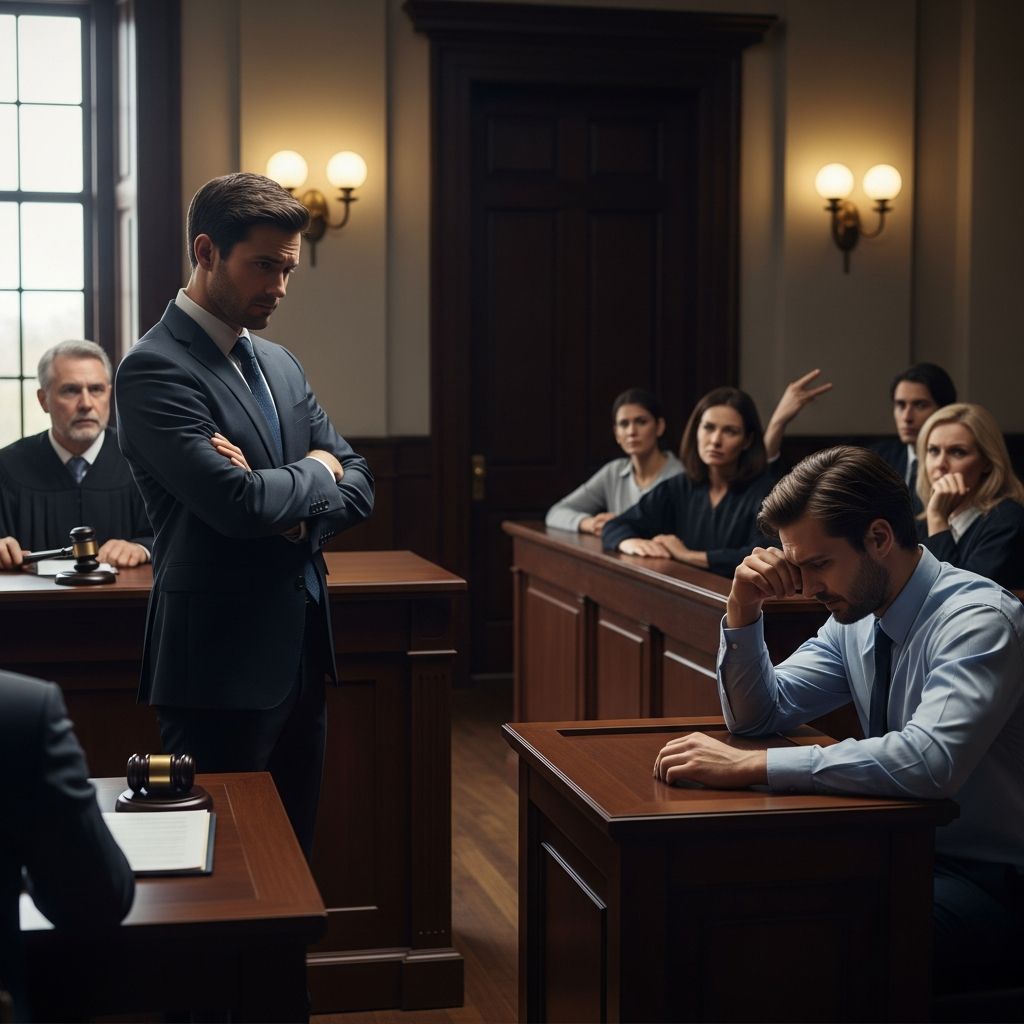
Understanding Non-Verbal Communication in Legal Settings
The courtroom is an arena where every gesture, facial expression, and movement carries weight. While attorneys and witnesses focus intently on the substance of their testimony and legal arguments, they often overlook a critical dimension of persuasion: non-verbal communication. Research in forensic psychology demonstrates that jurors and judges form impressions based not only on what is said, but significantly on how it is conveyed through body language. These unconscious signals can either reinforce credibility or undermine even the strongest legal position. Understanding the most prevalent non-verbal mistakes can transform courtroom presence from a liability into a strategic advantage.
The Impact of Restless Physical Movements
Nervous energy manifests visibly in the courtroom through fidgeting, which represents one of the most immediate and damaging non-verbal signals. When individuals engage in repetitive movements—adjusting eyeglasses, tapping fingers, shifting weight from foot to foot, or touching hair—they inadvertently communicate anxiety and uncertainty to the jury. This perception problem operates on two destructive levels. First, jurors frequently interpret fidgeting as evidence of dishonesty, even when the witness or party is truthfully presenting information. Second, and perhaps more consequentially, opposing counsel reads these signals as indicators of weakness in the case’s foundation, potentially prompting them to intensify their cross-examination strategy.
The psychological explanation underlying this phenomenon is straightforward: when people feel confident and secure, their physical movements tend to be controlled and purposeful. Conversely, when anxiety rises, the nervous system triggers survival responses that manifest as uncontrolled motion. However, the courtroom context creates a paradox. Even individuals who are entirely confident about their testimony may experience situational anxiety due to the formality and stakes involved, leading to fidgeting that misrepresents their actual conviction. Managing this response requires deliberate practice and awareness of trigger behaviors specific to each individual.
Facial Expressions and Emotional Leakage
The human face contains 43 distinct muscles capable of producing thousands of expressions, many of which operate beyond conscious control. In the courtroom, facial expressions become windows through which jurors attempt to read emotional truth. When litigation becomes contentious, attorneys and witnesses frequently allow frustration, anger, or disdain to surface through visible facial tension. Pursed lips, clenched jaw muscles, furrowed brows, and narrowed eyes all communicate negativity that can be unconsciously transferred to the perceived credibility of the party’s case.
Paradoxically, attempting to suppress all facial expression through an exaggerated “poker face” creates its own problems. Research indicates that when individuals deliberately attempt to maintain complete emotional neutrality, subtle microexpressions often leak through, and the obvious effort to control expression itself signals to jurors that the person is actively suppressing information or emotional reactions. This creates a suspicious impression precisely opposite to the intended effect. The optimal approach involves maintaining a genuinely composed demeanor—one that appears naturally neutral rather than artificially rigid. This requires genuine emotional regulation rather than superficial expression management.
When testifying or presenting arguments in court, parties should strive to project a calm, measured presence. This communicates confidence in one’s position and respect for the judicial process. If anger or frustration emerges during challenging cross-examination, acknowledging the difficulty of the situation mentally while maintaining external composure demonstrates emotional maturity and strengthens credibility with the fact-finder.
Arm and Hand Positioning: The Open Versus Closed Dichotomy
Body positioning—particularly the placement of arms and hands—constitutes a fundamental language that courtroom observers unconsciously interpret. Crossed arms represent perhaps the most universally recognized defensive gesture. When a witness or defendant positions arms across the chest, they send a clear non-verbal message that they are emotionally closed off, uncomfortable, or defensive about the situation. Jurors interpret this posture as evidence that the individual may be withholding information or feels threatened by questioning.
Similarly problematic are positions where hands remain hidden—clasped behind the back, thrust into pockets, or otherwise obscured from view. These closed positions prevent the natural use of hand gestures that facilitate communication and create an impression of guardedness. In contrast, individuals who maintain open positioning, with hands visible and capable of natural, purposeful gestures, appear more transparent and confident.
Hand movements themselves warrant careful attention. Purposeful, controlled gestures that illustrate or emphasize points enhance communication and reinforce credibility. However, hands that constantly move without connection to spoken content—fidgeting, wringing, or nervous gesticulation—distract from the message and undermine authority. The goal is to achieve a balance where hand movements appear natural and intentional rather than constrained or frantic.
Eye Contact: Establishing Connection Without Intimidation
Eye contact represents one of the most powerful non-verbal communicators in any interpersonal context, and the courtroom is no exception. Maintaining appropriate eye contact with the judge or jury demonstrates confidence, honesty, and engagement with the proceedings. Conversely, consistently looking away, downward, or to the side raises concerns about dishonesty or discomfort with one’s own testimony. Research on witness credibility demonstrates that observers associate eye contact with truthfulness and averted gaze with deception.
However, the quality and context of eye contact matter considerably. Overly intense, unbroken staring can appear aggressive or confrontational, potentially alienating the fact-finder. Similarly, jerky or unstable eye movements may indicate nervousness. The appropriate strategy involves making natural eye contact with jurors or the judge, allowing gaze to move naturally between them and your notes or the attorney posing questions. This pattern conveys confidence and honesty without appearing unnaturally intense or robotic.
Postural Alignment and Tension Management
Body posture communicates volumes about an individual’s mental and emotional state. Slouching, leaning excessively to one side, or appearing to lean away from questioning projects disengagement or discomfort. Conversely, a straight but not rigid posture communicates attentiveness and respect for the proceedings. The critical distinction involves the difference between standing with composed alignment and standing in a manner that appears stiff or artificially controlled.
Physical tension throughout the body—detectable through stiff movements, shallow breathing, or muscular rigidity—frequently results when individuals attempt to suppress natural movement or emotion. This tension-based approach backfires because observers perceive it as evidence that the person is withholding information or experiencing genuine anxiety. The opposing counsel may intensify their questioning strategy upon observing such tension, potentially provoking reactive statements or emotional responses that damage credibility.
A more effective approach involves consciously maintaining a relaxed yet attentive posture. This requires genuine emotional regulation and comfort with the situation rather than mere suppression of movement. Practices such as controlled breathing, mental preparation before testimony, and visualization of successful communication can help achieve this state of calm alertness.
Strategic Considerations for Courtroom Presence
Beyond individual non-verbal elements, several strategic considerations enhance overall courtroom communication effectiveness. Wardrobe selection, while seemingly superficial, influences how observers process information presented by the individual. Wearing bright, flashy colors or distinctive patterns directs juror attention toward appearance rather than testimony, diluting the impact of substantive arguments. Similarly, excessive or attention-grabbing jewelry distracts from content. Professional, understated clothing in neutral tones allows the case’s substance to remain the focal point of jury attention.
Additionally, the tempo and variability of movement throughout testimony matter significantly. Remaining perpetually still appears unnatural and emotionally disconnected. Conversely, constant motion without purposeful variation appears chaotic. The optimal approach involves purposeful movement that punctuates key points in testimony or argument, combined with stillness during particularly important moments that warrant undivided jury attention.
Comparative Analysis: Effective Versus Ineffective Non-Verbal Strategies
| Non-Verbal Element | Ineffective Signal | Effective Signal |
|---|---|---|
| Arm Position | Crossed arms, hands in pockets, arms hidden | Open positioning, visible hands, natural gestures |
| Facial Expression | Visible anger, pursed lips, exaggerated poker face | Calm, composed, naturally neutral expression |
| Eye Contact | Averted gaze, constant staring, jerky movements | Natural, steady contact with appropriate variation |
| Physical Movement | Fidgeting, nervous gestures, excessive motion | Purposeful movement linked to message content |
| Posture | Slouching, leaning away, rigid tension | Straight alignment, relaxed attentiveness |
| Appearance | Bright colors, flashy jewelry, distinctive patterns | Neutral tones, understated presentation |
Preparation Strategies for Non-Verbal Mastery
Developing effective non-verbal communication in the courtroom requires deliberate preparation and practice. Mock testimony sessions with feedback from trial consultants or experienced attorneys can illuminate unconscious habits that undermine credibility. Recording practice testimony allows witnesses to observe their own non-verbal patterns and identify areas requiring adjustment. Additionally, establishing a pre-court routine that includes centering practices—such as controlled breathing, positive visualization, or brief meditation—can significantly improve emotional regulation and presence during actual testimony.
Understanding one’s personal stress responses enables more targeted intervention. Some individuals experience nervous energy that manifests primarily through facial tension, while others exhibit restless physical movement. Identifying one’s particular vulnerability allows for focused preparation addressing that specific challenge. For instance, individuals prone to fidgeting might practice keeping hands in a specific position or holding notes, while those who display facial tension might incorporate facial relaxation techniques into their pre-testimony routine.
The Cumulative Effect of Non-Verbal Competence
Individual non-verbal elements do not exist in isolation; rather, they combine to create a comprehensive impression that influences how fact-finders process substantive legal arguments and evidence. A witness who maintains steady eye contact, displays open body positioning, and exhibits calm facial composure will be perceived as significantly more credible than one who exhibits even two or three of the identified problematic signals. Research in psychology and communication demonstrates that consistent non-verbal alignment with verbal content exponentially increases persuasiveness and credibility.
Furthermore, the stakes in litigation warrant investment in non-verbal competence. A case that is substantively strong can be undermined by poor courtroom presence, while a case with significant challenges can be strengthened by a party or witness who projects unshakeable confidence and credibility through effective non-verbal communication. From a strategic perspective, non-verbal mastery represents a highly leverageable investment in case outcomes.
Frequently Asked Questions
Q: Can judges and juries accurately read body language?
A: While judges and jurors often attempt to interpret body language, research shows they frequently overestimate their accuracy. However, this perception influences their decision-making regardless of accuracy, making strategic non-verbal communication important. Consistent patterns—such as avoiding eye contact throughout testimony—create stronger impressions than isolated incidents.
Q: Is it possible to appear too composed or controlled?
A: Yes. Exaggerated attempts to maintain a perfectly blank expression can actually raise suspicion that you are suppressing genuine emotional reactions. The goal is to appear naturally composed rather than artificially controlled. Allowing authentic but measured emotional responses is often more credible than complete emotional suppression.
Q: How can I manage fidgeting during cross-examination?
A: Effective strategies include holding documents or taking notes to occupy hands purposefully, practicing specific hand positions during mock testimony, and using controlled breathing techniques to manage nervous energy. Understanding your personal fidgeting triggers during preparation allows for targeted intervention strategies.
Q: What if I naturally have an expressive face?
A: Rather than attempting to suppress natural expressiveness entirely, channel it strategically. Practice allowing genuine emotional responses to testimony content while avoiding problematic expressions like anger or disdain. Expressiveness combined with genuine emotional regulation is often more credible and engaging than artificial neutrality.
Q: How important is clothing choice in the context of non-verbal communication?
A: Clothing represents a form of non-verbal communication that influences how jurors perceive and process your testimony. While substantive content matters most, appearance affects whether jurors focus on your message or become distracted. Professional, neutral attire ensures that your case receives undivided jury attention.
Conclusion: Integrating Non-Verbal Strategy into Legal Preparation
Mastering non-verbal communication in the courtroom represents an essential component of effective legal advocacy. The most articulate legal arguments and compelling evidence can be undermined by inadvertent non-verbal signals that undermine credibility or project anxiety. Conversely, parties and witnesses who demonstrate mastery of body language, facial expression, eye contact, and physical positioning significantly enhance their persuasiveness. By recognizing common non-verbal pitfalls and implementing targeted preparation strategies, legal professionals and litigants can transform their courtroom presence from a potential vulnerability into a substantial strategic asset that reinforces substantive legal arguments and influences favorable outcomes.
References
- Courtroom Body Language: Securing Victory Silently — Litili Group. Accessed April 2026. https://litiligroup.com/courtroom-body-language/
- Your Body Language in the Courtroom: The Dos and The Don’ts — Relativity. Accessed April 2026. https://www.relativity.com/blog/your-body-language-in-the-courtroom-the-dos-and-the-donts/
- Jurors’ Body Language: Why We Look, What To Notice — TrialQuest. Accessed April 2026. https://trialquest.com/blog/jurors-body-language-why-we-look-what-to-notice
- How Jury Consultants Analyze Non-Verbal Cues — U.S. Legal Support. Accessed April 2026. https://www.uslegalsupport.com/blog/how-jury-consultants-analyze-non-verbal-cues/
- How To Win In Court With These 7 Body Language Secrets — Matthew Harris Law, PLLC. Accessed April 2026. https://www.youtube.com/watch?v=dB-LK8t_xuM
- 8 Common Body Language Mistakes — BCL Legal. Accessed April 2026. https://www.bcllegal.com/knowledge-base/from-the-team/8-common-body-language-mistakes
- A Forensic Psychologist’s Guide to Body Language — Forensics Colleges. Accessed April 2026. https://www.forensicscolleges.com/blog/resources/forensic-psychologists-guide-to-body-language
Similar Articles








Read full bio of Sneha Tete




