
NY Senior Driving Regulations: 4 Common Restrictions
Essential guide to New York driving rules, safety measures, and renewal processes for older motorists aged 65 and above.
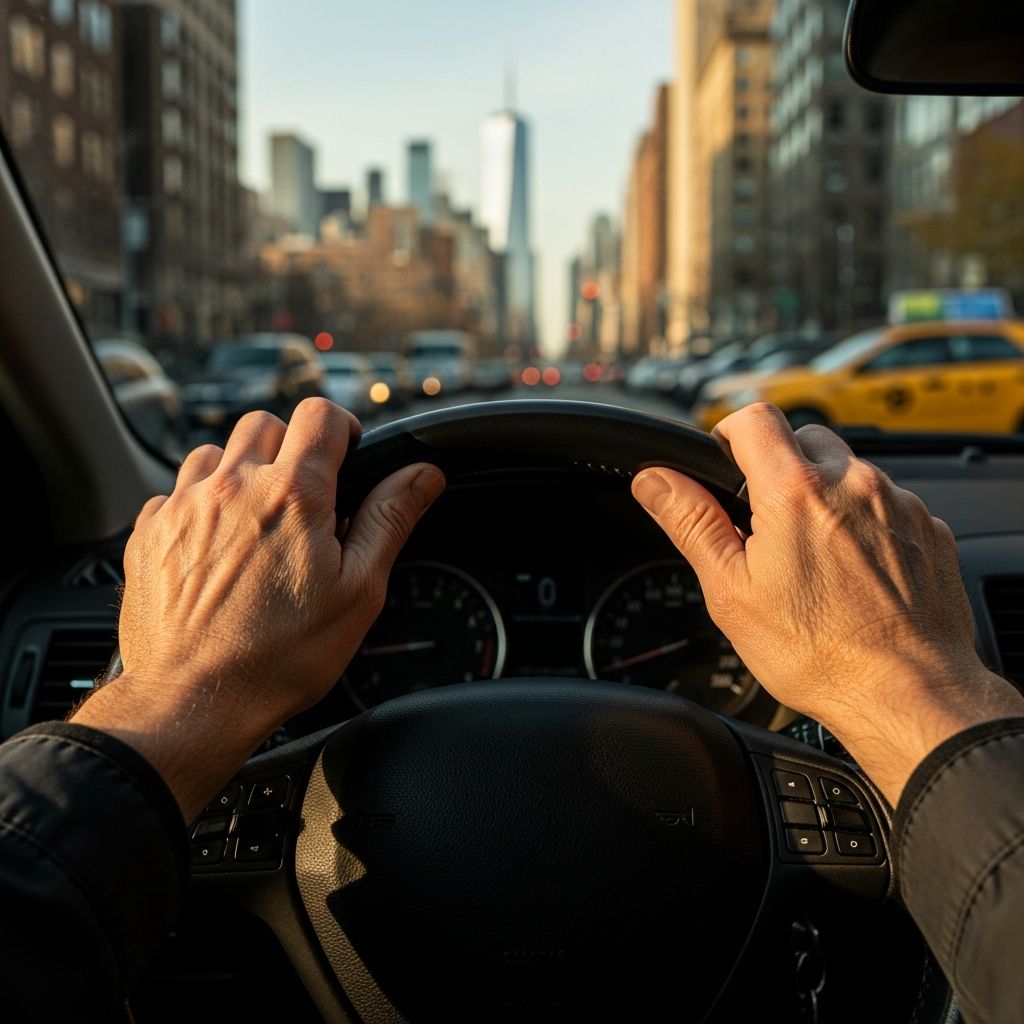
New York State maintains a growing population of licensed drivers aged 65 and older, now representing over 23% of all drivers as of recent years. While no age-based mandates exist, the Department of Motor Vehicles (DMV) prioritizes road safety through vision checks, potential re-evaluations, and targeted restrictions. This guide outlines key policies, renewal procedures, reporting mechanisms, and support options for mature motorists.
Understanding License Renewal for Mature Drivers
Drivers in New York renew their licenses every eight years regardless of age. Seniors benefit from flexible methods: online portals, mail submissions, or in-person visits at DMV offices. A critical component across all methods is verifying adequate vision, essential for safe operation of vehicles.
Three primary avenues ensure vision compliance:
- Online Renewal: Enter vision data directly into the DMV system after a recent eye exam.
- Mail Renewal: Attach a completed Vision Test Report (Form MV-619) to your application.
- Office Renewal: Undergo an on-site vision screening administered by DMV staff.
These processes confirm drivers meet the minimum 20/40 acuity standard in at least one eye, with or without correction. Failing to provide proof halts renewal approval.
Common Driving Restrictions Imposed on Older Motorists
The NY DMV tailors restrictions to individual needs, often based on medical or vision assessments. The most frequent for seniors mandates corrective lenses during operation, addressing common age-related eyesight decline.
Additional typical limitations include:
- Daylight-only driving to mitigate night vision challenges.
- Prohibitions on highway travel for those with reduced reaction times.
- Geographic limits, such as city boundaries, for localized mobility.
| Restriction Type | Purpose | Common Triggers |
|---|---|---|
| Corrective Lenses | Ensure clear vision | Eye exam results |
| Daytime Only | Avoid low-light conditions | Poor night vision |
| No Highways | Reduce high-speed risks | Slower reflexes |
| Local Roads Only | Limit exposure | Overall assessment |
Restrictions appear on the license face and must be followed; violations can lead to citations or further scrutiny.
Triggers for DMV Re-Evaluation Requests
Any observer—family members, physicians, law enforcement, or other motorists—may report concerns about a driver’s competence to the DMV. Reports detail observed incidents like near-misses, confusion at intersections, or hesitation in traffic.
A DMV examiner from the Testing and Investigation Unit reviews submissions under N.Y. Veh. & Traf. Law § 506. If grounds exist, a certified letter summons the driver for an in-person interview, potentially including written knowledge tests, road skills exams, and advanced vision checks. Medical documentation on conditions or medications may also be required.
Non-compliance or failure prompts restrictions, suspensions, or revocations. This proactive system aims to balance independence with public safety amid rising senior crash fatalities, up 2% recently despite population shifts.
Enhancing Skills Through Rehabilitation Programs
Independent driver rehabilitation specialists offer comprehensive assessments of cognitive, physical, and visual capacities. These sessions feature on-road evaluations simulating real scenarios, culminating in personalized recommendations.
Outcomes might suggest adaptive equipment, remedial training, or voluntary cessation of driving. Unlike DMV actions, these are advisory only, empowering informed decisions. New York hosts various certified programs tailored for seniors transitioning mobility needs.
Reinstating Driving Privileges After Suspension
Suspensions due to medical events like seizures lift upon physician certification that risks have resolved. Drivers submit updated medical clearances to the DMV for review and potential reinstatement.
For re-evaluations leading to revocation, appeals involve demonstrating improved competencies via tests or further evaluations. The process underscores New York’s commitment to second chances when safety standards are met.
Accessibility Accommodations for Drivers with Disabilities
Qualifying seniors access disabled person plates or parking permits under N.Y. Veh. & Traf. Law § 404-A. Local governments issue permits for severe mobility impairments, granting reserved parking privileges statewide.
Applications require medical verification, ensuring equitable access without compromising eligibility standards.
Upcoming Policy Shifts: Senior Safety Commission
Legislative momentum builds with Senate Bill S6175, the Bill Geller Act, proposing a Senior Driver Safety Commission. This 12-member panel, appointed by state leaders, would study crash risks among drivers 85+, where fatality rates exceed those of teens.
Factors like peripheral vision loss, delayed reactions, and reduced night sight drive the need. Modeled on NHTSA guidelines, the temporary commission aims to recommend safeguards, addressing New York’s lag behind peer states. Projections indicate seniors comprising 25% of drivers by 2025, amplifying urgency.
Broader 2026 DMV Enforcement Changes Impacting All Ages
Effective February 26, 2026, NY DMV tightens the point system: suspensions trigger at 10 points over 24 months (down from 11 in 18), with extended look-back periods for repeat offenders.
- 4-6 points: Warning letters issued.
- 7-10 points: Mandatory driver improvement clinics.
- 11+ points or multiple violations: Formal hearings.
Seniors accumulating points face amplified scrutiny, intersecting with age-specific reviews. Speed contests now carry 5 points, bolstering crackdowns on reckless behaviors.
Practical Resources and Safety Strategies
The NY DMV’s Older Driver Resources page aggregates tips for sustained mobility: adjusting vehicles for comfort, planning routes to avoid complexities, and monitoring health metrics impacting driving. Electronic reminders for renewals enhance compliance.
IIHS research notes mixed efficacy of renewal restrictions, advocating holistic approaches like education and assessments over blanket policies. Families play key roles in gentle conversations about capabilities.
Frequently Asked Questions
Does New York impose mandatory road tests for seniors?
No, routine renewals skip road tests unless triggered by a re-evaluation request.
What vision standard must seniors meet?
At least 20/40 acuity in one eye, correctable if needed, verified via exam or DMV test.
Who can report unsafe senior driving?
Anyone with observations, including relatives, doctors, or police, prompting DMV review.
Can suspended seniors regain licenses?
Yes, with medical clearance confirming resolved conditions affecting safety.
Are there special parking perks for elderly drivers?
Only for verified disabilities via plates or permits, not age alone.
Key Takeaways for Safe Senior Driving
Proactive vision care, honest self-assessments, and leveraging DMV tools sustain independence. As demographics shift and laws evolve, staying informed protects both driver and community. Consult DMV resources or professionals for personalized guidance.
References
- New York Driving Laws for Seniors and Older Drivers — Nolo. 2022. https://www.nolo.com/legal-encyclopedia/new-york-driving-laws-seniors-older-drivers.html
- NY State Senate Bill 2025-S6175 — New York State Senate. 2025. https://www.nysenate.gov/legislation/bills/2025/S6175
- NY DMV Point System 2026 Changes — WNY Lawyers. 2025-12. https://www.wny-lawyers.com/2025/12/ny-dmv-point-system-2026-changes/
- NYS to Crack Down on Reckless Driving — Tully Rinckey PLLC. 2026. https://www.tullylegal.com/our-firm/news/nys-to-crack-down-on-reckless-driving/
- Older Drivers: License Renewal Procedures — Insurance Institute for Highway Safety (IIHS). 2026. https://www.iihs.org/research-areas/older-drivers/license-renewal-laws-table
Similar Articles








Read full bio of medha deb


