
Home Funerals In New York: Legal Essentials And Checklist
Navigate New York's strict home funeral rules: Licensed directors required, family rights, and practical steps for dignified arrangements.
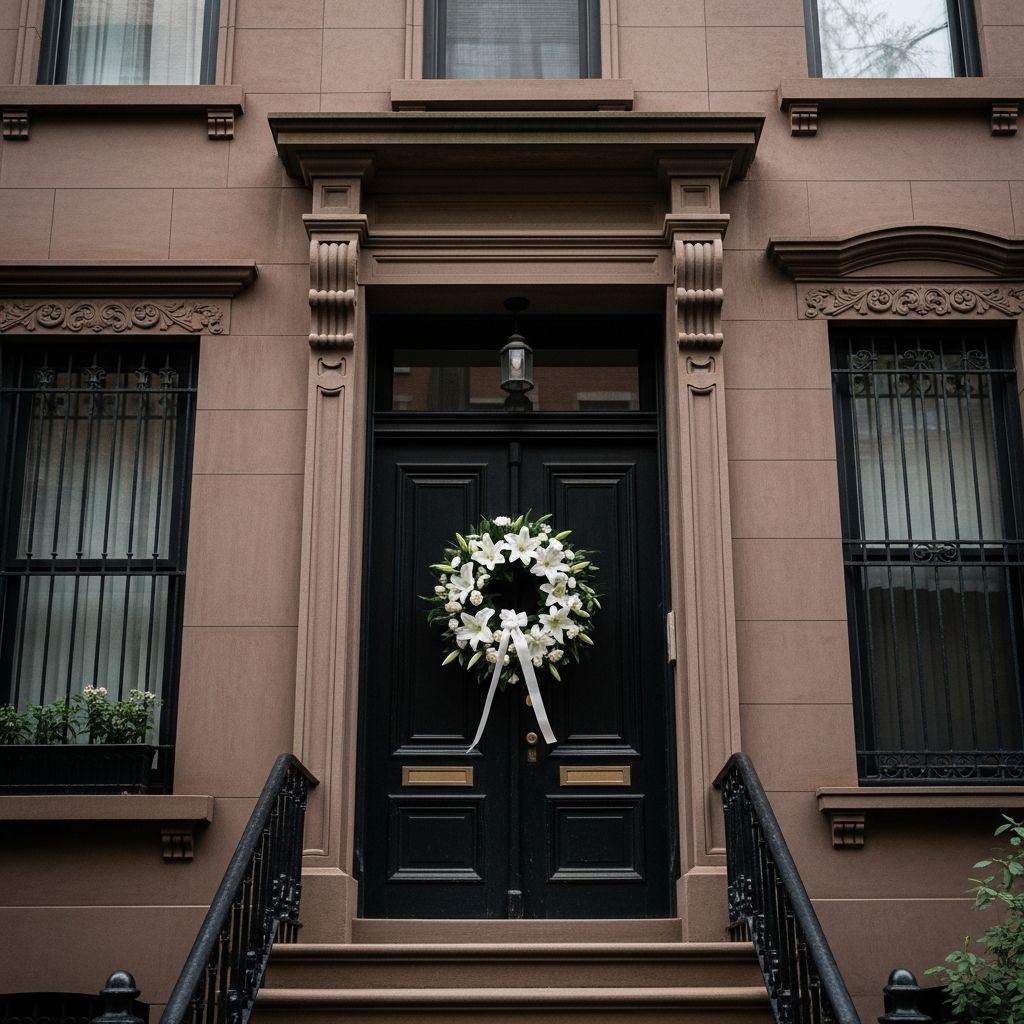
Home funerals offer families a personal way to honor loved ones after death, allowing time at home for private vigils and ceremonies. In New York, however, state laws impose unique restrictions, primarily requiring a licensed funeral director’s oversight for key steps like body disposition. This guide explores these rules, empowering families to plan respectfully while staying compliant.
Core Legal Framework for Final Disposition
New York’s Public Health Law governs post-death handling, emphasizing public health and professional standards. Unlike many states permitting fully family-led home funerals, New York mandates licensed professionals for burials and cremations to ensure proper documentation and safety. This stems from concerns over disease transmission and record accuracy, dating back to longstanding statutes updated in recent years.
Key principle: While families retain emotional control, legal authority for permits and filings rests with funeral directors. This hybrid approach balances personalization with regulation, preventing unregulated practices that could lead to legal issues.
Who Holds Decision-Making Authority?
State law outlines a clear hierarchy for controlling a deceased person’s remains, preventing disputes among relatives. Priority goes to any pre-designated agent, followed by close kin. Here’s the order:
- Person named in a valid written instrument signed by the deceased.
- Surviving spouse or domestic partner.
- Adult children (18+).
- Parents.
- Adult siblings (18+).
- Grandparents or adult grandchildren.
- Nieces/nephews or aunts/uncles (18+).
If ties exist within a class, courts intervene, which can delay proceedings and escalate costs. To sidestep this, individuals should appoint an agent via a simple document. Domestic violence convictions disqualify certain parties, protecting vulnerable families.
Appointing a Trusted Agent for Your Wishes
Empower a reliable friend or family member by creating an “Appointment of Agent” form. No notary is needed—just date, sign before two witnesses, and have them and the agent sign too. This overrides the default hierarchy, ensuring your preferences for viewing, burial site, or simple ceremonies are followed.
Sample process:
- Draft wishes: Specify no embalming, home vigil duration, or eco-friendly options.
- Share with agent: Discuss logistics like finding a cooperative funeral director.
- Store securely: Keep originals with estate papers or attorney.
This tool, introduced in 2006 amendments, promotes autonomy amid New York’s director-centric rules.
Death Certification and Timeline Requirements
Upon death, a physician, nurse practitioner, coroner, or medical examiner certifies the cause, completing the medical portion of the death certificate. The funeral director then finalizes and files it with the local registrar within 72 hours—and before any burial or cremation. Delays risk fines or halted dispositions.
| Step | Responsible Party | Deadline |
|---|---|---|
| Medical Certification | Doctor/ME/Coroner | Promptly after death |
| Full Certificate Filing | Funeral Director | 72 hours |
| Disposition | Funeral Director Oversight | Reasonable time post-death |
Families need multiple certified copies for banks, insurers, and estates—request them via the director.
Body Transportation and Permits Explained
Moving remains requires a “burial or removal permit,” issued only to licensed funeral directors by local registrars. Families cannot obtain these independently, limiting DIY transport. Directors handle interstate or intrastate moves, ensuring refrigeration or ice packs for longer home vigils (no embalming mandate exists).
“Reasonable time” for disposition is flexible but typically days, not weeks, factoring weather and health risks. Coordinate early with a director supportive of home funerals.
Private Property Burials: Feasibility and Rules
Backyard or family land burials are viable in New York, but exclusively under funeral director supervision. No statewide depth minimums apply, but local zoning often demands 250 feet from water sources and two feet of soil cover.
To establish a family cemetery:
- Dedicate up to three acres, at least 1,650 feet from dwellings.
- Register with county clerk per Not-For-Profit Corporation Law.
- Verify town ordinances—some ban home burials outright.
Success stories involve rural properties; urban families face hurdles. Always consult clerks pre-planning.
Cremation Procedures Under State Oversight
Cremation demands funeral director involvement: They secure permits and must attend delivery if the facility lacks an on-site director. Bodies arrive in combustible containers; no state vault rules apply. Post-cremation, ashes handling falls under duty-of-care standards, with mishandling opening legal recourse.
Families can scatter legally on private land (with permission) or designated sites, but directors manage initial steps.
Finding Funeral Directors Open to Home Fun funerals
Not all professionals embrace home setups—seek those experienced in “director’s release” or family-led vigils. Networks like Funeral Consumers Alliance list collaborators willing to file papers without full-service embalming or viewings. Interview multiple: Ask about permit timelines, home visit fees, and private burial support.
Costs vary: Basic oversight might run $500–$2,000, far below traditional packages, preserving funds for memorials.
Potential Pitfalls and Dispute Avoidance
Common traps include assuming family-only control (illegal), ignoring local zoning, or family disagreements triggering probate. Preemptive agent appointment and written plans mitigate these. For contested cases, directors rely on sworn statements from claimants.
In domestic violence scenarios, automatic disqualifications apply, prioritizing safety. Courts rarely favor non-compliant DIY efforts.
Practical Planning Checklist for Families
Prepare ahead:
- Document wishes: Agent form, no-embalming note.
- Select director: Home-funeral friendly.
- Check locals: Zoning for burial/cremation.
- Gather docs: ID, will, death details.
- Plan vigil: Ice, fans, 3–5 day max typically.
Post-death: Notify doctor, secure remains, call director immediately.
Frequently Asked Questions
Can I keep my loved one’s body at home without a funeral director?
Yes, for a vigil, but disposition requires director oversight for permits.
Is embalming required in New York?
No, but dispose within reasonable time.
How do I bury on private property?
With director supervision, county registration, and local approval.
Who files the death certificate?
Funeral director, within 72 hours.
Can I appoint anyone as my disposition agent?
Yes, via simple signed document; excludes DV convicts.
What if family disagrees on plans?
Court decides; appoint agent to prevent.
This framework ensures dignified, legal home funerals in New York. Consult professionals for tailored advice—laws evolve, but core mandates persist.
References
- New York Home Funeral Laws — Nolo. 2024. https://www.nolo.com/legal-encyclopedia/new-york-home-funeral-laws.html
- What Are the Legal Options if a Funeral Home in New York Misplaces or Discards a Loved One’s Ashes? — Rizzuto Law Firm. Accessed 2026. https://www.rizzutolawfirm.com/what-are-the-legal-options-if-a-funeral-home-in-new-york-misplaces-or-discards-a-loved-ones-ashes/
- Final Disposition Law: A Compliance Guide for Funeral Directors — New York State Funeral Directors Association (NYSFDA). 2013. https://nysfda.org/images/PDFs/2013_Final_Disposition_COMPLIANCE_GUIDE_REVISED.pdf
- New York State Funeral Information — Funeral Consumers Alliance. 2016. https://funerals.org/wp-content/uploads/2016/06/NY.pdf
- New York Public Health Law §4202 — New York State Senate. Accessed 2026. https://www.nysenate.gov/legislation/laws/PBH/4202
Similar Articles








Read full bio of Sneha Tete


