
Children Left Alone In Cars: Prevention Tips And Legal Risks
Why even a few minutes alone in a parked vehicle can put children at risk of heatstroke, injury, and serious legal consequences.
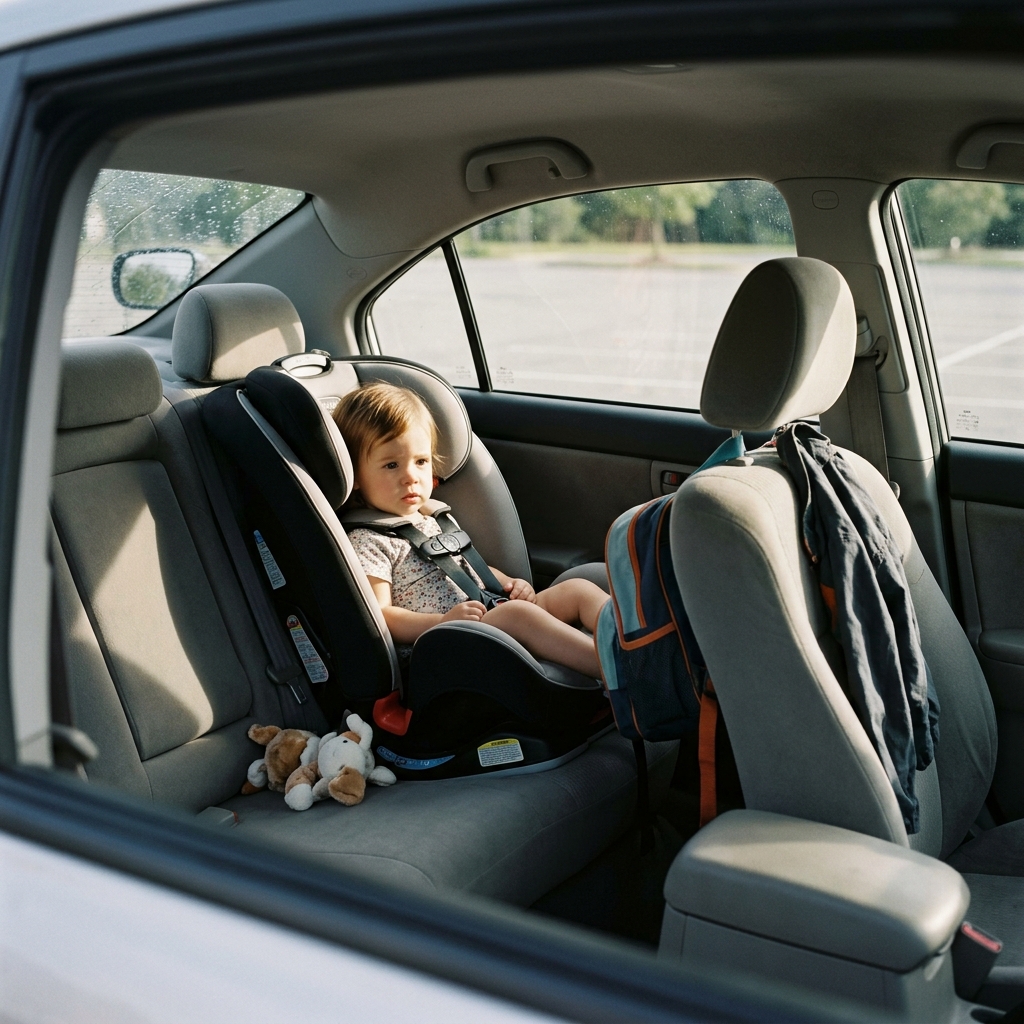
Each year, children are injured and killed because they are left alone in parked vehicles, often for what adults believe will be “just a minute.” Medical research and safety agencies consistently emphasize that no amount of time is safe for leaving a child unattended in a car, regardless of weather, location, or circumstances. This article explains the health dangers, legal implications, and practical steps parents and caregivers can take to prevent these avoidable tragedies.
Why Children Are Especially Vulnerable in Parked Vehicles
Children are not simply small adults. Their bodies respond to heat and cold differently, making them more vulnerable to extreme temperatures inside vehicles. A parked car can become dangerous far more quickly than many people realize.
- Faster temperature rise: Tests show the temperature in an enclosed vehicle can rise by about 19°F within the first 10 minutes and more than 30°F in half an hour, even on relatively mild days.
- Rapid body temperature increase: Children’s body temperatures can rise three to five times faster than adults, increasing their risk of heatstroke.
- Deadly threshold: A core body temperature of around 107°F is considered fatal; small children can reach this level quickly in a hot car.
These physiological differences explain why a vehicle that feels merely warm to an adult can be life-threatening for a child in a short period of time.
Key Health Risks: Heatstroke, Hypothermia, and More
Most public awareness focuses on hot-weather incidents, but leaving a child alone in a car can be dangerous in any season. The primary health risks include:
Heatstroke and Hyperthermia
Heatstroke, also known as hyperthermia, occurs when the body overheats and can no longer regulate its temperature. This is the leading cause of death in children left unattended in vehicles.
- Common circumstances: Research shows many fatalities occur when caregivers unintentionally forget a child in a car or intentionally leave the child while running errands.
- Early signs: flushed or hot skin, rapid breathing, nausea, confusion, and lack of sweating in severe cases.
- Progression: without intervention, heatstroke can progress to seizures, loss of consciousness, organ failure, and death.
Hypothermia and Cold Weather Risks
In cold climates, a parked vehicle can become dangerously cold, leading to hypothermia—a drop in body temperature below the level needed for normal functioning.
- Infant symptoms: bright red or very cold skin, low energy, and difficulty feeding.
- Older child symptoms: shivering, confusion, slurred speech, drowsiness, or irrational behavior.
- Additional hazards: risk of frostbite or breathing difficulties if ventilation is inadequate.
Other Serious Physical Dangers
Temperature is not the only threat. Children left alone in cars face several additional dangers:
- Vehicle motion: A child can accidentally take a car out of park, causing it to roll and potentially strike people or objects.
- Entrapment: Children may become trapped in the passenger area or trunk, leading to suffocation or severe stress.
- Carbon monoxide exposure: Running engines, especially with blocked tailpipes, can lead to carbon monoxide poisoning.
- Abduction and crime: An unattended child is more vulnerable to kidnapping or other criminal activity.
How Quickly a Car Becomes Dangerous: What Studies Show
Many incidents occur because caregivers underestimate how rapidly conditions inside a vehicle can change. Scientific and safety studies provide clear data:
| Elapsed Time (Parked Car) | Approximate Interior Temperature Change | Risk Level for Child |
|---|---|---|
| 0–10 minutes | +10–20°F above outside temperature | Early overheating; discomfort and stress begin. |
| 10–30 minutes | +20–35°F above outside temperature | High risk of heat-related illness; heatstroke can develop. |
| 30–60 minutes | +35–45°F or more above outside temperature | Extreme danger; possible organ failure and death. |
These changes occur even when windows are partially open, because ventilation is insufficient to counter the greenhouse effect inside the car. Safety organizations estimate that nearly 40 children die in hot cars each year in the United States.
Common Scenarios That Lead to Children Left in Cars
Understanding how these incidents happen is essential for preventing them. Studies and safety reports identify several recurring patterns.
- Unintentional forgetting: A caregiver drives to work or home believing they already dropped the child at daycare. This often involves a change in routine or high stress.
- Intentional short errands: Adults leave children in the car while buying groceries, picking up prescriptions, or paying for gas, assuming they will return quickly.
- Children entering vehicles on their own: Kids playing outside may climb into an unlocked car or trunk and become trapped.
- Misjudging weather: Caregivers may believe cooler days are safe, not realizing that interior temperatures can still reach dangerous levels.
In all of these scenarios, tragedy often occurs in a matter of minutes. That is why safety agencies repeat the rule: never leave a child alone in or around a vehicle, not even for a minute.
Legal Consequences of Leaving Children Alone in Vehicles
The dangers are not only medical. Many states treat leaving a child unattended in a vehicle as child endangerment or neglect. In some jurisdictions, specific statutes address children in cars; in others, general child protection laws apply.
- Criminal charges: Caregivers may face charges such as child endangerment, reckless conduct, or manslaughter if a child is injured or killed.
- Civil liability: Parents, caregivers, or organizations (such as daycares) may be sued for negligence in personal injury or wrongful death actions.
- Involvement of child protective services: Authorities may investigate and, in serious cases, restrict custody or impose supervision requirements.
Even when a child is not physically harmed, leaving them alone in a vehicle can trigger investigations and legal consequences. Laws vary by state, so anyone involved in such an incident should consult a qualified attorney for guidance.
Practical Steps to Prevent Children Being Left in Cars
Because many cases involve distracted or busy caregivers, effective prevention relies on habits and reminders rather than willpower alone. Medical centers and child safety organizations recommend several strategies.
Daily Habits for Parents and Caregivers
- Always check the back seat: Make it a routine to open the rear door and visually confirm the seat is empty every time you park.
- Place essential items in the back: Keep your purse, phone, or briefcase next to the child’s car seat so you must retrieve it when you exit.
- Use visual cues: Put a toy, tag, or bright object in the front seat when your child is in the car to remind you they are in the back.
- Coordinate with childcare: Ask your daycare or school to call you if your child is not dropped off by a certain time.
- Avoid multitasking: Limit phone calls and distractions when driving with children to reduce the risk of forgetting.
Safety Measures at Home
- Lock vehicles: Keep all car doors and trunks locked at home, and store keys out of children’s reach to prevent them from climbing inside unnoticed.
- Teach children about car dangers: Explain that cars are not play areas and that they should never hide in or around vehicles.
- Check vehicles if a child is missing: If a child cannot be found, immediately check all nearby cars and trunks.
Using Services to Avoid Leaving Kids Alone
- Drive-through options: Use drive-through services at banks, pharmacies, and restaurants whenever possible to avoid leaving the car with a child inside.
- Pay at the pump: When buying fuel, pay at the pump instead of leaving a child behind to go into the store.
- Ask for curbside assistance: Many businesses will bring items to your car if requested, especially when a child is present.
What Bystanders Should Do if They See a Child Alone in a Car
Bystanders can save lives. Authorities urge members of the public to take action when they see a child alone in a vehicle.
- Call emergency services: Dial 911 immediately and report the location, condition of the child, and description of the vehicle.
- Assess the child’s condition: Look for signs of distress such as sweating, vomiting, lethargy, or loss of consciousness.
- Follow emergency guidance: The dispatcher may instruct you on whether to attempt entry into the vehicle if the child appears to be in immediate danger.
- Stay with the vehicle: Remain on scene until help arrives, unless instructed otherwise by emergency personnel.
In many jurisdictions, laws protect good Samaritans who forcibly enter a vehicle in good faith to rescue a child in clear distress, though details vary by state. When in doubt, prioritize contacting emergency services and following their instructions.
Myths and Misconceptions About Kids in Cars
Several persistent myths contribute to risky decisions. Evidence from hospitals and safety organizations directly contradicts these assumptions.
- Myth: “It’s not that hot; they’ll be fine.”
Reality: Even on mild days, vehicle temperatures can reach dangerous levels quickly. Children have died in cars on days with outside temperatures in the 60s or 70s. - Myth: “I cracked the windows, so it’s safe.”
Reality: Slightly open windows do not prevent the rapid buildup of heat inside a car and offer minimal protection. - Myth: “I’ll only be gone five minutes.”
Reality: Delays are common, and heat can become dangerous within minutes, especially for infants and toddlers. - Myth: “My child knows not to touch anything.”
Reality: Children are unpredictable and may accidentally release the brake, shift gears, or lock themselves in the trunk.
FAQs: Children Left Alone in Cars
Is it ever safe to leave a child alone in a car for a short time?
No. Health and safety experts uniformly state that children should never be left alone in vehicles, even for a few minutes, because of the rapid temperature changes and other risks.
What age is “old enough” to wait alone in the car?
There is no universally “safe” age. Even older children can be harmed by heat, cold, or accidental vehicle movement. Many states have laws or guidelines that prohibit leaving minors unattended in vehicles at any age. Parents should assume that leaving any child alone in a car carries serious risk and possible legal consequences.
Can I be arrested for leaving my child in the car if nothing bad happens?
Yes. Depending on the jurisdiction, authorities may charge caregivers with child endangerment or neglect simply for leaving a child unattended in a vehicle, regardless of whether injury occurs.
What should I do if I realize I’ve forgotten my child in the car?
Act immediately: return to the vehicle, remove the child, and call emergency services if there is any sign of distress (vomiting, lethargy, breathing problems, or unconsciousness). Even if the child appears normal, seek medical evaluation, as heat-related illness can progress rapidly.
Are there technologies that help prevent leaving kids in cars?
Yes. Some newer vehicles and car seats include reminder alerts when a rear door is opened at the start of a trip but not reopened at the end. Even with technology, caregivers should maintain strong habits such as checking the back seat and placing essential items near the child, because devices can fail or be disabled.
When to Seek Legal Advice
If you are involved in an incident where a child is left unattended in a vehicle—whether as a caregiver, bystander, or business owner—consult a qualified attorney. A lawyer experienced in personal injury or family law can explain:
- Potential criminal charges and defenses
- Possible civil liability if injury or death occurs
- Interaction with child protective services
- Steps to protect your rights and comply with legal obligations
Legal standards vary significantly by state, and early advice can make a difference in outcomes for both families and caregivers.
Key Takeaways for Parents and Caregivers
To protect children and avoid legal consequences, keep the following core principles in mind:
- Never leave children alone in vehicles, regardless of weather or duration.
- Recognize how quickly conditions become dangerous and how much more vulnerable children are to temperature extremes.
- Use routines and reminders to prevent unintentional forgetting.
- Lock cars and secure keys so children cannot climb into parked vehicles on their own.
- Call 911 if you see a child alone in a car and be prepared to assist under guidance from emergency personnel.
By treating vehicles as potential danger zones for unsupervised children and adopting simple daily habits, families and communities can significantly reduce the risk of these tragic, but preventable, incidents.
References
- The Dangers of Leaving Children Unattended in the Car — Johns Hopkins Medicine. 2020-06-01. https://www.hopkinsmedicine.org/health/wellness-and-prevention/the-dangers-of-leaving-children-unattended-in-the-car
- Kids in Cars — Intermountain Health. 2018-05-01. https://intermountainhealthcare.org/childrens-health/wellness-prevention/kids-in-cars
- Helpful Tips to Keep Your Child Safe: NOT EVEN FOR A MINUTE — New York State Office of Children and Family Services. 2017-01-01. https://ocfs.ny.gov/publications/Pub5036/
- Never leave a child alone inside a vehicle… not even for a minute! (Fact Sheet) — Kids and Car Safety. 2019-01-01. https://www.kidsandcars.org/document_center/download/hot-cars/Kids-Alone-in-Cars-FACT-SHEET.pdf
- Children left unattended in parked vehicles: a focus on recent Italian cases and a review of literature — Barassi et al., Forensic Science, Medicine and Pathology. 2014-12-01. https://pmc.ncbi.nlm.nih.gov/articles/PMC4226205/
- DPS Warns of Dangers of Leaving Children in Vehicles — Texas Department of Public Safety. 2018-06-21. https://www.dps.texas.gov/news/dps-warns-dangers-leaving-children-vehicles
- Never leave your child alone in a car, even if you’re only gone for a minute — Colorado Department of Transportation (via social media statement). 2015-08-01. https://www.facebook.com/coloradodot/posts/911819464322573/
Similar Articles








Read full bio of Sneha Tete


