
Nevada Burial And Cremation Regulations: 2026 Guide
Comprehensive guide to Nevada's rules on burial, cremation, rights of kin, and final disposition options for 2026.
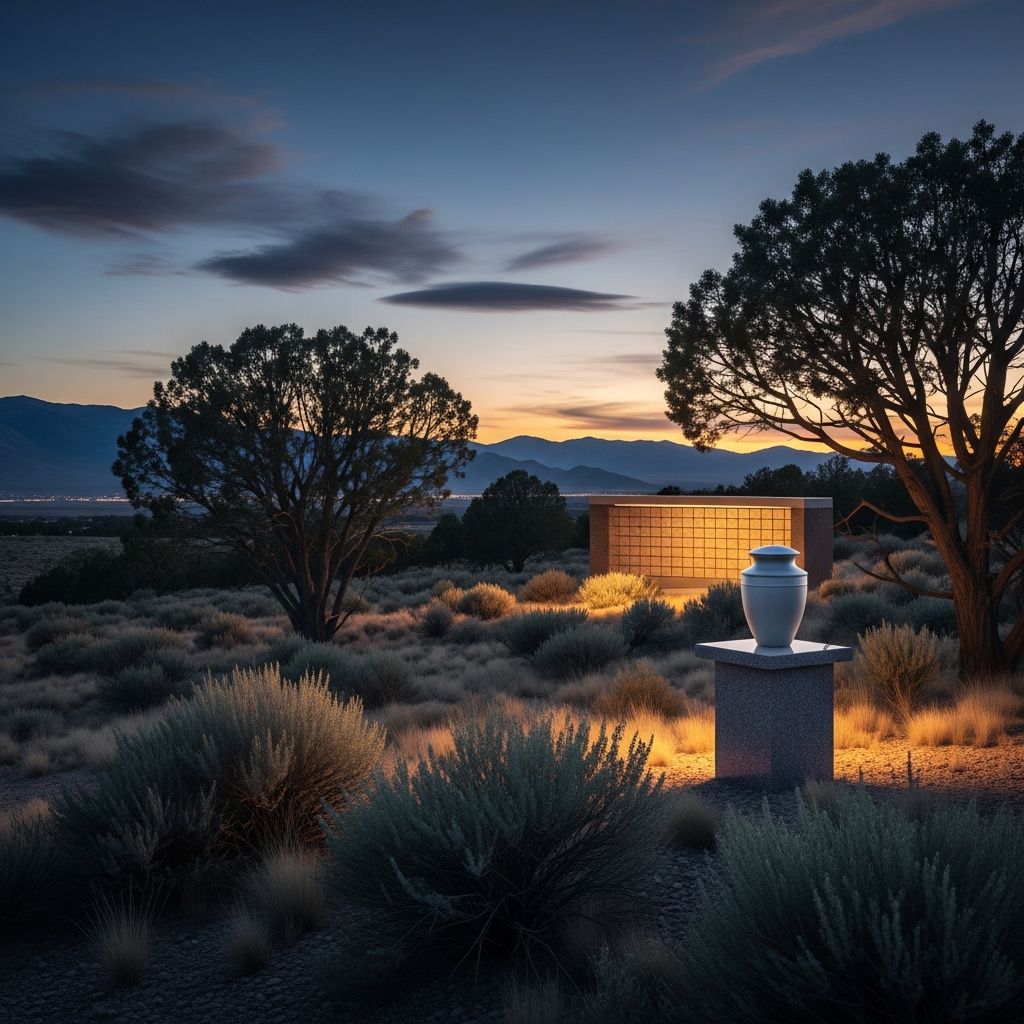
Navigating the legal requirements for burial and cremation in Nevada ensures respectful and compliant handling of a loved one’s remains. State statutes, primarily in Nevada Revised Statutes (NRS) Chapter 451, establish clear protocols for authorization, procedures, and disposition to protect families and maintain dignity.
Legal Authority for Final Disposition Decisions
The cornerstone of Nevada’s regulations is determining who holds the right to decide on burial or cremation. NRS 451.024 outlines a strict order of priority for authorizing the disposition of human remains, preventing disputes among family members.
This hierarchy begins with any person explicitly named by the decedent in a legally valid document, such as a will, durable power of attorney, or notarized affidavit. Such designations allow individuals to appoint a trusted agent for post-death arrangements, overriding default family priorities.
- Primary designee: Named in will, power of attorney, or affidavit.
- Surviving spouse: Holds authority if no designee exists.
- Adult children: Majority agreement required if multiple.
- Parents: Either surviving parent.
- Siblings: Majority if multiple.
- Grandparents, aunts/uncles, adult grandchildren, nieces/nephews: In descending order, with majority consensus where applicable.
If no higher-priority kin is available, any adult over 18 who knew the decedent can step in by filing an affidavit confirming their relationship, lack of knowledge of higher kin, and willingness to assume legal and financial responsibility. This does not create claims against the estate.
Special provisions apply: Suspects in the decedent’s murder or manslaughter lose authority, passing it to the next in line. Counties handle indigents, and donated bodies fall to research institutions. Living persons can pre-authorize their own arrangements via affidavit.
Essential Documentation and Timing Requirements
Before any disposition, a death certificate must be filed with the local registrar within 72 hours of death or discovery. Cremation specifically demands written authorization from the authorized agent, alongside the certificate.
Crematories must positively identify remains, maintain detailed records, and ensure no simultaneous cremations of multiple bodies occur. Signed receipts are mandatory upon release of cremated remains, with temporary urns properly labeled.
| Document | Requirement | Timeline |
|---|---|---|
| Death Certificate | File with local registrar | Within 72 hours |
| Cremation Authorization | Written from authorized agent | Before cremation |
| Receipt for Remains | Signed by recipient | At pickup/delivery |
| Identification Records | Maintained by crematory | Permanent |
Court orders may be needed in disputes, petitioned through local courts to resolve authorization conflicts.
Cremation Facility Standards and Processes
Nevada mandates licensing for all crematoriums by the Nevada Funeral and Cemetery Services Board. Facilities must follow strict protocols: no casket required, but containers must withstand incineration without exploding. Remains identification tags accompany the process.
Operators cannot cremate without proper docs and may refuse if disputes arise, holding remains until resolved. Unlawful operations constitute public nuisances subject to abatement.
Handling and Disposition of Cremated Remains
Post-cremation, the authorized agent or facility bears responsibility for remains. Nevada permits flexible disposition: scattering on private property (with owner permission), by air, over waterways, or burial/inurnment.
No permit is needed for transporting ashes within the state, and they may be disposed as the responsible party directs, honoring any decedent instructions. Restrictions prohibit certain manners or locations deemed inappropriate, though specifics defer to general decency standards.
- Private land scattering: Owner consent required.
- Public waters/air: Allowed without special permits.
- Transport: No state permit needed.
- Division: Remains may be split among family if authorized.
Delivering valuables with remains incurs no liability for loss during cremation.
Burial Options and Restrictions
Burial follows similar authorization rules under NRS Chapter 451. Traditional cemetery interment is common, but private property burial is limited. Only counties with under 50,000 population may allow it via local ordinances.
Disinterment requires a local health officer permit, specifying the new burial site. Counties manage indigent burials respectfully.
Pre-Planning and Advance Directives
Nevada empowers proactive planning. Adults can execute notarized affidavits naming agents for disposition, formatted per NRS guidelines. Wills or powers of attorney can include these instructions, binding on facilities.
Body donation for science overrides family rights; institutions then control final steps, including cremation if needed. Living persons direct arrangements for their own remains pre-death.
Dispute Resolution and Facility Refusals
Conflicts over authority? Higher-priority kin contacting facilities first supersedes prior lower authorizations if before disposition. Facilities can demand majority from same-priority groups (e.g., siblings) and refuse service pending court orders.
Financial acceptance doesn’t claim estate reimbursement.
Special Circumstances: Indigents, Donors, and Emergencies
- Indigents: County officers arrange respectful disposition.
- Body donation: Institution authority prevails.
- Pre-death directives: Living persons control surgically removed remains or future disposition.
- Criminal involvement: Suspects disqualified.
Frequently Asked Questions
Who has first priority to authorize cremation in Nevada?
A person named in the decedent’s will, power of attorney, or affidavit; otherwise, the surviving spouse.
Is there a waiting period before cremation?
No mandatory waiting period beyond obtaining the death certificate and authorization.
Can ashes be scattered anywhere in Nevada?
On private property with permission, by air, or over waters; avoid prohibited manners.
What if family members disagree on burial vs. cremation?
Majority of the priority class or court order resolves; higher priority trumps.
Can I pre-plan my cremation in Nevada?
Yes, via notarized affidavit, will, or power of attorney naming an agent.
Are private burials allowed?
Only in counties under 50,000 population per local rules.
This guide synthesizes Nevada’s framework as of 2026, emphasizing family rights and procedural integrity. Consult legal professionals for personalized advice.
References
- Nevada Cremation Laws and Body Donation — United Tissue Network. 2025-09. https://unitedtissue.org/2025/09/nevada-cremation-laws-body-donation/
- NRS: CHAPTER 451 – DEAD BODIES — Nevada Legislature. Accessed 2026. https://www.leg.state.nv.us/nrs/nrs-451.html
- Nevada Revised Statutes § 451.024 — Justia Law. 2024. https://law.justia.com/codes/nevada/chapter-451/statute-451-024/
- Burial and Cremation Laws in Nevada — Nolo. Accessed 2026. https://www.nolo.com/legal-encyclopedia/burial-cremation-laws-nevada.html
- Laws, Rules and Regulations Study Guide — Nevada Funeral and Cemetery Services Board. Accessed 2026. https://funeral.nv.gov/uploadedfiles/funeralnvgov/Content/Home/Features/NVLRRStudyGuide.pdf
- Arranging a Funeral or Cremation Service in Nevada — US Funerals. Accessed 2026. https://www.us-funerals.com/funeral-guide/nevada/
Similar Articles








Read full bio of medha deb


