
Neiman Marcus Return Lawsuit: What Shoppers Need to Know
A practical look at the Neiman Marcus return lawsuit, store return policies, and what legal protections shoppers have when refunds are refused.
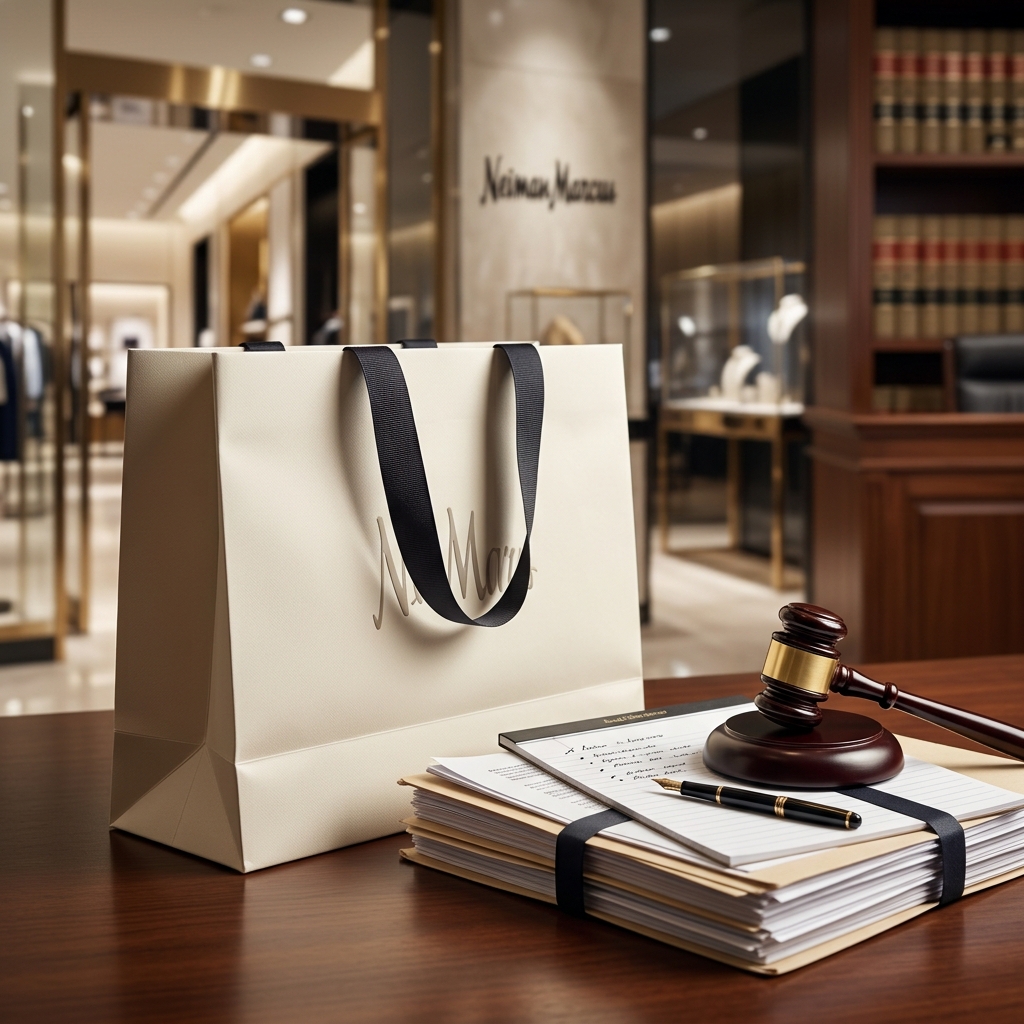
When a luxury retailer with a reputation for concierge-level service refuses to take back merchandise, the dispute can quickly move from the returns counter to the courtroom. A high-profile lawsuit involving Neiman Marcus and a customer seeking refunds on a large volume of purchases has sparked broader conversations about how return policies work and what rights shoppers actually have when a store says, “No refunds.”
This article uses that controversy as a jumping-off point to explain the legal and practical issues around store return policies, including:
- How written return policies affect your refund rights
- When a retailer’s refusal to refund may lead to a lawsuit
- Key legal concepts that often appear in these disputes
- Practical steps to protect yourself before and after a purchase
Although the Neiman Marcus case is unusual in scale and publicity, the underlying questions are common: What happens when a store does not follow its own policies, and what can a consumer do about it?
The Neiman Marcus Dispute in Context
Neiman Marcus is known for a generous return policy promising to accept timely returns of unworn, unwashed, and resaleable merchandise if the customer is not satisfied. That reputation made it especially newsworthy when a shopper claimed that the retailer refused to accept a very large volume of returns, leading her to file suit in court.
According to reporting at the time, the shopper alleged that:
- She purchased high-end items, many as gifts, over a period of time
- She attempted to return a substantial amount of merchandise
- Neiman Marcus allegedly declined to accept those returns despite its publicly stated policy
- She claimed significant financial harm and sought damages in litigation
Neiman Marcus, for its part, has long maintained written policies that emphasize the need for items to be in saleable condition and returned within specified time frames, with refunds typically credited to the original form of payment. That gap between what a shopper believes a policy promises and how a retailer applies it in a complex, fact-heavy situation is often where disputes begin.
How Store Return Policies Work in Law
In many U.S. jurisdictions, stores are not automatically required by law to accept returns or offer refunds simply because a customer changed their mind, unless the goods are defective or not as described. However, once a retailer creates a written return policy and advertises it to shoppers, several legal concepts may become relevant:
| Legal Concept | How It Can Apply to Return Policies |
|---|---|
| Contract Principles | A posted return policy can be treated as part of the purchase contract. If a store breaks that promise, the customer may claim breach of contract under state law. |
| Unfair or Deceptive Practices | State consumer protection laws often prohibit deceptive or misleading representations, including about refunds and returns. |
| Good Faith and Fair Dealing | Courts sometimes examine whether a store applied its policy honestly and consistently, or used fine print in a way that unfairly harms consumers. |
| Uniform Commercial Code (UCC) | For defective or nonconforming goods, UCC warranty provisions and remedies can give buyers additional rights, separate from the store’s posted policy. |
Because these issues are governed by state law, the specific outcome of any dispute over refused refunds will depend on the facts of the case and the jurisdiction where it is brought.
Why Return Policy Disputes End Up in Court
Most disagreements over returns are resolved at the customer service desk or through a call with corporate support. In rare instances, however, disputes escalate to litigation, as in the Neiman Marcus case. Consumers may decide to sue when:
- Large sums of money are at stake, such as repeated high-value purchases
- Reputational issues matter to either party, making settlement more difficult
- They believe the store has systematically misrepresented its return policy
- They feel they have exhausted internal complaint channels
On the other side, retailers may fear that making exceptions in one high-profile case could encourage similar claims, or they may conclude that the items no longer meet the conditions for return (for example, being worn or outside the time window). These competing perspectives often frame the factual and legal disputes when a case is filed.
Return Policies vs. Consumer Protection Laws
Return policies do not exist in a vacuum. They operate alongside general consumer protection statutes and regulatory guidance. State consumer protection laws—often called Unfair and Deceptive Acts and Practices (UDAP) statutes—prohibit businesses from misrepresenting key terms of a transaction, including refund conditions.
These laws can be triggered when:
- A store posts a generous return policy but repeatedly refuses qualifying returns
- Important limitations (such as final sale, time limits, or condition requirements) are hidden or unclear
- Employees give assurances about returns that contradict the written policy
Consumer agencies at the state and federal level routinely emphasize that retailers should make return policies clear and accessible before purchase, especially for online transactions and high-value items.
Neiman Marcus, Policies, and Litigation History
The returns lawsuit is not the only time Neiman Marcus has faced consumer litigation. The company has also been the subject of high-profile class actions, including cases related to data breaches impacting customer payment information.
- A settlement in a class action over a 2013 payment card data breach led to compensation for affected customers.
- More recently, Neiman Marcus agreed to a multi-million-dollar settlement after a cyberattack associated with a cloud data platform, again drawing attention to its customer-facing practices.
While these data security suits are distinct from return-policy disputes, they underscore a broader trend: large retailers operate under increasing legal and public scrutiny regarding how they handle customer information, transactions, and promises.
Key Takeaways for Shoppers
Most customers will never be involved in a lawsuit over returns, but the Neiman Marcus dispute offers practical lessons for anyone making significant purchases, especially from department stores or luxury brands.
1. Always Read the Return Policy Before Buying
Even at well-known retailers, policies can vary by category, location, or channel (in-store vs. online). For example, Neiman Marcus indicates that it accepts returns of saleable merchandise and typically credits refunds to the original form of payment, but also reserves the right to deny returns that do not meet standards of condition or timing.
Before you purchase:
- Locate and read the full return policy—on the website or posted in-store
- Check for shorter return windows on sale, clearance, or special-order items
- Confirm whether gifts can be returned or exchanged by the recipient
- Look for any mention of restocking fees or store-credit-only refunds
2. Keep Clear Records
Documentation can make the difference between a quick resolution and a prolonged dispute. In any large or complex purchase, maintain:
- Receipts and order confirmations
- Tags and packaging until you are sure you will keep the item
- Screenshots of the policy language as it appeared on the purchase date
- Email chains or chat transcripts with customer service
If a retailer later changes its posted policy, you will have evidence of what you were told at the time of sale.
3. Act Quickly if You Need to Return
Many disputes arise because the customer waits until close to—or past—the stated deadline. To reduce risk:
- Try on or inspect items promptly after delivery or purchase
- Initiate returns well before the deadline, especially for mail-in returns
- Use trackable shipping when returning items by mail
- Save proof of delivery and any return authorization numbers
4. Escalate Strategically When a Return Is Refused
If a retailer declines a return you believe is valid under the written policy, consider a stepwise approach before thinking about legal action:
- Politely ask for a manager and restate the policy language you are relying on
- Follow up in writing with customer service or corporate headquarters
- If you used a credit card, inquire with your card issuer about dispute options under the Fair Credit Billing Act, especially for items billed but not received or misrepresented
- For patterns of behavior, consider filing complaints with state consumer protection agencies or the Federal Trade Commission (FTC)
These channels can sometimes resolve disputes without the time and cost of litigation.
When Return Disputes Become Legal Claims
In extreme cases, like the high-value controversy involving Neiman Marcus, a shopper may decide that litigation is the only remaining option. Potential legal theories in such cases can include:
- Breach of contract: Alleging that the store failed to honor its stated return policy
- Misrepresentation or deceptive practices: Claiming the retailer advertised an attractive return policy but applied it in an unfair or inconsistent way
- Unjust enrichment: Arguing that the store unfairly retained money or goods contrary to its promises
However, retailers may defend themselves by asserting that:
- The items did not meet the condition or timing requirements
- The policy includes exceptions that apply to the transaction
- The customer’s behavior (such as unusually frequent returns) justified additional scrutiny
Because outcomes depend on specific facts and state law, anyone considering legal action over refused refunds should consult a qualified attorney in their jurisdiction for advice tailored to their situation.
Online vs. In-Store Purchases: Are the Rules Different?
Many retailers, including Neiman Marcus, now operate seamlessly across online and physical channels, but the law may treat these contexts differently in some respects. For example, federal law provides certain protections for some purchases made by mail, telephone, or online, especially relating to non-delivery or late delivery of goods and unauthorized credit card charges.
| Aspect | In-Store Purchases | Online / Distance Purchases |
|---|---|---|
| Policy Disclosure | Often posted near the register or on receipts | Usually displayed on product pages or checkout screens |
| Return Window | May start on purchase date | May start on shipment or delivery date |
| Shipping Costs | Customer travels to store; no shipping | Customer may bear return shipping unless policy states otherwise |
| Additional Legal Protections | Primarily state law and store policy | State law plus certain federal rules on distance sales and billing disputes |
For high-value online orders, carefully check how return shipping works, whether return labels are provided, and whether any restocking or handling fees apply.
Best Practices for Retailers to Avoid Disputes
The Neiman Marcus lawsuit illustrates not only the risks to consumers, but also the reputational and legal exposure for retailers when return policies are unclear or unevenly applied. Companies can reduce conflict by:
- Drafting precise, easy-to-read return policies
- Training frontline employees to apply the policy consistently
- Using clear signage and online disclosures at the point of sale
- Maintaining internal review processes for exceptional or high-value disputes
- Monitoring complaints and litigation to identify recurring issues
In practice, a transparent and reliable returns process can build long-term customer loyalty and reduce the risk of highly publicized lawsuits.
Frequently Asked Questions
Does the law require stores like Neiman Marcus to accept returns?
In most U.S. jurisdictions, stores are not required to accept returns simply because a customer changes their mind, unless goods are defective or misrepresented. However, once a retailer advertises a return policy and incorporates it into the sale, failing to follow that policy can raise contractual and consumer protection issues.
What should I do if a store refuses to follow its own return policy?
Start by calmly escalating within the company: ask for a manager, then contact corporate customer service in writing. If that fails and the amount is substantial, you may explore credit card chargeback options and consider contacting state consumer protection agencies. For large or complex disputes, seek legal advice from a consumer lawyer in your state.
Could a return dispute really turn into a major lawsuit?
Yes, especially when high-value purchases are involved or when a consumer claims a pattern of unfair conduct. The Neiman Marcus controversy, which involved a shopper attempting to return a large quantity of expensive items, shows how a disagreement over refunds can evolve into a lawsuit attracting national media coverage.
Are luxury retailers held to different legal standards?
Luxury retailers are generally subject to the same consumer protection and contract laws as any other business. However, their marketing often emphasizes exceptional service and flexibility, which can shape consumer expectations and influence how courts and regulators assess their representations.
Where can I find reliable information about my consumer rights?
Government consumer protection agencies, state attorney general offices, and major legal information services provide accessible guides on refund and return rights, deceptive trade practices, and dispute resolution. These sources can help you understand how your state handles return policies and what steps you can take if problems arise.
References
- Neiman Marcus Shopper Sues Store After It Won’t Take Back Gifts — ABC News. 2012-05-30. https://abcnews.go.com/Business/neiman-marcus-shopper-betrayed-sues-14m-return/story?id=16459063
- Returns at Neiman Marcus — Neiman Marcus. 2024-01-01 (accessed). https://assistance.neimanmarcus.com/returns
- Neiman Marcus Historic Lawsuits — Class Action U. 2024-06-01 (accessed). https://classactionu.org/notable-legal-disputes/neiman-marcus/
- Neiman Marcus Agrees to Settlement in Data Breach Class Action — Hunton Andrews Kurth LLP. 2017-03-21. https://www.hunton.com/privacy-and-cybersecurity-law-blog/neiman-marcus-agrees-settlement-data-breach-class-action
- Neiman Marcus Settles Lawsuit Over Snowflake Data Breach for $3.5 Million — ClassAction.org. 2024-09-16. https://www.classaction.org/news/neiman-marcus-settles-lawsuit-over-snowflake-data-breach-for-3.5-million
- 24-152 – Sherman v. The Neiman Marcus Group LLC — United States District Court, District of Montana/GovInfo. 2025-02-03. https://www.govinfo.gov/app/details/USCOURTS-mtd-2_24-cv-00152/context
- Consumer Protection Basics — U.S. Federal Trade Commission (FTC). 2022-06-01. https://www.ftc.gov/business-guidance/small-businesses/advertising-marketing/advertising-truth-law
Similar Articles








Read full bio of medha deb


