
Navigating Probation Successfully in Michigan
A practical guide to probation terms, compliance, violations, and early discharge in Michigan.
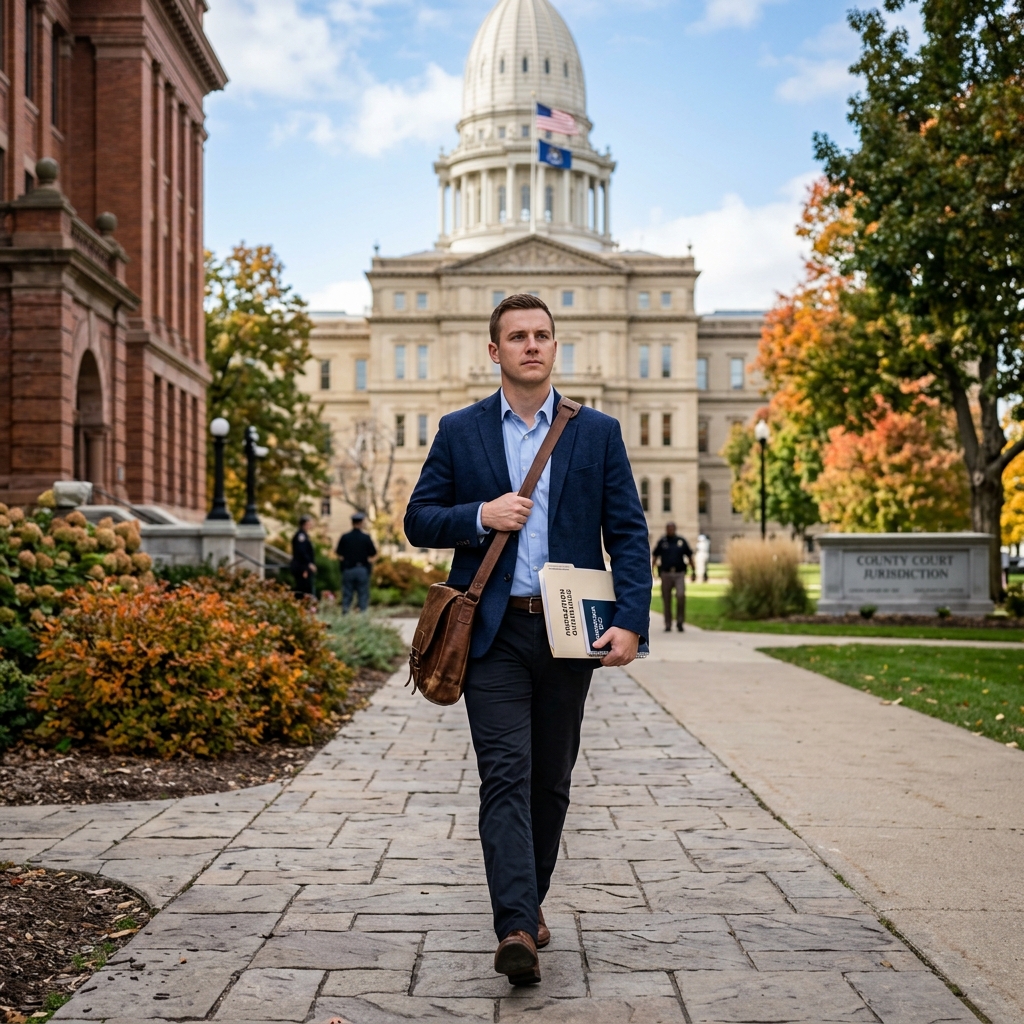
Probation in Michigan gives many people a chance to serve a sentence in the community instead of in jail or prison, but that chance comes with strict rules and close supervision. Success on probation usually depends on understanding the conditions, staying organized, and responding quickly if a problem arises.
Because probation is a court-ordered sentence, every requirement matters. Missing appointments, failing a drug test, ignoring financial obligations, or changing your address without notice can all lead to serious consequences. The good news is that people who know what to expect are often in a better position to avoid violations and complete probation without unnecessary setbacks.
What probation is designed to do
Probation is a supervised alternative to incarceration. Instead of serving the sentence behind bars, a person remains in the community while the court monitors compliance with specific terms. In Michigan, judges may use probation when they believe supervision, treatment, restrictions, or other conditions can address the offense and reduce the risk of future harm.
The purpose is not simply punishment. Probation is also meant to support rehabilitation, public safety, and accountability. That is why the court may impose conditions that fit the offense, the person’s background, and any identified risks or needs.
- Probation can include supervision by a probation officer.
- The court may order treatment, counseling, classes, or testing.
- People on probation may have to pay fines, costs, or restitution.
- Certain contact, travel, or residence restrictions may also apply.
How Michigan probation is structured
Probation begins after sentencing, not at the moment of conviction. Once the judge enters the probation order, the terms become binding. That order should spell out the length of the probation term, the conditions that apply, and the rehabilitation goals the court expects the person to meet.
Michigan law requires probation conditions to be individually tailored to the person’s risks and needs. In practice, that means the court can tailor the sentence to the case rather than using a one-size-fits-all approach. A person with substance-use concerns may be ordered into treatment and testing, while another person may face curfews, community service, or restrictions on association and travel.
The length of probation depends on the offense class and other statutory rules. In general, misdemeanor probation is capped at two years, while felony probation is commonly limited to three years, with limited extensions in some cases under Michigan law. Some offenses have separate rules, so the exact term should always be read from the sentencing order and the governing statute.
| Topic | General Michigan rule |
|---|---|
| Misdemeanor probation | Usually up to 2 years |
| Felony probation | Usually up to 3 years, with some possible extensions |
| Start date | After sentencing |
| Terms | Set by the court and tailored to the case |
Common conditions people must follow
Michigan probation can involve a broad range of conditions. Some are standard, while others are tied to the offense or the person’s history. Reading the order carefully is essential, because even a condition that seems minor can become the basis for a violation.
- Reporting to a probation officer as directed
- Maintaining employment, school enrollment, or both if ordered
- Paying fines, court costs, restitution, or supervision fees
- Completing counseling, treatment, or educational programs
- Submitting to alcohol or drug testing
- Avoiding unlawful contact with victims, witnesses, or certain people
- Observing curfews, travel limits, or residence requirements
- Staying away from weapons, drugs, or other prohibited items
Some conditions are easy to overlook. For example, failing to report a new address, skipping a class, or missing a scheduled phone check-in may count as noncompliance. A person who is working long hours, moving residences, or dealing with transportation problems should tell the probation officer early rather than waiting until a missed deadline becomes a violation issue.
Why technical violations matter
Not every probation violation involves a new crime. Michigan distinguishes between new criminal conduct and technical violations, which are failures to follow probation rules such as missing appointments, failing to pay, or not completing a required program. Technical violations can still lead to sanctions, and repeated technical violations can expose a person to more serious consequences.
The practical lesson is simple: do not treat technical issues as harmless. Courts can respond to repeated missed appointments or ignored instructions with increased supervision, added conditions, or jail time in some cases. A paper trail showing effort, communication, and partial compliance may help if the person later has to explain what happened.
- Keep copies of payment receipts.
- Save emails, texts, and letters from the probation office.
- Track program attendance and completion records.
- Document work schedules, medical issues, or transportation barriers.
Steps that help people stay in good standing
Staying compliant is usually less about perfection and more about consistency. People who do well on probation tend to plan ahead, communicate early, and keep records. That approach can prevent small problems from becoming formal violations.
One of the most useful habits is creating a probation calendar. Mark every reporting date, test, class, and payment deadline as soon as the schedule is known. If the person shares a phone, changes jobs often, or lives in unstable housing, written reminders become even more important.
- Read the probation order line by line.
- Ask for clarification if any condition is unclear.
- Keep all reporting and appointment dates in one place.
- Set reminders for fees, classes, and court dates.
- Notify the officer immediately if a problem is developing.
Communication is especially important when life changes unexpectedly. If a person is hospitalized, loses a job, or cannot travel to an appointment, contacting the probation officer before the missed deadline may reduce the chance of a violation being filed. Silence often makes a manageable issue worse.
What happens if probation is violated
If the court believes a violation occurred, it may begin a violation process that can lead to a hearing. At that hearing, the judge decides whether the violation happened and what consequence, if any, is appropriate. Depending on the circumstances, the court may continue probation, add conditions, extend supervision, impose sanctions, or in more serious situations revoke probation.
The outcome often depends on several factors: the seriousness of the alleged violation, whether it was technical or criminal, the person’s prior compliance history, and whether there is a reasonable explanation backed by documentation. Someone who missed one meeting because of a documented emergency is in a different position from someone who repeatedly ignored multiple court orders.
If a violation notice is filed, the person should take it seriously immediately. Waiting can limit options and make the problem harder to resolve. A defense strategy may involve showing compliance, correcting the issue quickly, and presenting evidence that the violation was misunderstood, unavoidable, or minor.
How to prepare for a violation hearing
Preparation matters in probation court. A person who can show records, explanations, and good-faith efforts is usually better positioned than someone who arrives with no documentation. Even when a mistake happened, the judge may consider the context.
- Bring proof of payment, treatment attendance, and completed classes.
- Gather medical notes, work schedules, or transportation records if they explain a missed obligation.
- Review the probation order carefully before the hearing.
- Be ready to explain what happened in a clear and respectful way.
- Discuss the matter with a defense lawyer as early as possible.
An attorney may help assess whether the alleged conduct actually violates the order, whether the court has jurisdiction, and whether there are defenses or mitigation arguments available. That support can be especially important when the case involves disputed facts or repeated technical issues.
Early discharge and shortening probation
Some people may qualify for early discharge from probation in Michigan. Early discharge is not automatic, but the law provides a path for eligible individuals who have completed the required portion of their term and met the court’s expectations. In many cases, the person must also have completed required programming and avoided recent violations.
Early discharge can matter for practical reasons. Ending probation sooner may remove reporting burdens, travel limits, fees, and the risk of a future technical violation. It may also help a person move forward with employment, housing, or family responsibilities.
Eligibility depends on the details of the sentence and the person’s record while on supervision. The key point is that probation does not always have to last the full original term if the person has demonstrated sustained compliance and the court agrees that supervision is no longer necessary.
When extra caution is especially important
Some situations deserve particular attention because they raise the risk of a violation. A person dealing with unstable housing, substance-use relapse, medical treatment, transportation problems, or employment changes should be especially careful to keep the probation officer informed. The same is true when a person is ordered to complete a long or complicated treatment plan.
People should also be cautious about assuming that small deviations are acceptable. A missed drug test, a late payment, or an unreported move can matter just as much as a more obvious failure if the order specifically requires compliance. When in doubt, the safer choice is to ask first and document the answer.
Frequently asked questions
Does probation start as soon as someone is convicted?
No. In Michigan, probation generally begins after sentencing, when the court formally enters the probation order.
Can a person on probation travel freely?
Not always. Travel limits may be part of the probation order, and some trips may require advance approval. Anyone planning to travel should review the conditions first.
Is every missed appointment a violation?
Not every missed appointment leads to the same result, but it can still be treated as a violation. The court will consider the facts, the person’s history, and any explanation supported by evidence.
Can probation be ended early?
In some cases, yes. A person may qualify for early discharge after meeting statutory and court-ordered requirements, but approval is not automatic.
What should someone do after receiving a probation violation notice?
The person should read the notice carefully, gather documents, contact counsel, and prepare to address the alleged violation promptly. Waiting usually makes the situation harder.
Why legal help can be useful
Probation problems often look simple from the outside, but the consequences can be significant. A lawyer can review the probation terms, identify defenses, communicate with the court when appropriate, and help prepare for a hearing. In some cases, counsel may also help the person seek modifications, address payment issues, or pursue early discharge when the requirements are met.
For many people, the difference between a smooth probationary period and a difficult one is not luck. It is knowing the rules, keeping records, and getting help before a small issue becomes a formal violation.
References
- MCL 771.2 — Michigan Legislature. 2026-07-10. https://www.legislature.mi.gov/Laws/MCL?objectName=mcl-771-2
- MCL 771.3 — Michigan Legislature. 2026-07-10. https://www.legislature.mi.gov/Laws/MCL?objectName=mcl-771-3
- Probation — Michigan Courts. 2026-07-10. https://www.courts.michigan.gov/4a4b91/siteassets/publications/benchbooks/csbb/csbbresponsivehtml5.zip/CSBB/Ch_6_Sentencing/Probation.htm?rhtocid=_0_0_10_19
- Changes to Probation and Sentencing Laws in Michigan – 2021 — Bandy Law PLLC. 2021-01-01. https://www.bondylawpllc.com/post/changes-to-probation-and-sentencing-laws-in-michigan-2021
- How Michigan Probation Works: A Quick Guide — Michigan Defense Law. 2026-07-10. https://www.michigandefenselaw.com/blog/what-is-the-process-of-probation-in-michigan/
Similar Articles








Read full bio of medha deb




