
Navigating Easement Disputes Between Property Owners
A practical legal guide to understanding, preventing, and resolving easement conflicts so you can protect your property rights and neighbor relationships.
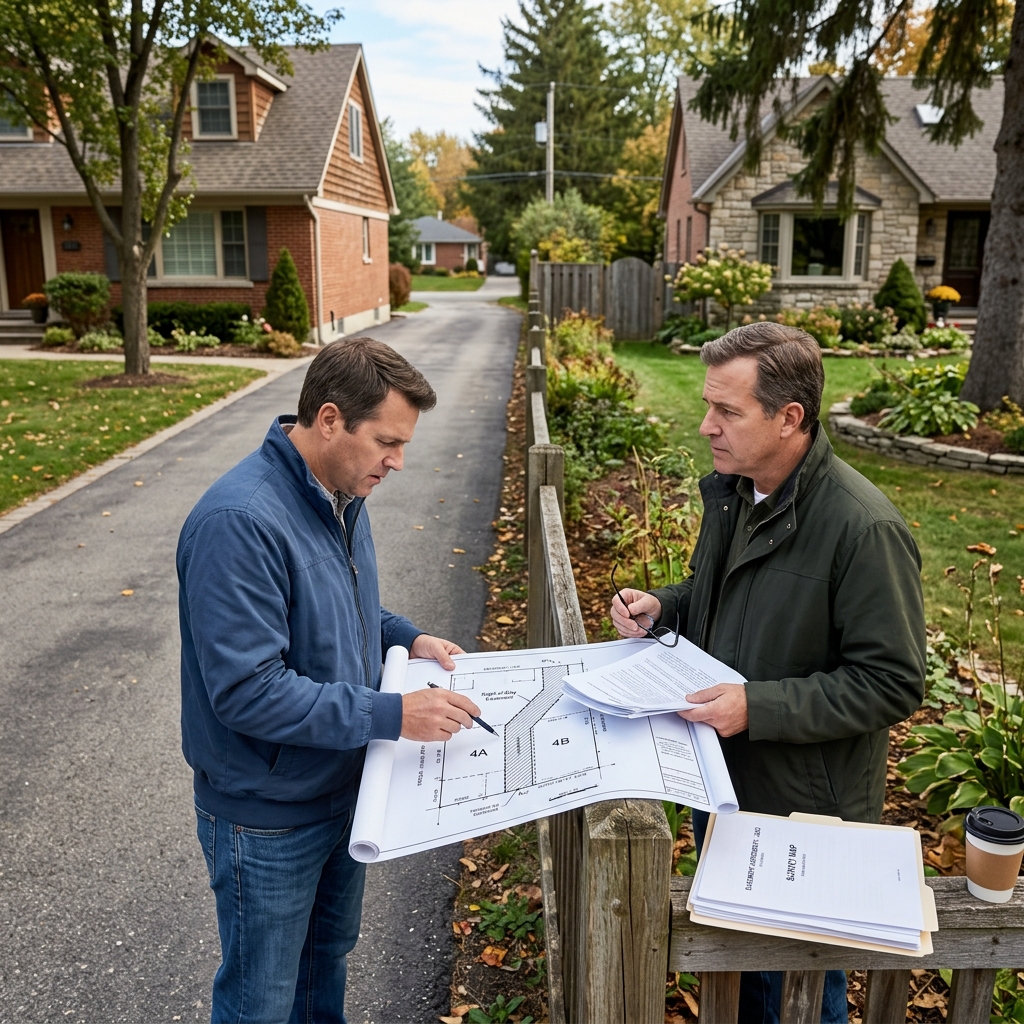
Easements are everywhere in modern property ownership, even if you have never seen the word in your deed. Shared driveways, utility lines, sewer access, and private roads often depend on legally enforceable easement rights. When those rights are misunderstood or ignored, conflict can follow—sometimes resulting in expensive lawsuits and damaged neighbor relationships. Each jurisdiction treats easements as an important form of property right, so understanding how they work is essential for any owner or buyer.
This guide explains what easements are, why disputes occur, how they can be modified or terminated, and the practical steps you can take—from simple conversations to formal litigation—to protect your property interests.
What Is an Easement and Why Does It Matter?
An easement is a legal right that allows someone to use part of another person’s land for a specific, limited purpose, such as access to a road, installing utilities, or crossing a shared path. The person whose land is burdened by the easement is often called the servient estate, and the person or property benefiting from the easement is the dominant estate or easement holder.
Easements are typically recorded in the local land records, making them part of the property’s permanent legal history. Because they are often treated as a genuine property interest, a valid easement cannot simply be blocked or ignored by the landowner without legal consequences. Interfering with a recorded easement can expose the owner to claims for damages or court orders requiring them to restore access.
Common Types of Easements
- Access easements – Give the right to travel across another parcel, often for a driveway or private road.
- Utility easements – Allow utility companies or sometimes neighbors to run power lines, water pipes, sewer lines, or cable infrastructure.
- Drainage or sewer easements – Permit maintenance or flow of stormwater and wastewater.
- Easements appurtenant – Attach to the land itself and automatically benefit future owners of the dominant property.
- Easements in gross – Benefit a person or entity rather than a parcel of land (for example, a utility provider) and may not transfer automatically with the land.
Because easements shape how property can be used and accessed, they can significantly affect value, development plans, and daily enjoyment of your land. That is why many lawyers and surveyors recommend reviewing easement language carefully before buying or altering property.
How Easement Disputes Typically Arise
Most easement conflicts grow out of misunderstandings: owners and neighbors disagree about the exact scope of use, the physical location, or whether the easement is still valid. When one side believes rights are being overused—and the other feels unjustly blocked—tension escalates.
Frequent Sources of Conflict
- Blocked access – A gate, fence, hedge, or parked vehicles obstruct a driveway or path that is subject to an access easement.
- Overuse or unreasonable use – The easement holder uses the land in a more intensive way than originally intended, such as turning a residential access easement into regular commercial traffic.
- Location disputes – Property owners disagree about where the easement actually lies, especially when older deeds or surveys are unclear.
- Maintenance responsibilities – Uncertainty about who must repair ruts in a shared driveway, move utility equipment, or trim trees along an easement corridor.
- New construction – A building, retaining wall, or landscaping project interferes with an existing easement, or a proposed easement would constrain development plans.
- Unrecorded or implied easements – Longstanding use (for example, using a neighbor’s driveway for decades) creates expectations, but the legal basis is unclear.
Warning Signs You May Have an Easement Problem
- Neighbors suddenly restrict access you have long used.
- You discover easement language in your title report that conflicts with how the property is currently used.
- Survey results show driveways, fences, or utility lines crossing property boundaries in ways not reflected in deed descriptions.
- There is disagreement over whether a path or driveway is private, shared, or public.
Addressing these signs early—while emotions are still manageable—can prevent the dispute from turning into a lawsuit.
Legal Nature of Easement Rights
Once an easement is validly created, it generally becomes a legally enforceable right to use land for the stated purpose. In many jurisdictions, courts treat easements as a property interest similar in seriousness to ownership. As a result:
- The property owner usually cannot unilaterally revoke or substantially interfere with the easement.
- The easement holder must use the land within the limits of the documented right, avoiding unreasonable burden on the servient property.
- Both sides must respect the easement terms, recorded documents, and applicable local law.
When conflicts reach court, judges examine deeds, plats, historical use, and sometimes witness testimony to determine exactly what rights were granted and whether either party has violated them. This legal framework is why informal attempts to “shut down” or ignore an easement often fail.
Ways Easements Can End or Change
Easements do not always last forever. Under many state laws, they can be terminated or modified in specific circumstances. However, taking action in the wrong way can expose you to significant liability, so it is important to understand the basic legal concepts.
Common Termination and Modification Methods
| Method | Who Acts | Typical Requirements |
|---|---|---|
| Release by agreement | Easement holder | Written agreement giving up easement rights; recorded in land records so future buyers are on notice. |
| Abandonment | Easement holder | Clear, long-term nonuse plus conduct showing intent to give up the right; mere temporary inactivity is usually not enough. |
| Expiration by terms | Either party | Easement grants only a limited duration or ends upon a specific event, after which it ceases automatically if properly documented. |
| Merger | Owner and holder | The same person comes to own both the dominant and servient properties, eliminating the need for the easement. |
| Court order | Judge | A court declares the easement invalid, overbroad, or extinguished after litigation, sometimes in a quiet title action. |
In practice, the most reliable way to eliminate or narrow an easement is a written, recorded agreement between the property owner and the easement holder. Recording the change with the county clerk or land records office ensures that future buyers are aware of the updated rights.
Practical Steps to Address an Easement Dispute
Not every disagreement over a driveway or utility line needs to become a courtroom battle. Many disputes can be resolved through a structured sequence of actions that prioritize information, communication, and, only as a last resort, litigation.
1. Gather Documents and Evidence
- Deeds and title policies describing the property.
- Recorded easement documents and plats.
- Surveys, maps, and property descriptions from a licensed surveyor.
- Photos and notes documenting current use, obstructions, and any recent changes.
- Written communications with neighbors or utility providers.
Having a complete picture of the legal and physical situation allows you or your lawyer to assess whether the easement is valid, overused, or being improperly blocked.
2. Review Easement Language and Local Law
Carefully reading the recorded easement often reveals answers to core questions: what type of use is allowed, who may use it, where it is located, and who maintains it. In some disputes, the text itself clearly supports one party’s position.
Because easement law is largely state-specific, consulting local statutes or case law—ideally with a real estate attorney—helps clarify your rights and obligations. Some states, for example, have special rules for implied easements, prescriptive easements, or termination through abandonment.
3. Communicate Directly and Calmly
Many law firms and dispute-resolution organizations emphasize starting with direct, respectful communication. A simple conversation can clear up misunderstandings and lead to practical compromises, especially between neighbors who must continue living side by side.
- Share deeds, surveys, or easement documents so everyone is working from the same facts.
- Discuss specific problems (for example, parked vehicles blocking a easement path) rather than general grievances.
- Explore options such as relocating the easement slightly, adjusting usage hours, or sharing maintenance costs.
Even at this stage, it can be wise to obtain legal advice before making binding agreements or conceding rights.
4. Use Mediation or Negotiation
When direct communication stalls, structured mediation or negotiation offers a middle path between informal talks and litigation. Mediation involves a neutral third party who helps both sides explore solutions without imposing a decision.
- Mediation is usually faster and less expensive than court.
- It can preserve neighbor relationships and allow creative solutions not available through a judge’s ruling.
- Agreed resolutions can be memorialized in a written, and sometimes recorded, document modifying or clarifying the easement.
In some cases, parties opt for arbitration, a more formal process where an arbitrator hears evidence and issues a binding decision. Arbitration can be quicker than court but typically offers limited appeal rights.
5. Litigation and Quiet Title Actions
If negotiation, mediation, or arbitration fails—or if one party refuses to cooperate—litigation may become necessary. Filing a lawsuit in court can seek various forms of relief:
- A declaration confirming the existence, scope, or location of an easement.
- An injunction requiring a neighbor to stop interfering with the easement or limiting unreasonable use.
- Damages for lost value or harm caused by wrongful obstruction or overuse.
- A quiet title judgment resolving conflicting claims to property ownership or easement rights.
Litigation is often slow and expensive, but it can provide a clear and final resolution when other methods fail. Courts look closely at documents, historical use, and expert evidence such as surveys before deciding.
Preventing Easement Disputes Before They Start
While some conflicts are unavoidable, careful planning and documentation significantly reduce the chances of a serious easement dispute.
- Review easements before purchase – Ask for a complete title search and survey. Understand all existing easements affecting the property—and how they might limit future plans.
- Record all agreements – When you reach arrangements with neighbors over driveways, paths, or utilities, document them in writing and, when appropriate, record them with the county clerk.
- Respect the easement’s purpose – Use easement rights only for the purposes clearly described in the documents, and avoid burdening the servient land more than necessary.
- Maintain clear boundaries – Keep fences, landscaping, and structures away from recorded easement corridors unless a formal modification has been agreed.
- Seek legal advice early – Before blocking access, relocating a driveway, or altering use, consult a real estate attorney familiar with local easement law.
When to Consult a Real Estate Attorney
Easement law blends property doctrine, local statutes, and case precedent. Because mistakes can permanently affect your rights or lead to costly litigation, professional legal guidance is often crucial.
You should strongly consider consulting a lawyer when:
- There is a recorded easement, but its meaning or location is unclear.
- A neighbor has blocked access or begun using your land in a new, more intensive way.
- You are considering terminating, relocating, or significantly modifying an easement.
- You receive a demand letter, notice of intent to sue, or are served with court papers.
- You intend to buy or sell property where easement issues are evident.
An experienced real estate attorney can interpret legal documents, advise on negotiation strategy, prepare demand letters, and represent you in mediation, arbitration, or court. In complex cases, attorneys often work with surveyors and other experts to build a clear picture of the property and its history.
FAQs About Easement Disputes
Can my neighbor legally block a recorded easement?
Generally, no. If an easement is validly recorded and grants access over your neighbor’s land, that neighbor typically cannot lawfully obstruct it. Doing so may lead to court orders requiring removal of the obstruction and possibly damages. However, every situation turns on the specific easement language and local law, so legal advice is important.
Am I required to maintain a shared driveway subject to an easement?
Maintenance duties depend on the easement terms and, in some states, common-law rules. Some agreements clearly assign maintenance obligations to one party or split them. Where the documents are silent, courts may look at who primarily benefits from the easement or past practice. Reviewing your easement and consulting a lawyer can clarify your responsibilities.
How can an easement be terminated by abandonment?
Abandonment usually requires more than just temporary nonuse; courts often look for long-term nonuse combined with conduct indicating an intent to relinquish the right. For example, permanently blocking one’s own access route or formally agreeing to alternative access may support a claim of abandonment. Legal standards vary by jurisdiction.
Is mediation binding in an easement dispute?
Mediation itself is not normally binding—the mediator helps parties reach a voluntary agreement. However, if the parties sign a settlement document and, where appropriate, record easement modifications in the land records, those agreements can become legally enforceable.
What is a quiet title action, and when is it used?
A quiet title action is a lawsuit asking a court to settle competing claims to property rights, including easements. It is often used when documents conflict, multiple parties assert overlapping rights, or there is uncertainty about whether an easement still exists. The court’s judgment establishes the official legal status of the property so future disputes are less likely.
References
- Easement Dispute Attorneys — Boatman Ricci. 2024-04-01. https://boatmanricci.com/practice-areas/real-estate-disputes/easement-disputes/
- How To Resolve Easement Disputes — McGonigle Law. 2023-06-15. https://www.mcgoniglelaw.com/resources/post/blog/how-to-resolve-easement-disputes
- Handling Easement Disputes — Super Lawyers. 2022-10-10. https://www.superlawyers.com/resources/real-estate/real-estate-disputes/handling-easement-disputes/
- Easements and Property Disputes — Lipinski Law. 2023-03-20. https://www.lipinski-law.com/services/easements-and-property-disputes
- What Are Common Easement Disputes in Texas? — Guerra | Days Law. 2023-08-01. https://www.guerradays.com/what-are-common-easement-disputes-in-texas/
- Easement Disputes Between Neighbors — King Law Offices. 2022-09-12. https://kinglawoffices.com/blog/civil-disputes/real-property-disputes/easement-disputes-between-neighbors/
- Easement Disputes and Boundary Disputes — White and Bright, LLP. 2023-02-10. https://www.whiteandbright.com/easement-disputes-and-boundary-disputes/
Similar Articles








Read full bio of Sneha Tete


