
Navigating a Domestic Violence Trial: Practical Guidance for Victims
Clear, compassionate guidance to help domestic violence victims understand, prepare for, and safely navigate the criminal trial process.
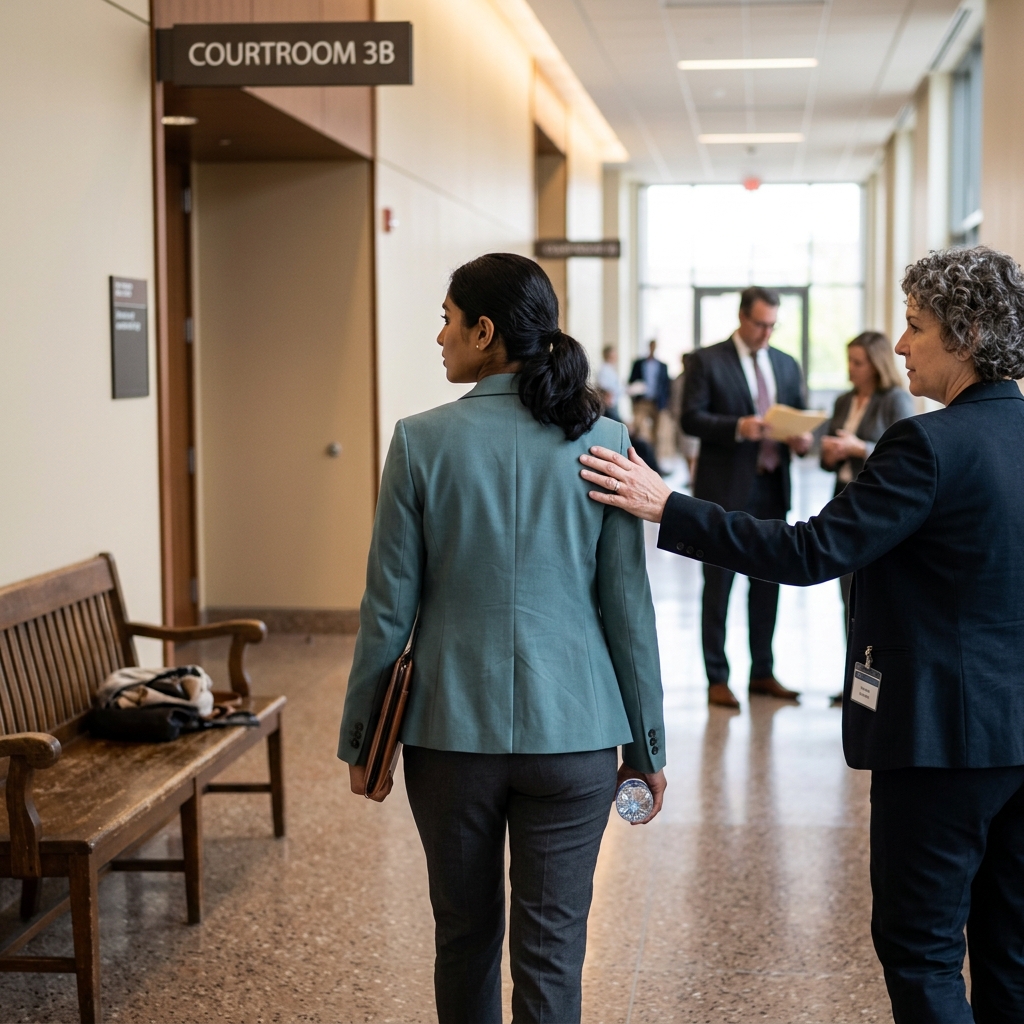
Experiencing domestic violence is traumatic, and facing a criminal trial afterward can feel overwhelming. This guide is designed to help victims and survivors understand what happens in court, how to work with the prosecution, and how to stay as safe and supported as possible throughout the process.
While laws and procedures vary by jurisdiction, many core principles are consistent. This article offers general information, not personalized legal advice. Victims should speak with a qualified attorney or advocate in their area for guidance tailored to their situation.
Understanding How Domestic Violence Cases Move Through Court
Domestic violence cases typically enter the criminal justice system after an incident is reported to law enforcement. From that point, decisions are largely in the hands of the state, not the victim.
- Police response and arrest: Officers collect statements, document injuries, and may arrest the alleged abuser if they have probable cause, especially under mandatory arrest laws for family violence in some states.
- Prosecutor review: A prosecutor (or district attorney) reviews police reports and other evidence to decide whether to file criminal charges.
- Arraignment and bail: The accused appears in court, hears the charges, and bail or release conditions are set. Protective orders or no‑contact orders may be issued.
- Pretrial hearings: The defense, prosecution, and judge handle motions, evidence issues, and scheduling.
- Trial or plea: The case may resolve with a plea agreement or proceed to trial, where a judge or jury decides guilt.
It is crucial to recognize that the state is the party bringing the case. Victims cannot “press” or “drop” charges on their own; prosecutors make those decisions based on evidence and public safety considerations.
Key Participants in a Domestic Violence Trial
Many professionals may be involved in a domestic violence case. Knowing who they are and what they do can make the process less intimidating.
| Role | Main Responsibilities | How They Interact With Victims |
|---|---|---|
| Prosecutor / District Attorney | Represents the government; decides charges; presents evidence in court. | May interview you, explain options, and prepare you to testify; cannot act as your personal lawyer. |
| Defense Attorney | Represents the accused; challenges evidence; protects the defendant’s rights. | May cross‑examine you in court; does not represent you and may seek to undermine your account. |
| Judge | Ensures fair proceedings; rules on evidence; instructs the jury. | Can issue protective orders, set conditions of release, and manage courtroom safety. |
| Victim/Witness Advocate | Supports victims emotionally and practically; helps navigate court processes. | May assist with safety planning, court accompaniment, and explaining what to expect. |
| Law Enforcement | Investigates, gathers evidence, enforces court orders. | May take further statements, deliver subpoenas, and respond to safety concerns. |
Preparing Emotionally and Practically for Court
Domestic violence trials can involve re‑telling painful experiences in a public setting. Thoughtful preparation can reduce anxiety and help you feel more secure.
Build a Support Network
- Victim services: Many prosecutors’ offices and courts have dedicated victim/witness units that provide information, accompaniment, and referrals.
- Advocacy organizations: Community domestic violence programs often offer crisis counseling, shelter, and legal advocacy.
- Trusted people: Friends, family, or community members can offer emotional support and help with childcare, transportation, and daily needs.
Consider discussing the trial with a counselor or therapist experienced in trauma. They can help you prepare for triggers and build coping strategies, though you should be aware that counseling records may later be requested in some cases.
Plan for Safety Before, During, and After Hearings
The risk of further abuse can increase when an abuser faces criminal consequences. Safety planning is essential.
- Ask your advocate or prosecutor about measures like separate waiting areas, staggered exit times, or security escorts in the courthouse.
- Keep copies of any protective orders with you and share them with your workplace, children’s schools, and others as appropriate.
- Have a plan for where you will stay, how you will get to and from court, and who you can call if you feel unsafe.
- Consider technology safety: change passwords, review privacy settings, and be cautious about posting court dates or locations online.
Working With Prosecutors and Understanding Your Role
Victims are central witnesses in many domestic violence cases, but they are not the ones “suing” the abuser. The prosecutor represents the public interest and makes legal decisions based on the evidence and law.
What Prosecutors Need From Victims
Because domestic violence often happens behind closed doors, the victim’s testimony can be the most important evidence.
- Detailed, truthful account: Describe what happened, including prior incidents, threats, and context. Even small details may help corroborate your story.
- Evidence and documentation: Provide photographs of injuries, damaged property, text messages, emails, social media posts, medical records, and any recordings you legally obtained.
- Updates on safety: Inform the prosecutor or advocate about new threats, harassment, or violations of court orders so they can respond quickly.
It is important to be honest about your feelings regarding the case, including fears about testifying or concerns about economic or family consequences. This helps prosecutors understand the pressures you face and plan accordingly.
Your Rights and Limitations as a Victim
Victim rights vary by jurisdiction, but many places guarantee certain core protections.
- The right to be informed about key hearings and case developments.
- The right to be present at certain court proceedings, subject to rules of evidence and procedure.
- The right to be heard at sentencing or release hearings in some jurisdictions, including through victim impact statements.
- In many places, the right to reasonable protection from the accused, including no‑contact orders.
However, victims generally do not control whether charges are filed or dropped, whether plea agreements are offered, or how the prosecutor argues the case.
Testifying in a Domestic Violence Trial
For many survivors, the idea of testifying is the most stressful part of the court process. Understanding what to expect can make it more manageable.
Why Your Testimony Matters
Courts recognize that a victim’s testimony is evidence, and a credible account can be enough to support a conviction when the judge or jury believes it. Prosecutors typically seek additional evidence to corroborate your story—such as photographs, medical records, or witness statements—but your words are often the foundation of the case.
What Happens When You Take the Stand
- Direct examination: The prosecutor asks you questions to explain what happened and why you remember events the way you do.
- Cross‑examination: The defense attorney questions you, sometimes aggressively, to test your memory, credibility, and consistency.
- Judge’s role: The judge ensures the questions follow the rules of evidence and may intervene if questioning becomes abusive or irrelevant.
Many prosecutors will try to lessen the trauma of testifying by showing you the courtroom in advance, reviewing your prior statements, and explaining how questioning works. Victim advocates can also accompany you and help you practice grounding techniques to manage anxiety.
Practical Tips for Testifying
- Tell the truth, even if you are unsure about exact times or dates; it is acceptable to say you do not remember.
- Listen carefully to each question and answer only that question. You can ask for the question to be repeated or clarified.
- Take your time. You do not need to answer immediately; pausing to think is allowed.
- Look toward the judge or jury when answering, as they are the ones who will decide the case.
- If you become overwhelmed, you can ask the judge or prosecutor for a brief break.
Facing Pressure Not to Testify or to Change Your Story
Victims of domestic violence often face intense pressure from the abuser, their family, or even their community to avoid cooperating with the prosecution. This can include emotional manipulation, financial threats, or direct intimidation.
Recognizing Dangerous Pressure
- Threats to harm you, your children, or other loved ones if you testify.
- Demands that you recant your statement or “tell the court it was your fault.”
- Pressure to sign documents you do not understand.
- Attempts to control your access to transportation, childcare, or money so you cannot attend court.
These behaviors are part of the same power and control pattern that often underlies domestic violence. Inform your advocate, prosecutor, or law enforcement about any such pressure; it may itself be a crime or a violation of existing orders.
Legal Implications of Changing Your Account
Altering your story to protect the abuser—such as denying previously reported violence—can have serious consequences, both for the criminal case and your credibility. Prosecutors and courts are familiar with patterns of recantation in domestic violence cases and may use prior statements, recordings, or other evidence to challenge inconsistent testimony.
If you feel unable or unwilling to testify, or if you are considering changing your account, speak confidentially with an advocate or your own attorney about the risks and alternatives. In some jurisdictions, victims cannot be jailed for refusing to testify in domestic violence cases, although they may still be required to appear in court and could face fines for ignoring subpoenas.
Special Considerations for Immigrant Victims
Immigrants, including those without legal status, may fear that contacting police or participating in a trial will increase their risk of deportation or family separation. Laws in some countries provide specific protections and immigration options for victims of domestic violence.
- In the United States, the Violence Against Women Act (VAWA) allows some undocumented victims to seek immigration relief independent of their abusive partner.
- Certain visas or humanitarian programs may be available for victims who cooperate with law enforcement regarding serious crimes.
- Advocates or legal aid organizations with immigration expertise can help assess options and minimize risks.
If your immigration status complicates your situation, seek advice from an attorney who understands both criminal law and immigration law. Do not rely on the abuser’s assurances or threats about your status.
After the Verdict: Sentencing, Orders, and Ongoing Safety
When a case concludes—either through a guilty verdict, plea agreement, or acquittal—the court may issue orders that affect your safety and the abuser’s behavior.
Possible Outcomes in Domestic Violence Cases
- Conviction and sentencing: The abuser may receive jail time, probation, fines, or mandated counseling focused on power and control, rather than just anger management.
- Protective orders: Courts often impose or extend no‑contact orders, enforceable by arrest if violated.
- Specialized domestic violence courts: Some jurisdictions use specialized courts to better coordinate victim safety and offender accountability.
Research suggests that a combination of short incarceration and targeted counseling can help reduce repeat violence when programs focus on responsibility and control issues. However, ongoing safety planning remains crucial even after sentencing.
Continuing Safety and Recovery
- Maintain contact with your advocate or support organization to update your safety plan regularly.
- Consider longer‑term counseling or support groups focused on healing from trauma.
- Review financial, housing, and employment needs and seek resources that support independence.
- Stay informed about the offender’s release dates and conditions, when possible, through victim notification systems.
Frequently Asked Questions (FAQ)
Do I need my own lawyer if I am a victim in a domestic violence case?
Victims are not required to hire a lawyer to cooperate with prosecution, and many do not. However, having your own attorney can be helpful if you face related issues like divorce, custody, immigration concerns, or complex safety questions. An independent lawyer represents your interests, which may not always perfectly align with the prosecutor’s goals.
Can I decide to drop the charges against my partner?
In criminal domestic violence cases, the state—through the prosecutor—controls whether charges proceed or are dismissed. Victims can share their wishes and concerns, but they do not have the final say. Prosecutors consider evidence, risk to the victim and community, and legal standards in making decisions.
What if I am scared to testify?
Fear of testifying is extremely common among domestic violence victims. Speak with your advocate and prosecutor about your fears. They may be able to adjust security arrangements, prepare you more thoroughly, or seek accommodations allowed under the rules of evidence. In some jurisdictions, victims cannot be jailed for refusing to testify, but ignoring subpoenas or court orders can still have consequences.
Will the judge or jury believe me if there is no physical evidence?
Physical evidence such as photos or medical reports can strengthen a case, but it is not always required. Courts recognize that a victim’s testimony is evidence, and a credible account can support a conviction. Prosecutors often look for ways to corroborate your story with other information, such as prior consistent statements or witness observations.
How can I find help while my case is going through court?
Start by contacting the victim/witness unit in your local prosecutor’s office or the court’s family services or victim assistance program. Community domestic violence organizations and hotlines can also provide safety planning, shelter, counseling, and referrals to legal services.
References
- Domestic Violence — Mass.gov. 2024-02-01. https://www.mass.gov/info-details/domestic-violence-0
- Domestic Violence FAQs — Connecticut Judicial Branch. 2023-05-10. https://www.jud.ct.gov/faq/Domviolence.htm
- Domestic Violence Courts — National Institute of Justice. 2022-11-15. https://nij.ojp.gov/topics/courts/domestic-violence-courts
- Framework for Prosecutors to Strengthen Our National Response to Sexual Assault and Domestic Violence — U.S. Department of Justice, Office on Violence Against Women. 2016-12-01. https://www.justice.gov/ovw/framework-prosecutors-strengthen-our-national-response-sexual-assault-and-domestic-violence
- Unit 5: Overview of the Legal System in Domestic Violence Cases — Simmons University DV Training. 2020-08-20. https://dvtraining.simmons.edu/units/unit-5-overview-of-the-legal-system-in-domestic-violence-cases
- Domestic Violence & The Courtroom — American Judges Association. 2008-01-01. https://www.amjudges.org/sites/default/files/media/document/AJA-Domestic-violence-the-courtroom.pdf
- The Difficulty of Evidence in Domestic Violence Cases — Wallin & Klarich. 2015-06-01. https://www.wklaw.com/he-said-she-said-the-difficulty-of-evidence-in-domestic-violence-cases/
Similar Articles








Read full bio of medha deb




