
Navigating Complex Family Relationships for Healing
Healing through the navigation of complex family dynamics and trauma.
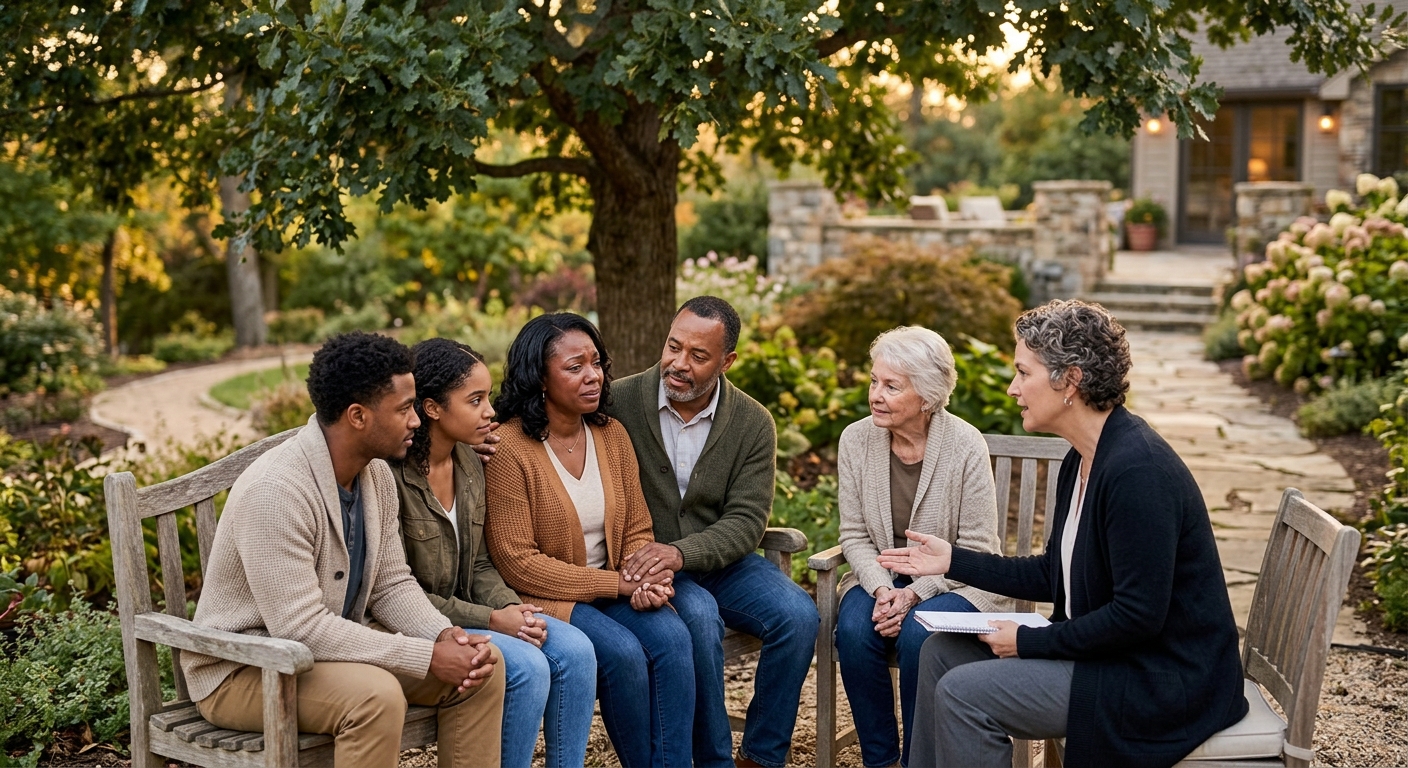
The Transformative Power of Facing Complex Family Dynamics
Family is often romanticized as a sanctuary of unconditional love and unwavering support. However, for many individuals—especially those who have interacted with the child welfare system or experienced childhood disruptions—family relationships are intricately layered with pain, separation, and unresolved trauma. Navigating these complex family relationships is rarely a straightforward endeavor. It requires immense emotional labor, a willingness to confront painful histories, and a dedication to breaking generational cycles. Yet, it is within this very navigation that profound psychological healing often occurs. By addressing rather than avoiding the fractured bonds of our family of origin, individuals can reclaim their narratives and foster lasting emotional resilience.
The journey toward healing does not necessarily mandate complete reconciliation or the erasing of past grievances. Instead, it involves understanding the systemic nature of familial trauma and recognizing how early attachment disruptions shape adult behaviors. Whether one is dealing with the aftermath of out-of-home placements, navigating the intricacies of family reunification, or simply attempting to set healthy boundaries with difficult relatives, the process of parsing out these complex dynamics is fundamentally transformative. It shifts the burden of shame from the individual back to the system, allowing for a profound sense of personal liberation and psychological growth.
Understanding the Roots of Familial Complexity
To truly heal, one must first deconstruct what makes a family relationship “complex.” Complexity in familial bonds generally stems from a mixture of intergenerational trauma, inconsistent caregiving, and long-standing environmental stressors. Intergenerational trauma occurs when the psychological and emotional effects of severe adversity are passed down from one generation to the next. This transmission often happens unconsciously, woven deeply into the fabric of parenting styles, communication patterns, and coping mechanisms over decades.
For example, a parent who experienced severe emotional neglect in their own childhood may struggle to provide emotional attunement to their offspring. This creates an invisible cycle where the child interprets the lack of connection as a personal failing, leading to internalized shame or an anxious attachment style. In more severe cases, such as those involving substance abuse, poverty, or physical maltreatment, the family home transforms from a haven into a landscape of constant unpredictability and hypervigilance.
Understanding these roots requires shifting the internal dialogue from “What is wrong with me?” to “What happened to my family?” This reframing is a vital cornerstone of trauma-informed care. It allows individuals to view their family members not solely as perpetrators of emotional distress, but as deeply flawed individuals who are often acting out their own unhealed, historical wounds. Recognizing this dynamic does not excuse abusive or negligent behavior, but it provides a necessary cognitive distance. This distance facilitates emotional regulation, enabling the individual to process their grief without being entirely consumed by anger.
The Intersection of Trauma, Attachment, and Child Welfare
Nowhere is the complexity of family dynamics more evident than within the child welfare and foster care systems. When a child is removed from their home due to safety concerns, the immediate goal of the state is physical protection. However, the abrupt severing of primary attachment bonds introduces an entirely new layer of psychological distress. Children inherently crave connection with their biological parents, even in situations where the home environment was dysfunctional or dangerous. This creates a profound emotional paradox: yearning for the very people who caused harm or could not provide safety.
Studies on child development continuously emphasize that secure early attachments are critical for long-term emotional regulation and cognitive growth. When these attachments are repeatedly disrupted by multiple foster placements or delayed permanency, adolescents and young adults may develop profound trauma bonds or display symptoms of complex post-traumatic stress disorder (C-PTSD). A trauma bond is an emotionally complex interpersonal relationship forged through cycles of abuse, remorse, and intermittent reinforcement. Breaking or reshaping these bonds in adulthood requires highly specialized therapeutic interventions and an immense amount of self-awareness.
According to trauma-informed protocols supported by public health organizations, successful family reintegration or individual healing demands an explicit acknowledgment of these disrupted attachments. Interventions must address the deep-seated grief associated with the loss of the “ideal” family while helping the individual process the stark reality of their lived experience. For young people aging out of the foster care system or attempting to cautiously reconnect with biological relatives, the healing process involves establishing an entirely new framework for relationships—one based on safety, mutual respect, and highly realistic expectations rather than a desperate, unfulfilled need for parental validation.
How Trauma Responses Manifest in Family Units
Trauma rarely exists in a vacuum. It reverberates through the entire family ecosystem, fundamentally altering how members interact, communicate, and resolve ongoing conflicts. Trauma significantly impacts the family system, often leading to heightened vigilance, emotional numbing, and severe communication breakdowns across the entire household. When families operate under the chronic stress of unhealed trauma, standard interpersonal interactions can quickly escalate into full-blown emotional crises.
In a highly complex family environment, individuals often adopt specific survival roles to maintain a fragile semblance of equilibrium. Some may become the “caretaker” or “parentified child,” entirely suppressing their own developmental needs to manage the volatile emotions of the adults around them. Others might involuntarily adopt the role of the “scapegoat,” acting out the family’s internalized chaos through rebellious or self-destructive behavior. These roles, while highly adaptive and necessary for survival in childhood, become maladaptive in adulthood, actively hindering the formation of healthy romantic and platonic relationships outside the family unit.
Healing fundamentally requires individuals to identify these ingrained, subconscious roles and consciously choose to step out of them. This process is inherently destabilizing because it challenges the unspoken, rigid rules that have governed the family system for years or even generations. When one person begins to set boundaries, attend therapy, or refuses to engage in toxic communication patterns, the rest of the family may react with severe confusion, anger, or systemic pushback. Anticipating and weathering this inevitable pushback without reverting to old behaviors is a vital component of the personal recovery journey.
The Role of Family Systems Theory in the Healing Process
Family Systems Theory, a foundational concept widely utilized in clinical therapeutic settings, posits that a family is an intensely interconnected unit wherein each member’s behavior deeply and inevitably influences the others. Rather than viewing a single person’s psychological struggles—such as anxiety, depression, or substance use—as an isolated pathology, this theory looks at the individual as a symptom bearer for the larger family dysfunction.
By applying a family systems perspective, mental health professionals can help individuals comprehensively map out the intergenerational patterns of their lineage. Clinical tools like genograms—detailed visual representations of family relationships, medical histories, and traumatic events—are frequently used to highlight recurring themes of addiction, divorce, mental illness, or systemic poverty. Seeing these patterns laid out objectively on paper allows individuals to externalize their trauma. It provides tangible, visual proof that their struggles are part of a larger historical context, thereby drastically reducing feelings of isolation and self-blame. Understanding that one’s chronic anxiety or emotional avoidance is a systemic inheritance rather than a personal character defect is profoundly liberating and acts as a catalyst for deep emotional healing.
Actionable Strategies for Navigating Complex Relationships
Navigating a complex family relationship does not adhere to a neat, one-size-fits-all timeline. However, consciously incorporating specific, actionable psychological strategies into daily life can significantly accelerate the healing process and protect individual well-being.
- Establishing Clear and Firm Boundaries: Boundaries are the absolute foundation of any healthy relationship. For those dealing with complex families, boundaries might mean limiting the duration of holiday visits, refusing to engage in specific triggering topics of conversation, or temporarily stepping back from communication entirely to preserve mental peace.
- Practicing Radical Acceptance: This psychological concept involves accepting reality exactly as it is in the present moment, without attempting to fight, ignore, or deny it. Radical acceptance in a family context means letting go of the persistent fantasy that a parent or sibling will spontaneously change, and instead grieving the supportive relationship you wish you had.
- Engaging in Trauma-Informed Therapy: Professional guidance is often non-negotiable when attempting to untangle deep-seated developmental trauma. Evidence-based modalities such as Eye Movement Desensitization and Reprocessing (EMDR), Dialectical Behavior Therapy (DBT), and Internal Family Systems (IFS) are highly effective in treating complex relational trauma.
- Cultivating a “Chosen Family”: Biological ties are not the only, nor always the most valid, form of kinship. Actively building a diverse network of friends, mentors, colleagues, and partners who provide consistent, unconditional support can help completely satisfy the fundamental human need for connection and belonging.
- Committing to Self-Compassion: Healing is wildly non-linear. There will undoubtedly be days of profound grief, unexpected anger, and moments of emotional regression. Treating oneself with the exact same kindness, grace, and patience one would naturally offer a beloved friend is crucial for sustaining long-term recovery.
The Nuances of Family Reunification and Reintegration
In the specific context of the child welfare system, family reunification is frequently cited as the primary, preferred objective. Federal guidelines and modern child welfare policies heavily emphasize the implementation of trauma-informed care models to ensure that reunification processes do not inadvertently re-traumatize the youth or the biological caregivers. However, actual reunification is an incredibly delicate and nuanced process. It requires immense systemic support, including rigorous parental rehabilitation, comprehensive mental health interventions, housing assistance, and continuous, empathetic monitoring.
When reunification is genuinely safe, supported, and successful, it can lead to profound, generational healing. It allows the family to actively rewrite their core narrative, moving from a story defined by fracture and state intervention to one of incredible resilience. The supported reunification process teaches crucial conflict resolution skills and demonstrates firsthand that severe relational rupture can indeed be followed by meaningful repair.
For individuals who navigate relationships with their complex families independently in adulthood, “reunification” might look drastically different from the child welfare definition. It could manifest as a superficial but highly peaceful relationship maintained at a safe geographic distance, or a deeply renegotiated emotional bond built entirely on newly established mutual respect. To clearly understand the stark differences between healing dynamics and damaging ones, consider the following structural comparisons:
| Aspect of Relationship | Unhealthy / Complex Dynamic | Healing / Restorative Dynamic |
|---|---|---|
| Communication Style | Passive-aggressive, highly critical, unpredictable, or completely avoidant of difficult topics. | Open, direct, emotionally regulated, and highly respectful of individual perspectives and feelings. |
| Conflict Resolution | Grudges are held for years; blame is consistently shifted entirely onto one specific person (scapegoating). | Personal accountability is taken; the primary focus remains on resolving the issue at hand collaboratively. |
| Boundary Setting | Enmeshed (no separation of identity), completely non-existent, or overly rigid and isolating. | Flexible but firm; individual autonomy, physical space, and emotional limits are implicitly respected. |
| Emotional Support | Highly conditional, based entirely on strict compliance, financial success, or specific achievements. | Unconditional and consistent, actively acknowledging the person’s inherent, unshakeable worth. |
Frequently Asked Questions (FAQs)
What exactly is intergenerational trauma?
Intergenerational trauma refers to the complex psychological and emotional effects of severe trauma that are involuntarily transferred from one generation of a family to the next. This transmission can occur through learned coping behaviors, disrupted attachment styles, and even epigenetic changes that fundamentally alter the body’s natural stress responses.
Can complex family relationships ever truly be fixed?
“Fixed” is a highly subjective term in psychology. While it is incredibly rare for a deeply complex, historically traumatized family to suddenly become entirely harmonious, individual relationships can often be vastly improved through the strict establishment of boundaries, open communication, and dedicated individual therapy. Ultimately, healing often means finding internal peace within the dynamic, regardless of whether the other family members choose to change their behavior.
How does trauma-informed care actually help families heal?
Trauma-informed care actively shifts the clinical and personal focus from asking “What is wrong with you?” to asking “What happened to you?” It heavily emphasizes physical and emotional safety, the rebuilding of trust, and personal empowerment. For families, this specialized approach helps efficiently de-escalate conflicts by viewing maladaptive, frustrating behaviors as deeply ingrained trauma responses rather than malicious, intentional slights.
What should I do if a family member consistently refuses to respect my boundaries?
If a family member repeatedly and deliberately violates your clearly stated boundaries, you may need to permanently increase the distance in the relationship to protect yourself. This protective action could range from strictly limiting contact to specific settings, to—in severe cases involving emotional or physical safety—implementing a prolonged period of no contact.
Conclusion
Navigating complex family relationships is an undoubtedly arduous but ultimately rewarding expedition into the deepest parts of the self. By bravely choosing to confront the immense discomfort of intergenerational trauma, systemic family dysfunction, and disrupted early attachments, individuals actively create the necessary internal space for profound psychological healing. Whether this lifelong journey eventually leads to a beautifully renegotiated relationship with biological relatives or the necessary, joyful cultivation of a fiercely supportive chosen family, the process itself builds unparalleled emotional resilience. Healing from familial trauma is never about erasing the painful past; rather, it is about skillfully integrating that past into a much stronger, more deeply authentic version of oneself. In the end, choosing to consciously navigate the complexity is the very mechanism that ultimately sets us free.
References
- How does PTSD affect families? — U.S. Department of Veterans Affairs. 2026-05-13. https://www.ptsd.va.gov/family/effect_ptsd.asp
- Recommendations for Trauma-Informed Care Under the Family First Prevention Services Act — Substance Abuse and Mental Health Services Administration (SAMHSA). 2018. https://www.nctsn.org/sites/default/files/resources/special-resource/recommendations_for_trauma_informed_care_under_the_family_first_prevention_services_act.pdf
- Family Systems Therapy: Navigating Complex Family Dynamics — Indiana Wesleyan University. 2025-09-11. https://indwes.edu/blog/family-systems-therapy
Similar Articles








Read full bio of medha deb


