
National Adoption Awareness Month: Key Legal Issues
Explore the major legal developments, rights, and responsibilities that shape adoption during National Adoption Awareness Month.
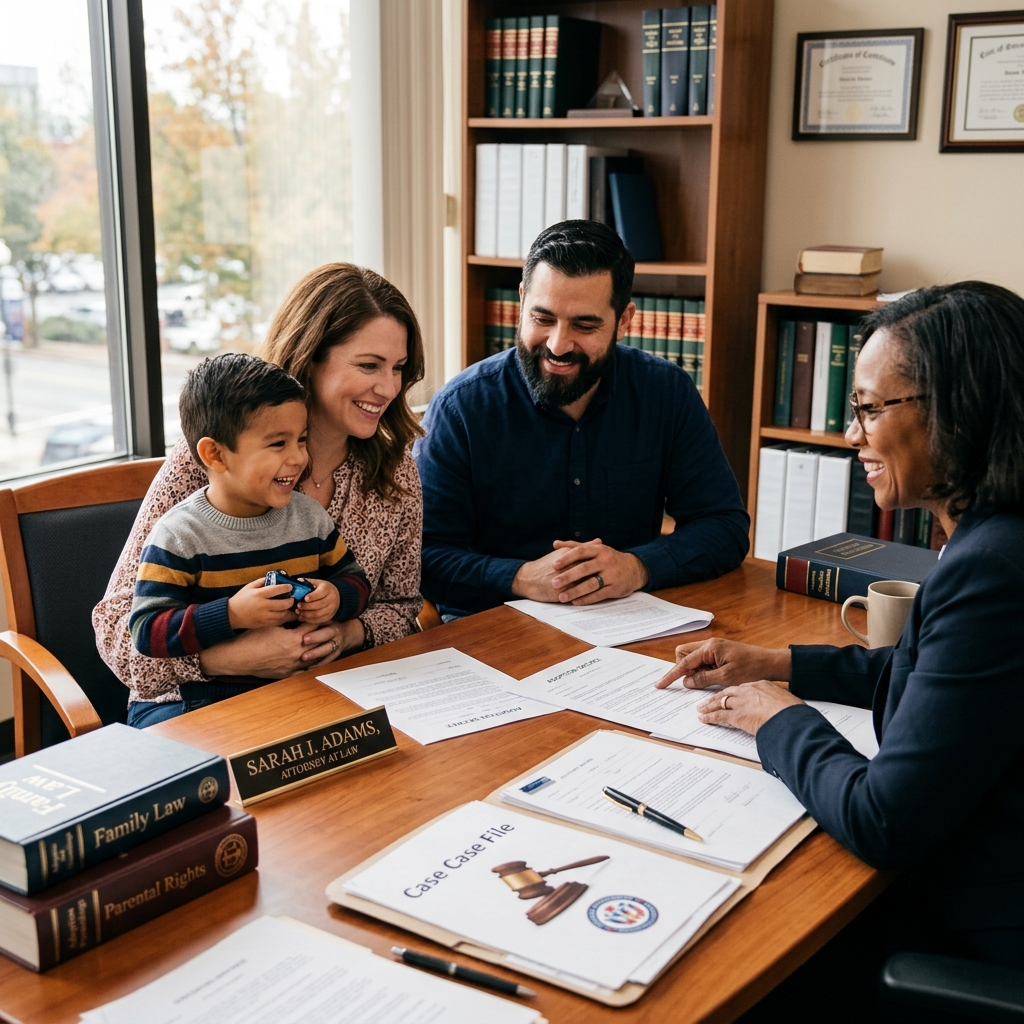
National Adoption Awareness Month, observed each November in the United States, highlights the need for permanent families for children in foster care and raises awareness about adoption-related issues across the country. It is also an opportunity to examine the legal framework that shapes adoption, the rights and responsibilities of everyone involved, and recent developments that affect how children move from temporary care into stable, permanent homes.
Although many celebrations focus on stories of families formed through adoption, the law is the backbone that protects children, adoptive parents, and birth parents throughout this complex process. Understanding the rules, safeguards, and evolving policies is essential for anyone considering adoption or working within the child welfare system.
What National Adoption Awareness Month Represents
National Adoption Awareness Month began as an effort to call attention to children in foster care who were legally free for adoption but still waiting for permanent homes. Over time, it has grown into a broader campaign that:
- Promotes understanding of different types of adoption, with a special focus on foster care adoption.
- Encourages communities, courts, and agencies to host events that finalize adoptions and celebrate new families.
- Raises public awareness about the number of children awaiting permanent families and the barriers that slow the process.
- Highlights the importance of ethical practices that respect the rights of birth parents and adoptees.
Many states issue proclamations recognizing November as Adoption Awareness Month and coordinate activities through child welfare agencies and courts. National Adoption Day, typically held on a Saturday in November, is a focal point where judges, social workers, and lawyers come together to finalize hundreds or thousands of adoptions nationwide.
Core Adoption Pathways in the U.S. Legal System
Although adoption law varies by state, three broad pathways are commonly recognized:
- Public foster care adoption – where children have been removed from their birth families due to abuse, neglect, or other safety concerns, and parental rights have been terminated.
- Private domestic adoption – typically involving voluntary placement through agencies or independent arrangements under state regulation.
- Intercountry adoption – governed by both U.S. immigration and adoption law, plus international treaties such as the Hague Adoption Convention.
National Adoption Awareness Month campaigns focus primarily on foster care adoption, reflecting the large number of children in government custody who need permanent homes. Many of these children have experienced trauma, multiple placements, or long periods in care before they become eligible for adoption.
Legal Status of Children in Foster Care
Before a child in foster care can be adopted, several legal steps must occur:
- The child must be adjudicated as abused, neglected, or otherwise in need of protection under state law.
- The state typically offers reunification services to birth parents, such as counseling, substance abuse treatment, or parenting classes.
- If reunification fails and legal standards are met, a court may terminate parental rights (TPR), clearing the way for adoption.
- Only after TPR or a voluntary surrender of rights can an adoption be finalized.
These steps are intended to balance the child’s need for stability with the constitutional rights of parents to raise their children.
Key Legal Principles in Adoption
Adoption law is built around a few foundational concepts that appear in statutes, regulations, and court decisions across the country:
Best Interests of the Child
The overarching legal standard in most adoption decisions is the best interests of the child. Judges and agencies consider factors such as:
- Safety and stability of the home environment.
- Emotional attachment and continuity of care.
- Cultural, linguistic, and religious background.
- Sibling relationships and extended family connections.
This standard guides whether to move a child toward adoption, which family to approve, and whether post-adoption contact with birth relatives is appropriate.
Parental Rights and Due Process
Birth parents have strong legal rights, including the right to notice, representation, and hearings before their parental rights are terminated. Courts must find clear and convincing evidence that statutory grounds for termination exist, such as chronic neglect, severe abuse, or failure to remedy conditions despite assistance.
In voluntary adoptions, consent must be obtained in a manner consistent with state law. This usually requires:
- Written, notarized consent after birth.
- Verification that the parent understands the consequences.
- Compliance with waiting periods or revocation windows set by statute.
Adoptee Rights and Identity
Adoptees gain a new legal identity through adoption, including a new birth certificate listing adoptive parents and full inheritance rights. At the same time, there is growing attention to adoptees’ interest in preserving or recovering their original identity.
Some states have reformed laws to allow adult adoptees access to original birth certificates under certain conditions, reflecting a shift toward transparency and recognition of adoptee autonomy.
Adoption Agencies, Social Workers, and Legal Responsibilities
Adoption agencies and social workers play a central role in navigating the legal process and ensuring compliance with ethical standards. Professional organizations emphasize that social workers must safeguard the welfare of children and respect the rights of all parties.
| Role | Key Legal Responsibilities |
|---|---|
| Public agency caseworker | Manage foster care files, coordinate services, document efforts to reunify families, and prepare cases for termination or adoption. |
| Private adoption agency | Conduct home studies, ensure informed consent, comply with state licensing requirements and interstate or international laws. |
| Social worker | Advocate for child safety and permanency, ethically guide birth parents and adoptive families, and support post-adoption adjustment. |
| Attorney | Advise clients on rights and obligations, draft petitions, represent parties in hearings, and ensure compliance with state and federal law. |
National Adoption Awareness Month in Courts and Communities
During National Adoption Awareness Month, courts and agencies often organize events that combine legal proceedings with public celebration. For example, some jurisdictions hold special sessions where dozens of adoptions are finalized in a single day, sometimes called “Adoption Day” events.
Typical Activities During the Month
- Mass adoption finalization days – where judges complete multiple adoptions with families, caseworkers, and supporters present.
- Educational campaigns – explaining how foster care adoption works and how prospective parents can begin the process.
- Recognition events – honoring foster parents, adoptive families, and social workers who help children achieve permanency.
- Community outreach – involving businesses, schools, and local organizations in promoting adoption awareness.
These events do not change the legal standards themselves, but they can increase visibility, help clear backlogs, and encourage families who may be hesitant to come forward.
Policy Trends and Ongoing Legal Debates
National Adoption Awareness Month also prompts discussion of policy reforms and ongoing debates in child welfare and adoption law. Governments and advocacy organizations use the month to highlight systemic issues and propose solutions.
Reducing Time in Foster Care
One continuing challenge is the length of time children spend in foster care before reaching permanency. Federal and state policies aim to reduce delays by setting timelines for case reviews and requiring agencies to actively pursue permanency options.
Strategies include:
- More frequent permanency hearings to ensure progress.
- Legal tools like concurrent planning, where reunification and adoption are pursued simultaneously.
- Recruitment campaigns targeted at families willing to adopt older youth, large sibling groups, or children with special needs.
Supporting Older Youth and Sibling Groups
Many children in foster care who are waiting for adoption are school-age, teenagers, or part of sibling groups that agencies seek to keep together. Legal and policy initiatives encourage:
- Preserving sibling bonds whenever possible in placement and adoption decisions.
- Creating legal guardianship or other permanency options when adoption is not feasible.
- Ensuring youth have a voice in decisions about their futures and post-adoption contact.
Post-Adoption Services and Legal Stability
Once an adoption is finalized, the legal relationship largely mirrors that of biological parent-child, but families may still need support. Policymakers emphasize the importance of post-adoption services, including counseling, educational support, and respite care, to help families remain stable over time.
How Individuals Can Engage During Adoption Awareness Month
Legal systems cannot function in isolation. National Adoption Awareness Month encourages individuals and organizations to take concrete steps to support children and families.
For Prospective Adoptive Parents
If you are considering adoption, this month is an ideal time to learn about legal requirements and practical steps. Common starting points include:
- Contacting your state or county child welfare agency for information on foster care adoption.
- Attending orientation sessions or information meetings offered during the month.
- Consulting an adoption attorney to understand state-specific laws and timelines.
- Exploring training opportunities offered by agencies and nonprofit organizations.
For Community Members and Advocates
You do not need to become an adoptive parent to make a meaningful contribution. Advocacy organizations suggest actions such as volunteering, donating, or raising awareness about youth still waiting for families.
- Volunteer with local foster care or adoption support organizations.
- Support mentoring programs that connect youth in care with stable adults.
- Encourage your workplace or faith community to host informational events.
- Share accurate legal and practical information to counter myths about adoption.
Frequently Asked Questions (FAQs)
Is National Adoption Awareness Month only about foster care adoption?
No. While the campaign emphasizes adoption from foster care because many children in public care need permanent families, National Adoption Awareness Month also raises awareness of private and international adoption issues, ethical practice, and adoptee rights.
Do adoption laws change during National Adoption Awareness Month?
Adoption laws do not change specifically for the month. Courts and agencies may schedule special events or focus on finalizing more adoptions during November, but the same statutes and legal standards apply all year. The month serves as a spotlight rather than a change in legal rules.
How long does foster care adoption usually take?
Timelines vary by state, the particular case, and whether parental rights have already been terminated. Federal and state policies aim to shorten the time children spend in care, but factors such as appeals, service completion, and finding an appropriate family can extend the process. Prospective parents should ask local agencies about typical timelines where they live.
Are adoptees’ original birth records always sealed?
Historically, many states sealed original birth records after adoption, but laws are changing. Some states now allow adult adoptees to access their original birth certificates or related information under defined conditions, usually through a structured application process. The specifics are governed by state law and can differ significantly.
What protections exist to prevent unethical adoptions?
Protections include licensing requirements for agencies, professional standards for social workers, court oversight of consent and termination, and criminal penalties for trafficking or fraud. Public campaigns during National Adoption Awareness Month also emphasize ethical practice and encourage reporting of concerns to authorities.
Using National Adoption Awareness Month as a Catalyst for Reform
Beyond celebration and individual action, National Adoption Awareness Month offers an annual opportunity for lawmakers, judges, and advocates to assess where adoption law succeeds and where it falls short. Areas frequently discussed during the month include:
- Improving collaboration between courts, agencies, and service providers.
- Strengthening support for birth families to prevent unnecessary removals.
- Enhancing data collection to track outcomes for adoptees and families.
- Addressing racial and cultural disparities in foster care and adoption systems.
By focusing attention each November, stakeholders can prioritize reforms that align legal processes with the goal of safe, permanent, and nurturing families for every child.
References
- National Adoption Month — Child Welfare Information Gateway, U.S. Children’s Bureau. 2023-10-01. https://www.childwelfare.gov/adoptionmonth/
- National Adoption Month — Adoption Network Cleveland. 2023-11-01. https://adoptionnetwork.com/community-events/national-adoption-month/
- November is National Adoption Month — Collier County Clerk of the Circuit Court & Comptroller. 2022-11-01. https://www.collierclerk.com/november-is-national-adoption-month/
- New York State Office of Children and Family Services Celebrates National Adoption Month — NYS OCFS. 2019-11-01. https://ocfs.ny.gov/main/news/article.php?idx=2717
- National Adoption Month: 4 Ways to Help — Dave Thomas Foundation for Adoption. 2023-11-01. https://www.davethomasfoundation.org/resource/national-adoption-month-4-ways-to-help/
- National Adoption Month — National Association of Social Workers. 2023-11-01. https://www.socialworkers.org/Practice/Child-Welfare/Child-Welfare-Tools/National-Adoption-Month
Similar Articles








Read full bio of medha deb


