
Naked Baby Photos and the Law: What Parents Need to Know
A practical legal guide for parents on nude baby photos, social media sharing, and avoiding child pornography accusations.
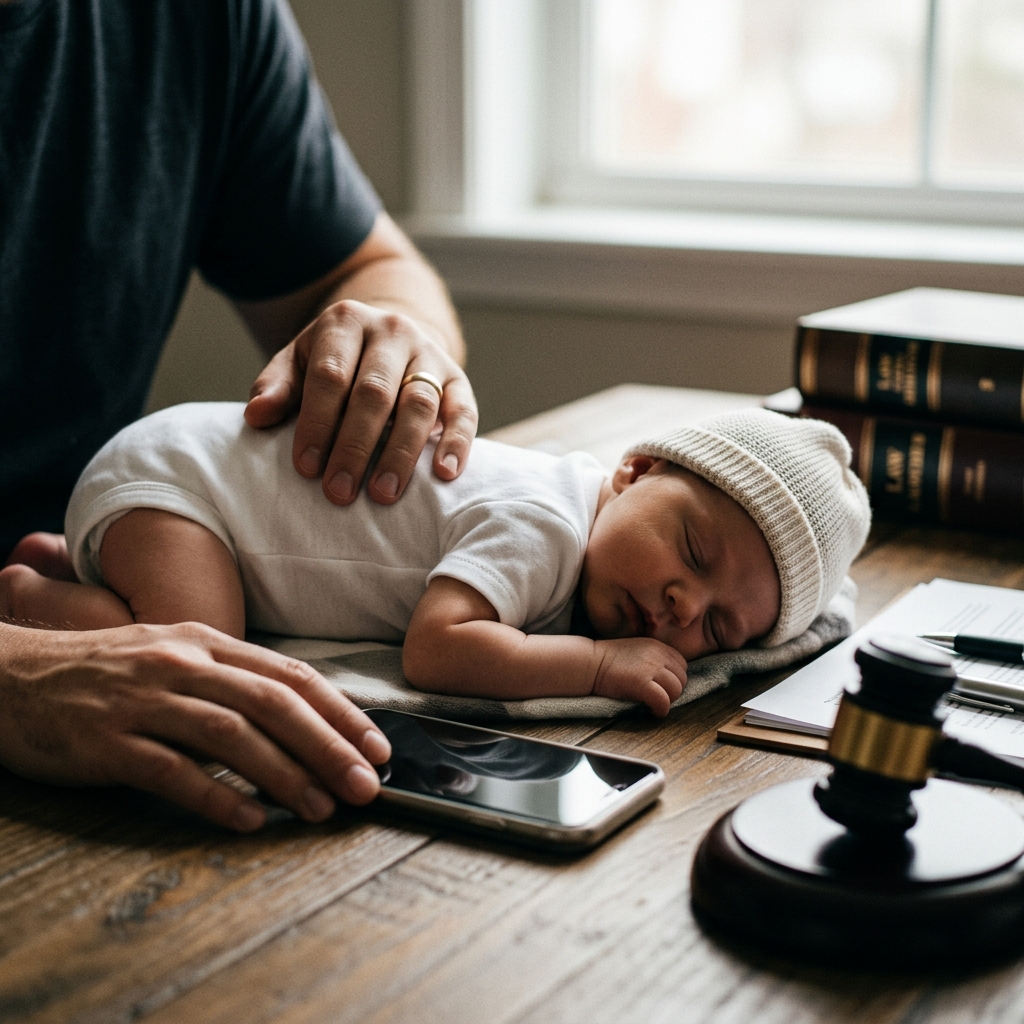
Many parents cherish photos of their babies in the bath, on the changing table, or playing without clothes. These images often feel harmless and sentimental. Yet in recent years, several families have faced investigation or even arrest after sharing such pictures, especially online. Understanding how the law treats nude images of children is essential to protecting both your child and yourself.
This article explains, in plain language, when naked baby photos are generally lawful, when they can cross the line into illegal child pornography, and how to reduce the risk of misunderstandings or legal trouble when taking, storing, or posting these images.
Why Innocent Baby Photos Can Become a Legal Problem
In the United States and many other jurisdictions, laws against child pornography are intentionally broad and strict. They aim to stop the production, possession, and distribution of sexual images involving minors. However, these broad definitions can sometimes sweep up innocent family photographs if authorities or others misinterpret them.
- Parents increasingly use smartphones and cloud services, which can automatically upload photos.
- Online platforms may use automated tools to detect possible sexual content and report it to law enforcement.
- Context can be lost when a single image is separated from the family album or story that makes it clearly innocent.
Legal commentators note that not all images of nude children amount to child pornography; simple nudity, without sexualization, is generally not illegal. Yet because decisions often depend on interpretation, parents can find themselves under scrutiny even when they never intended any harm.
Key Legal Concepts: What Counts as Child Pornography?
While exact language differs by state, child pornography laws in the U.S. usually focus on several core elements:
Sexualization and Focus of the Image
Courts and law enforcement look at whether the child is depicted in a sexual way. Factors may include:
- Whether the image highlights or focuses on the child’s genitals or buttocks.
- Whether the pose, setting, or objects suggest sexual activity or arousal.
- Whether clothing, props, or camera angles resemble adult sexual imagery.
Legal guides emphasize that nude images of children, without more, are generally protected expression and not automatically child pornography.
Age of the Child
Child pornography laws typically apply to individuals under 18 years old. However, some states distinguish for other sexual offenses, such as age of consent for sexual activity. Infants and toddlers are obviously below any age threshold, but their images can still be evaluated under these rules if someone alleges sexual content.
Intent and Use of the Image
Intent is often crucial. Some state proposals and commentaries discuss adding language that focuses on whether photos are used for sexual gratification. In other words:
- Images taken and kept as normal family keepsakes are generally lawful.
- Images created, shared, or traded for sexual excitement may be treated as criminal child pornography.
Distribution and Sharing
Even when the image itself is lawful, sharing can raise separate concerns:
- Sending images to a limited circle of trusted relatives is usually treated differently from posting them publicly.
- Forwarding nude images of minors beyond the family, especially to strangers or online communities, may be scrutinized as distribution.
- In rare cases, broad laws have been interpreted so that posting non-sexual baby bath photos could technically fall within outdated statutory language, prompting legal challenges.
How Different Laws Approach Nude Baby Photos
Legal systems try to balance two competing values: strong protection against sexual exploitation of children, and respect for ordinary family life and expression. This has led to diverse approaches.
Typical U.S. Approach
Many states and federal guidance recognize that parents commonly keep nude baby photos and that these are not inherently illegal. Legal summaries stress that the overall character of the image matters: innocence and normal family context weigh heavily against any claim of pornography.
Law enforcement officials sometimes clarify publicly that if a photo is taken solely to share among loved ones and has no sexual intent, parents generally face no arrest or charges. In these explanations, the distinction between family keepsakes and sexual exploitation is made explicit.
Broad or Ambiguous Statutes
Some laws have been criticized for language that, on its face, could cover harmless baby photos. For example, a challenge to an Arizona law argued that its terms were so broad that parents, teachers, or others could technically face felony charges for sharing non-sexual nude images of children, such as bathtub photos used in educational materials.
These concerns highlight how critical statutory wording is, and why lawmakers and courts must clarify that ordinary, non-sexual family images are excluded.
Proposed Reforms and Clarifications
In response to real cases and public unease, some policymakers have discussed refining legal exemptions for parents. One approach is:
- Keeping explicit protections for parents taking normal baby photos.
- Adding language focused on sexual intent or misuse, so law enforcement can target those acting outside the exemption.
These reforms aim to preserve family freedom while giving authorities tools to address genuinely exploitative behavior.
Practical Guidance for Parents: Minimizing Risk
Although most parents will never face prosecution over baby photos, it is wise to think carefully about what you capture and share. Legal practitioners and commentators recommend common-sense precautions.
Questions to Ask Before You Share
- Could someone reasonably misinterpret this photo as sexual? Consider the pose, any visible body parts, and surrounding objects.
- How would my child feel later? Imagine your child as a teenager or adult looking back at the image online.
- Is public posting necessary? Ask whether you really need to share this specific photo on a permanent, searchable platform.
If your honest answers make you uncomfortable, many lawyers and child advocates would suggest you skip posting that image.
Safer Sharing Strategies
Parents can reduce risk through simple changes in how they take and share photos:
- Avoid close-ups of genitals or buttocks. Even in innocent settings, such images may raise more questions.
- Prefer partial coverage. A towel, swimsuit, or strategic cropping can maintain cuteness while reducing exposure.
- Use private channels. Share intimate family photos via encrypted messaging, private albums, or printed copies instead of public feeds.
- Check platform settings. Turn off automatic public sharing and carefully review who can see your photos.
- Be mindful of metadata. Location tags and timestamps can reveal where and when vulnerable images were taken.
Storing and Deleting Photos
Beyond posting, think about how images are stored:
- Keep sensitive photos in secure, password-protected folders.
- Remove images from devices you plan to sell, donate, or repair.
- Consider deleting photos that make you uneasy, especially if you no longer need them.
Some prosecutors have explained that if a child receives an inappropriate photo and deletes it immediately, legal consequences are rare; more serious problems arise when such images are saved, forwarded, or shared. A similar principle applies when adults handle images responsibly.
Intent Versus Outcome: When Innocent Parents Face Scrutiny
There have been cases where parents were investigated or even arrested because automated systems, photo technicians, or others flagged nude baby pictures as suspicious. Although outcomes often depend on context, such experiences can be frightening and damaging.
| Scenario | Legal Risk Level | Key Factors |
|---|---|---|
| Parent takes bath-time photos, keeps them in a private family album. | Low | Private use, non-sexual, limited access. |
| Parent posts a nude baby picture to a large public social media audience. | Moderate | Public visibility, possible misinterpretation, platform scanning. |
| Adult shares multiple nude images of children with strangers online. | High | Distribution, potential sexual interest, pattern of behavior. |
| Images show unusual focus on genitals or sexual poses. | Very High | Strong indicators of exploitation, more likely to be treated as child pornography. |
Legal commentators warn that even a remote chance of being falsely accused is emotionally and reputationally serious. Thoughtful photo habits can help keep this risk as low as possible.
Ethical and Privacy Considerations Beyond the Law
Even if a particular photo is clearly lawful, there are broader ethical questions around children’s privacy and digital footprints. Young children cannot meaningfully consent to having intimate images posted online, yet those images may persist for decades.
- Dignity and self-image: Embarrassing photos shared widely may affect how a young person feels about their body or past.
- Future control: Once photos are public, it can be difficult or impossible for your child to remove them later.
- Data use: Platforms can analyze and potentially repurpose images in ways you did not anticipate.
A balanced approach is to weigh sentimental value against these long-term concerns, choosing images that celebrate your child while respecting their privacy.
Frequently Asked Questions (FAQ)
1. Is it illegal to take nude photos of my own baby at home?
In most circumstances, taking ordinary, non-sexual photos of your own baby is not illegal. Legal resources emphasize that simple nudity, without more, does not automatically make an image child pornography. However, context matters, so avoid sexualized poses or unusual focus on genitalia.
2. Can I send naked baby photos to close family members?
Generally, sending a harmless baby bath or changing-table photo to close relatives is treated as normal family sharing, not criminal distribution. Some legal discussions even note that there are typically no laws prohibiting a parent from sharing nude baby photos with trusted relatives. Nonetheless, consider the privacy and judgment issues discussed above.
3. What if I post a nude baby picture on social media?
Many parents do this without incident, but posting publicly increases several risks: misinterpretation by strangers, misuse of the image, or automated reporting by platforms. Law enforcement statements suggest that if the image is clearly non-sexual and meant for loved ones, arrest is unlikely. Still, limiting audience and avoiding full nudity may be wiser.
4. Can a harmless photo really be considered child pornography?
Under some broad statutes, overly literal readings could sweep up innocent photos. Legal challenges have argued that poorly drafted laws might technically cover non-sexual nude images, such as bathtub photos, making them felonies. Courts and reforms usually aim to prevent that outcome, but the theoretical risk reinforces the importance of careful legislation and conservative photo-sharing habits.
5. What should I do if someone accuses me of wrongdoing over baby photos?
If you learn that a photo has been flagged or that authorities are asking questions, contact an experienced attorney promptly. Do not delete images once you know they may be evidence, but do avoid further sharing. A lawyer can help explain the context—family album versus sexual material—and guide you through any investigation.
6. Are there clear rules for what is always allowed or forbidden?
There is no single universal rule, because laws vary and each case is judged on specific facts. However, you can stay well within the safe zone by avoiding sexualized imagery, limiting public exposure, and treating your child’s dignity and future privacy as central values when deciding what to photograph and share.
Key Takeaways for Parents
- Ordinary nude baby photos are usually lawful when they are non-sexual and kept within the family.
- Sexualization, focus on genitalia, and distribution to strangers are major warning signs that can bring images under child pornography laws.
- Intent and context matter; photos taken as innocent keepsakes are treated differently from images created or shared for sexual gratification.
- Online posting carries extra risk because algorithms, strangers, and broad statutes can misinterpret or misuse images.
- Ethical and privacy concerns suggest parents should protect their children’s dignity and digital future, not just focus on what is strictly legal.
By combining basic legal awareness with thoughtful parenting choices, you can continue to capture your child’s milestones while greatly reducing the chance that cherished memories become legal or privacy headaches.
References
- Innocent Baby Photos or Child Pornography? Legal Overview — Lawyers.com / Nolo. 2020-05-01. https://legal-info.lawyers.com/family-law/child-abuse-and-neglect/baby-pictures-or-child-pornography.html
- Nude Baby Photos at the Center of Controversy — Waukesha Criminal Attorneys. 2016-03-10. https://waukeshacriminalattorneys.com/baby-photos-at-the/
- Law Enforcement Clarifies Definition of Child Porn and Warns of Sharing Baby Nudes Online — Mid-Michigan NOW. 2021-11-15. https://midmichigannow.com/news/state/law-enforcement-clarifies-definition-of-child-porn-and-warns-of-sharing-baby-nudes-online
- Legal Dilemma: Could I Get in Trouble for Bathtub Baby Photos? — Johns, Flaherty & Collins Law Firm. 2015-08-20. https://www.johnsflaherty.com/blog/legal-dilemma-could-i-get-in-trouble-for-bathtub-baby-photos
- Lawsuit: Arizona Law Makes Bathtub Baby Photos a Felony — U.S. News & World Report. 2014-09-24. https://www.usnews.com/news/articles/2014/09/24/larizona-revenge-porn-law-bathtub-baby-photos-felony
- What to Do If an Inappropriate Photo Exists — Macomb County Prosecutor’s Office. 2017-02-01. https://www.facebook.com/macombcountyprosecutor/posts/what-to-do-if-an-inappropriate-photo-exists/1318050050366722/
- Is It Illegal for a Father to Send Nude Photos of His Newborn? — JustAnswer Canada Criminal Law. 2019-11-05. https://www.justanswer.com/canada-criminal-law/hcog7-illegal-father-send-nude-photo.html
Similar Articles








Read full bio of Sneha Tete




