
Mudding: Off-Road Thrills and Legal Boundaries
Discover the adrenaline rush of mudding, its rules, risks, and legal considerations across U.S. states.
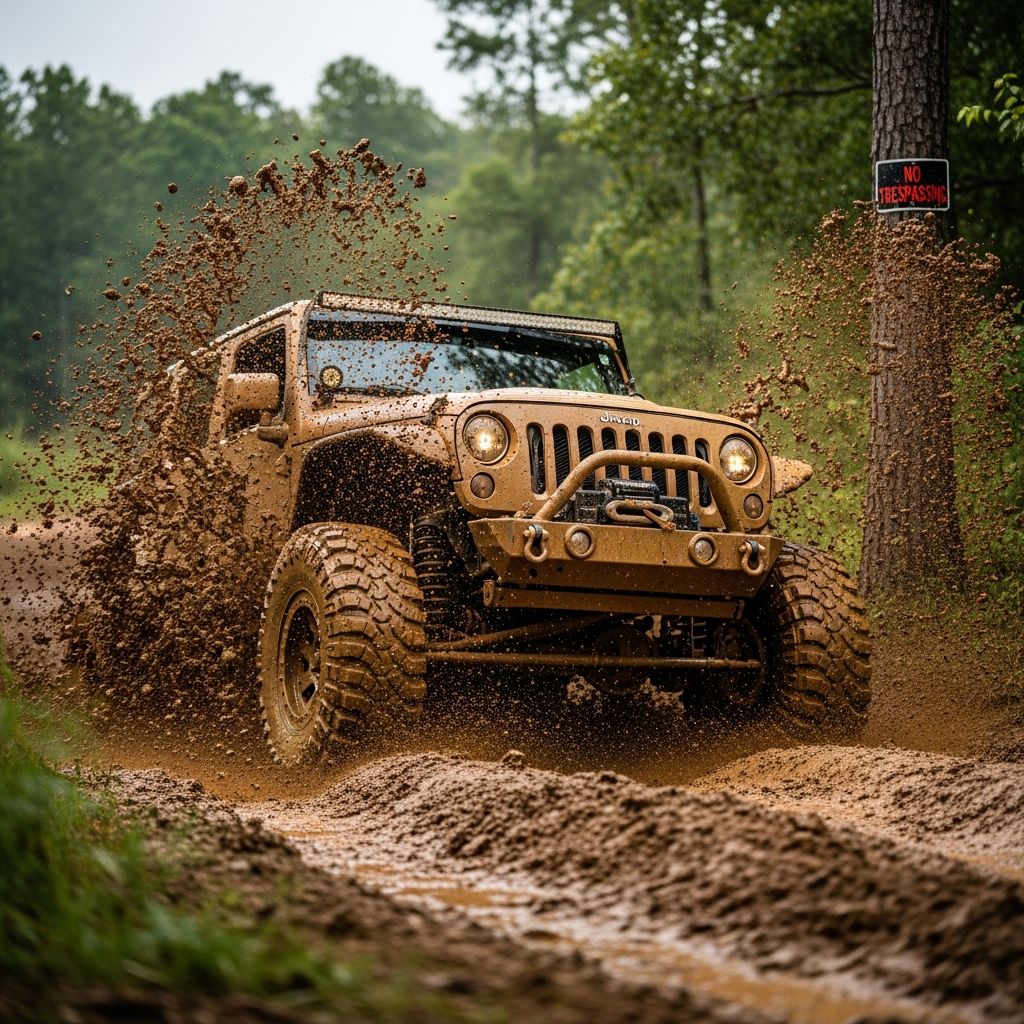
Off-road enthusiasts often seek the ultimate test of vehicle capability and driver skill by plunging into deep, sticky mud pits. This activity, widely known as
mudding
, delivers an unmatched adrenaline rush as trucks, ATVs, and other modified vehicles power through challenging terrain. But while the excitement draws crowds to events and private lands, questions about its legality and safety persist. This article delves into what mudding entails, why it’s popular, the legal frameworks governing it, and practical advice for participants.The Allure of Mudding: A Motorsport Phenomenon
Mudding, also referred to as mud bogging, mud racing, or mud dragging, involves navigating specialized vehicles through pits filled with thick mud. Participants compete to cover the greatest distance or the fastest time without getting stuck. This motorsport thrives primarily in the United States and Canada, attracting hobbyists and professionals alike.
The appeal lies in the raw challenge: mud creates high resistance, testing engine power, tire grip, and driver technique. Vehicles are often heavily modified with oversized tires, reinforced suspensions, and powerful engines to conquer the slop. Sanctioned events, governed by organizations like the National Mud Racing Organization (NMRO), draw thousands to dedicated mud parks, fostering a vibrant community around the sport.
- Key attractions: Intense competition, vehicle customization, and social gatherings at events.
- Common vehicles: Four-wheel-drive trucks, ATVs, UTVs, Jeeps, and ‘mega trucks’ in advanced classes.
- Event formats: Distance-based bogs or timed runs, with classes for different vehicle types.
Beyond competitions, recreational mudding occurs on private property or designated trails, offering a thrilling escape for outdoor lovers. However, its unregulated practice can lead to environmental damage and legal troubles if not managed properly.
How Mudding Works: From Preparation to Pit Victory
Success in mudding demands meticulous preparation. Competitors start by selecting or building a rig suited to their class—stock trucks for beginners, unlimited monsters for pros. Tires are critical: mud-specific lugs provide flotation and traction in the soupy mix.
At the event, a mud pit of fixed length awaits, often 100-300 feet deep with water and churned soil. Drivers launch at full throttle, momentum carrying them through until resistance halts progress. Marshals measure distance or clock times, with safety barriers protecting spectators.
| Class Type | Vehicle Specs | Typical Pit Length | Power Level |
|---|---|---|---|
| Stock | Modified street trucks | 100 ft | Moderate |
| Improved | Enhanced 4x4s | 200 ft | High |
| Unlimited | Mega trucks, custom builds | 300+ ft | Extreme |
| ATV/UTV | Side-by-sides | 50-150 ft | Variable |
Winches and tow vehicles stand ready for stuck rigs, emphasizing teamwork. Spectators enjoy the spectacle of flying mud and roaring engines, making mudding a family-friendly motorsport when safety protocols are followed.
Legal Landscape: Is Mudding Permitted Nationwide?
Mudding’s legality varies significantly by location, hinging on public land restrictions, private property rights, and state vehicle codes. On federal lands managed by the Bureau of Land Management (BLM) or U.S. Forest Service, off-road use is confined to designated trails to protect ecosystems. Unauthorized mudding can result in fines up to $5,000 or vehicle impoundment.
State laws add layers of regulation. Many require off-road vehicles (ORVs) to be registered, insured, and equipped with safety features like lights and roll cages. Designated OHV areas, such as Ohio’s many public mud parks, permit mudding under supervised conditions.
- Public lands: Restricted; permits needed for events.
- Private property: Generally allowed with owner consent; liability waivers common.
- Highways: Prohibited without plating; mud-covered vehicles pose hazards.
In urban or suburban areas, mudding on streets is illegal due to noise, mess, and safety risks. Some states, like Texas and Florida, host thriving scenes with legal venues, while others crack down on wetland trespassing to prevent erosion and pollution.
State-by-State Breakdown: Key Regulations for Mudding
Navigating state-specific rules is essential for compliance. Here’s an overview of prominent mudding hotspots:
| State | Legal Status | Key Rules | Popular Spots |
|---|---|---|---|
| Ohio | Legal in designated areas | ORV registration; helmets required | Public mud parks, private events |
| Texas | Widely permitted | No street mudding; private land OK | Big Thicket trails |
| Florida | Restricted wetlands | Environmental permits needed | ONX Offroad parks |
| North Carolina | Event-focused | Safety inspections mandatory | Uwharrie National Forest (limited) |
| Michigan | Seasonal allowances | Trail stickers; no pavement | Silver Lake Sand Dunes |
Always verify local ordinances, as violations can lead to citations for reckless driving, trespass, or environmental infractions. Organized events provide the safest, legal avenue.
Safety First: Mitigating Risks in the Mud
Despite the fun, mudding carries dangers like rollovers, drownings in deep pits, and collisions. Proper gear—helmets, harnesses, fire suits—and vehicle roll cages are non-negotiable. Drivers must master throttle control to avoid digging in.
- Inspect vehicle pre-run: tires, belts, fluids.
- Scout the pit: depth, hazards.
- Follow spotter signals.
- Carry recovery gear: straps, shackles.
- Avoid alcohol; fatigue kills.
Environmental stewardship matters too—avoid sensitive habitats to prevent runoff pollution. Many parks enforce cleanup rules.
Environmental and Community Impacts
Mudding’s heavy traffic churns soil, potentially harming waterways. Responsible practitioners stick to established pits and support land restoration. Communities benefit from economic boosts via events, but noise complaints arise near residences.
Advocacy groups push for more legal venues, balancing recreation with conservation.
Frequently Asked Questions About Mudding
What equipment is essential for safe mudding?
Essential gear includes DOT-approved helmets, 5-point harnesses, kill switches, and recovery tools like winches. Vehicles need reinforced frames and mud tires.
Can I mud on public roads?
No, mudding on streets is illegal in all states due to safety hazards from poor visibility and debris.
How do I find legal mudding spots?
Check state DNR websites, apps like onX Offroad, or NMRO event calendars for sanctioned parks and trails.
Is mudding expensive to start?
Entry-level setups cost $5,000-$15,000; competitive rigs exceed $50,000 with modifications.
What if my vehicle gets stuck?
Use a winch or call for a tow; never leave it overnight to avoid theft or fines.
Getting Started: Tips for New Mudders
Begin with local clubs or beginner events. Invest in training—many organizations offer safety courses. Budget for maintenance, as mud accelerates wear. Join forums for advice on builds and spots.
Mudding builds camaraderie and skill, but respect for laws and nature ensures its future. Whether casual rider or racer, prioritize safety and compliance for endless thrills.
References
- Mud Bogging — Wikipedia. 2023-10-15. https://en.wikipedia.org/wiki/Mud_bogging
- National Mud Racing Organization Rulebook — NMRO Official Site (via Wikipedia ref). 2024-01-01. https://en.wikipedia.org/wiki/Mud_bogging
- Off-Highway Vehicle Laws and Regulations — U.S. Bureau of Land Management. 2025-06-20. https://www.blm.gov/programs/recreation/recreation-programs/off-highway-vehicles
- Ohio ORV Regulations — Ohio Department of Natural Resources. 2025-09-01. https://ohiodnr.gov/discover-and-learn/safety-conservation/about-orv-laws
- Mudding Safety Guidelines — American Motorcyclist Association. 2024-11-12. https://americanmotorcyclist.com/ride/off-road-safety
Similar Articles








Read full bio of medha deb


