
Mobile Technology Reshaping Modern Legal Practice
Discover how smartphones and tablets revolutionize legal workflows, client engagement, and practice management.
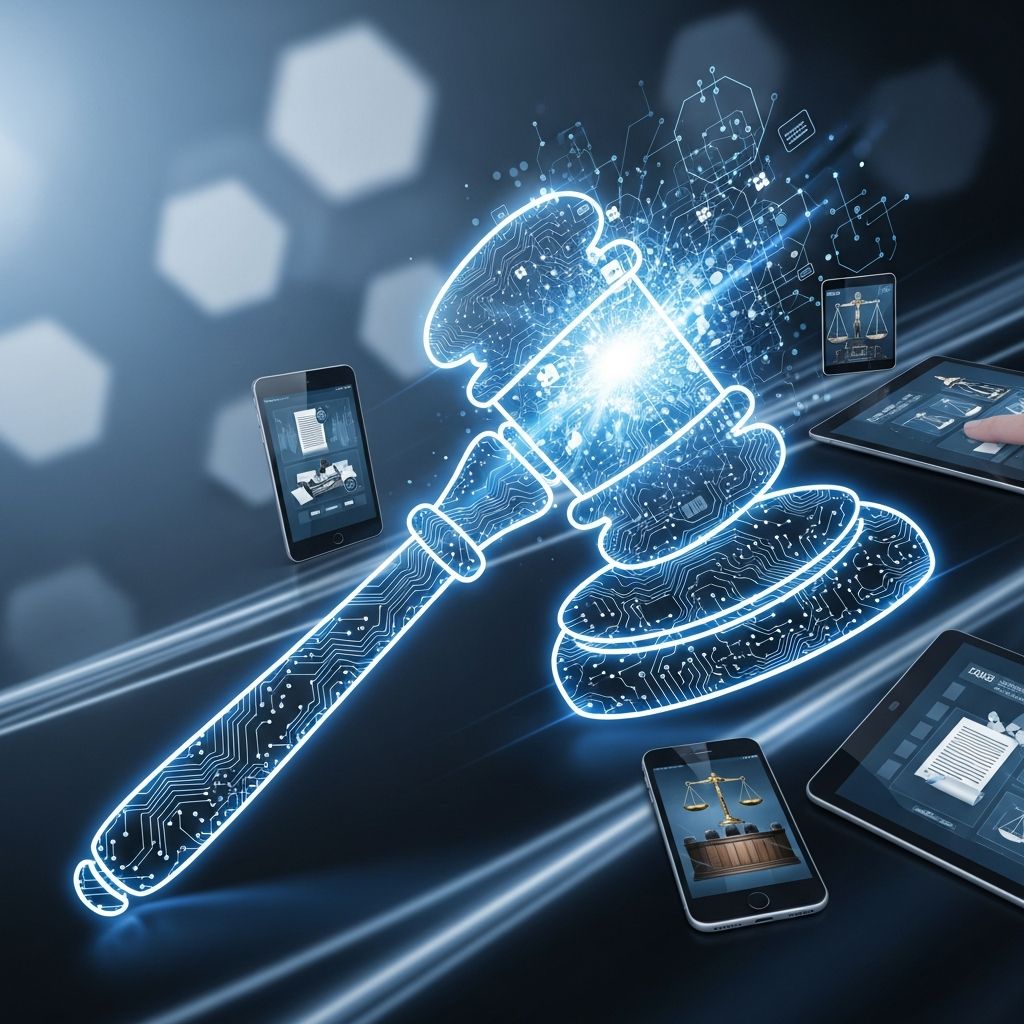
The legal profession has undergone a profound transformation over the past decade, driven largely by the proliferation of mobile technology. What once seemed like a luxury—the ability to work outside the confines of a traditional office—has become an operational necessity. Smartphones and tablets have fundamentally altered how attorneys practice law, manage cases, and engage with clients. This shift represents more than just convenience; it reflects a comprehensive reimagining of legal work itself.
The Rise of Mobile Integration in Legal Practice
Mobile devices have become indispensable tools in the modern legal landscape. According to recent data, 91% of lawyers utilize smartphones for professional purposes, while approximately 48% incorporate tablets into their daily workflows. This widespread adoption reflects a broader recognition within the legal community that mobile technology directly impacts competitiveness and client satisfaction.
The journey toward mobile adoption accelerated significantly with the introduction of smartphones featuring robust operating systems and sophisticated applications. These devices evolved from simple communication tools into comprehensive platforms capable of handling complex legal tasks. The shift was not instantaneous; it required a cultural change within law firms and among individual practitioners who had relied on traditional office-based operations for generations.
Today’s legal professionals utilize mobile devices to accomplish work that previously demanded physical presence in an office. Cloud-based infrastructure and specialized legal applications have made this transformation possible, allowing attorneys to maintain productivity regardless of location.
Untethering Legal Work from Physical Boundaries
One of the most significant impacts of mobile technology has been the elimination of geographic constraints on legal work. Attorneys no longer depend on being seated at a desk in a law office to accomplish their professional responsibilities. This fundamental shift has created new possibilities for practice organization and work distribution.
Mobile devices enable lawyers to:
- Access comprehensive case files and documents from any location
- Review contracts and legal materials while traveling
- Conduct legal research using specialized databases directly from a smartphone or tablet
- Prepare and review pleadings without returning to the office
- Maintain constant communication with clients, colleagues, and court personnel
This liberation from physical location has practical implications for law firms’ operations. Reduced office space requirements, increased attorney flexibility, and improved work-life balance have become distinguishing factors for firms competing for top talent. Associates can attend to urgent matters immediately, whether from home, a client’s location, or while traveling between appointments.
Transforming Workflow Management and Time Utilization
Mobile technology has fundamentally changed how attorneys manage their time and organize their workload. What constitutes “downtime” in legal practice has been reconceptualized entirely. Commuting time, waiting periods, and gaps between appointments can now be converted into productive work periods.
Specialized legal applications accessible on mobile devices facilitate numerous operational functions:
- Real-time billing and time tracking to ensure accurate client accounting
- Task delegation and workflow management across team members
- Document scanning and optical character recognition for immediate processing
- Automated dictation services that transcribe notes directly into case files
- Calendar synchronization and appointment management across devices
The cumulative effect of these tools is a substantial increase in overall productivity. Attorneys can handle larger caseloads without proportionally increasing their hours in the office. The efficiency gains benefit both the firm’s bottom line and the attorneys’ personal wellbeing.
Revolutionizing Client Communication and Engagement
Client service has emerged as a critical differentiator in an increasingly competitive legal market. Mobile technology has elevated client engagement to unprecedented levels by enabling attorneys to provide unprecedented responsiveness and transparency.
Modern legal apps and platforms offer clients direct access to their legal matters through:
- Dedicated client portals for secure document sharing and uploads
- Real-time case status notifications and progress updates
- Secure messaging channels for direct communication with assigned counsel
- Electronic signature capabilities for remote document execution
- Appointment scheduling with automatic reminders and confirmation options
Additionally, artificial intelligence-powered chatbots now provide clients with instantaneous responses to common questions outside traditional business hours. These tools handle routine inquiries, freeing attorneys to concentrate on complex legal matters while maintaining a perception of constant availability.
The combination of mobility and enhanced communication tools creates a client experience that feels more responsive and accessible than traditional law firm interactions. Clients appreciate the ability to check case progress, submit documents, and communicate with their attorneys using the same devices they use for personal and business activities.
Enhanced Information Access and Research Capabilities
Legal research has been fundamentally transformed by mobile access to comprehensive legal databases. Attorneys can now consult LexisNexis, Westlaw, and other research platforms from virtually any location, not merely from terminals at the law office.
This capability proves particularly valuable in client meetings. Rather than promising to research an issue and following up later, attorneys can immediately investigate relevant precedent and regulations while meeting with clients. This real-time research capability builds client confidence and improves the quality of legal guidance provided during critical discussions.
Mobile devices also facilitate immediate access to regulatory updates and compliance notifications. Specialized applications can alert attorneys to new regulations affecting their clients’ industries, summarize relevant provisions, and provide checklists for ensuring ongoing compliance.
Security Considerations in Mobile Legal Practice
The widespread adoption of mobile devices for legal work has introduced new security challenges that require careful management. Client confidentiality and data protection remain paramount concerns in the legal profession, making security protocols essential.
Law firms utilizing mobile technology must implement:
- Strong encryption for all data stored on mobile devices
- Secure authentication mechanisms, including biometric options
- Regular security updates and device management policies
- Clear guidelines restricting which information can be accessed on personal devices
- Virtual private network requirements for accessing firm systems remotely
- Protocols for remote device monitoring and data removal if devices are lost or stolen
Responsible adoption of mobile technology requires establishing comprehensive policies that balance productivity benefits with essential security protections. Many firms now provide standardized mobile devices with pre-configured security settings rather than allowing personal device use for sensitive matters.
Specialized Applications Driving Legal Innovation
Beyond general-purpose applications like email and calendar tools, specialized legal software has emerged to address profession-specific needs. These applications transform mobile devices into comprehensive legal workstations.
Advanced applications enable:
- Voice recording and transcription for depositions with visual and audio documentation
- Augmented reality tools for accident reconstruction in personal injury cases
- Blockchain-based smart contracts and document verification systems
- Artificial intelligence-powered contract analysis and pattern recognition
- Data analytics for identifying compliance risks and trends across client portfolios
These sophisticated tools position forward-thinking firms at the technological frontier of legal practice. Rather than simply digitizing existing processes, these applications enable entirely new approaches to legal work and client service delivery.
The Impact on Law Firm Operations and Structure
Mobile technology has implications extending far beyond individual attorney productivity. The entire structure and organization of law firms are being reconsidered in light of what mobile devices make possible.
Traditional law firm models depended on physical office space to serve as the locus of professional activity. Mobile technology has challenged this fundamental assumption. Some firms now operate with fewer dedicated office spaces, implementing hot-desking arrangements where attorneys share workstations. Others have embraced remote work arrangements, hiring talent regardless of geographic location.
These structural changes reduce overhead costs while potentially expanding the pool of available talent. Younger attorneys often prioritize flexibility and remote work capability when evaluating employment opportunities, making mobile-friendly practices more attractive to emerging legal professionals.
Integration with Existing Systems and Infrastructure
Successful mobile implementation requires seamless integration between mobile devices and existing firm infrastructure. Client relationship management systems, document management platforms, and billing systems must communicate effectively across different devices and locations.
Cloud-based solutions have become essential enablers of this integration. Rather than storing information locally on individual computers, cloud platforms make firm data accessible from any device with appropriate authentication. This approach centralizes information management while enabling distributed work arrangements.
Mobile devices now serve as endpoints into comprehensive digital ecosystems that include video conferencing, instant messaging, shared document repositories, and centralized case management. Attorneys can accomplish work that previously required multiple systems to coordinate.
Ongoing Evolution and Future Directions
Mobile technology in legal practice continues to evolve rapidly. Emerging technologies promise further transformation of legal work. Artificial intelligence capabilities will likely expand beyond chatbots to include more sophisticated analysis of legal documents and case strategy.
Virtual and augmented reality technologies offer new possibilities for client communication and evidence presentation. Blockchain technology may revolutionize document verification and smart contract execution. As these technologies mature and integrate into mobile platforms, legal practice will continue to adapt and evolve.
Frequently Asked Questions
Q: What percentage of lawyers currently use mobile devices for legal work?
A: According to recent surveys, 91% of lawyers use smartphones and approximately 48% use tablets for professional purposes, reflecting near-universal adoption of mobile technology in legal practice.
Q: Can attorneys conduct entire legal proceedings using mobile devices?
A: Yes, modern mobile technology enables attorneys to conduct depositions, attend hearings, review documents, communicate with clients, and manage cases entirely from mobile devices, though practical and security considerations may limit this in certain situations.
Q: What are the primary security concerns with mobile legal practice?
A: Key concerns include protecting client confidential information, ensuring secure data transmission, managing authentication, preventing unauthorized access if devices are lost, and complying with privilege and ethical obligations regarding data protection.
Q: How have mobile devices affected client service in law firms?
A: Mobile technology has dramatically improved client service by enabling real-time case updates, secure communication channels, appointment management, electronic signatures, and 24/7 access to information through client portals and AI-powered chatbots.
Q: What types of applications are most commonly used by attorneys?
A: The most common applications include email, calendar, contacts, legal research databases, time and billing software, document scanning, case management systems, and secure client communication platforms.
References
- 5 Ways Technology is Revolutionizing Legal Practice – LawNeeds — LawNeeds. Accessed April 2026. https://lawneeds.co.uk/blog/5-ways-technology-is-revolutionizing-legal-practice-how-mobile-apps-are-changing-the-game-for-lawyers/
- The Rapid Rise of Smartphones & Tablets in the Legal Arena — Planet Depos. Accessed April 2026. https://planetdepos.com/the-rapid-rise-of-smartphones-tablets-in-the-legal-arena
- How has the introduction of the iPhone impacted where lawyers work? — The Tech-Savvy Lawyer. July 2022. https://www.thetechsavvylawyer.page/blog/2022/7/6/mtc-anniversary-of-iphone-at-15-how-has-the-introduction-of-iphones-impacted-lawyers
- Pros & Cons of Using Smartphones for Legal Work — Lupl. Accessed April 2026. https://www.lupl.com/blog/pros-and-cons-of-smartphones-for-legal-work/
- Six Ways Your Smartphone Can Streamline Your Law Practice — Attorney at Work. Accessed April 2026. https://www.attorneyatwork.com/6-ways-use-smartphone-streamline-law-practice/
- Technology on the Go: Using Mobile Devices — Towne Bank. 2017. https://www.townebank.com/business/resources/legal/mobile-devices/
- The Future of Law: How Technology Is Changing the Legal Profession — Drexel University College of Law. Accessed April 2026. https://drexel.edu/law/news/legal-studies-blog/how-technology-is-changing-the-legal-profession/
Similar Articles








Read full bio of Sneha Tete




