
Marriage In Minnesota: Eligibility, License, And Ceremony Faq
A clear guide to who can marry, how licenses work, and what Minnesota law requires.
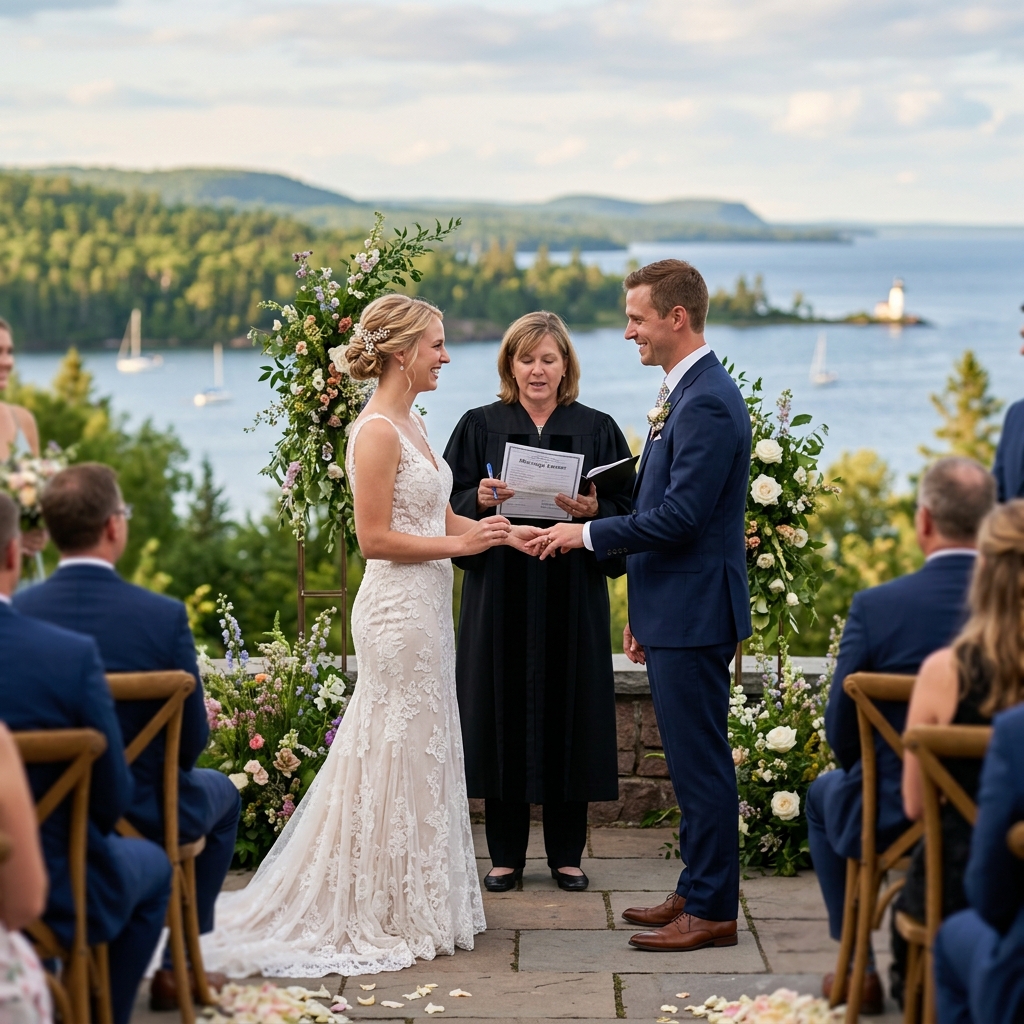
Marriage in Minnesota is treated as a legal civil status, not just a personal commitment. To be valid, a couple must meet the state’s eligibility rules, obtain a marriage license, and complete a ceremony that follows Minnesota law. The state also sets clear limits on who may marry, how the process works, and when a marriage is legally recognized.
This guide explains the main Minnesota marriage rules in plain language. It covers age requirements, license procedures, ceremony rules, recognition of marriages from other states, and key exceptions that couples should understand before planning a wedding.
What Makes a Marriage Valid in Minnesota
Under Minnesota law, a legal marriage depends on a few basic steps. The couple must be eligible to marry, must obtain a marriage license, and must have the marriage solemnized by an authorized person in the presence of witnesses. A marriage that does not meet these legal requirements is not valid under state law.
- The parties must have the legal capacity to marry.
- A marriage license must be issued before the ceremony.
- The ceremony must include an authorized officiant and two witnesses.
- Both spouses must express consent during the ceremony.
Minnesota law treats civil marriage as a contract between two people who are legally able to consent. That means the state looks at both the status of the parties and the procedure used to create the marriage.
Who Can Marry in Minnesota
In Minnesota, the general rule is that a person must be at least 18 years old to marry. The state raised the marriage age to 18 and now prohibits marriage by anyone under that age. This change reflects Minnesota’s ban on child marriage.
In addition to age, the couple must not fall into a prohibited family relationship. Minnesota law does not allow marriage between close relatives such as ancestors and descendants or between siblings, including relationships created by adoption.
| Requirement | Rule in Minnesota |
|---|---|
| Minimum age | 18 years old |
| Marriage by minors | Not allowed |
| Close relatives | Prohibited |
| Consent | Required for a valid civil marriage |
Because the law is strict on age, couples should be prepared to show proof of age when applying for a marriage license. A clerk or registrar may ask for identification to confirm eligibility.
How the Marriage License Process Works
Before getting married, couples must apply for a marriage license from a local registrar in Minnesota. The license is the legal document that allows the marriage ceremony to happen. Without it, the ceremony does not create a valid marriage.
Applications are typically filed with a county office, and the marriage ceremony does not need to happen in the same county where the license was issued. What matters is that the marriage takes place within Minnesota and while the license is still valid.
- Apply for a license before the wedding.
- Provide required identification and proof of age.
- Wait for the license to be issued.
- Use the license within the state’s validity period.
Minnesota also imposes a waiting period between application and issuance in many cases. The state has historically required a five-day wait, which means couples should not assume they can apply and marry on the same day. Planning ahead is important, especially if the ceremony date is fixed.
The Ceremony Requirements Couples Must Follow
Once the couple has a valid license, the marriage must be solemnized by someone authorized to perform marriages. Minnesota law allows certain officials, including judges, clergy, and other qualified persons, to serve as officiants.
The ceremony itself does not need to follow a rigid script. Still, Minnesota requires that the couple declare, in the presence of the officiant and two witnesses, that they take each other as spouses. Those witness signatures help confirm that the ceremony actually occurred.
Another important rule is that the officiant must be satisfied that there is no legal barrier to the marriage. In other words, the person performing the ceremony is expected to confirm that the license is valid and that the parties are legally able to marry.
- An authorized officiant must conduct the ceremony.
- Two witnesses must be present.
- The couple must declare consent to the marriage.
- The officiant must ensure the legal requirements are met.
Common-Law Marriage and Minnesota
Minnesota does not recognize new common-law marriages. That means two people do not become married simply by living together, sharing expenses, or holding themselves out as spouses. No matter how long a couple lives together, cohabitation alone does not create a legal marriage in Minnesota.
However, Minnesota generally recognizes a common-law marriage that was validly created in another state that allows it. This is because marriages lawfully formed elsewhere are typically recognized when the couple later moves to Minnesota.
For couples who want clear legal status in Minnesota, the safest path is to obtain a license and complete a formal ceremony. Without those steps, the relationship may be emotionally significant but still not legally treated as a marriage.
Same-Sex Marriage in Minnesota
Same-sex marriage is legal in Minnesota. The state’s marriage laws apply equally to same-sex and opposite-sex couples. As a result, eligible adults can marry regardless of gender, provided they satisfy the same licensing and ceremony rules.
Religious officials may have protections under Minnesota law if solemnizing a marriage would conflict with their beliefs. At the same time, the state recognizes same-sex marriages as legally valid marriages for civil purposes.
What Happens If the Rules Are Not Followed
If a couple skips key legal steps, the marriage may be void or otherwise invalid. For example, marrying without a license, failing to meet age requirements, or not having the ceremony properly solemnized can create major legal problems later.
That matters because marital status affects many rights and responsibilities. A valid marriage can influence property rights, tax filing, inheritance, health care decisions, and eligibility for benefits. If the marriage is not legally recognized, those rights may not apply.
When a marriage’s validity is uncertain, the couple may need legal advice to determine whether the problem can be fixed or whether a new ceremony is necessary.
Property and Financial Responsibilities Between Spouses
Marriage in Minnesota also carries legal consequences during the relationship itself. Spouses may share responsibility for household necessities, and property or debts acquired during marriage can raise questions about ownership and liability.
In practical terms, marriage can affect how the law treats income, purchases, loans, and assets acquired while the couple is married. Those issues become especially important if the couple later separates, divorces, or faces a financial dispute.
- Income earned during marriage may be used for family needs.
- Property acquired during marriage may be treated as marital property.
- Debts incurred during marriage may become shared obligations.
- Titles and account names do not always control legal ownership.
Practical Steps Before the Wedding
Couples can avoid many problems by preparing early. Because Minnesota has license and timing rules, waiting until the last minute can create unnecessary stress. It is also smart to confirm the officiant’s authority before the ceremony and to make sure the license will be properly returned for recording.
Before the wedding, couples should review the county’s application process, gather identification, and ask about any waiting period or fee. If either party has a complicated legal history, such as a prior marriage, extra documentation may be needed.
Frequently Asked Questions
Do you need a marriage license in Minnesota?
Yes. A valid Minnesota marriage requires a license issued before the ceremony.
Can you get married the same day you apply?
Usually not. Minnesota has a waiting period that can delay issuance of the license.
Is common-law marriage valid in Minnesota?
No new common-law marriages are created in Minnesota, but the state may recognize one that was validly formed elsewhere.
What is the minimum age to marry in Minnesota?
The minimum age is 18. Minnesota does not allow child marriage.
Can same-sex couples marry in Minnesota?
Yes. Same-sex marriage is legal and treated the same as other marriages under state law.
Does the ceremony have to happen in the county where the license was issued?
No. The ceremony can take place anywhere within Minnesota, as long as the license is valid and the other legal requirements are met.
Why Minnesota’s Rules Matter
Minnesota’s marriage laws are designed to make marriage both accessible and legally reliable. The rules protect against underage marriage, clarify how marriages are formed, and help courts and agencies identify which relationships count as legal marriages.
For most couples, the process is straightforward once the requirements are understood. The key is to plan ahead, follow the license procedure carefully, and make sure the ceremony is conducted according to law. When those steps are completed, the marriage should be legally recognized throughout Minnesota and, in many cases, beyond the state as well.
References
- Minnesota Statutes, Chapter 517 — Minnesota Revisor of Statutes. 2026-07-10. https://www.revisor.mn.gov/statutes/cite/517/full
- Minnesota Marriage Laws — FindLaw. 2026-07-10. https://www.findlaw.com/state/minnesota-law/minnesota-marriage-laws.html
- Marriage in Minnesota — LawHelpMN. 2026-07-10. https://www.lawhelpmn.org/self-help-library/fact-sheet/marriage-minnesota
- Marriage Licenses — Ramsey County, Minnesota. 2026-07-10. https://www.ramseycountymn.gov/residents/licenses-permits-records/marriage-licenses
- Married in Minnesota: A look at history of state’s law and amendments — Minnesota House of Representatives. 2026-07-10. https://www.house.mn.gov/sessiondaily/SDView.aspx?StoryID=10086
Similar Articles








Read full bio of Sneha Tete


