
Military Romance Scams: How to Spot and Stop Them
Protect your heart and finances from fake military romance scams with these essential warning signs and steps.
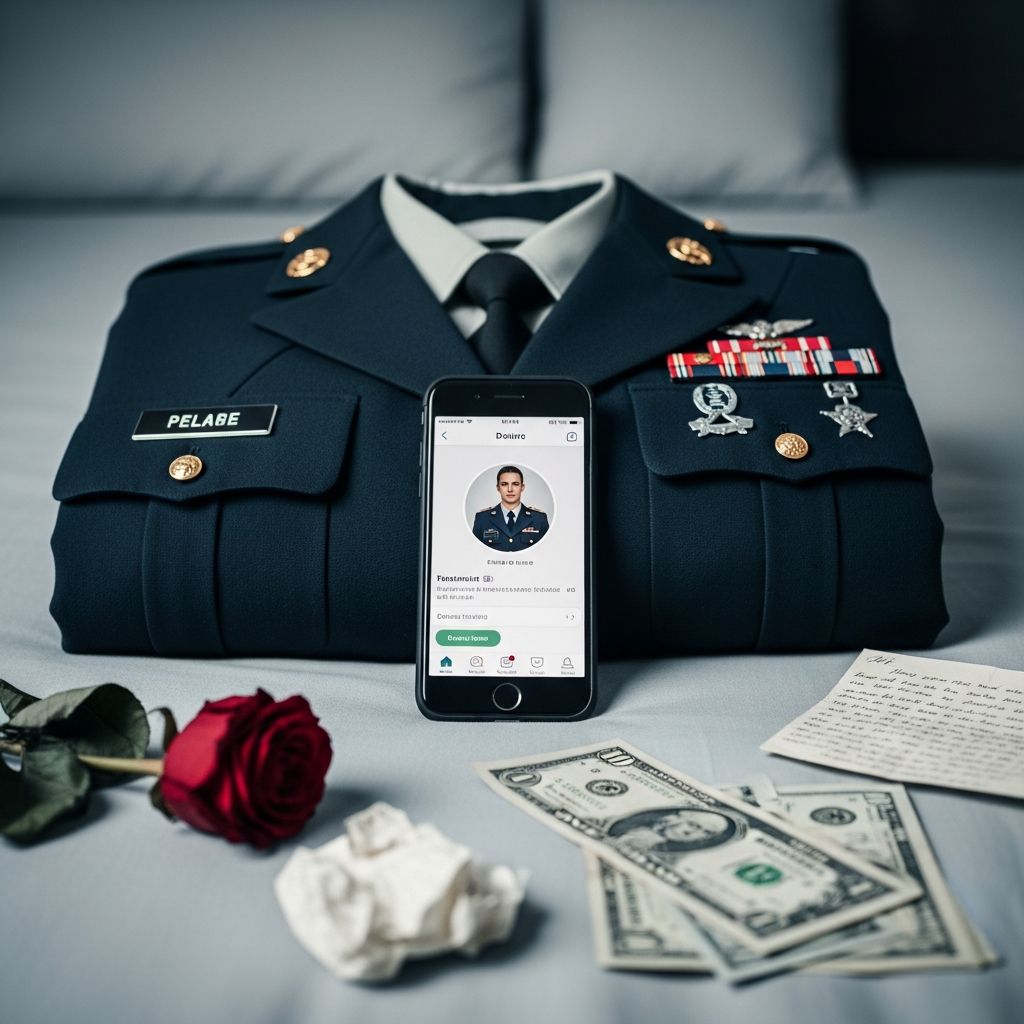
When Love Looks Too Good to Be True
Meeting someone online who seems kind, attentive, and deeply interested in you can feel like a rare gift. When that person claims to be a U.S. military service member—deployed overseas, serving their country, and longing for connection—it can feel even more meaningful. But behind that appealing story, there may be a carefully constructed lie designed to steal money, personal information, or both.
Military romance scams are a specific type of online fraud where scammers pose as active-duty personnel to build trust and manipulate victims into sending money or sharing sensitive data. These scams are not just about money; they exploit loneliness, patriotism, and the desire for love. Understanding how they work is the first step in protecting yourself.
How Military Romance Scams Actually Work
These scams typically follow a predictable pattern, even though each story is tailored to the victim. The scammer creates a fake profile using photos of real service members, often stolen from social media or military websites. They may use AI-generated images or carefully edited photos to appear authentic.
The contact usually starts on a dating app, social media platform, or sometimes even through email. The profile shows someone in uniform, often with a compelling backstory: a widowed parent, someone about to retire, or a soldier on a long deployment. The scammer quickly expresses strong feelings, using flattery and emotional language to create a sense of urgency and intimacy.
Over time, they build a relationship that feels real. They share personal stories, talk about future plans, and may even send gifts or small tokens to reinforce the illusion. But eventually, the request for money appears—often framed as an emergency that only you can solve.
Common Stories Scammers Use
Scammers rely on believable, emotionally charged excuses to justify financial requests. Some of the most frequent scenarios include:
- Deployment and leave issues: Claiming they need money to cover travel costs, leave paperwork, or emergency transportation back to the U.S.
- Medical emergencies: Saying they were injured in the line of duty and need funds for treatment or to get home.
- Quarantine or isolation: Alleging they are stuck in a foreign country or on a ship and can’t access their bank accounts.
- Family crises: Inventing stories about sick relatives, funeral costs, or legal problems that require immediate funds.
- Security or classified missions: Using military jargon to explain why they can’t video call, meet in person, or provide certain details.
These stories are designed to sound plausible and urgent, making it harder to say no. The scammer often insists that only you can help, which increases emotional pressure and reduces the chance that you’ll talk to others about the situation.
Red Flags That Should Make You Pause
While every relationship is different, certain patterns are strong indicators of a scam. If you notice several of these signs, it’s important to slow down and investigate before sending anything.
- They move very fast: Expressing love, commitment, or marriage plans within days or weeks of meeting is a major warning sign. Real relationships take time to develop.
- They avoid video calls: Excuses like “military rules,” “no camera,” or “bad connection” are common. If they consistently refuse to show their face, it’s a serious red flag.
- They can’t meet in person: Always deployed, always on a ship, or always in a remote location with no possibility of travel. Real service members do rotate and can sometimes meet, especially if they’re stateside or on leave.
- They ask for money or gift cards: Any request for money, cryptocurrency, gift cards, or personal financial information from someone you haven’t met is almost certainly a scam.
- They push for private messaging: Encouraging you to move from a dating app or social media to WhatsApp, Telegram, or email is a tactic to avoid platform monitoring and reporting.
- They share inconsistent details: Changing stories about rank, unit, deployment location, or personal history when asked specific questions.
- They discourage talking to others: Telling you not to tell friends or family about the relationship, or claiming that others won’t understand, is a classic manipulation tactic.
How to Verify If Someone Is Really in the Military
If you’re unsure whether the person you’re talking to is genuine, there are steps you can take to check without putting yourself at risk.
Check the Photos
Run a reverse image search on their profile pictures. Right-click the image and choose “Search image with Google” or upload it to a reverse image search tool. If the same photos appear on other profiles, especially with different names or locations, it’s likely a stolen identity.
Ask Specific Military Questions
Ask about details that a real service member would know, such as:
- What is your current rank and branch of service?
- What is your job specialty or MOS (Military Occupational Specialty)?
- Where are you currently stationed or deployed?
- What unit or base are you assigned to?
- What is the process for requesting leave or emergency travel?
Be cautious if answers are vague, inconsistent, or don’t match publicly available information about military procedures.
Request a Recent, Time-Stamped Photo
Ask for a recent photo of them in uniform, ideally with a handwritten note and the current date. Scammers using stolen photos often can’t produce this. Be wary if they send a military ID photo—real service members know that sharing official ID is against policy and a security risk.
Use Official Verification Resources
There is no public database to look up active-duty personnel, but you can contact the appropriate military branch or use official channels if you have serious concerns. For example:
- The Defense Manpower Data Center (DMDC) provides a Military Verification tool for certain official purposes, but it’s not for casual relationship checks.
- If you believe you’re being scammed, report the profile to the platform and to law enforcement.
What to Do If You Suspect a Scam
If something feels off, trust your instincts. Taking action early can prevent financial loss and emotional harm.
Stop All Communication
Do not continue talking to the person if you believe they are a scammer. Block them on all platforms to prevent further contact.
Preserve Evidence
Save all messages, photos, emails, and any records of money sent. Take screenshots and store them in a secure location. This evidence may be needed for reporting and investigation.
Report the Scammer
Report the profile to the platform where you met them (dating app, social media site, etc.). Most platforms have reporting tools for fake profiles and scams.
You should also report the incident to:
- Federal Trade Commission (FTC): File a report at reportfraud.ftc.gov
- FBI Internet Crime Complaint Center (IC3): Submit a complaint at ic3.gov
- Army CID (if the scammer claims to be Army): Submit a tip at cid.army.mil/Submit-a-Tip
Protect Your Personal Information
If you shared personal details like your Social Security number, bank account, or passwords, take immediate steps:
- Change passwords on all important accounts.
- Enable two-factor authentication (2FA) wherever possible.
- Monitor your bank and credit card statements for unauthorized transactions.
- Consider placing a fraud alert or credit freeze with the major credit bureaus.
How to Protect Yourself from Military Romance Scams
Prevention is the best defense. By adopting a few smart habits, you can significantly reduce your risk of falling victim.
Be Cautious with Online Contacts
Treat unsolicited messages and friend requests with skepticism, especially from people claiming to be in the military. Be extra careful if the relationship moves quickly or if they express deep feelings very soon after meeting.
Keep Personal Information Private
Limit what you share online, especially about your finances, military service (if applicable), family, and daily routines. Scammers use this information to make their stories more convincing.
Stay on the Original Platform
Keep conversations on the dating app or social media site where you met, at least in the early stages. Scammers often push to move to private messaging apps to avoid detection and make it harder to report them.
Never Send Money or Gift Cards
No matter how convincing the story, never send money, gift cards, cryptocurrency, or personal financial information to someone you haven’t met in person. If they ask, it’s almost certainly a scam.
Verify Before You Trust
Take time to verify the person’s identity and story. Use reverse image searches, ask specific questions, and look for inconsistencies. If something doesn’t add up, walk away.
Talk to Someone You Trust
Discuss the relationship with a friend or family member who can offer an objective perspective. Scammers isolate victims emotionally; having someone else involved can help you see warning signs more clearly.
What to Do If You’ve Already Sent Money
If you’ve already sent money or gift cards to someone you now believe is a scammer, it’s important to act quickly, even though recovery is often difficult.
- Stop sending any more money immediately.
- Report the scam to the FTC, IC3, and the platform where it occurred.
- Contact your bank or payment provider to see if the transaction can be reversed (this is rarely possible with gift cards or cryptocurrency).
- Change passwords and secure your accounts if you shared login details.
- Consider speaking with a counselor or support group if the emotional impact is significant.
Frequently Asked Questions
Q: How can I tell if a military profile is fake?
A: Look for signs like stolen photos (found via reverse image search), inconsistent stories, refusal to video call, and requests for money. Real service members rarely ask strangers online for financial help.
Q: Is it safe to date on military-specific dating sites?
A: Military-themed dating sites are not inherently safer. Scammers use them too, sometimes pretending to be fellow service members. Use the same caution as on any dating platform: verify identities, avoid sending money, and keep conversations on the site initially.
Q: Can I verify if someone is really in the military?
A: There is no public database to look up active-duty personnel for personal reasons. You can use reverse image searches, ask detailed military questions, and request recent, time-stamped photos. If you suspect fraud, report the profile to the platform and to law enforcement.
Q: What should I do if I think I’ve been scammed?
A: Stop all contact, save all evidence, report the scam to the platform, the FTC, and the FBI IC3. If you shared personal information, secure your accounts and monitor for fraud.
Q: Are all people claiming to be military online scammers?
A: No, many real service members use dating apps and social media. The key is to be cautious, verify identities, and never send money to someone you haven’t met in person.
References
- Military Romance Scams: What to Know — Federal Trade Commission. 2024-06. consumer.ftc.gov/consumer-alerts/2024/06/person-you-met-online-really-military-servicememberor-scammer
- Submit a Tip – Report a Crime — U.S. Army Criminal Investigation Division. cid.army.mil/Submit-a-Tip
- Internet Crime Complaint Center (IC3) — Federal Bureau of Investigation. ic3.gov
Similar Articles








Read full bio of medha deb


