
Military Consumer Scams: How Service Members Can Stay Safe
A practical, plain‑language guide to spotting, avoiding, and reporting scams that target active‑duty troops, Guard and Reserve members, veterans, and their families.
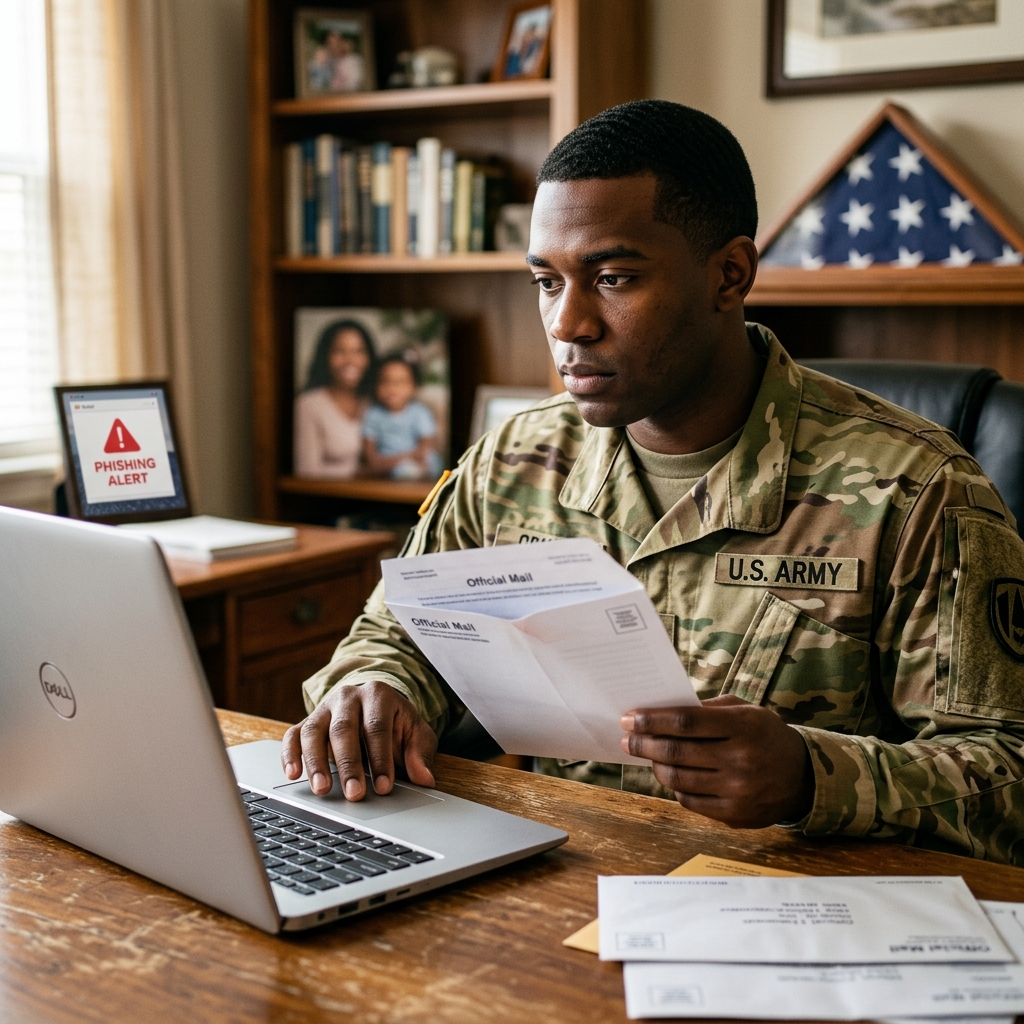
Service members, veterans, and military families are frequent targets for scammers who see them as stable, trusting, and often distracted by deployments or frequent moves. These criminals exploit patriotism, confusion about benefits, and the pressures of military life to steal money, personal information, or hard‑earned benefits. Understanding how these schemes work is the first step toward stopping them.
Why the Military Community Is a Prime Target
Several features of military life make troops and veterans especially attractive to fraudsters.
- Predictable income: Paychecks and benefits arrive regularly, which scammers see as reliable cash flow to exploit.
- Frequent relocations: Permanent changes of station (PCS) and deployments create tight timelines and unfamiliar markets, especially for housing and car purchases.
- Complex benefits: VA and DoD programs can be confusing, opening the door for impostors who claim they can “help” navigate systems—for a fee.
- Strong sense of duty and trust: Many scams lean on patriotism or unit loyalty, assuming that service members will respond to what sounds like an official or urgent request.
- Separation from family: Deployments and training can leave spouses or parents making quick financial decisions alone, often under stress.
The result is a steady stream of frauds aimed specifically at active‑duty personnel, Guard and Reserve members, retirees, and veterans.
Major Scam Categories Aiming at Troops and Veterans
While scammers constantly adjust their scripts, most schemes fall into predictable patterns. Below is an overview of common categories and how they typically operate.
| Scam Type | Primary Goal | Typical Tactics |
|---|---|---|
| Benefits & VA impostor scams | Steal personal data or charge for free services | Fake calls, texts, or sites claiming to be VA or benefits helpers |
| Pension poaching & disability “consultants” | Capture a cut of disability or pension payments | Promises of guaranteed ratings or lump sums in exchange for fees |
| Housing & PCS fraud | Collect deposits, rent, or personal data | Fake ads, nonexistent rentals, or “military discounts” that require upfront transfers |
| Identity theft & phishing | Open accounts or file bogus benefits claims | Email, texts, or calls seeking Social Security numbers, login credentials, or card data |
| Charity & donation schemes | Divert charitable giving | Emotional appeals using military imagery and names that resemble real charities |
| Online romance & deployment stories | Extract money over time | Fake identities posing as deployed service members asking for financial help |
Benefits, VA, and Government Impostor Scams
Scammers frequently pretend to be from the U.S. Department of Veterans Affairs (VA), the Department of Defense, TRICARE, or a state veterans agency to trick people into sharing data or paying junk fees.
How These Scams Typically Work
- You receive an unsolicited call, text, email, or social media message claiming it is from the VA, DFAS, or another official‑sounding office.
- The caller says your records, disability claim, or direct deposit information must be “updated” immediately or you risk losing benefits.
- They ask for sensitive information such as your Social Security number, full date of birth, bank account details, or login credentials.
- In other cases, a website or consultant offers to “expedite” or “maximize” your claim for a percentage of your award or a large fee.
Key Warning Signs
- Someone reaches out unexpectedly and, within minutes, asks for personal or financial details.
- They pressure you to act immediately, claiming your payments will stop if you do not comply.
- They promise a specific disability rating or back‑pay amount, which legitimate officials cannot guarantee.
- They offer to sell forms or access to records that the government provides at no cost.
How to Protect Yourself
- Do not share personal information or login credentials with anyone who contacts you first. Hang up and call the official number listed on a .gov site.
- Use only VA‑accredited representatives for help with claims; VA provides a searchable accreditation database to verify credentials.
- Remember that filing a VA benefits claim is free, and no legitimate service can guarantee a specific rating.
- Access VA, DFAS, and other benefits portals by typing the web address yourself rather than clicking on links in messages.
Pension Poaching and Disability “Buyout” Offers
Some schemes focus specifically on capturing a portion of your pension or disability payments through long‑term contracts or deceptive offers.
Common Tactics
- Offering a large lump sum in exchange for signing over some or all of your future pension or disability payments.
- Advisers who claim they can restructure your assets to increase benefits, while charging high, ongoing fees.
- Marketers who target older veterans and surviving spouses with complex proposals that are hard to understand.
These deals often yield much less than the true value of your benefits and can lock you into contracts that are difficult to undo.
Protection Tips
- Be wary of anyone promising quick cash tied to your pension or disability payments.
- Consult with a VA‑accredited representative or a trusted legal aid office before signing anything that affects your benefits.
- Do not share your VA.gov or ID.me login information with third parties; reputable helpers will never ask for your password.
Housing, PCS, and Auto‑Related Scams
Frequent moves and compressed timelines can put military families under enormous pressure to secure housing and transportation. Scammers use this urgency to their advantage.
Typical PCS and Housing Frauds
- Fake rental listings: Online ads for attractive properties near bases at below‑market prices, requiring a deposit or first month’s rent to be wired before you can see the unit.
- “Military discount” bait: Claims of special discounts for service members, but only if you pay immediately via wire transfer, gift cards, or peer‑to‑peer payment apps.
- Phony property managers: Fraudsters who pose as landlords or agents for owners who are “out of the country” or “deployed,” insisting on handling everything remotely.
How to Reduce Your Risk
- Do not wire money or send funds through instant payment apps for a rental you or someone you trust has not seen in person.
- Use trusted real estate channels and, where possible, resources specifically designed for military families.
- Search public property records to confirm that the person offering the home actually owns it.
- Slow down if you feel rushed; legitimate landlords expect reasonable due diligence.
Identity Theft and Phishing Attacks
Identity thieves use the same tools against service members as they do against civilians—except they often tailor their approach using military language, rank, or unit references.
How Identity‑Focused Scams Look
- Emails that appear to be from a defense contractor, base office, or pay system, urging you to confirm your login details.
- Texts threatening to suspend your government travel card or benefits unless you click a link and verify information.
- Unexpected “security alerts” that ask you to enter your full Social Security number, bank account number, or multi‑factor authentication codes.
Red Flags to Watch
- Grammatical mistakes, odd email addresses, or links that do not lead to an official .gov or known .mil domain.
- Requests for information that the organization should already have, such as full Social Security numbers or passwords.
- Any request for your VA.gov or ID.me username and password; legitimate staff will not ask for these.
Protective Steps
- Type web addresses directly into your browser instead of clicking on links in unsolicited messages.
- Enable multi‑factor authentication on financial, email, and benefits accounts where available.
- Monitor bank, credit card, and benefits statements regularly for unfamiliar charges or changes.
- Consider placing an active‑duty alert or fraud alert on your credit file if you are deploying, so creditors take extra steps before opening new accounts.
Charity Scams Using Military Causes
Criminals sometimes hide behind fake or misleading charities that claim to support wounded warriors, families of the fallen, or deployed troops. They often exploit natural disasters, news events, or Memorial Day and Veterans Day to ramp up solicitations.
Common Signs of a Bogus Charity
- High‑pressure tactics, such as insisting you donate immediately over the phone.
- Names that sound very similar to well‑known veterans’ organizations but are slightly different.
- Refusal to provide written information, financial reports, or details about how donations are used.
- Requests for donations in gift cards, wire transfers, or cryptocurrency.
How to Give Safely
- Look up charities on independent evaluators such as Charity Navigator or other reputable watchdog sites before donating.
- Donate through the charity’s official website or published address rather than through links sent by email or social media.
- If a caller claims to represent a well‑known organization, hang up and call the number listed on that group’s official site.
Romance Scams and Fake Soldiers
Online romance scams often involve criminals posing as deployed service members or veterans to build emotional bonds and then ask for money.
Typical Romance Scam Features
- The person claims to be deployed or stationed overseas and cannot meet or video chat because of “security” or “classified” work.
- They move quickly from casual conversation to intense declarations of affection.
- Soon, they request money—for emergency travel, medical costs, customs fees, or communication expenses.
- They may use stolen photos of real service members and copy language from genuine military websites.
Staying Safe in Online Relationships
- Be cautious with anyone you have never met in person who asks for money, gift cards, or access to your accounts.
- Look out for repeated excuses for why the person cannot video chat or meet.
- Never share copies of your military ID, orders, or other official documents with online contacts.
Core Defensive Habits for Military Consumers
While every scam is different, a few core habits dramatically reduce your risk across the board.
- Verify first, act later: When in doubt, independently confirm any request that involves money or personal data, using contact details from official .gov or known .mil sites.
- Guard key identifiers: Treat Social Security numbers, account numbers, and benefits logins as highly sensitive; share them only when you initiated the contact and are confident of the recipient.
- Slow down under pressure: High‑pressure deadlines and threats are a classic fraud technique; legitimate agencies provide notices and appeal options.
- Use military support resources: Many bases and VA facilities offer financial counseling, legal assistance, and fraud education.
- Talk within your community: Discuss suspicious offers with your chain of command, family readiness groups, or fellow veterans—if others have seen the same scheme, they can warn you.
Where and How to Report Military‑Related Scams
Reporting scams does more than protect your own finances; it can help law enforcement identify patterns and prevent others from being harmed.
Key Reporting Channels
- Federal Trade Commission (FTC): Handles consumer fraud complaints, including identity theft and deceptive practices affecting the military community.
- Internet Crime Complaint Center (IC3): A partnership involving the FBI that tracks internet‑based fraud, including phishing and online romance scams.
- VA facilities and hotlines: For scams involving VA benefits, report incidents to your local VA office or through official VA contact channels.
- State consumer protection offices: Many states have dedicated outreach for active‑duty personnel and veterans, including educational materials and complaint processes.
When reporting, include as much detail as possible: dates, phone numbers, email addresses, website URLs, copies of messages, and screenshots. This information helps investigators connect your report with others and identify larger operations.
Frequently Asked Questions
Is it ever legitimate to pay someone to file a VA benefits claim for me?
Filing a VA benefits claim is free, and veterans are encouraged to work with VA‑accredited representatives whose credentials can be verified through VA’s official accreditation database. Some individuals and companies charge high fees while offering little or no real help, so verifying accreditation before accepting assistance is critical.
How can I tell if a call about my military or VA benefits is real?
Legitimate agencies do not pressure you to share sensitive information on the spot. If you receive an unexpected call asking for personal or financial details, hang up and call the published number for that agency from its .gov website. You can then confirm whether any issue with your account actually exists.
What should I do if I think my identity has been stolen?
Act quickly: contact your financial institutions to flag and secure accounts, monitor statements for unauthorized charges, and consider placing a fraud alert or credit freeze with the credit bureaus. You should also submit a report to the Federal Trade Commission and, if the theft involved online activity, consider filing a complaint with the Internet Crime Complaint Center (IC3).
Are service records and forms something I should pay for?
No. Military and veterans’ records, as well as commonly used forms, are available through official government channels at no cost. Any person or website asking you to pay for access to these records or basic forms is a red flag for a potential scam.
Why do scammers pretend to be veterans or deployed service members online?
Posing as a service member or veteran allows scammers to tap into public respect for the military and to build trust quickly. Once they establish a connection, especially in online dating situations, they gradually introduce financial requests, often framed as emergencies or obstacles related to deployment.
References
- Scams targeting veterans and military — Allstate Identity Protection. 2023-06-01. https://www.allstateidentityprotection.com/content-hub/military-and-veteran-scams
- Scams Targeting Veterans: How Fraudsters Exploit Service and Trust — Military.com. 2025-11-22. https://www.military.com/feature/2025/11/22/scams-targeting-veterans-how-fraudsters-exploit-service-and-trust.html
- Beware of Scams Targeting Military Members — Take Charge America. 2022-07-15. https://www.takechargeamerica.org/beware-of-scams-targeting-military-members/
- Scams that Target the Military — New Jersey Division of Consumer Affairs. 2021-03-01. https://www.njconsumeraffairs.gov/military/Documents/military-outreach-information-packet.pdf
- Veteran and military scammer list — Disabled American Veterans (DAV). 2023-09-10. https://www.dav.org/get-help-now/veteran-topics-resources/identifying-scams/
- Military Consumer Protection — Federal Trade Commission. 2024-02-05. https://www.ftc.gov/news-events/topics/military-consumer-protection
Similar Articles








Read full bio of Sneha Tete




