
Michigan Commercial Liability Insurance Guide
Understand how Michigan commercial liability insurance works, what’s required, and how to protect your business from lawsuits.
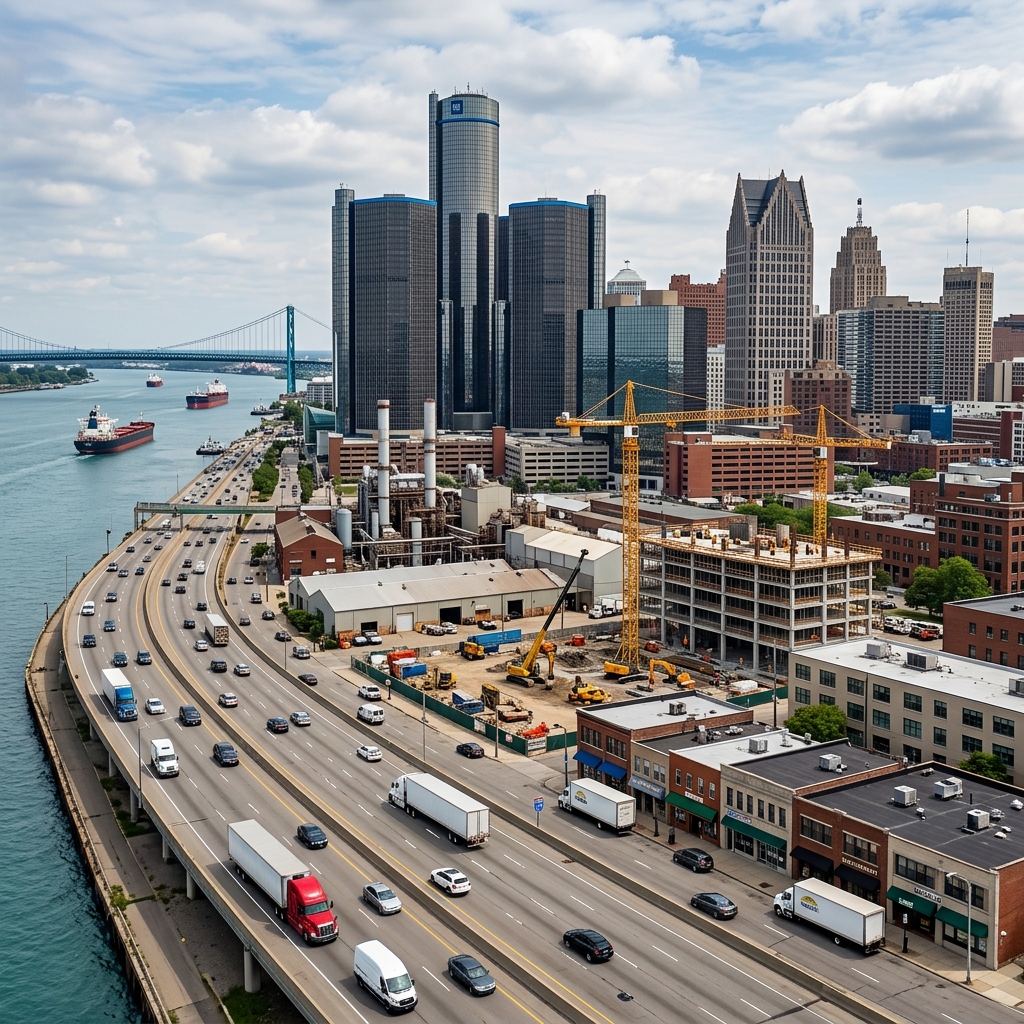
Commercial liability insurance is one of the most important tools Michigan business owners can use to protect their companies from unexpected lawsuits and claims. While the state does not require every business to carry general liability coverage, several types of insurance are mandatory, and gaps in coverage can expose a company to substantial financial risk.[10]
This guide explains how commercial liability insurance works in Michigan, what coverage you may need, how claims are typically handled, and when you should involve an attorney in disputes with your insurer or a third-party claimant.
Understanding Commercial Liability Insurance in Michigan
Commercial liability insurance (often called general liability or commercial general liability (CGL)) is designed to protect a business when third parties allege bodily injury, property damage, or certain personal and advertising injuries caused by business operations, products, or premises.
From a practical standpoint, commercial liability coverage is meant to:
- Pay for covered legal defense costs when the business is sued, even if the claim is groundless.
- Cover settlement payments or court judgments up to the policy limits.
- Provide funds for medical expenses and property repair in qualifying incidents involving customers, clients, or other third parties.
Michigan law regulates insurance carriers, but it largely leaves decisions about general liability coverage to the discretion of individual businesses and industries, except where statutes or licensing rules impose specific requirements.
Mandatory vs. Optional Coverage for Michigan Businesses
Michigan does not have a single, universal requirement for all businesses to carry general commercial liability insurance. Instead, state law focuses on specific types of coverage that depend on how the business operates.[10]
Core Coverage Commonly Required by Law
| Coverage Type | Who Must Carry It | Legal Basis / Typical Rule |
|---|---|---|
| Workers’ compensation | Private employers with at least one full-time employee or three or more employees of any status; all public employers. | Required to cover work-related injuries and illnesses for covered employees. |
| Commercial auto insurance | Businesses that own or operate vehicles for business purposes. | Must carry minimum bodily injury and property damage liability, plus personal injury protection (PIP) for Michigan-registered business vehicles. |
| Special statutory liability (e.g., cannabis, transportation) | Industries like cannabis businesses or motor bus operators. | Specific statutes set minimum liability limits for product liability or passenger injuries. |
Even when not legally mandated, general liability coverage is strongly recommended because a single lawsuit can easily exceed the financial capacity of a small business.
Optional but Strategically Important Coverages
Beyond required coverage, Michigan businesses should evaluate whether to purchase:
- General liability insurance to address common slip-and-fall, property damage, and advertising injury claims involving third parties.
- Professional liability (errors and omissions) for businesses that provide advice, design, or professional services where claims are based on alleged mistakes rather than physical injuries.
- Cyber liability to respond to data breaches, network security incidents, and privacy violations, which are not covered under a standard general liability policy.
- Commercial umbrella or excess liability to extend limits above underlying policies when exposure is large or contractual obligations require higher limits.
What Michigan Commercial General Liability Typically Covers
While policy language varies by insurer, most general liability policies in Michigan include several core protections for third-party claims.
Common Liability Protections
- Bodily injury liability: Covers claims when a visitor, customer, or other third party suffers physical injury allegedly due to unsafe premises or business operations, such as slipping on ice outside a store entrance.
- Property damage liability: Pays for damage to someone else’s property caused by the business, such as damaging a client’s equipment while working on-site.
- Personal and advertising injury: Addresses claims like libel, slander, or certain types of copyright infringement in advertising, subject to policy exclusions.
- Medical payments coverage: Provides limited funds for minor injuries without requiring a lawsuit, which can help resolve smaller incidents quickly.
- Legal defense costs: Covers attorneys’ fees and other defense expenses for covered claims, even if the business is ultimately found not liable.
Coverage limits vary, but many standard policies start at around $1 million per occurrence and $2 million aggregate for all covered claims during a policy period. Higher limits may be available or required by contracts with landlords, vendors, or clients.
Important Exclusions and Gaps
Business owners sometimes assume a general liability policy is a catch-all solution. It is not. Typical exclusions include:
- Injuries to employees, which are normally addressed through workers’ compensation coverage.
- Damage to the business’s own property, which is usually covered under commercial property insurance rather than general liability.
- Professional errors, omissions, or negligence in providing specialized services, often requiring separate professional liability coverage.
- Intentional acts or fraud by the insured.
- Certain contractual liabilities not assumed in an insured contract.
Understanding these exclusions is critical. A Michigan business that relies solely on general liability coverage may discover too late that major categories of risk are not insured.
Michigan Regulatory Context and Industry-Specific Rules
The Michigan Department of Insurance and Financial Services (DIFS) oversees insurers operating in the state, but many coverage decisions arise from statutes targeting specific industries.
Examples of special rules include:
- Cannabis businesses: State law requires a minimum amount of product liability coverage for bodily injury to lawful users caused by adulterated products.
- Motor bus operators: Must carry substantial liability limits per vehicle depending on passenger capacity, with multi-million dollar minimums.
- Professional roles: Certain roles, such as attorneys acting as interim administrators, may be required by court rules or professional regulations to carry liability insurance to protect clients.
For many other sectors, liability insurance requirements arise from licensing authorities, contractual obligations, and risk management best practices rather than direct statutory mandates.
Choosing Commercial Liability Coverage for a Michigan Business
Selecting the right mix of coverage begins with a systematic assessment of your business’s operations, risk profile, and legal obligations.
Step 1: Identify Legal Requirements
Business owners should first clarify which insurance policies are non-negotiable under Michigan law:
- Determine whether your business meets the threshold that triggers mandatory workers’ compensation coverage.
- Confirm whether you own or regularly use vehicles for business activities, which would call for commercial auto coverage.
- Review industry-specific statutes or administrative rules that may require additional liability coverage (for example, transportation, healthcare, or cannabis).
Step 2: Evaluate Operational Risks
Next, examine how your business interacts with customers, vendors, and the public:
- Consider foot traffic and premises conditions that could lead to slips, trips, and falls.
- Assess whether employees perform work at client locations, creating potential property damage exposures.
- Review marketing and advertising practices that could give rise to defamation or intellectual property claims.
- Identify any professional services where mistakes could cause financial harm.
This analysis helps determine whether general liability, professional liability, or other specialized coverage is necessary.
Step 3: Compare Quotes and Policy Language
Once you understand your needs, obtain quotes from multiple insurers or brokers. When comparing options, pay particular attention to:
- Coverage limits for each type of liability.
- Deductibles and self-insured retentions.
- Exclusions that may leave significant risks uninsured.
- Claim handling practices, including reporting requirements and access to defense counsel.
- Premiums and payment terms, balancing affordability with adequate protection.
Small businesses in Michigan often find that general liability and workers’ compensation coverage are relatively affordable compared to the potential cost of uninsured claims.
Handling a Commercial Liability Claim in Michigan
When an accident or allegation occurs, the way a business responds can significantly affect whether coverage applies and how effectively a claim is resolved. Many policies impose duties on the insured, including prompt notice and cooperation.
Basic Claim Response Steps
- Document the incident: Collect photos, video, witness statements, and any relevant reports as soon as possible.
- Notify your insurer promptly: Most policies require notice of a potential claim “as soon as reasonably practicable,” and delays can jeopardize coverage.
- Preserve evidence: Maintain any physical or digital evidence that could assist in evaluating liability or damages.
- Cooperate with the investigation: Answer your insurer’s reasonable requests for information and avoid obstructing their ability to defend the claim.
- Avoid unilateral promises: Do not admit fault or promise specific payments before consulting your insurer and, if necessary, your attorney.
If the insurer accepts the claim, it will generally appoint counsel to defend the business and manage negotiations with the claimant. Policyholders should stay engaged, ask questions, and understand how settlement decisions may affect their exposure.
Reservation of Rights and Coverage Disputes
In more complex cases, the insurer may send a letter indicating that it will defend the claim while reserving the right to later deny coverage for some or all allegations. This is often referred to as a reservation of rights letter.
When receiving such a letter, Michigan business owners should consider:
- Consulting independent legal counsel to evaluate whether the claim should be covered under the policy.
- Reviewing the policy’s insuring agreements, exclusions, and endorsements to understand the insurer’s position.
- Monitoring the defense strategy to ensure their personal exposure is being appropriately managed.
If the insurer ultimately denies coverage, the business may need to fund its own defense and potentially bring a separate action against the insurer, depending on the facts, policy language, and Michigan law.
Managing Exposure Above Policy Limits
Liability policies typically cap the insurer’s obligation at the stated limits. When a claim is likely to exceed those limits, the business faces “excess exposure” and must take steps to protect its own assets.
In such situations, it can be important to:
- Work closely with defense counsel to evaluate settlement options within policy limits.
- Encourage the insurer to consider reasonable settlements that could prevent a verdict above limits.
- Explore additional coverage, such as umbrella policies, before major losses occur.
Because these issues involve complex interactions between tort law and insurance law, many Michigan business owners choose to involve private counsel when a high-value claim or catastrophic injury is at stake.
Cost Considerations for Michigan Commercial Liability Policies
Premiums for commercial liability coverage depend on factors like industry, annual revenue, payroll, claims history, location, and selected limits. Data from Michigan small businesses suggest that average monthly costs for general liability, workers’ compensation, and professional liability remain within reach of many enterprises, though individual prices vary.
To manage costs without compromising protection, businesses can:
- Invest in risk management and safety training to reduce incidents.
- Maintain clean premises and proper maintenance to lower slip-and-fall risk.
- Bundle multiple policies with the same insurer to potentially access discounts.
- Review coverage annually and adjust limits or endorsements as operations change.
Frequently Asked Questions About Michigan Commercial Liability Insurance
Is general liability insurance legally required for all Michigan businesses?
No. Michigan law does not require most businesses to carry general liability insurance, though some industries and contracts may impose obligations.[10]
What coverage is almost always required?
Most Michigan employers with one or more full-time employees or three or more employees of any status must carry workers’ compensation insurance, and businesses that own or operate vehicles for work must carry commercial auto coverage with specified minimum limits.
Does general liability insurance cover employee injuries?
Typically, no. Employee injuries are usually covered under workers’ compensation policies, not general liability.
What should I do if my insurer sends a reservation of rights letter?
Consider consulting your own attorney to review the policy and the underlying claim. An independent lawyer can help you understand whether coverage should apply and how to protect your business if the insurer later denies the claim.
How quickly should I report a potential claim to my insurer?
Policies generally require that you provide notice as soon as is reasonably practicable, and some specify defined time frames. Prompt reporting reduces the risk that the insurer will argue that late notice limits or eliminates coverage.
Can I rely on one policy to cover all my business risks?
No single policy covers every exposure. Most Michigan businesses need a combination of general liability, workers’ compensation, commercial auto, property insurance, and possibly professional or cyber liability to address their full risk profile.
References
- Legal Tips for Michigan Commercial Liability Insurance — Super Lawyers / Thomson Reuters. 2023-11-02. https://www.superlawyers.com/resources/insurance-coverage/michigan/legal-tips-for-michigan-commercial-liability-insurance/
- Michigan General Liability Insurance: What To Know — OCMI Workers Comp. 2025-11-01. https://ocmiworkerscomp.com/2025/11/michigan-general-liability-insurance-what-to-know/
- How to Get Business Insurance in Michigan — The Sun Times News. 2024-05-15. https://thesuntimesnews.com/business/get-business-insurance/
- Michigan Business Insurance: General Liability & More — Insureon. 2024-03-01. https://www.insureon.com/states/michigan-business-insurance
- General Liability Insurance in Michigan — NEXT Insurance. 2024-02-10. https://www.nextinsurance.com/general-liability-insurance/michigan/
- Michigan Business Insurance — Progressive Commercial. 2023-09-20. https://www.progressivecommercial.com/business-insurance/michigan/
- Rule 21 Professional Liability — State Bar of Michigan. 2022-01-01. https://www.michbar.org/For-Members/Rule-21/Professional-Liability
Similar Articles








Read full bio of medha deb




