Medical Negligence & Patient Injury Claims
Understanding your rights when healthcare providers cause harm: Legal remedies and compensation options.
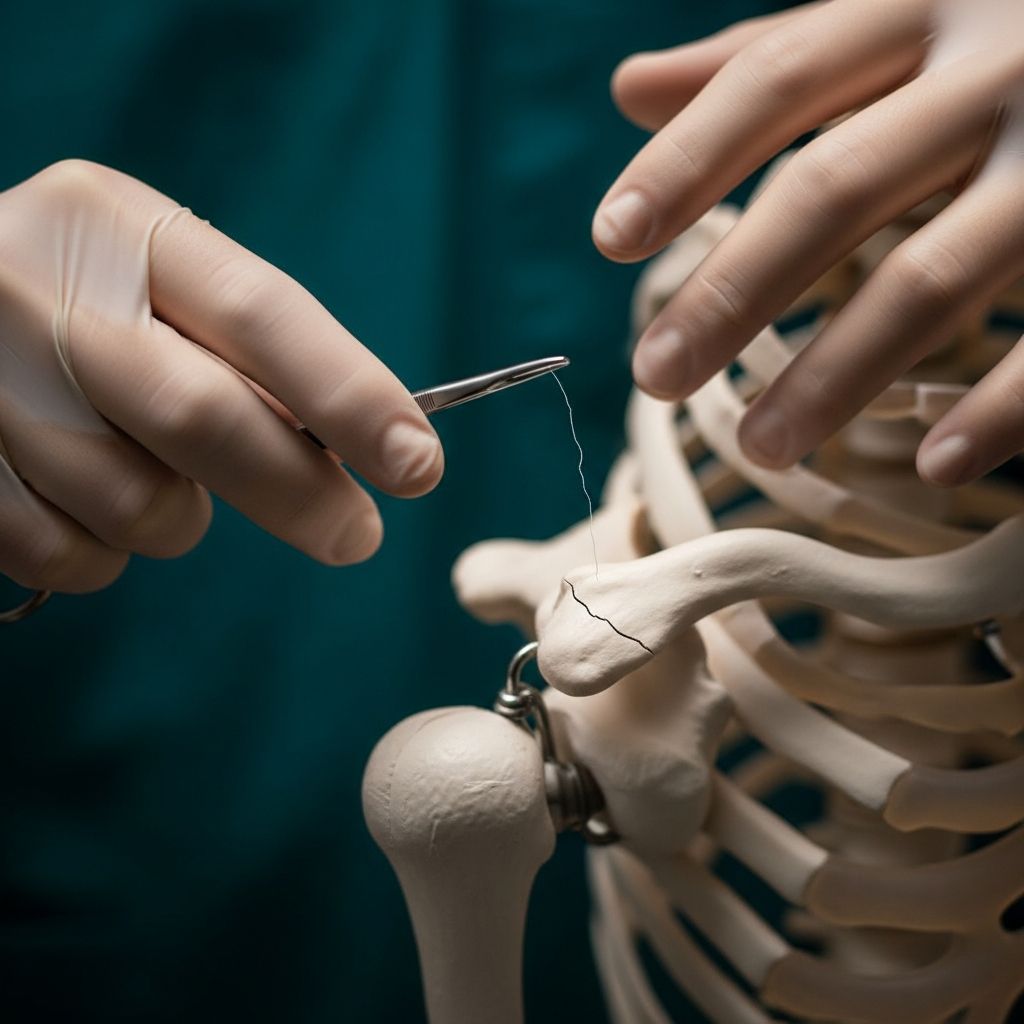
When Healthcare Errors Cross the Line Into Legal Territory
Every medical interaction carries inherent risks, and not every adverse outcome represents wrongdoing by a healthcare provider. However, there exists a critical distinction between expected medical complications and substandard care that causes preventable injury. Understanding this boundary is essential for patients who have experienced harm and are considering legal action. The question of whether you can sue for patient harm depends on several interconnected legal factors that establish whether a healthcare provider’s actions or inactions fell below the professional standard expected in the medical field.
Defining Healthcare Provider Negligence
Medical negligence forms the foundation of patient harm claims. It occurs when a healthcare professional—including doctors, nurses, surgical technicians, anesthesiologists, or other licensed practitioners—deviates from the accepted standard of care that a reasonably competent professional would follow under similar circumstances. This standard is not absolute perfection; rather, it represents the level of skill, knowledge, and diligence that the medical community recognizes as appropriate for a particular situation.
The distinction between negligence and malpractice is important. Negligence is the harmful act or omission itself, while malpractice is the legal cause of action that results when negligence causes injury to a patient. A surgeon might make a mistake during an operation, but if that mistake causes no lasting harm, it may not constitute actionable malpractice. Conversely, a preventable error that significantly damages a patient’s health creates grounds for a legal claim.
Negligence in healthcare contexts can manifest through various failures:
- Failing to follow standard diagnostic procedures
- Misinterpreting medical test results
- Prescribing inappropriate treatment protocols
- Providing care that contradicts established medical practices
- Neglecting to obtain necessary informed consent before procedures
The Four Essential Elements of a Medical Harm Case
For a patient to successfully pursue a legal claim based on healthcare-related injury, four distinct legal elements must be established. Each element serves as a building block in the case’s foundation, and the absence of any one element typically results in case dismissal.
Element One: Establishment of Professional Duty
The first requirement involves proving that a healthcare provider-patient relationship existed and that the provider owed you a duty of care. This relationship typically forms when a medical professional agrees to treat you or when you engage their services. The duty extends to providing treatment consistent with recognized medical standards for your condition. Without this established relationship, a healthcare provider has no legal obligation to you, and no malpractice claim can proceed.
Element Two: Breach of the Standard of Care
Once duty is established, you must demonstrate that the healthcare provider breached their obligation by deviating from the standard of care. This requires proving that a competent medical professional in the same specialty would have acted differently under identical circumstances. The breach represents the specific failure—whether through action or inaction—that constituted negligent behavior.
Proving breach typically involves expert testimony from medical professionals who can establish what the accepted standard of care required and how the defendant provider failed to meet that standard. This expert perspective is crucial because courts recognize that lay juries cannot evaluate complex medical decisions without guidance from qualified medical professionals.
Element Three: Demonstrating Direct Causation
Perhaps the most challenging element to prove is causation—establishing that the provider’s breach directly caused the patient’s injury. This requires showing a clear connection between the negligent act and the resulting harm. Causation analysis typically involves two components:
- Actual Cause: Whether the negligent act was the immediate, direct cause of the harm
- Proximate Cause: Whether the harm was a foreseeable consequence of the negligent act
Causation becomes particularly complicated when patients have pre-existing health conditions. For example, if a patient with diabetes, hypertension, and a history of heart disease experiences a negative outcome, determining whether the healthcare provider’s negligence or the patient’s underlying conditions caused the injury requires detailed medical analysis and expert testimony.
Element Four: Proving Measurable Damages
Finally, you must demonstrate that you suffered actual, quantifiable harm as a result of the negligence. Damages in medical harm cases encompass multiple categories and may include both economic and non-economic losses. The damages must be specific and provable, distinguishing between what would have happened absent the negligence and what actually occurred.
Categories of Recoverable Damages
Damages in medical negligence cases extend beyond simple medical bills. A comprehensive understanding of available compensation categories helps patients and families evaluate their claims realistically.
Economic Damages
Economic damages represent quantifiable financial losses directly attributable to the negligence:
- Additional medical expenses for treating the harm caused by negligence
- Costs for ongoing care, rehabilitation, or long-term treatment
- Lost wages due to inability to work during recovery
- Diminished earning capacity if the injury prevents future employment or limits income
- Medical equipment, assistive devices, or home modifications required due to injury
Non-Economic Damages
Non-economic damages compensate for subjective suffering and quality-of-life impacts:
- Physical pain and suffering during recovery
- Emotional distress, anxiety, and psychological trauma
- Diminished quality of life and reduced enjoyment of activities
- Loss of consortium or impacts on personal relationships
- Permanent disability or disfigurement
Punitive Damages
In cases involving particularly egregious conduct—such as gross negligence or reckless disregard for patient safety—courts may award punitive damages designed to punish the defendant and deter similar conduct by others in the healthcare profession.
Common Scenarios Involving Patient Harm
Medical negligence manifests across diverse clinical situations. Recognizing these common scenarios helps patients identify potentially actionable harm.
Diagnostic Failures
Misdiagnosis and delayed diagnosis represent frequent sources of patient harm. A healthcare provider’s failure to diagnose a condition promptly, or diagnosis of the wrong condition entirely, can result in delayed treatment and disease progression. When a patient receives unnecessary treatments for a misdiagnosed condition while the actual illness progresses untreated, the consequences can be severe.
Surgical and Procedural Errors
Operating room errors constitute particularly clear-cut malpractice scenarios. These include operating on the wrong surgical site, performing the wrong procedure, leaving surgical instruments or sponges inside the patient’s body, or performing surgery in non-sterile conditions leading to infection. Such errors often violate basic surgical protocols and can cause immediate, obvious harm.
Medication-Related Harm
Pharmacy and prescribing errors cause significant patient harm. These include administering incorrect medications, providing wrong dosages, failing to consider documented allergies, or prescribing drugs that interact dangerously with the patient’s current medications. Such errors represent clear deviations from standard care protocols.
Anesthesia Complications
Anesthesia management requires precise monitoring and administration. Errors include providing excessive or insufficient anesthesia, failing to monitor vital signs appropriately, or using improper equipment. Anesthesia errors can result in serious complications including brain damage, organ failure, or death.
Birth-Related Injuries
During childbirth, failure to respond appropriately to complications, improper use of delivery instruments, or delayed intervention can cause permanent injuries to newborns. These cases often involve clear deviations from obstetric standards of care.
Informed Consent Violations
When healthcare providers perform procedures without adequately informing patients of risks, complications, and alternatives, they breach the consent requirement regardless of whether the procedure itself was performed competently. Patients have the right to understand what procedures entail before authorizing them.
The Role of Expert Evidence in Medical Cases
Medical negligence cases fundamentally depend on expert testimony to establish that a breach of the standard of care occurred. Experts in the relevant medical specialty evaluate the defendant provider’s actions against accepted medical practices and explain to the court whether the care met professional standards. These experts must possess credentials, experience, and knowledge sufficient to credibly opine on the specific medical issues in the case.
Expert analysis typically addresses several questions: What standard of care applied in this situation? Did the defendant provider follow that standard? If not, how did their actions deviate? Would a competent provider have acted differently? What harm resulted from the deviation? Without qualified expert testimony establishing these points, courts will not permit a medical negligence case to proceed to trial.
Distinguishing Medical Mistakes from Negligence
An important distinction exists between medical mistakes and medical negligence. Healthcare providers sometimes make errors despite exercising reasonable care and following appropriate protocols. A complication from a surgical procedure, even if unexpected, does not automatically constitute negligence. The critical question is whether the provider’s conduct fell below the professional standard that other competent providers would meet.
For example, a surgeon might attempt a difficult repair knowing that complications were possible despite proper technique. If complications develop, the patient suffered harm, but the provider may not have breached the standard of care. Conversely, a surgeon operating while intoxicated or without appropriate training would clearly be negligent, regardless of the procedure’s outcome. The focus remains on whether the provider’s actions met professional standards, not simply whether an adverse outcome occurred.
Pursuing Your Claim: Initial Steps
If you believe you have experienced medical negligence, several foundational steps support claim development. Obtain copies of all medical records related to the incident and your subsequent treatment. Document your injuries, recovery process, and any impacts on your ability to work or enjoy normal activities. Preserve communications with healthcare providers and gather names of witnesses to relevant events.
Next, consult with a medical malpractice attorney who can evaluate your situation objectively. Many attorneys offer free initial consultations and work on contingency basis, meaning they accept payment only if your case succeeds. An experienced attorney can assess whether your case meets the four essential elements and has reasonable prospects for recovery.
Frequently Asked Questions About Medical Harm Claims
Q: Does a bad medical outcome automatically mean medical negligence occurred?
A: No. Medical treatment carries inherent risks, and adverse outcomes can occur despite appropriate, competent care. You must prove that the provider deviated from the accepted standard of care and that this deviation caused the harm.
Q: What if multiple factors contributed to my injury?
A: Causation can be complex when pre-existing conditions or other factors contributed to the outcome. You must prove that the healthcare provider’s negligence was at least a substantial factor in causing the harm, though it need not be the sole cause.
Q: How long do I have to file a medical negligence lawsuit?
A: Statutes of limitations vary by jurisdiction but typically range from one to three years from the date of injury or discovery of the injury. Consult your attorney immediately to ensure you meet applicable deadlines.
Q: Can I sue if I signed a liability waiver?
A: Generally, courts do not enforce liability waivers in medical contexts because patients cannot waive their right to safe care. However, waivers for specific types of treatment risks may be enforceable.
Q: What damages can I recover besides medical bills?
A: You may recover pain and suffering, lost wages, diminished earning capacity, cost of future care, and in some cases, punitive damages for especially egregious conduct.
Conclusion: Understanding Your Rights
Patient harm from medical negligence creates real suffering and financial burden. However, not all medical injuries support legal claims. The distinction lies in whether a healthcare provider breached the professional standard of care, directly causing harm that you can prove through competent evidence. By understanding the four essential elements—duty, breach, causation, and damages—patients can better evaluate whether they have grounds for a legal claim and take appropriate steps to protect their rights.
References
- Understanding Medical Malpractice: Definition, Damages, and Examples — Finch McCranie LLP. Accessed January 2026. https://www.finchmccranie.com/blog/understanding-medical-malpractice-definition-damages-and-examples/
- Medical Malpractice — National Center for Biotechnology Information (NCBI), U.S. National Library of Medicine. Accessed January 2026. https://www.ncbi.nlm.nih.gov/books/NBK470573/
- What is Medical Malpractice? — Maryland People’s Law Library. Accessed January 2026. https://www.peoples-law.org/what-medical-malpractice
- Malpractice vs. Negligence – What’s The Difference? — Gallagher Malpractice. Accessed January 2026. https://www.gallaghermalpractice.com/blog/post/what-is-the-difference-between-malpractice-and-negligence/
- Common Types of Medical Malpractice & Patients’ Legal Rights — Justia. Accessed January 2026. https://www.justia.com/injury/medical-malpractice/common-types-of-medical-malpractice/
- The Difference Between Medical Malpractice vs. Negligence — Simon Law PC. Accessed January 2026. https://simonlawpc.com/blog/medical-malpractice/malpractice-vs-negligence/
- What Constitutes a Valid Medical Malpractice Case? — Jenner Law Firm. Accessed January 2026. https://www.jennerlawfirm.com/faqs/what-constitutes-valid-medical-malpractice-case/
Similar Articles








Read full bio of medha deb