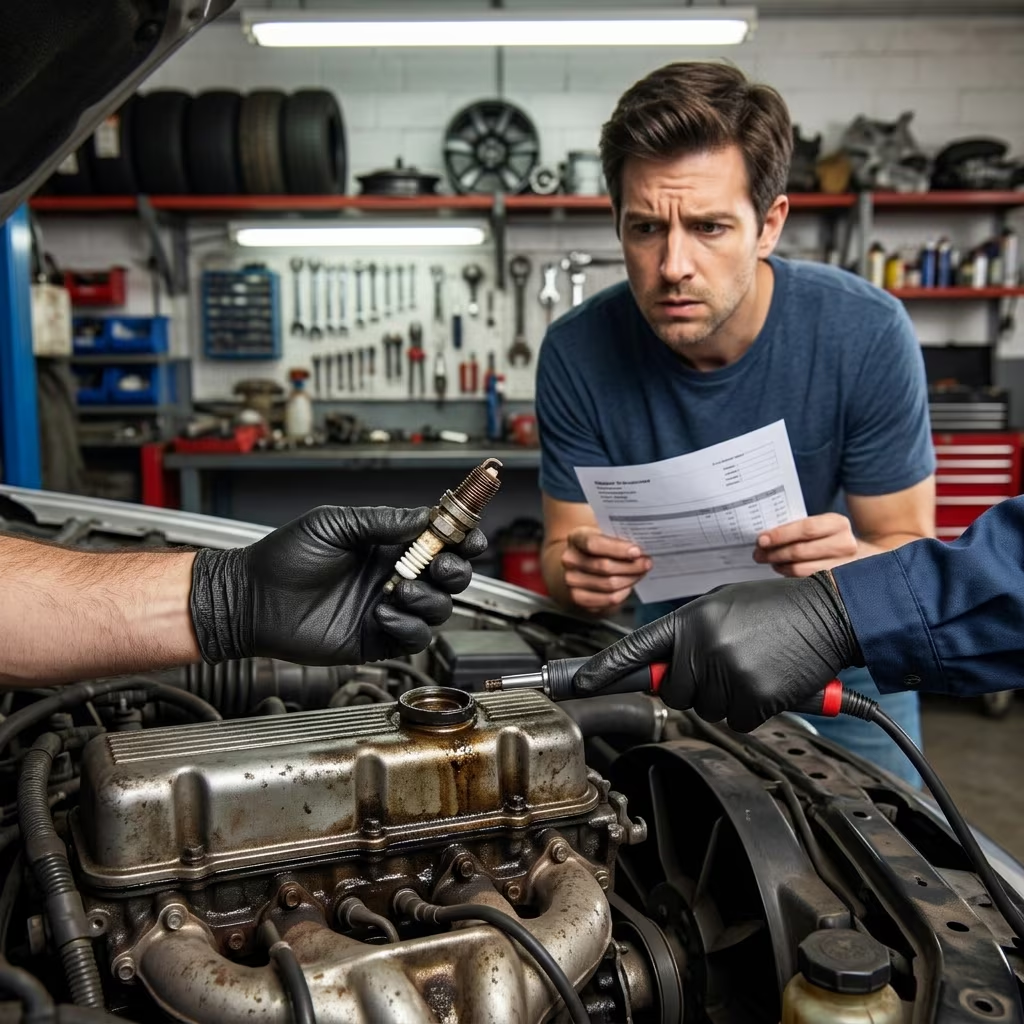
Most repair shops do honest work, but a minority of mechanics rely on confusing jargon, pressure tactics and hidden fees to squeeze extra money from drivers. Studies show that many car owners have faced attempts to sell unnecessary repairs, inflate parts prices or charge for work that never happened. Understanding how these scams work is one of the easiest ways to protect your wallet and stay safe on the road.
This guide breaks down common mechanic rip-offs, explains how to recognize them and offers concrete steps you can take before, during and after a visit to the garage. With a bit of preparation, you can stay in control of every repair decision.
Why Car Repair Scams Are So Effective
Auto repair can be intimidating. Modern vehicles involve electronics, sensors and complex systems most drivers never see. That technical complexity creates the perfect environment for dishonest shops to exploit trust and lack of information. Many scams are not dramatic; they are small, repeated overcharges or unneeded services that quietly drain your budget.
- Information gap: Drivers often do not know what a repair should cost or whether it is truly necessary.
- Urgency and safety fears: Scammers frequently warn that a vehicle is unsafe to drive to push fast decisions.
- Technical language: Mechanical jargon and vague descriptions make it hard to challenge a bill or ask detailed questions.
- Dependency: Many people rely on their cars for work, family and commuting, which increases pressure to agree quickly to repairs.
By reducing this information gap with basic knowledge and a few habits, you can dramatically lower the chance of being ripped off.
Overview: Five Major Mechanic Rip-Offs
While there are many variations, most shady practices fall into a handful of familiar patterns.
| Scam Type | What Happens | Main Risk |
|---|---|---|
| Unnecessary repairs | Shop recommends work that is not needed now or at all. | Paying for parts and labor with no benefit. |
| Inflated or shifting quotes | You are quoted one price, then charged much more later. | Surprise bills, budget problems and lost trust. |
| Charging for work not done | Shop bills for repairs or replacements that never happened. | Safety issues plus wasted money. |
| Low-quality or used parts sold as new | Mechanic installs knock-off or used parts but bills for premium components. | Reduced reliability and shorter part life. |
| Fear-based “unsafe car” tactics | Staff exaggerates risk to push expensive, immediate repairs. | Pressure decisions and unnecessary spending. |
Each of these scams has warning signs and straightforward ways to respond. The sections below explain them in detail.
Rip-Off #1: Unnecessary Repairs and Over-Maintenance
One of the most common scams is simple: convincing you that your car needs repairs or maintenance that are not required. Surveys have found that many drivers have been offered repairs that were not needed at the time or that went far beyond manufacturer recommendations.
How This Scam Works
- The shop finds “additional issues” during an inspection or routine service and recommends fixing them immediately.
- The suggested work is not listed in your vehicle’s official maintenance schedule, or is recommended much earlier than necessary.
- Staff may use phrases like “We see this all the time” or “these always fail” without demonstrating a clear problem.
- The mechanic resists giving simple explanations, photos or measurements that prove the part is worn or unsafe.
Common examples include early replacement of brakes that still have plenty of life, fluid flushes that the manufacturer does not recommend, and suspension or steering components that show only normal wear.
How to Protect Yourself
- Follow the manufacturer’s maintenance schedule: Use your owner’s manual or official service schedule as the baseline for routine work.
- Ask why the repair is needed now: Request specific reasons, such as thickness measurements for brake pads or visible cracks in belts.
- Request to see the problem: A reputable mechanic will show you worn parts on the car or after removal.
- Get a second opinion: For expensive or urgent-sounding recommendations, another qualified shop can confirm whether the repair is necessary.
If the explanation remains vague or if the shop refuses to show you evidence, treat that as a strong warning sign.
Rip-Off #2: Inflated Quotes and Surprise Bills
Another frequent complaint is being told one price up front and facing a much larger invoice after the work is done. This can happen through unclear estimates, hidden fees or adding work without permission.
Warning Signs of Pricing Games
- No written quote is provided before work begins, only a verbal “rough estimate”.
- The estimate lacks detail on parts, labor hours and taxes or other charges.
- The final bill includes additional services you never approved or line items labeled vaguely, such as “shop supplies” at high amounts.
- Staff claims the job took “much longer than expected” without explaining why, and charges far more labor than typical for the task.
Best Practices to Keep Prices Under Control
- Insist on a written, itemized quote: Ask that parts, labor, taxes and any fees are listed before you agree to the work.
- Set spending limits: Authorize the shop to perform only the specified work, and require a call before any changes or added repairs.
- Compare with typical costs: Before approving expensive jobs, look up average prices from trusted sources or another garage.
- Review the invoice in detail: Compare the final bill to the original estimate and ask about every difference.
Reliable shops treat written estimates as a commitment, not a flexible starting point. If a garage resists putting numbers in writing, consider taking your business elsewhere.
Rip-Off #3: Charging for Work That Was Never Done
A more serious form of fraud involves billing for repairs, part replacements or services that do not actually happen. Drivers have reported being charged for parts that were never replaced or for fixes that did not occur.
How This Plays Out
- The shop claims a part was replaced, but the old component is still in place or shows no sign of being removed.
- A “fixed” problem returns immediately, suggesting the underlying issue was never addressed.
- The mechanic refuses to provide the old parts or claims they were discarded immediately.
- Inspection by another garage reveals that major jobs—such as transmission or engine work—were not performed as claimed.
Simple Checks to Confirm Work
- Ask to keep replaced parts: Many consumer protection experts recommend requesting your old parts back; reputable shops typically agree.
- Document repairs: Keep invoices, notes and dates. If a problem reappears quickly, you will have a clear record to show another mechanic or a dispute investigator.
- Look for visible changes: New parts often look different from old components. If nothing appears changed, raise questions.
- Seek an independent inspection: If you suspect fraud, another shop can verify whether work was actually completed.
When you confirm a shop has charged for work that was not done, you may need to escalate the issue to payment providers or consumer agencies, which we will cover later.
Rip-Off #4: Low-Quality or Used Parts Sold as Premium
Good-quality parts are critical for safety and reliability. Some dishonest shops install lower-grade components or used parts while charging for new, high-quality items. This practice saves the shop money in the short term but can shorten the life of the repair and increase the chance of future failures.
What to Watch For
- The invoice lists “OEM” or branded parts, but the components installed appear generic or have unfamiliar markings.
- Prices for parts are far above what reputable suppliers or dealers charge, suggesting a markup that is hard to justify.
- The shop is unwilling to name the manufacturer or provide packaging for critical parts such as brakes, suspension or steering.
- Repairs fail or wear out much faster than expected, pointing to cheap or used components.
Strategies for Ensuring Quality Parts
- Ask what brand will be used: Request the manufacturer name and part numbers, especially for safety-related items.
- Check reasonable price ranges: Compare quoted parts prices with typical costs from official dealers or well-known suppliers.
- Request packaging or documentation: For major components, you can ask to see the box or documentation that came with the part.
- Choose trusted repair providers: Industry associations and consumer organizations recommend working with garages that rely on reputable distributors and original manufacturers.
While aftermarket parts can be perfectly acceptable, the key is transparency. Honest mechanics explain the options, their quality and their cost so you can make an informed choice.
Rip-Off #5: Fear-Based “Unsafe Car” Tactics
Some shops use safety to pressure drivers into rapid decisions. They may claim your car is dangerous to drive unless you immediately authorize major repairs, even when the real risks are minor or can be addressed later.
Common Pressure Techniques
- Staff emphasizes worst-case scenarios—such as brake failure or wheel loss—without explaining the actual condition of your car.
- The mechanic discourages second opinions and insists the vehicle should not leave the premises without their recommended work.
- They combine safety warnings with limited-time discounts, pushing you to decide on the spot.
- Written documentation about the alleged issue is vague or missing entirely.
Balanced Ways to Respond
- Ask for clear, written findings: Request measurements, photos or diagnostic reports that show why the car would be unsafe.
- Check against manufacturer guidance: Use the owner’s manual or official technical information to understand the severity of the issue.
- Consider another inspection: If the car is driveable and the shop allows you to leave, a second opinion can confirm whether urgent repairs are needed.
- Evaluate your own comfort: If multiple sources agree the car is dangerous, prioritize safety and complete the repairs promptly.
Safety should never be ignored, but it should also not be used as a sales tactic. Evidence and clear explanations are essential.
How to Avoid Being Ripped Off: Practical Prevention Tips
Beyond recognizing scams, adopting a few simple habits can dramatically reduce your risk.
Before You Visit a Mechanic
- Research the shop: Look for garages with strong reputations, consistent reviews and recommendations from people you trust.
- Know your car’s basic needs: Read your owner’s manual and understand the standard maintenance schedule.
- Prepare questions: Write down symptoms, noises or warning lights so you can describe the problem clearly.
- Set expectations: Decide in advance what budget you can afford and that you require a written estimate before work begins.
During the Repair Process
- Ask for explanations in plain language: If a recommendation is unclear, request a simple description of what broke and why it matters.
- Stay reachable: Make sure the shop can contact you before performing additional work beyond the original plan.
- Authorize only specific tasks: Give written or verbal approval for defined jobs, not general permission to “fix everything”.
- Document communications: Keep notes of conversations, including who you spoke with and what was agreed.
After You Receive the Car
- Review the invoice line by line: Verify that each charge matches the estimate and that you understand the listed parts and labor.
- Confirm the work: Ask to see the replaced parts and ask the mechanic to point out what was done.
- Test drive safely: Pay attention to whether the original symptoms are gone and report any issues promptly.
- Store paperwork: Keep receipts and quotes for future reference, warranty claims or disputes.
What to Do If You Think You Were Ripped Off
Even with precautions, you may occasionally encounter a dishonest shop. Responding calmly and methodically improves your chances of resolving the problem.
Step-by-Step Response
- Gather evidence: Collect estimates, invoices, photos and any notes about the repair. A second mechanic’s written opinion can help show what was or was not done.
- Speak to the shop first: Many consumer advocates advise contacting the repair facility directly, explaining your concerns and asking how they plan to fix the situation.
- Use payment tools: If you paid by credit card and have strong evidence of wrongdoing, you may be able to dispute the charge through your card issuer.
- Contact consumer agencies: If the shop refuses to cooperate, organizations such as the Better Business Bureau or state-level consumer protection offices can review your complaint.
- Consider legal options: For larger losses, small claims court may be an option, especially when you can document clear fraud.
Keeping calm and focused on facts—rather than arguments—usually leads to better outcomes when challenging a suspected scam.
FAQs: Common Questions About Mechanic Scams
How can I tell if a repair recommendation is necessary?
Compare the recommendation to your car’s official maintenance schedule, ask the mechanic to show you the problem, and consider getting a second opinion for costly repairs. Clear evidence and consistent advice from more than one source are good signs the repair is justified.
Is it reasonable to ask for my old parts back?
Yes. Many consumer advocates and motoring organizations suggest requesting replaced parts as a simple way to verify that work was done. Honest shops usually have no issue placing old components in your vehicle for review.
Are all aftermarket parts bad?
No. Many aftermarket parts meet high quality standards, but transparency matters. Ask which brand will be used, compare prices with reputable suppliers, and avoid garages that refuse to identify the manufacturer.
Can a mechanic refuse to give a written estimate?
While practices vary, refusing any written estimate is a red flag. Consumer organizations recommend getting quotes in writing, including parts, labor and taxes, before authorizing work.
What if I feel pressured to approve repairs immediately?
You are entitled to pause, ask questions and seek another opinion, especially for expensive or unexpected repairs. Unless the car is clearly unsafe to drive, taking time to decide often protects you from unnecessary costs.
References
- How to Spot and Avoid Car Repair Scams — AARP. 2023-10-24. https://www.aarp.org/money/scams-fraud/car-repair/
- Common garage repair scams and how to avoid them — Bumper. 2023-06-14. https://www.bumper.co/blog/car-repair-scams
- Top mechanic scams revealed — RAC Drive. 2019-08-15. https://www.rac.co.uk/drive/advice/car-maintenance/visit-mechanic-guide/
- Ripped Off By a Mechanic: What Can I Do? — CarParts.com. 2022-11-10. https://www.carparts.com/blog/ripped-off-by-a-mechanic-what-can-i-do/
- 5 Auto Repair Shop Scams Your Mechanic Might Try — Consumer Reports. 2018-07-30. https://www.consumerreports.org/car-maintenance/5-auto-repair-shop-scams-your-mechanic-might-try/