
Mattress Tags: Legal Truth Behind ‘Do Not Remove’
Unravel the myth: Is removing mattress and pillow tags really illegal? Discover history, laws, and practical advice for consumers.
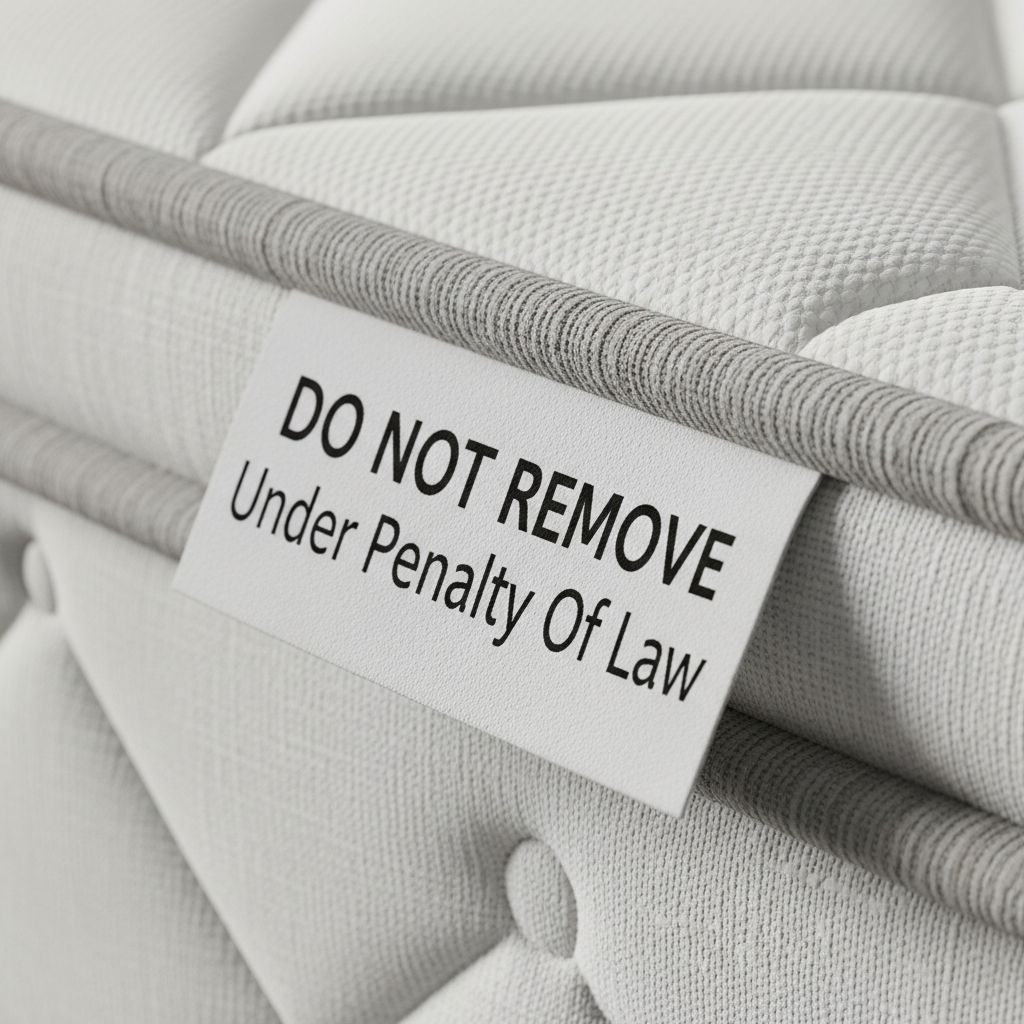
Those bold red tags on new mattresses and pillows warning ‘Do Not Remove Under Penalty of Law’ have sparked curiosity and urban legends for decades. Many wonder if snipping one off could lead to fines or jail time. The short answer: for everyday buyers, it’s perfectly legal to remove them after purchase. These labels target manufacturers and sellers, not you. This article dives deep into the history, regulations, exceptions, and smart reasons to keep them intact.
Historical Roots of Bedding Labels
In the early 1900s, bedding production was unregulated chaos. Manufacturers cut corners by stuffing mattresses and pillows with hazardous, disgusting fillers like corn husks, food scraps, newspapers, dirty rags, horsehair, and even animal droppings or discarded hospital materials. These unseen contents posed serious health risks, spreading diseases and allergens without consumer knowledge.
Industry leaders, partnering with local governments, pushed for transparency. By the 1910s, states began mandating ‘law labels’ listing exact filling materials. This self-regulated system aimed to build trust and prevent shady practices. Unlike visible fabrics on clothing, bedding interiors are hidden, making disclosure essential for public safety.
Shifty producers responded by ripping off tags to conceal subpar contents. Governments escalated with federal backing under the Federal Trade Commission Act, criminalizing tag removal by sellers. Language evolved to include ‘except by the consumer’ to avoid scaring buyers. Today, these tags blend historical precaution with modern oversight.
Current U.S. Regulations Explained
All 50 states regulate bedding labels to some degree, but enforcement varies. 31 states require law labels on mattresses and pillows, with 13 actively policing compliance, including Massachusetts. Manufacturers and distributors must license annually, submit label templates, and ensure accurate material listings.
The tags specify fillings (e.g., ‘100% cotton’ or ‘polyester fiberfill’), origin (new vs. secondhand), and sanitation status. Federal standards via the FTC reinforce this, prohibiting misleading practices. Penalties for violators—sellers removing tags or falsifying info—include fines, not imprisonment.
| State Category | Number of States | Key Requirements | Enforcement |
|---|---|---|---|
| Active Enforcement | 13 (e.g., MA) | Licensing, label approval | Fines for non-compliance |
| Label Required | 31 total | Material disclosure | Varies |
| Minimal/No Specific | 19 | General FTC rules | Federal oversight |
This table summarizes variations; always check local laws for interstate moves.
Who Faces Penalties and Why
The ‘penalty of law’ clause binds producers, retailers, and distributors—not consumers. If a store removes a tag to hide cheap fillings, they risk hefty fines. For example, Massachusetts demands yearly licensing; violations trigger inspections and monetary sanctions.
Consumers gain ownership rights upon purchase. Tags clarify: removal is allowed post-sale. This protects buyers’ right to know contents while deterring seller fraud. Myths persist from outdated wording, but modern tags explicitly exempt owners.
Practical Reasons to Leave Tags On
Legality aside, ditching the tag isn’t always wise. Here’s why:
- Warranty Protection: Many brands void coverage if tags are removed, as it proves tampering. Check your mattress warranty—most require intact labels for defect claims.
- Care Instructions: Tags list washing, drying, and material details, vital for longevity and allergy checks, especially for guests.
- Resale Value: Intact tags verify authenticity during sales or moves, boosting buyer confidence.
- Allergen Awareness: Revelations like down feathers or synthetics help those with sensitivities.
Compromise by covering with a protector or sheet—eyesore gone, benefits retained.
State-by-State Breakdown
Laws differ regionally. California mandates detailed sanitation proofs; New York inspects factories. Massachusetts exemplifies strictness: annual licenses cost fees, with tags scrutinized for accuracy.
In less regulated states, federal FTC rules apply, focusing on truthful labeling. Secondhand bedding faces extra scrutiny—tags must denote ‘renovated’ status. Violators face civil penalties up to thousands per infraction.
For businesses, compliance means registering fillings, sourcing certified materials, and sewing durable tags. Consumers benefit from this rigor, enjoying safer sleep products.
Common Myths and Misconceptions
- Myth: Federal crime for anyone. False—only sellers penalized.
- Myth: Jail time possible. No, fines only.
- Myth: Tags on all bedding. Primarily mattresses/pillows; sheets exempt.
- Myth: Modern irrelevance. Still vital amid global supply chains hiding contaminants.
TV shows and word-of-mouth fuel confusion. Read fine print: ‘except by consumer’ clarifies all.
Frequently Asked Questions (FAQs)
What happens if I remove my mattress tag?
Nothing legally, but it might void your warranty. Keep it for care info and claims.
Do all states have these laws?
31 require labels; 13 enforce strictly. FTC covers gaps.
Can stores remove tags before selling?
No—it’s illegal, risking fines for concealing contents.
Why pillows too?
Same hidden filling risks as mattresses; uniform rules apply.
Is secondhand bedding regulated?
Yes, must label as ‘used’ with cleaning proofs.
What if allergic to fillings?
Tags disclose—remove legally if needed, but note for health.
Consumer Tips for Bedding Purchases
Shop smart:
- Inspect tags pre-buy for full disclosure.
- Verify warranty terms on tags.
- Choose certified sanitization (e.g., ASTM standards).
- For allergies, prioritize hypoallergenic labels.
- Report suspicious sellers to state ag departments.
Online buys? Demand tag photos. Returns easier with proof.
Evolution and Future of Law Labels
Digital age brings QR codes linking to material certs, but physical tags endure for tamper-proofing. Sustainability pushes eco-fillings like bamboo, still requiring disclosure. Global trade demands harmonized standards.
As manufacturing cleans up, labels shift to quality assurance. Yet, history warns: vigilance prevents backsliding.
Global Comparisons
U.S. leads in stringency; EU mandates similar via REACH for chemicals. Canada mirrors with filling lists. Developing nations lag, risking imports. Travelers: check hotel tags for hygiene clues.
In summary, fear not the tag—it’s your ally. Snip if aesthetics demand, but weigh pros. Informed sleep starts with knowledge.
References
- Is It Actually Illegal to Cut Off Pillow Tags? — Good Housekeeping. 2024-10-03. https://www.goodhousekeeping.com/home-products/a70575964/can-you-remove-pillow-tags-legally/
- Is It Really Illegal To Remove That Tag On Your Mattress? — GBH News (YouTube). 2018-10-09. https://www.youtube.com/watch?v=OnEPQKErjoU
- Why is it ‘Illegal’ to Remove a Mattress Tag? — Sleepopolis. Accessed 2026. https://sleepopolis.com/education/why-is-it-illegal-to-remove-a-mattress-tag/
- Why Do Mattresses And Pillows Have ‘Do Not Remove’ Labels? — WGBH News. 2018-10-09. https://www.wgbh.org/news/local/2018-10-09/why-do-mattresses-and-pillows-have-do-not-remove-labels
Similar Articles








Read full bio of Sneha Tete




