First Court Appearance: Step-By-Step Guide And Checklist
Practical guidance to plan, prepare, and present yourself confidently and professionally at your very first court hearing.
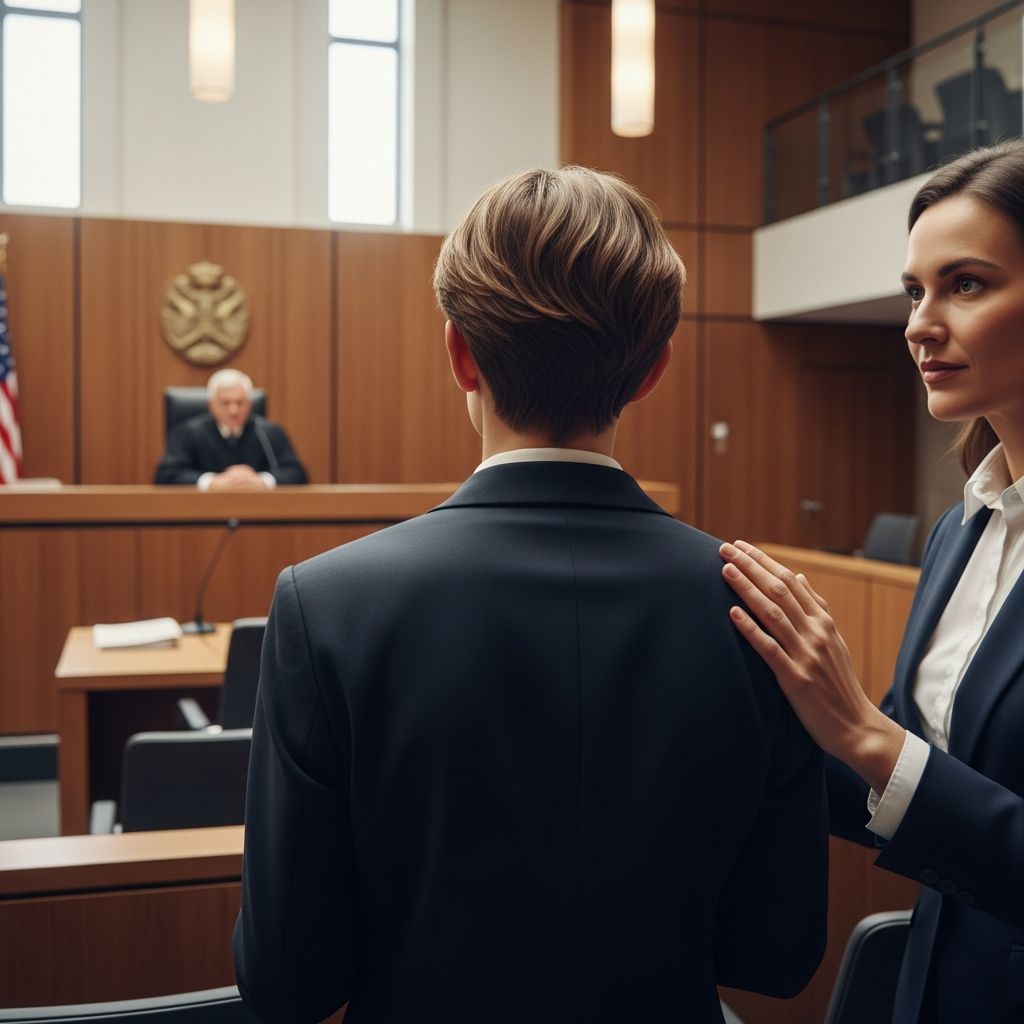
Mastering Your First Court Appearance: A Step-by-Step Guide
Your first time appearing in court—whether as a lawyer, paralegal, or self-represented litigant—can feel daunting. Careful preparation, respectful courtroom behavior, and organized follow-up can turn that anxiety into confidence and help the hearing run smoothly for you, your client, and the court.
This guide offers a practical roadmap to plan your first court date, including what to do before the hearing, how to conduct yourself in the courtroom, and how to follow up effectively afterward.
Understanding the Purpose and Format of the Hearing
Not all court appearances are alike. Knowing exactly what kind of hearing you are attending—and what the judge will expect you to accomplish—shapes every other preparation step.
Common Types of First Court Appearances
Your first encounter with the court may be one of several types of hearings, each with its own objectives:
- Arraignment or initial appearance – In criminal cases, the court informs the defendant of the charges and rights, and often addresses bail or release conditions.
- Status or case management conference – The judge checks on case progress, sets deadlines, and may schedule future hearings or trial dates.
- Motion hearing – The court hears arguments on specific legal issues (e.g., discovery disputes, motions to dismiss, temporary orders).
- Settlement or mediation-related conference – The court encourages negotiation and explores whether the matter can be resolved without trial.
Review the notice of hearing carefully to confirm the purpose, location (in person or remote), and any materials the court has requested in advance.
Clarifying Your Objectives
Before you step into court, be clear on what you want the judge to do that day. Prepare a brief internal outline covering:
- What ruling or order you are seeking
- What facts matter most to that decision
- What rule, statute, or case law supports your request
- What reasonable alternatives or compromises you can propose
Having these points ready helps you speak clearly, stay focused under pressure, and respond efficiently to the judge’s questions.
Pre-Hearing Preparation: Foundations of a Smooth First Meeting
Thorough preparation is the single most important factor in whether your first court appearance feels controlled or chaotic. The work you do days or weeks in advance will reduce stress and demonstrate respect for the court’s time.
Review the Case File and Procedural Posture
Start with a top-to-bottom review of the file so that nothing surprises you at the lectern:
- Read the pleadings, petitions, complaints, and answers.
- Check the current orders and any deadlines previously set.
- Confirm which issues are actually before the court at this hearing.
- Identify any open discovery or disclosure obligations.
Keeping a concise case summary at hand—key dates, parties, main disputed points—allows you to answer basic questions efficiently and credibly.
Organize Documents and Evidence
Court systems emphasize the importance of having your documents organized and immediately accessible. Create a structure that lets you find any item you need within seconds.
- Assemble a hearing binder or digital folder containing:
- Filed pleadings and motions
- Supporting affidavits or declarations
- Key exhibits (contracts, emails, photos, receipts, etc.)
- Prior orders and notices
- Correspondence related to issues on the agenda
- Create an index with tab numbers or bookmarks and brief descriptions.
- Prepare multiple copies of any document you may need to show the judge or the other side, following local rules on exhibit exchange.
- Flag critical pages with tabs or digital highlights so you can open them quickly when questioned.
In many jurisdictions, self-help and court guidance materials recommend bringing originals along with at least two copies of any evidence you intend to discuss at the hearing.
Check Local Rules and Judge-Specific Practices
Courtroom procedures can differ significantly not only between states but from one judge to another. Before your first appearance, verify:
- Local rules on filing deadlines and page limits
- Preferred formats for proposed orders or exhibit lists
- Requirements for remote appearances or hybrid hearings
- Guidelines on technology use in the courtroom (laptops, projectors, video)
Many courts publish local rules and checklists on their official websites to guide litigants and lawyers. Reviewing these resources avoids procedural missteps that can distract from the merits of your case.
Prepare a Speaking Outline
Courts often recommend that self-represented litigants write out the key points they want to make and bring that outline to court. Lawyers benefit from the same discipline. Your outline might include:
- A brief introduction (who you are and whom you represent)
- The specific relief you are asking for
- Three to five key facts supporting that relief
- Citations to key rules or precedents (in shorthand form)
- Short responses to the most likely arguments from the other side
This document is not a script. Instead, it functions as a roadmap that keeps you on track, helps you prioritize, and gives you something to refer to if you lose your place.
Coordinating Clients and Witnesses
A successful first appearance depends on more than your own preparation. Clients and witnesses need guidance about logistics, expectations, and courtroom behavior.
Educating the Client
Before the hearing, schedule time to explain the process in plain language:
- Who will be in the courtroom
- Where the client should sit and when they may speak
- How to address the judge and respond to questions
- What outcomes are realistically possible at this hearing
Clear explanations can reduce anxiety and improve the client’s ability to listen carefully and provide accurate information during or after the hearing.
Managing Witness Logistics
If witnesses are needed for the first hearing:
- Confirm their availability for the full time window, not just the scheduled start.
- Provide basic guidance on dress, punctuality, and respectful behavior.
- Ensure they understand what topics they will address, without coaching them to alter their recollection.
- Issue subpoenas where permitted or required to secure attendance and comply with procedural rules.
Even when no testimony is expected, identifying potential future witnesses and understanding what they can offer will help you plan subsequent stages of the case.
Courtroom Etiquette and Professional Demeanor
Courtroom conduct can significantly affect how your arguments are received. Judges and court staff expect all participants to demonstrate respect, punctuality, and decorum.
Arrival and Check-In
Plan to arrive early enough to handle parking, security, and navigation through the building. Court resources commonly suggest arriving at least 30 minutes before your hearing to avoid delays that could jeopardize your case.
- Allow extra time for security screening and elevator waits.
- Locate your assigned courtroom and check posted calendars or electronic displays.
- Introduce yourself to the court clerk or court attendant if appropriate.
- Confirm how the judge prefers to handle check-ins and calling the docket.
Appearance and Body Language
First impressions matter. While there is no universal dress code, conservative, neat clothing generally conveys respect for the institution. Once in the courtroom:
- Sit quietly while waiting for your case to be called.
- Silence mobile phones and disable alerts on laptops or tablets.
- Avoid side conversations, eye-rolling, or visible reactions to testimony.
- Stand when the judge enters and leaves the courtroom, following local practice.
Maintaining composed, attentive body language underscores your professionalism and keeps the focus on your arguments rather than your demeanor.
Addressing the Court and Opposing Counsel
Basic etiquette when speaking in court includes:
- Addressing the judge as “Your Honor”, unless local practice differs.
- Speaking only when it is your turn; do not interrupt the judge or opposing counsel.
- Standing when addressing the court, unless you have a disability or the judge excuses you.
- Referring to opposing parties and counsel respectfully, by name or as “counsel.”
Judges repeatedly emphasize listening carefully to questions, answering directly, and avoiding argument with the court or personal attacks on the other side.
Presenting Your Position Clearly and Efficiently
Once your case is called, your role is to help the judge understand the issue quickly, see the key facts, and apply the law. Organized presentation makes that process smoother for everyone.
Suggested Structure for Oral Presentation
While every case is different, many lawyers and self-represented litigants use a simple structure:
- Introduction: State your name, whom you represent, and the specific motion or matter before the court.
- Relief requested: Clearly state what you are asking the court to do.
- Key facts: Briefly describe the essential facts, focusing on those the judge must decide today.
- Law applied to facts: Identify the main rule or statute and explain how it supports the relief requested.
- Response to anticipated arguments: Address the central point or two you expect from the other side.
- Conclusion: Restate the requested order and offer to answer questions.
Your earlier outline and document organization will help you follow this path without losing track of time or key points.
Using Technology and Demonstrative Aids
If the court allows it, simple technology and demonstrative exhibits can clarify complex timelines, financial data, or relationships between events.
- Confirm in advance whether the courtroom has screens, projectors, or document cameras.
- Test your files (PDFs, slides, images) for compatibility with courtroom systems.
- Have non-digital backups in case of technical failure.
Visual aids should illuminate your key points, not overwhelm them. Keep them clean, legible, and focused.
Key Day-of-Hearing Checklist
The following table summarizes core items to confirm before leaving for court. Adjust it to your jurisdiction’s rules and your specific role.
| Category | Items to Confirm |
|---|---|
| Case Materials | Pleadings, motions, prior orders, exhibits, evidence copies, hearing outline, proposed orders (if allowed) |
| Client & Witnesses | Client informed of time and location, witnesses confirmed or subpoenaed, contact information available |
| Logistics | Directions and parking plan, security screening time, courtroom number, estimated hearing duration |
| Technology | Charged laptop/tablet, necessary cables, printed backups of key exhibits, understanding of courtroom tech rules |
| Supplies | Notepad, pens, highlighters, sticky notes, business cards, extra copies of documents for judge and opposing counsel |
After the Hearing: Capturing Outcomes and Planning Next Steps
Your responsibilities do not end when you walk out of the courtroom. Prompt, accurate follow-up protects your client’s interests and ensures you are ready for the next phase of the case.
Documenting What Happened
Immediately after the hearing—ideally before leaving the courthouse—do the following:
- Record the judge’s rulings, including any oral directives not yet in a written order.
- Note any deadlines the court set for filings, discovery, or future hearings.
- Confirm who is responsible for preparing proposed orders or minute entries.
- Update your internal case chronology and task list.
Accurate, contemporaneous notes reduce the risk of missed deadlines or misunderstandings of what the court required.
Communicating with the Client
Clients need timely, understandable explanations of what the hearing accomplished and what comes next.
- Summarize the outcome in plain language, avoiding jargon.
- Explain any new obligations (payments, document production, program attendance).
- Discuss realistic next steps, including settlement options, further motions, or trial preparation.
Good communication after the first hearing builds trust and helps clients make informed decisions as the case progresses.
Adjusting Strategy
Use your first court interaction as feedback on your approach:
- Reflect on what questions the judge focused on and what seemed less important.
- Identify any weaknesses in your evidence, legal authority, or organization.
- Refine your strategy for later motions, negotiations, or trial in light of the court’s comments.
Your first meeting with the court is often just the beginning. Treat it as both a procedural event and a learning opportunity.
Frequently Asked Questions (FAQs)
Q: How early should I arrive for my first court appearance?
Many courts and legal self-help resources recommend arriving at least 30 minutes before your scheduled time to allow for security, finding the courtroom, and any unexpected delays.
Q: What should I bring with me to the hearing?
Bring organized copies of all filed papers, any documents you received, evidence you may need, your outline of what you will say, and basic supplies like a notepad and pens. If you are a lawyer, also bring proposed orders and extra copies of key exhibits.
Q: How should I address the judge?
In most U.S. courts, the judge is addressed as “Your Honor.” When in doubt, observe how other lawyers speak or politely ask the clerk before the hearing.
Q: Can I use my phone or laptop in the courtroom?
Policies differ by court. Many allow silent use of laptops or tablets for case materials but require phones to be powered off or silenced. Check local rules or posted signs and follow any instructions from court staff.
Q: What happens if I am late to my first court appearance?
Being late can lead to serious consequences, including missed opportunities to be heard or, in some courts, adverse rulings if you fail to appear when called. Planning ahead to avoid delays is strongly recommended.
References
- How to Prepare For Your Court Appearance — Sand Law. 2024-03-01. https://www.sandlawnd.com/prepare-for-court-appearance/
- Court Checklist — South Dakota Unified Judicial System Self Help Center. 2023-06-15. https://ujs.sd.gov/self-help/representing-yourself/court-checklist/
- Trial Preparation Checklist: Key Steps & What to Expect in Court — Clio. 2023-09-20. https://www.clio.com/blog/trial-preparation-checklist/
- Court Hearing Preparation Checklist — Manifestly. 2023-11-10. https://www.manifest.ly/use-cases/law-firm/court-hearing-preparation-checklist
- PRE-TRIAL PLANNING CHECKLIST — Susman Godfrey L.L.P. 2018-04-01. https://www.susmangodfrey.com/wp-content/uploads/2023/03/Advocate_Spring2018_Articles_EricaHarris.pdf
- Trial Preparation Checklist for Lawyers: A Guide to Success — U.S. Legal Support. 2022-08-05. https://www.uslegalsupport.com/blog/trial-preparation-checklist/
- If My Case Goes to Trial (Checklist) — Douglas County, Georgia. 2019-05-10. https://www.douglascountyga.gov/DocumentCenter/View/271/Checklist—If-My-Case-Goes-to-Trial-PDF
Similar Articles








Read full bio of medha deb