Television appearances offer attorneys a powerful platform to educate the public, shape narratives around cases, and establish authority in their field. However, succeeding in these high-stakes moments requires more than legal expertise—it demands media savvy, polished delivery, and strategic foresight. This guide draws on proven techniques to help lawyers navigate TV interviews with confidence, ensuring their messages resonate while adhering to ethical standards.
Strategic Preparation Before the Camera Rolls
Success begins long before the lights go on. Thorough preparation transforms a potentially nerve-wracking experience into an opportunity for impact. Start by researching the outlet and host. Understand their style, audience demographics, and recent coverage to tailor your approach. For instance, morning shows often attract diverse viewers seeking relatable insights, so frame legal concepts in everyday terms.
Develop 2-3 core messages that encapsulate your position. These should be concise, memorable, and versatile enough to fit into 10-15 second soundbites, as most aired segments are brief. Practice repeating them naturally, using bridging phrases like “What matters most is…” to redirect conversations back to your points. Anticipate tough questions, including adversarial ones, and rehearse responses that stay factual and professional without revealing confidential details.
- Review past episodes of the show to gauge tone and pacing.
- Coordinate with your client on their involvement, preparing them if needed.
- Rehearse with a colleague or media coach, recording sessions for self-review.
Appearance and On-Camera Demeanor
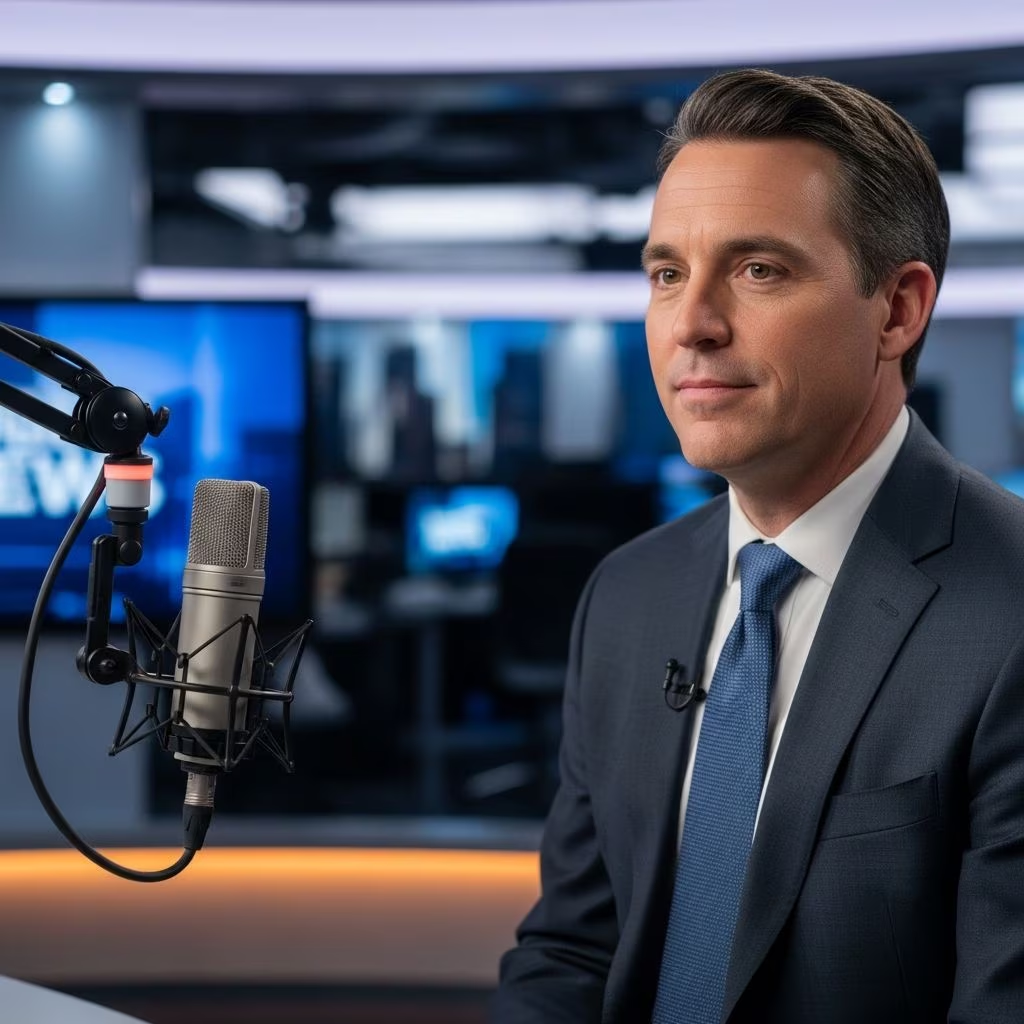
Your visual presentation shapes viewer perceptions as much as your words. Opt for professional attire: a dark jacket conveys authority and balances skin tones on screen, avoiding stark white shirts that can wash out under lights. Steer clear of busy patterns or bright colors that distract or cause visual artifacts.
Body language speaks volumes. Lean slightly forward to project engagement and intimacy, maintain steady eye contact with the interviewer (not the camera, unless experienced), and keep an open posture—relaxed shoulders, no crossed arms. A subtle smile and minimal blinking foster trust and approachability. Treat the crew like allies; building rapport can lead to better framing and editing.
| Do’s | Don’ts |
|---|---|
| Dark suit, solid tie | White shirt solo, flashy jewelry |
| Lean in, direct gaze at host | Stare at camera, fidget |
| Controlled background with branding | Cluttered or neutral walls |
Crafting Impactful Soundbites and Language
TV thrives on brevity. Eliminate qualifiers like “I think” or “It seems” to sound decisive and credible. Use simple analogies—compare a contract dispute to a handshake gone wrong—to make complex law accessible. Pause 1-2 seconds before responding; this conveys thoughtfulness and prevents rushed answers.
Flags like “The crucial fact here is…” highlight key points, while bridges such as “That said, let’s focus on…” pivot from off-topic queries. Aim for quotable quotes: punchy, rhythmic phrases that stick, like “Justice isn’t blind—it’s balanced by evidence.” Stay ethical, avoiding speculation or client confidences that could violate rules.
Navigating Challenging Dynamics
Reporters may probe aggressively to elicit drama. Respond calmly, acknowledging the question before bridging: “That’s a valid concern, but the evidence shows…”. If pressed on sensitive areas, pivot gracefully without evasion, which could appear shifty. Active listening—nodding, maintaining eye contact—builds connection and buys thinking time.
For live vs. taped interviews, adapt: taped allows more control via key messages, while live demands quick recovery from flubs. In contentious spots, ease in with rapport-building before tough topics, creating emotional crescendos that engage viewers.
Leveraging Background and Technical Elements
Control your environment. A branded backdrop reinforces your firm subtly, potentially worth thousands in exposure. Ensure lighting flatters without shadows, and test audio for clarity. If remote, verify your setup: stable connection, neutral backdrop, and eye-level camera.
Post-Interview Follow-Up and Review
Afterward, send a thank-you note recapping your messages, and request a clip for your website. Review the aired segment critically: What landed? What to refine? This iterative process hones skills for future spots. Track impact via website traffic or inquiries to quantify media value.
Common Pitfalls and How to Avoid Them
- Overloading with details: Stick to soundbites; save depth for off-air chats.
- Legalese trap: Translate into plain English for mass appeal.
- Nervous habits: Practice eliminates filler words and tics.
- Client misalignment: Align stories beforehand to avoid surprises.
Frequently Asked Questions (FAQs)
What should lawyers wear for a TV interview?
Choose a dark jacket over a non-white shirt for a professional, camera-friendly look that projects confidence. Avoid patterns that moiré on screen.
How do you handle hostile questions?
Acknowledge briefly, then bridge to your key message: “While that’s one view, the facts demonstrate…” Stay composed and factual.
Is media training worth it for attorneys?
Yes—practice refines delivery, boosts confidence, and ensures ethical messaging under pressure.
Can lawyers discuss ongoing cases on TV?
Yes, but ethically: focus on public facts, avoid prejudicing proceedings or revealing confidences.
How long should soundbites be?
9-15 seconds max, crafted for memorability and easy editing into stories.
Building Long-Term Media Savvy
TV interviews are gateways to broader influence. Consistent, strategic appearances position you as a go-to expert, driving client leads and thought leadership. Invest in ongoing training, track ethics compliance, and view each outing as a performance refined by feedback. With these tools, attorneys can turn the camera into a career accelerator.
Mastering this arena requires blending legal precision with communication artistry. From message distillation to poised delivery, every element counts. Attorneys who prepare diligently not only survive TV scrutiny but thrive, informing publics and advancing justice narratives effectively.
References
- Lawyers Speak Up: Tips for Cases Receiving Media Attention — LawyerMinds. N/A. https://www.lawyerminds.com/lawyers-speak-up-tips-for-cases-receiving-media-attention/
- 10 Tips to Mastering the Television Interview — Impact Factory. N/A. https://www.impactfactory.com/resources/media-training-mastering-the-television-interview/
- Public Relations for Lawyers: Interviews for Lawyers — Furia Rubel. N/A. https://www.furiarubel.com/news-resources/public-relations-lawyers-putting-media-work-part-ii/
- How Attorneys Should Prepare for a Media Interview — RebuttalPR. N/A. https://www.rebuttalpr.com/how-attorneys-should-prepare-for-a-media-interview/
- TV Interview Tips With TODAY Show’s Craig Melvin — NBCU Academy. N/A. https://nbcuacademy.com/tv-interview-tips/
- 10 Tips and Talking Points for Attorneys Being Interviewed by the Media — BCG Search. N/A. https://www.bcgsearch.com/article/900044408/10-Tips-and-Talking-Points-for-Attorneys-Being-Interviewed-by-the-Media-Everything-Attorneys-Need-to-Know-About-Being-Interviewed-By-The-Media/