
Mastering 911 Calls: Essential Strategies for Emergencies
Unlock life-saving techniques for effective 911 calls: Stay calm, provide precise details, and ensure rapid responder arrival in crises.
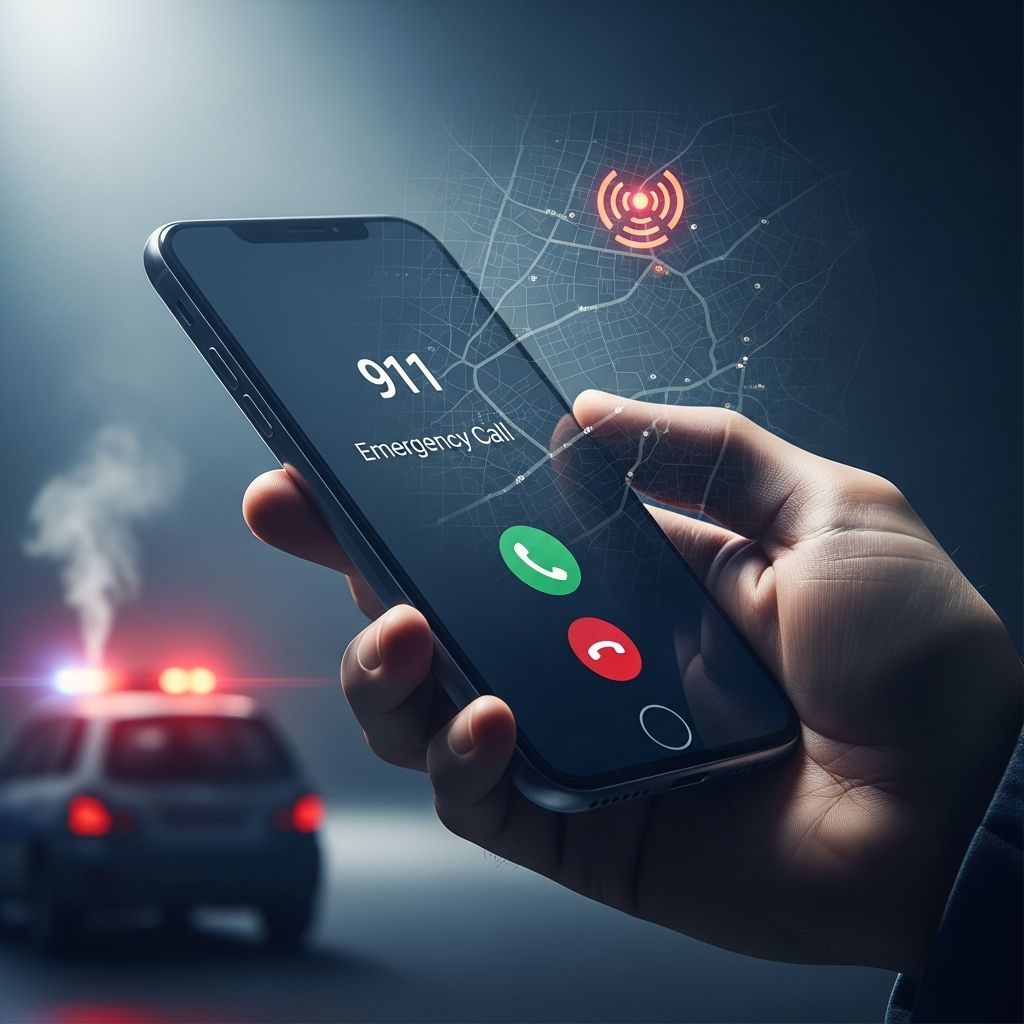
In moments of crisis, your ability to communicate clearly with 911 dispatchers can mean the difference between a swift rescue and critical delays. This guide draws from official public safety protocols to outline practical, actionable steps for anyone facing an emergency, whether it’s a medical issue, fire, or crime in progress.
Understanding the Critical Role of 911 Communications
Emergency dispatch centers handle thousands of calls daily, prioritizing based on the details provided. Dispatchers are trained professionals who follow standardized protocols to gather vital information quickly. According to guidelines from local emergency services, effective callers enable faster, more targeted responses by answering key questions systematically. The process typically begins with confirming your location and the nature of the incident, allowing dispatchers to deploy the right resources immediately.
Statistics from regional councils indicate that clear communication reduces response times by up to 30% in urban areas, underscoring why preparation matters. Even in non-life-threatening situations, precise reporting helps authorities triage calls efficiently.
Preparation Before the Crisis Hits
Proactive steps can transform panic into productivity when seconds count. Familiarize yourself with your home address, nearby landmarks, and intersection names. For rural or highway locations, note mile markers or visible businesses—these aid dispatchers, especially on mobile calls where automatic location data may be inaccurate.
Teach family members, including children, basic protocols: Dial 911 only for true emergencies like fires, severe injuries, or active crimes. Practice scenarios at home to build confidence. Keep a notepad by landlines for jotting dispatcher instructions, as some issues may require referral to non-emergency lines.
- Memorize key details: Full address, phone number, and evacuation routes.
- Cell phone specifics: Know your carrier’s enhanced location features, but always verbally confirm position.
- Household drills: Simulate calls to desensitize stress responses.
Maintaining Composure Under Pressure
Adrenaline surges during emergencies, but deep breaths are your first defense. Official tips emphasize speaking slowly and clearly from the moment the line connects. Dispatchers expect heightened emotions and are trained to guide you—focus on their questions rather than volunteering extra details initially.
Take a moment to breathe before dialing if safe. This simple act sharpens focus, ensuring your voice remains steady. In high-stress events like active shooters or vehicle accidents, prioritize safety first: Move to a secure spot before calling.
| Stress Level | Quick Calming Technique | Expected Benefit |
|---|---|---|
| High Panic | Three deep breaths | Clears mind for location reporting |
| Moderate Anxiety | Count to five slowly | Steadies voice for descriptions |
| Low but Urgent | Focus on dispatcher’s voice | Improves question responses |
Providing Your Exact Location First
The single most vital piece of information is where help is needed. Start with your full address, city, and state, even if the system auto-populates it—verification prevents errors. For cell phones, describe surroundings: ‘I’m at the blue gas station on Main and Elm, mile marker 45.’ This is crucial as wireless location accuracy varies.
If indoors, specify floor, apartment number, or room. Outdoors? Note direction of travel, nearby vehicles, or structures. Dispatchers use this to triangulate and dispatch precisely, minimizing search time.
Clearly Describing the Nature of the Emergency
After location, state the problem concisely: ‘There’s a house fire,’ or ‘Someone is having a seizure.’ Avoid jargon; use simple terms like ‘chest pain’ instead of self-diagnosing. Be ready for follow-ups: Number of victims? Weapons involved? This helps dispatchers alert responders with pre-arrival instructions.
Prioritize brevity: Get to the point so units can roll out while gathering more intel. Calls are prioritized by severity, not arrival order—detailed reports elevate urgency appropriately.
Answering Every Dispatcher Question Thoroughly
Dispatchers ask structured queries: What happened? Who is involved? How can we assist?. Answer directly; they need specifics to code the call correctly. For crimes, describe suspects from head to toe: gender, age estimate, height/build, hair, clothing, accessories, direction of flight. Vehicles? Color, make, model, plate if visible.
Listen actively—do not interrupt. If unsure, say so; partial info is better than guesses. Stay on the line until released, even for accidental dials.
Special Considerations for Mobile and Text-to-911
Over 80% of 911 calls are wireless, amplifying location challenges. Pull over if driving; silence ringtones in stealth situations. Text-to-911 is available in many areas for hearing-impaired or silent scenarios—pre-register if possible, but voice remains preferred for real-time clarification.
If disconnected, redial immediately. Provide callback number upfront. For TDD/TTY users, compatible systems ensure access.
Common Mistakes to Avoid During 911 Calls
Missteps can delay aid. Never hang up prematurely, even accidentally—explain to the dispatcher. Avoid calling relatives first; notify them post-dispatch. Do not pursue suspects or intervene physically—report and retreat.
- Don’t scream or shout: Muffles details.
- Skip assumptions: Let dispatchers determine urgency.
- No slang/abbreviations: ‘IDK’ confuses; spell out.
Training Children and Vulnerable Family Members
Empower kids: Role-play with toy phones, stressing ‘Tell where we are first.’ Supervise young dialers but prepare them for independence. For elderly or disabled relatives, preset speed dials and location cards. Community programs often offer free workshops—enroll to build collective readiness.
Post-Call Protocols and Follow-Up
Once units are en route, follow dispatcher advice: Unlock gates, prepare lights. If needs change, call back. After resolution, provide feedback via non-emergency lines to refine services. Debrief family to process the event and reinforce lessons.
Frequently Asked Questions (FAQs)
What if I dial 911 by mistake?
Stay on the line and explain—it prevents unnecessary dispatches. Hanging up triggers a response.
Is Text-to-911 reliable for all emergencies?
It’s a vital option where available, especially for speech issues, but voice calls allow faster, nuanced exchanges.
How do I describe a suspect accurately?
Start at the head: Race/ethnicity, sex, age, height/weight, hair, clothing, direction—be specific.
Should I call 911 for suspicious activity?
Yes, if unsure—dispatchers triage. Describe why it seems off.
What if I’m calling from a moving vehicle?
Pull over safely; provide current position and direction.
Enhancing Community-Wide Emergency Readiness
Beyond individual calls, advocate for better signage, public awareness campaigns, and tech upgrades like Next Generation 911. Share these tips in neighborhoods, schools, and workplaces to foster a culture of preparedness. Real-world drills, like those promoted by emergency districts, simulate chaos to hone skills.
By internalizing these strategies, you not only protect yourself but amplify the entire response system’s effectiveness. Practice today for peace of mind tomorrow.
References
- 9-1-1 Tips for Callers — Highland Park, TX Official Website. Accessed 2026. https://www.hptx.org/482/9-1-1-Tips-for-Callers
- Important Tips for Calling 911 — Mid-America Regional Council. 2022-08. https://www.marc.org/sites/default/files/2022-08/Important-Tips-for-Calling-911.pdf
- 911 Do’s & Don’ts — Daviess County, IN Official Website. Accessed 2026. https://www.daviess.org/1385/911-Dos-Donts
- 9-1-1 Calling Tips — City of Dubuque, IA Official Website. Accessed 2026. https://www.cityofdubuque.org/406/9-1-1-Calling-Tips
- 9-1-1 Do’s & Don’ts — District Heights, MD Official Website. Accessed 2026. https://www.districtheights.org/resources/pages/9-1-1-dos-donts
- Best Practices for Calling 911 — ESD 112. Accessed 2026. https://www.esd112.org/news/best-practices-for-calling-911/
Similar Articles








Read full bio of Sneha Tete




