
Massachusetts Employee Break Regulations Guide For Workers
Comprehensive guide to Massachusetts meal breaks, rest periods, day of rest rules, and employer obligations for worker well-being.
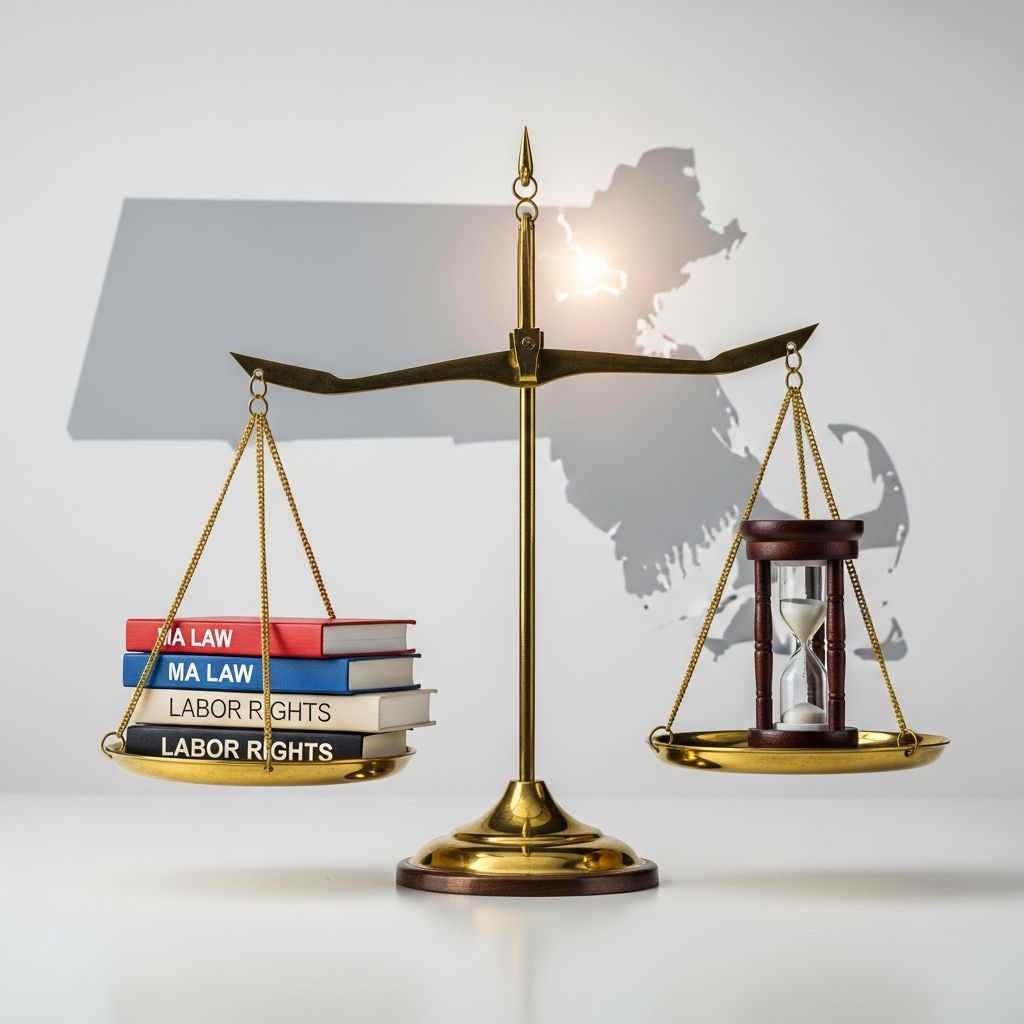
Massachusetts mandates specific protections for employee breaks to promote health and productivity. Employers must provide a 30-minute meal period for shifts exceeding six hours, ensure a day of rest after six consecutive workdays, but short rest breaks are not required by state law.
Core Requirements for Meal Periods in Massachusetts
The cornerstone of Massachusetts break laws centers on meal times. Any worker scheduled for more than six hours in a single calendar day qualifies for at least 30 uninterrupted minutes to eat and recharge. This period must relieve the employee of all job responsibilities, allowing them to leave the premises if desired. Unlike some states, this break may remain unpaid, provided the worker is fully off-duty.
Timing plays a critical role: the meal break typically occurs after the initial six hours but can align with operational needs as long as it meets the duration and freedom standards. Employees retain flexibility during this time, including the option to pray or engage in personal activities without interference. For longer shifts, such as 8 or 12 hours, only one such 30-minute meal is generally mandated, though employers may offer more at their discretion.
Absence of Mandated Short Rest Breaks
Distinct from meal entitlements, Massachusetts does not impose requirements for short rest periods, like 10- or 15-minute pauses, on most employers. This sets the state apart from locations with stricter rules for brief respites. However, if an employer voluntarily provides breaks under 20 minutes, federal Fair Labor Standards Act guidelines classify them as paid work time.
Employers gain flexibility here but must avoid docking pay for voluntary short breaks to prevent disputes. In practice, many businesses implement rest opportunities to boost morale and efficiency, even without legal compulsion.
Day of Rest Protections for Continuous Work
Beyond daily breaks, Massachusetts enforces a weekly recovery period. Most employees cannot work seven days in a row; after six consecutive days, employers must grant at least 24 hours off, incorporating the window from 8 a.m. to 5 p.m.. This rule safeguards against burnout, applying broadly except in exempted sectors like certain retail or emergency services.
Violations occur when scheduling ignores this cycle, potentially leading to fatigue-related issues. The day off need not be a traditional Sunday but must provide substantial downtime.
Special Rules for Minors and Young Workers
Teenage employees face heightened safeguards. Those under 18 endure stricter hour caps: maximum 48 hours weekly, nine daily, and six days per week. Meal breaks remain essential, with recent enforcement actions, like fines against entertainment venues for denying minors proper rests, underscoring compliance urgency.
Supervision requirements kick in after 8 p.m., mandating an adult overseer nearby. These provisions prioritize youth safety amid developmental needs.
Sectors and Employers Eligible for Exemptions
Not all workplaces fall under standard break mandates. Exceptions target specific industries, such as certain factories, executive roles, or operations where the Attorney General grants waivers. Small businesses or those with fewer than a handful of staff per shift might also sidestep rules, though documentation proves essential.
Healthcare and ironworks historically qualify for relief due to continuous demands. Employers seeking exemptions must petition formally and justify operational impossibilities. Customary practices in some fields, like allowing frequent pauses, can substitute formal meals if deemed adequate.
| Sector | Exemption Type | Conditions |
|---|---|---|
| Factories/Ironworks | Meal Break Waiver | Customary relief periods suffice |
| Executives/Supervisors | Full Exemption | Discretionary by employer |
| Small Operations | Reduced Requirements | <5 employees or ample opportunities |
| Attorney General Approved | Case-by-Case | Documented petition required |
Employer Responsibilities Beyond Breaks
While no dedicated break rooms are legally required, safe and clean spaces for meals enhance compliance indirectly. Scheduling software helps track eligibility, ensuring meals align post-six hours. Policies should clarify voluntary waiver options, where workers opt to skip breaks for compensation, but only with mutual agreement.
Record-keeping proves vital during audits. Payroll systems must distinguish unpaid meals from compensable time accurately. Training supervisors on timing prevents inadvertent violations.
Consequences of Non-Compliance
Breaching meal or rest laws invites scrutiny. Affected workers file claims with the Attorney General’s Fair Labor Division, triggering investigations. Fines range from $300 to $600 per infraction, scaling with repeat offenses.
Civil lawsuits may seek back pay or damages, especially if patterns emerge. High-profile cases, such as restaurant chains penalized for minor overwork, highlight escalating costs including legal fees. Proactive audits mitigate these risks.
Practical Strategies for Compliance
- Integrate break tracking into time clocks for automatic alerts after six hours.
- Develop clear handbooks outlining rights and waiver processes.
- Conduct quarterly reviews of schedules to enforce day-of-rest rules.
- Train managers on exemptions to avoid over-application.
- Survey employees anonymously for break satisfaction insights.
Frequently Asked Questions on Massachusetts Break Laws
When must my meal break start in Massachusetts?
After completing at least six hours in a calendar day, typically before shift end.
Do 8-hour shifts require multiple breaks?
No, one 30-minute meal suffices; additional rests optional.
Can I work seven straight days legally?
Generally no; a 24-hour rest follows six days, including daytime hours.
Are short 10-minute breaks paid?
If provided under 20 minutes, yes, as work time.
What about breaks in restaurants or retail?
Same rules apply unless exempted; minors get extra protections.
How do I report a violation?
Contact the Attorney General’s Fair Labor Division online or by phone.
Navigating Breaks in Evolving Workplaces
Remote and hybrid models challenge traditional enforcement, yet core rules persist. Employers adapt by logging virtual meal times via apps. Union agreements often enhance state minimums, negotiating paid rests or flexible timing.
As 2026 unfolds, legislative whispers suggest potential rest break expansions, mirroring neighbors like New York. Employers monitor bills via official channels. Wellness initiatives, tying breaks to mental health programs, align with broader labor trends.
For multi-state operations, Massachusetts’ meal focus demands tailored policies. Consult legal experts for nuanced applications, especially post-pandemic shifts.
References
- Massachusetts Meal and Rest Break Laws — WorkforceHub. 2026. https://www.workforcehub.com/hr-laws-and-regulations/massachusetts/massachusetts-meal-and-rest-break-laws/
- A deep dive into Massachusetts’ restaurant labor laws — 7shifts. 2026. https://www.7shifts.com/blog/massachusetts-restaurant-labor-laws/
- Massachusetts employment law overview — Brightmine. 2026. https://www.brightmine.com/us/resources/hr-compliance/massachusetts-employment-law/
- Rest and Lunch Break Laws by State in 2026 — Timeero. 2026. https://timeero.com/resources-page/lunch-break-laws-by-state
- Meal & Rest Break Laws by State (Updated 2026) — TimeClick. 2026. https://timeclick.com/break-laws-state-guide/
- East Coast Compliance Guide — GovDocs. 2026. https://www.govdocs.com/home-page/resources/guides/east-coast-compliance-guide/
- Breaks and time off — Mass.gov. 2026. https://www.mass.gov/guides/breaks-and-time-off
Similar Articles








Read full bio of medha deb




