
Maryland Wills: Rules, Validity, and Probate Basics
Learn how Maryland wills work, what makes a will valid, and how probate and intestacy affect inheritance.
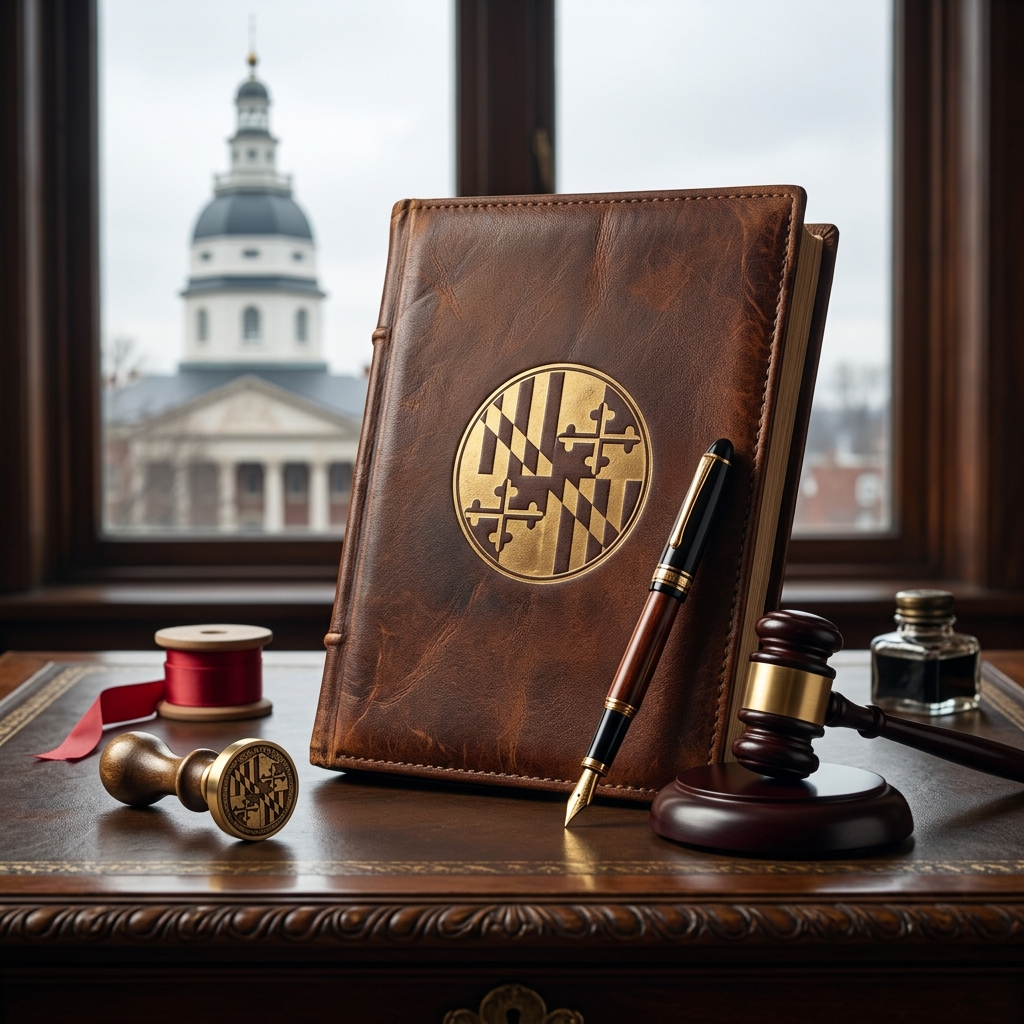
Creating a will is one of the most important steps in an estate plan because it helps determine who receives property, who handles final affairs, and how a family avoids confusion after death. In Maryland, a will must meet specific legal requirements to be recognized, and those requirements are strict enough that informal documents, spoken instructions, and most handwritten versions will not be enough. Understanding the state’s rules can help a person create a document that is more likely to be accepted when it matters most.
This guide explains the core Maryland will requirements, how witnesses and signatures work, what happens when a will is changed, where a will may be stored, and how probate and intestacy affect the distribution of an estate. It also outlines some practical planning points that can reduce avoidable disputes later on.
What a Will Does in Maryland
A will is a written legal instrument that tells others how a person wants property distributed after death. It can also be used to name a personal representative, sometimes called an executor in everyday language, who will help manage the estate through probate. For many families, the will becomes the central document guiding the transfer of assets that are titled in the deceased person’s name alone.
Without a valid will, Maryland’s intestacy laws decide who inherits. That means the person’s own wishes may not control the outcome unless those wishes were captured in a legally effective document. A will can therefore serve both a practical and protective function by creating a clear plan before death occurs.
Core Requirements for a Valid Maryland Will
Maryland law requires several formal elements before a will is valid. The person making the will must generally be at least 18 years old and legally competent. The will must be in writing, and it must be signed in the presence of two credible witnesses. The witnesses must also sign in the testator’s presence. These formalities matter because they help prove that the document was truly intended as a final will.
In simple terms, Maryland is not a state where a casual note or verbal statement is enough. The law expects a deliberate act, carried out with the proper witnesses and signatures. That structure reduces uncertainty and helps a probate court determine whether the document should be admitted.
Age, Capacity, and the Testator
The person creating the will is called the testator. To make a valid will in Maryland, the testator must be an adult and must have the mental ability to understand the significance of the document being signed. This concept is often called testamentary capacity. It means the person should know, in a general sense, the nature of their property, the natural objects of their bounty, and the effect of signing the will.
Capacity questions often arise when there are concerns about illness, advanced age, medication, or pressure from another person. A valid will does not require perfect memory or legal sophistication, but it does require enough understanding for the person to make a meaningful and intentional decision.
Signature and Witness Rules
Maryland requires a will to be signed by the testator in front of two witnesses who are considered credible. The witnesses must also sign while the testator is present. The purpose of this step is to create reliable proof that the testator willingly executed the document. In practice, the witnesses should be adults and should not be selected casually.
Although Maryland does not categorically forbid a beneficiary from serving as a witness, using an interested witness can create risk. A witness who stands to benefit may invite later challenges based on undue influence or other concerns. For that reason, disinterested witnesses are usually the safer choice.
Are Handwritten, Oral, or Electronic Wills Allowed?
Maryland generally does not recognize oral wills, and most informal handwritten wills are not accepted unless they satisfy the state’s legal formalities. A simple handwritten note, a recorded message, or an electronic statement normally will not operate as a valid will in the ordinary case. The state’s rules favor written, signed, and properly witnessed documents.
There is a narrow exception for certain military situations involving service members serving overseas, but that exception does not change the basic rule for most residents. Anyone preparing an estate plan in Maryland should assume that a properly executed written will is the safest path.
Changing a Will After It Is Signed
A will can be revised during the testator’s lifetime as long as the person remains competent. In Maryland, the preferred way to change a will is not by scribbling on the original document, but by creating a separate document called a codicil. A codicil functions as an amendment to the existing will and must be executed with the same level of formality as the will itself.
This rule matters because handwritten alterations can create confusion about whether a change was authorized. A properly drafted codicil helps preserve the original plan while making clear what has been updated. If major changes are needed, a new will may be cleaner than a patchwork of revisions.
Where a Will Is Kept and Filed
People sometimes assume a will should be filed immediately after it is signed, but Maryland allows a will to be kept privately during life. A person may also deposit the will with the Register of Wills for safekeeping, which can be useful if the original document might otherwise be lost. The office keeps the will in a sealed form, and access during the person’s lifetime is limited.
After death, the will should be filed in the county where the person lived or in the proper probate office. This filing begins the process through which the court determines whether the document should be admitted and how the estate should be administered. Keeping the original accessible is important because probate often depends on the actual document rather than a copy.
How Probate Works After Death
Probate is the court-supervised process used to settle an estate, pay valid claims, and transfer property. A will does not avoid probate by itself; instead, it directs how probate property should be handled. In Maryland, the Register of Wills and the Orphans’ Court play important roles in this process, depending on the nature of the estate and the issues involved.
Property that is owned solely by the deceased person, or held as tenants in common, often becomes part of the probate estate. Assets with beneficiary designations or other nonprobate transfer features may pass outside the will. Understanding that distinction is essential because a will only controls the assets it actually covers.
What Happens If There Is No Will
If a person dies without a valid will, Maryland’s intestacy laws determine who receives the estate. Those rules are based on family relationships, not personal preferences. The surviving spouse, children, parents, and other relatives may inherit in different shares depending on who survives the decedent.
The exact distribution can vary based on the family structure. For example, a spouse may receive all of the estate in some situations, while in others the spouse shares with children or receives only part of the probate assets. If no qualifying relatives are found, the estate can pass to the state through the legal fallback rules.
Why Witness Choice Matters
Choosing witnesses is more than a formality. Witnesses may later be asked to confirm that the testator signed voluntarily, understood the act, and appeared to be competent. If witnesses are unavailable, uncertain, or financially interested, the will may become harder to defend if someone challenges it.
For that reason, many people use witnesses who are neutral, easy to contact, and not named in the will. This practical step can save time and reduce friction if the estate ever enters probate.
Common Mistakes That Can Create Problems
- Relying on a verbal promise instead of a signed written will.
- Using only one witness or having witnesses sign at the wrong time.
- Making handwritten edits on the original will without a codicil.
- Choosing beneficiaries as witnesses when neutral witnesses were available.
- Misplacing the original signed document after it is executed.
- Assuming a will controls assets that actually pass by beneficiary designation.
Quick Comparison: Valid Will vs. No Will
| Issue | With a Valid Will | Without a Will |
|---|---|---|
| Who inherits | People named in the will | Heirs determined by intestacy law |
| Distribution control | Testator’s written instructions | State default rules |
| Probate process | Estate follows the will unless challenged | Estate follows intestacy administration |
| Family certainty | Usually higher | Often lower |
Practical Planning Tips
A careful Maryland estate plan usually goes beyond simply drafting a will. It should also include a review of account titles, beneficiary designations, and any jointly owned property. Those details matter because a will cannot override every other transfer mechanism. A person may think a gift is covered by the will when, in fact, another document or account arrangement controls it.
It is also wise to review the will after major life events such as marriage, divorce, the birth of a child, the death of a beneficiary, or a major change in assets. Regular review helps keep the document aligned with current wishes and reduces the chance of unintended outcomes.
Frequently Asked Questions
Do I need a lawyer to make a will in Maryland?
No law requires a lawyer, but legal help can reduce the risk of drafting mistakes, unclear language, or improper execution. That is especially useful if the estate includes real estate, blended families, or potential disputes.
Can I name a beneficiary as a witness?
Maryland does not absolutely prohibit it, but it is usually not recommended. A beneficiary-witness can complicate the probate process and create arguments over fairness or influence.
Does a will need to be notarized in Maryland?
Ordinary wills do not require notarization to be valid, although some people choose to use additional affidavits or related documents in their estate planning. The essential legal requirement is proper signing and witnessing.
Can I change my will later?
Yes. A competent person may revise a will during life, usually through a codicil or a new will that replaces the old one. Changes should follow the same legal formalities as the original document.
What if my will is lost?
If the original cannot be found, probate can become more complicated because the court may need proof of the contents and validity of the document. This is one reason many people keep the original in a secure but accessible place and tell a trusted person where it is stored.
References
- Facts About Wills — Maryland Register of Wills. 2026-07-10. https://registers.maryland.gov/main/publications/wills.html
- Wills & Estates — Maryland Courts. 2026-07-10. http://www.mdcourts.gov/legalhelp/willsestates
- Validating a Will in Maryland — Trusts and Estates Lawyers. 2026-07-10. https://trustandestateslawyers.com/maryland-trusts-and-estates-lawyer/wills/validating/
- 4–102. Will Requirements — Maryland Code, Estates and Trusts. 2026-07-10. https://govt.westlaw.com/mdc/Document/N30EC3F60C59911ECB8998E3A1B074F60?viewType=FullText&originationContext=documenttoc&transitionType=CategoryPageItem&contextData=(sc.Default)
- Frequently Asked Questions About Wills — The Maryland People’s Law Library. 2026-07-10. https://www.peoples-law.org/frequently-asked-questions-about-wills
Similar Articles








Read full bio of Sneha Tete


