
Marijuana, Employment, and Workplace Drug Policies
How changing cannabis laws interact with employer drug policies, workplace safety rules, and employee rights across different states.
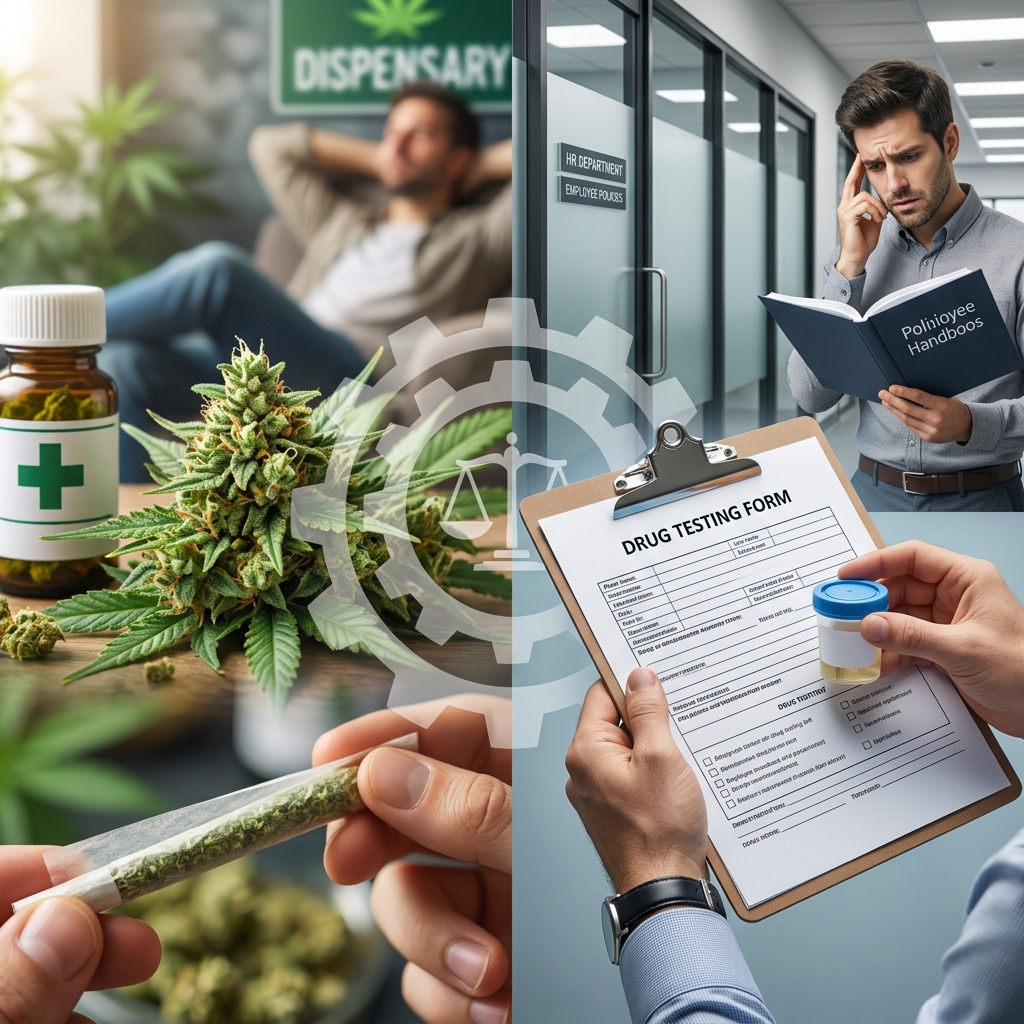
Legal marijuana has changed the landscape of criminal law and personal freedom, but it has not eliminated the tension between cannabis use and workplace rules. Employers still have strong interests in maintaining safe and productive environments, while employees increasingly expect that lawful off-duty behavior will not cost them their jobs.
This article explains how marijuana legalization interacts with workplace drug policies, what rights employers retain, which protections workers may have, and how both sides can navigate this evolving area of employment law using practical, real-world guidance.
Why Legal Marijuana Does Not Automatically Protect Your Job
In most of the United States, the fact that cannabis is legal under state law does not mean your employer must tolerate its use. Federal law still classifies marijuana as a Schedule I controlled substance, and many workplace rules and contracts are built around this federal status.
Even in states that have legalized medical or adult-use cannabis, employers commonly maintain drug-free workplace policies and can discipline or terminate employees who violate those rules. This is especially true in safety-sensitive industries, where impairment could lead to serious injury or property damage.
- Federal illegality allows or requires certain employers (especially federal contractors) to keep zero-tolerance policies.
- State employment laws frequently give employers broad discretion to set and enforce drug policies, even when cannabis is legal for adults.
- Safety considerations mean no jurisdiction allows employees to work while impaired by marijuana.
Employer Rights: Drug-Free Workplaces, Testing, and Discipline
Across most states, employers retain substantial authority to design and enforce drug policies, including marijuana. That authority can include testing employees and applicants, imposing discipline, and setting different rules for safety-sensitive positions.
Drug Testing Practices
Many employers use drug testing to manage risk and ensure compliance with federal or state mandates. Cannabis testing, however, raises unique challenges because standard tests often detect metabolites that remain long after impairment has passed.
- Pre-employment testing: Most states allow employers to require drug tests as a condition of hire, though some jurisdictions now limit testing for cannabis or restrict when it can be performed.
- Random testing: Used especially in transportation, energy, and other high-risk industries, where federal or state law may encourage or mandate testing.
- Reasonable suspicion testing: Triggered by observable signs of impairment, such as erratic behavior or workplace accidents.
In many states, a positive cannabis test can be grounds for discipline or termination, even if the underlying use was legal under state law and occurred off duty.
Zero-Tolerance and Drug-Free Policies
Employers often adopt zero-tolerance or drug-free workplace policies that prohibit possession, use, or impairment on the job. Some policies go further and ban cannabis use entirely, including off-duty consumption, especially when federal law or contracts are implicated.
Typical policy elements include:
- Prohibiting use, possession, or impairment on company property or during work hours.
- Allowing testing when required by law, following accidents, or upon reasonable suspicion.
- Setting consequences for violations, ranging from counseling to termination.
Where Employees Have Protections for Legal Cannabis Use
While employer discretion remains strong, some states have begun to protect workers from adverse actions based solely on lawful, off-duty cannabis use. These protections are still limited and vary significantly by jurisdiction.
Off-Duty Use Protections
New York and several other states treat legal cannabis as a lawful consumable product that cannot be the sole basis for employment discrimination when used outside of work, off-duty, and without employer property.
Common features of these laws include:
- Ban on discrimination based solely on lawful off-hours cannabis use.
- Limits on testing for non-psychoactive metabolites that do not indicate current impairment.
- Exceptions for positions where federal law or funding requires stricter rules or where safety is paramount.
Medical Cannabis Patients
Medical cannabis users sometimes receive special employment protections. Around half of the states with medical marijuana laws have provisions addressing discrimination against registered patients, though the scope often stops short of guaranteeing accommodation.
Protections may include:
- Restrictions on firing or refusing to hire someone solely because they are a registered medical cannabis patient.
- Limits on discipline based solely on test results that show past use but not current impairment.
- Narrow protection for specific professions, such as firefighters, where medical cannabis use is recognized but intoxication on duty remains prohibited.
Jurisdictional Examples
| Jurisdiction | Key Protection | Main Limitation |
|---|---|---|
| New York | Prohibits discrimination based on off-duty, off-premises legal cannabis use. | Employers may act when specific, articulable symptoms show impairment at work or when federal mandates apply. |
| District of Columbia | Bans personnel actions based solely on cannabis use or participation in medical programs, with certain conditions. | Allows exceptions for safety-sensitive positions and other specified reasons. |
| Selected states (e.g., California, Washington, New Jersey) | Protect applicants or employees from discrimination based on lawful off-duty cannabis use or non-psychoactive test results. | Excludes safety-sensitive roles and situations where federal obligations conflict. |
Safety-Sensitive Jobs and Federal Contracting
Regardless of state cannabis laws, safety-sensitive positions and federally regulated or funded work remain subject to strict drug standards. Employers in these spaces may be required to test for marijuana and to impose discipline for positive results.
Safety-Sensitive Roles
Safety-sensitive roles are jobs where impairment could realistically cause significant harm to people, property, or the environment. Examples include operators of heavy machinery, drivers of commercial vehicles, health care providers in critical care settings, and first responders.
For these workers, even states that protect off-duty cannabis use typically allow employers to enforce more restrictive rules, including pre-employment and random testing and stricter disciplinary responses.
Federal Laws and Contracts
Federal law still bans marijuana, and many federal regulations require drug-free workplaces. As a result:
- Federal contractors and grantees may need zero-tolerance policies to keep contracts or funding.
- Jobs requiring federal background checks or security clearances often disqualify applicants who use cannabis, even if legal under state law.
- Employers can rely on these federal obligations as valid reasons to enforce stricter policies than state law would otherwise require.
Distinguishing Impairment From Past Use
A major challenge in marijuana employment law is telling the difference between current impairment and past, lawful use. Cannabis metabolites can remain detectable in the body long after the psychoactive effects have subsided.
Some states respond by requiring employers to base disciplinary actions on observable symptoms of impairment at work rather than on test results alone.
- Impairment standard: Employers may act when employees show specific, articulable signs of impairment that reduce performance or jeopardize safety.
- Test limitations: Laws in several jurisdictions restrict reliance on tests that only show past use and do not measure current intoxication.
- Documentation: Employers are encouraged to document observed behaviors and performance issues if they plan to take action based on suspected impairment.
Employer Best Practices in the Age of Legal Cannabis
Because marijuana law is changing rapidly, employers should take a proactive, structured approach to workplace drug policies. Good policies reduce legal risk and make expectations clear to employees.
Policy Design and Updates
When designing or revising policies, employers should:
- Review the laws in every state where employees work, focusing on cannabis, lawful off-duty conduct, and medical marijuana protections.
- Clarify whether the organization follows a zero-tolerance, drug-free, or impairment-based approach to cannabis.
- Define when testing will occur (pre-employment, random, post-incident, reasonable suspicion) and how results will be used.
- Differentiated rules for safety-sensitive positions, with clear job descriptions that identify essential duties and safety risks.
Communication and Training
Even strong policies can fail if employees do not understand them. Employers should:
- Provide written notice describing drug policies, testing protocols, and any applicable employee rights.
- Train managers on recognizing impairment and documenting performance issues rather than relying solely on test results.
- Explain that legalization does not mean employees may come to work impaired or consume cannabis on duty.
Handling Medical Cannabis and Accommodation Requests
Medical marijuana often intersects with disability laws. While many states do not require accommodation of cannabis use, employers must still consider obligations under disability discrimination statutes and leave laws.
- Engage in an interactive process when employees disclose medical conditions and treatments, focusing on job performance and safety rather than the medication itself.
- Consider alternative accommodations where cannabis use cannot be permitted due to safety or legal constraints.
- Document decisions and the reasons for them in case of future disputes.
Employee Strategies to Protect Work and Rights
Employees who use cannabis—whether medically or recreationally—can take steps to reduce employment risk and assert their rights appropriately.
- Understand your employer’s policy: Read drug and alcohol policies carefully so you know what is prohibited and how testing is handled.
- Know your state law: Check whether your state provides employment protections for off-duty cannabis use or medical marijuana patient status.
- Avoid impairment at work: Even where off-duty use is protected, showing up impaired or using cannabis on the job can still lead to discipline.
- Document interactions: Keep records of policy notices, test results, and communications if you believe you have been treated unlawfully.
- Seek legal advice: If you are fired or disciplined solely due to lawful off-duty cannabis use in a state that protects such conduct, consult an employment attorney or relevant government agency.
Frequently Asked Questions
Can I be fired for marijuana use if it is legal in my state?
Yes, in many states you can still be fired for cannabis use if you violate an employer’s drug policy, especially if you test positive or appear impaired at work. Some states limit discipline based solely on lawful off-duty use, but these protections are not universal and often exclude safety-sensitive roles.
Do employers have to prove I was impaired, not just that I used marijuana?
In jurisdictions like New York and certain others, employers are encouraged or required to rely on specific, articulable symptoms of impairment at work rather than test results alone, at least for legal off-duty cannabis use. However, many states still allow discipline based simply on a positive test, depending on the job and applicable regulations.
Are medical marijuana patients fully protected from workplace discipline?
No. Some states prohibit employers from discriminating against medical cannabis patients or from taking action based solely on their status or lawful use. But these laws typically do not require employers to permit on-the-job impairment, and many do not mandate accommodation where safety or federal requirements conflict.
What is a safety-sensitive position and why does it matter?
A safety-sensitive position is one where impairment could lead to serious harm, such as operating heavy machinery or responding to emergencies. These roles often have stricter drug rules, and state employment protections for cannabis users frequently do not apply or are significantly narrowed for safety-sensitive jobs.
How can employers and employees reduce conflict around cannabis policies?
Employers can create clear, lawful policies, communicate expectations, and focus decisions on impairment and performance. Employees can learn the rules, avoid impairment at work, and understand their rights in their jurisdiction. Both sides benefit from staying informed as laws continue to change.
References
- Adult Use Cannabis and the Workplace, New York Labor Law 201-d — New York State Department of Labor. 2021-10-21. https://dol.ny.gov/adult-use-cannabis-and-workplace-p420
- D.C. Law 24-190, Cannabis Employment Protections Amendment Act of 2022 — Council of the District of Columbia. 2022-10-22. https://code.dccouncil.gov/us/dc/council/laws/24-190
- Marijuana & the Workplace — Bean, Kinney & Korman. 2023-03-01. https://www.beankinney.com/marijuana-the-workplace/
- Attorney’s Guide to Cannabis and the Workplace — Bloomberg Law. 2023-06-15. https://pro.bloomberglaw.com/insights/labor-employment/cannabis-and-the-workplace/
- Cannabis Legalization and Employment Protections — Marijuana Policy Project. 2024-01-10. https://www.mpp.org/issues/legalization/cannabis-legalization-and-employment-protections/
- Cannabis Policies in the Maryland Workplace — University of Maryland Legal Resource Center for Public Health Policy. 2024-03-01. https://www.law.umaryland.edu/media/sol/sol-2022-images-and-files/academics/programs-and-centers/legal-resource-center-for-public-health-policy/pdfs-docs-and-files/Cannabis-Policies-in-the-Maryland-Workplace.pdf
- Cannabis and Employment: Medical and Recreational Policies in the States — National Conference of State Legislatures. 2023-11-20. https://www.ncsl.org/health/cannabis-and-employment-medical-and-recreational-policies-in-the-states
Similar Articles








Read full bio of medha deb




