
Mandatory Jail Time for Crimes in New York
Understand which New York crimes trigger mandatory incarceration, how sentencing works, and what options may exist to reduce jail exposure.
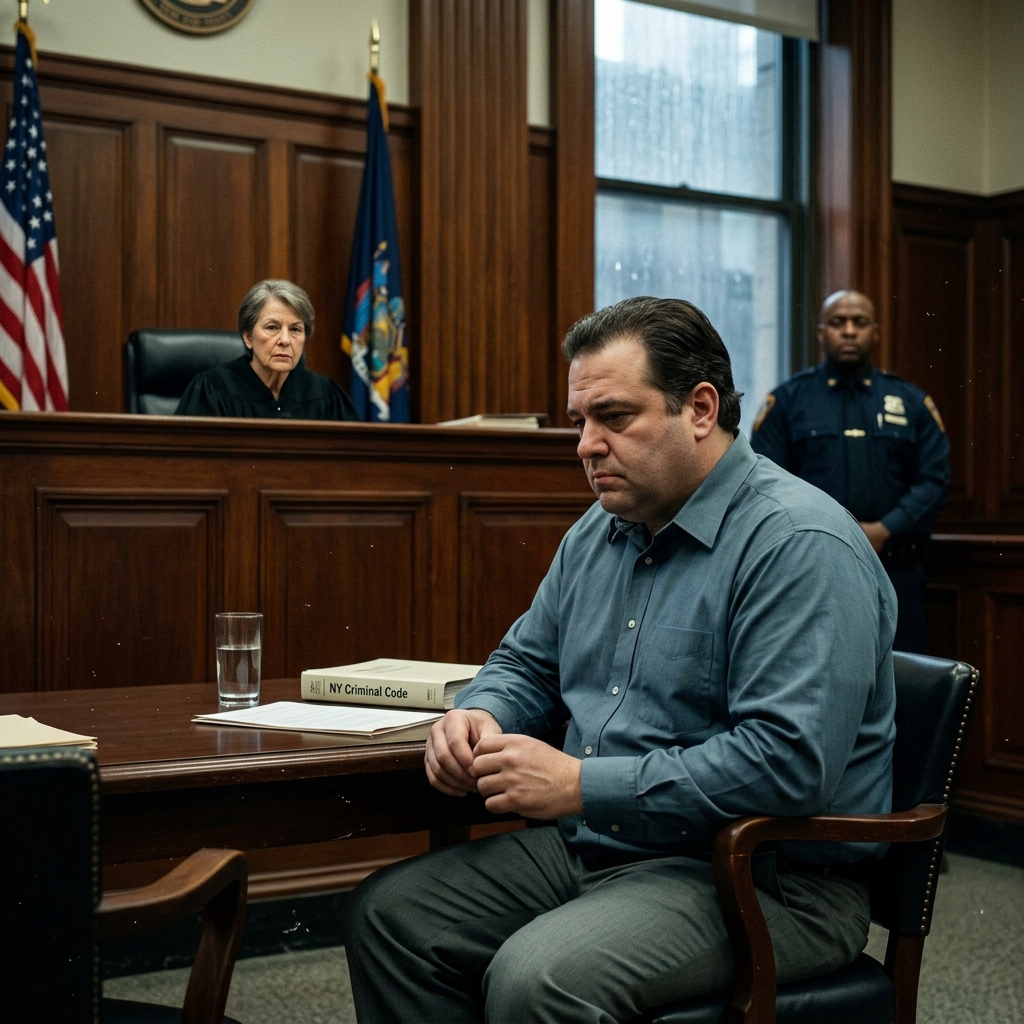
New York criminal law allows judges substantial discretion in sentencing, but certain crimes and repeat offenses make jail or prison time highly likely or legally required. This guide explains how New York distinguishes between felonies and misdemeanors, when incarceration becomes mandatory, and which charges most commonly result in time behind bars.
How New York Organizes Crimes and Sentencing
To understand which crimes can require jail time, it helps to start with New York’s basic framework for offenses and penalties. New York divides criminal offenses primarily into felonies, misdemeanors, and violations, each with different potential exposure to incarceration.
Felonies vs. Misdemeanors vs. Violations
| Category | Typical Maximum Jail/Prison Time | General Examples |
|---|---|---|
| Felony (Class A–E) | More than 1 year in state prison; up to life for the most serious offenses | Homicide, serious assaults, major drug crimes, large-scale theft, weapons offenses |
| Misdemeanor (Class A & B) | Up to 1 year in local jail for Class A; up to 90 days for Class B | Petty theft, simple assault, minor drug possession, some domestic incidents |
| Violations | Up to 15 days in jail; often result in fines or community service instead | Disorderly conduct, harassment, certain minor marijuana offenses |
While any felony conviction can lead to prison, not every felony or misdemeanor automatically requires incarceration. Judges can sometimes impose alternatives like probation, fines, or community service, especially for first-time offenders and non-violent conduct.
Sentencing Ranges by Felony Class
New York further divides felonies into classes from A (most serious) to E (least serious), and distinguishes between violent and non-violent categories. Each class has a statutory sentencing range that guides judges and prosecutors.
- Class A felonies (e.g., certain homicide or major drug offenses) can carry sentences up to life in prison.
- Class B violent felonies typically carry 5 to 25 years in state prison. Non-violent Class B felonies can range from 1 to 3 years up to 25 years.
- Class C, D, and E felonies have lower ranges but still allow years of incarceration. For some non-violent offenses in these classes, judges can impose probation or no jail in appropriate cases.
These ranges set the boundaries for what a judge may impose, but repeat-offender rules and mandatory minimums often narrow those options and make prison time far more likely.
Crimes That Commonly Result in Mandatory or Presumed Jail Time
The phrase “require jail time” can mean either that the law imposes a mandatory minimum term of incarceration or that, in practice, some charges almost always result in jail or prison, especially when aggravating factors or prior convictions are present.
Serious Violent Felonies
Serious violent felonies are the clearest category of crimes that lead to mandatory or near-mandatory incarceration in New York. These offenses often involve serious bodily harm, weapons, or extreme risk to public safety.
- Homicide-related offenses such as murder and manslaughter typically carry lengthy prison terms, often measured in decades.
- Robbery and armed robbery, particularly when weapons are used or serious injury results, are treated as violent felonies with significant mandatory exposure.
- Sex offenses under Article 130 of the Penal Law, including rape and sexual assault, frequently involve mandatory incarceration and strict post-release supervision.
- Gang assault and other group violence crimes, created and toughened by past legislative reforms, carry potential sentences of up to 25 years in prison.
Repeat violent offenders face even harsher treatment. New York law includes a form of “three-strikes” rule, requiring indeterminate life sentences for individuals convicted of a third violent felony, with minimum time to be served before parole eligibility ranging from 12 to 25 years depending on the offense.
Repeat Felony Offenders and Predicate Felons
Even when the underlying crime is not among the most serious, prior felony convictions can transform a case into one that legally requires incarceration. Under predicate felony rules, someone convicted of a new felony within a specified period after a prior felony is treated as a repeat offender.
For example, in the context of theft crimes:
- A first-time felony theft offender may face a sentencing range that includes probation or a non-prison disposition.
- A person with a qualifying prior felony conviction often faces a mandatory prison term, with minimums starting around 1.5 to 3 years for lower-level felonies and increasing as the class of felony rises.
This structure means that relatively moderate conduct—such as certain property crimes—can still lead to required prison time if the defendant already has a felony record.
Domestic Violence, Sexual Offenses, and Crimes Against Children
New York has repeatedly strengthened penalties for crimes targeting intimate partners, children, and vulnerable victims. While not every domestic incident leads to incarceration, certain patterns and charges make jail time highly likely.
- Felony-level domestic violence (for instance, assault causing serious physical injury, or violations of protective orders) can carry multi-year prison terms and may trigger mandatory incarceration for repeat offenders.
- Crimes against children, such as assaulting a child under seven, have been elevated to felony status with maximum sentences reaching seven years, reflecting a legislative intent that incarceration be the norm for serious child abuse.
- Online sexual exploitation of minors—including soliciting a minor for sex over the internet or transmitting pornographic material to a minor—can result in felony charges that carry up to several years in prison.
In these categories, judges may have limited flexibility, and prosecutors often seek incarceration even when the law does not explicitly require it.
DWI, Vehicular Assault, and Vehicular Manslaughter
Impaired driving offenses become increasingly serious when injuries or fatalities are involved, or when the defendant has prior DWI convictions. New York has toughened these penalties so that certain vehicular crimes are treated as felonies that often involve mandatory jail or prison.
- Repeat DWI offenders can face felony charges, where prison becomes a probable outcome, particularly if aggravating factors like high blood alcohol content or accidents are present.
- Vehicular assault in the first or second degree and vehicular manslaughter are typically felony offenses, and incarceration is common, especially when victims suffer serious injury or death.
These cases often carry both punitive and public-safety rationales, limiting the availability of purely non-custodial sentences.
Can Misdemeanors Require Jail Time in New York?
Although many people associate jail primarily with felonies, New York misdemeanors can also lead to incarceration. The law permits jail time for both Class A and Class B misdemeanors, and some circumstances make jail the default outcome.
General Misdemeanor Sentencing Rules
- Class A misdemeanors are punishable by up to one year in a local jail. Examples include petty larceny, assault in the third degree, and certain possession offenses.
- Class B misdemeanors carry up to 90 days in jail and may also result in fines, probation, or community service.
- For first-time offenders, there is often no mandatory minimum jail term, giving judges the option to impose non-jail sentences.
Nonetheless, when a defendant has prior convictions, violates court orders, or engages in repeated misconduct, courts frequently use the available jail authority.
Examples of Misdemeanors Likely to Result in Jail
While specifics depend on the individual case, certain patterns of misdemeanor conduct often lead to incarceration, especially when coupled with criminal history:
- Repeated shoplifting or theft: Even when each incident involves a low dollar amount, multiple convictions can push judges toward jail time.
- Domestic violence misdemeanors: Violating orders of protection, repeated assaults, or conduct causing injury may lead to jail even for technically misdemeanor-level offenses.
- Prostitution and related offenses: Repeat offenses and aggravating factors such as trafficking or coercion can substantially increase the likelihood of incarceration.
- Resisting arrest or obstructing law enforcement: When combined with other charges, courts sometimes impose short jail sentences to deter future interference with officers.
In many of these situations, jail is not strictly mandated by statute, but the combination of prior history and risk factors makes incarceration a frequent outcome.
Repeat Offenders, Mandatory Minimums, and “Three-Strikes” Rules
New York sentencing law pays close attention to a defendant’s prior record. Two concepts are particularly important: predicate felon status and the state’s version of a three-strikes law for violent offenders.
Predicate Felon Rules
A “predicate felon” is someone who has been previously convicted of a felony and commits another felony within a specified time frame. When a defendant is sentenced as a predicate felon:
- Minimum prison terms increase substantially compared to a first-time offender.
- Probation, community-based alternatives, and local jail sentences often become unavailable.
- For certain felony classes, the law effectively requires a state prison sentence, even if the new crime might otherwise allow for probation.
These rules are particularly significant in property and theft cases, where first-time offenders may avoid prison but repeat offenders face mandatory incarceration once thresholds are crossed.
Three-Strikes Law for Violent Felonies
New York’s treatment of repeat violent offenders is especially strict. Under provisions related to persistent violent felony offenders, a person convicted of a third violent felony can be subject to an indeterminate sentence with a life maximum.
- The minimum term must fall within a statutory range—historically 12 to 25 years, with later amendments adjusting those numbers.
- Parole eligibility begins only after the individual serves at least the minimum term, meaning long periods of incarceration are unavoidable.
- This structure applies across different violent crimes, so an offender who accumulates multiple violent felony convictions may face mandatory life exposure even if the third offense would otherwise carry a much lower sentence.
These persistent-offender provisions make clear that for repeat violent conduct, New York law intends incarceration to be mandatory rather than discretionary.
Alternatives to Incarceration and When Jail May Be Avoided
Although many crimes can lead to jail or prison, New York courts also use a range of alternative sentences, particularly for non-violent, first-time offenders. Understanding these options helps explain why not every crime that allows incarceration actually results in time behind bars.
Common Non-Custodial Sentences
- Probation: Supervised release in the community with conditions such as counseling, employment, or treatment.
- Conditional discharge: The court refrains from imposing jail, provided the defendant complies with specific conditions for a set period.
- Fines and restitution: Financial penalties and restitution to victims, often used in theft or property crime cases.
- Community service: Required hours of service that may accompany probation or replace short jail terms.
Judges consider the nature of the offense, the defendant’s background, victim input, and public safety when choosing among these alternatives.
Factors That Reduce the Likelihood of Jail
Even for crimes where jail is legally permitted, certain factors often push courts toward non-custodial sentences:
- No prior criminal record, or minimal record with long periods of law-abiding behavior.
- Non-violent conduct and absence of weapons, injuries, or threats to public safety.
- Strong mitigating evidence, such as documented mental health treatment, genuine remorse, or extraordinary family responsibilities.
- Plea bargains that reduce charges in exchange for accepting responsibility and sparing victims the burdens of trial.
Nonetheless, even where alternatives exist, New York’s statutory schemes for repeat violent offenders and predicate felons can override these considerations and require incarceration.
Practical FAQs About Jail Time in New York
Do all felonies in New York automatically require prison time?
No. While any felony conviction allows a judge to impose state prison, some lower-level, non-violent felonies permit probation or other alternatives for first-time offenders. Mandatory prison is more common where statutes specify minimum terms or when the defendant qualifies as a predicate or persistent violent felon.
Can a first-time offender avoid jail for a misdemeanor?
Often, yes. For many Class A and B misdemeanors, there is no mandatory minimum jail term. Judges may impose probation, fines, conditional discharge, or community service instead, particularly where the offense is non-violent and the defendant shows rehabilitation potential.
What happens if someone is convicted of a third violent felony?
Under New York’s laws governing persistent violent felons, a third violent felony conviction can lead to an indeterminate sentence with a life maximum and a substantial mandatory minimum term, often at least a decade and potentially much more, depending on statutory ranges and the exact offense.
Is jail time required for theft or larceny crimes?
Not always. First-time offenders in certain theft cases may receive probation or conditional discharge. However, New York theft statutes allow incarceration for every level of larceny, and repeat felony theft offenders typically face mandatory prison terms under predicate felon rules.
Can sentencing rules change over time?
Yes. The New York Legislature periodically revises criminal statutes and sentencing guidelines, including mandatory minimums and classifications of offenses. Historical reforms, such as those in the 1990s and subsequent updates, have significantly increased penalties for violent and repeat offenders.
References
- NYC Criminal Penalties — Law Offices of Jeffrey C. Fletcher. 2024-01-05. https://www.lawfletcher.com/criminal-defense/criminal-penalties/
- New York State Penal Law – Felony Classes & Sentences — YPD Crime. 2023-09-10. https://ypdcrime.com/penal.law/felony_sentences.php
- The Toughest Crime Laws in a Generation — New York State Assembly. 1997-04-01. https://www.assembly.state.ny.us/Reports/Codes/199704/
- Excessive Sentencing Project – New York — National Association of Criminal Defense Lawyers. 2013-06-01. https://www.nacdl.org/mapdata/ExcessiveSentencingProject-NewYork
- Theft Crimes Sentencing Guidelines — Crotty Saland PC. 2022-11-18. https://www.newyorktheftandlarcenylawyers.com/practice-areas/theft-crimes-sentencing-guidelines/
- Sentencing Guidelines for Misdemeanors and Violations — Saland Law PC. 2022-05-04. https://www.new-york-lawyers.org/arrest-process/new-york-state-arrest-process/sentencing-guidelines/sentencing-guidelines-for-misdemeanors-and-violations/
- Serving a Sentence: Community Supervision Handbook — New York State Department of Corrections and Community Supervision. 2021-08-01. https://doccs.ny.gov/community-supervision-handbook/serving-sentence
Similar Articles








Read full bio of medha deb




