Managing Secondhand Marijuana Smoke in Residential Spaces
Protect your family from neighbor's marijuana smoke: Legal remedies and practical solutions.
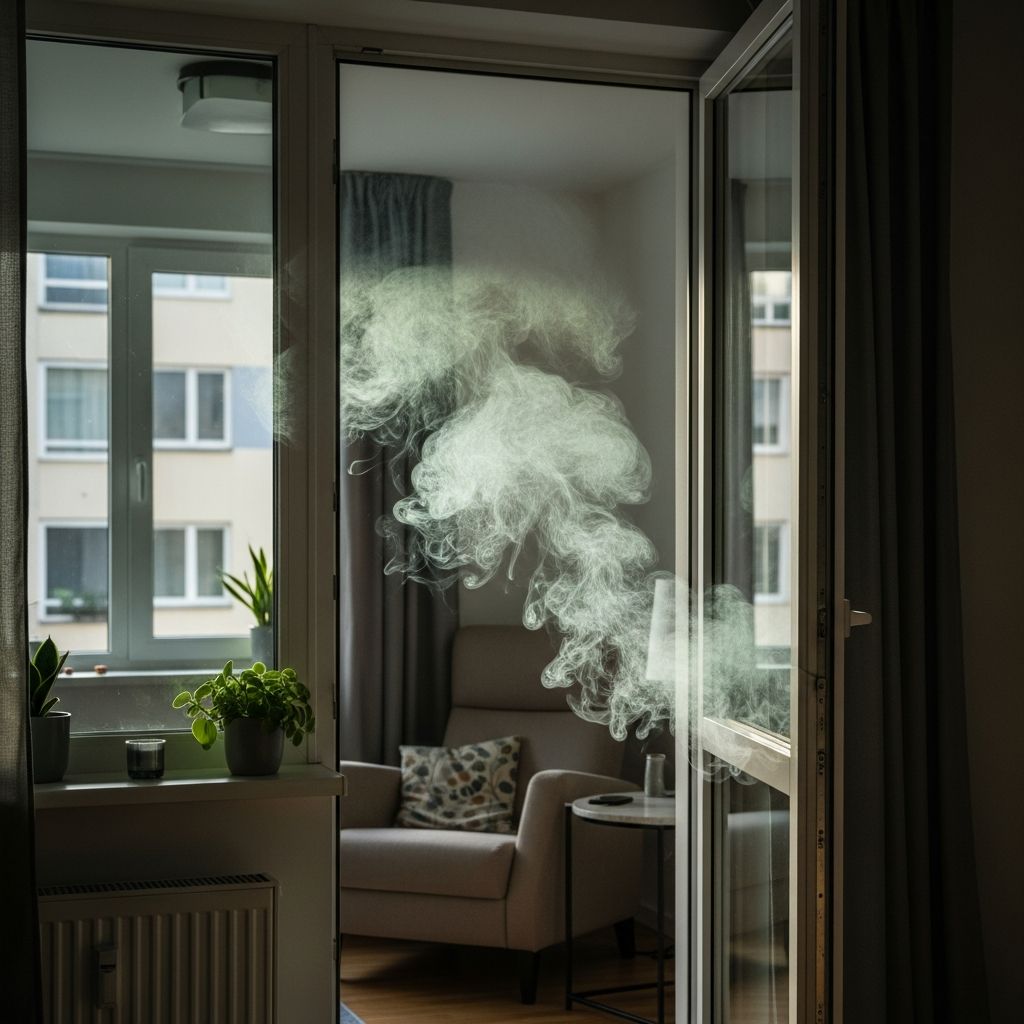
Understanding Your Rights Regarding Secondhand Marijuana Smoke
When marijuana smoke drifts into your living space from a neighbor’s unit, you face both a practical inconvenience and a potential health concern. The question of what legal protections and remedies exist depends on several factors including your location, your housing type, lease provisions, and local regulations. Many residents feel frustrated when their complaints go unaddressed, particularly when children are exposed to secondhand smoke. Understanding the full range of your options—from communication strategies to formal legal action—empowers you to take effective steps to resolve the situation.
The first critical insight is that even in jurisdictions where marijuana use is legal, residents retain the right to a smoke-free living environment in most circumstances. This principle applies whether the smoke originates from tobacco or cannabis products. Housing providers, landlords, and condominium associations maintain considerable authority to restrict smoking activities within their properties, regardless of broader state legalization laws.
Examining Your Housing Documents and Building Policies
Your lease, rental agreement, or condominium bylaws represent the foundation of your legal recourse. These documents typically contain provisions addressing nuisance behaviors, which often encompass smoke intrusion. Begin by thoroughly reviewing all documentation related to your residence.
Most modern residential complexes include explicit anti-smoking provisions in their governing documents. These policies frequently state that smoking is prohibited in individual units, common areas, or both. The critical distinction is whether these policies apply exclusively to tobacco products or encompass all smoking, including cannabis. Many contemporary policies use inclusive language that addresses smoke generally, without differentiating between substance types.
If your building’s documentation does not specifically address marijuana, examine whether there are general nuisance clauses. Nuisance clauses typically prohibit activities that substantially interfere with other residents’ peaceful enjoyment of their homes. Secondhand smoke can qualify as a nuisance under these provisions, even if marijuana smoking is not explicitly mentioned.
Additionally, review whether your lease specifies your right to “quiet enjoyment” of the premises. This legal concept, recognized in most jurisdictions, entitles tenants to use their rental unit without significant interference from neighbors or landlord actions. Persistent smoke intrusion violates this right, potentially providing grounds for lease termination or rent reduction.
The Private Nuisance Framework
Understanding the legal concept of private nuisance is essential for anyone considering formal action. A private nuisance occurs when one party’s activity substantially and unreasonably interferes with another’s use and enjoyment of their property. This framework applies in both rental and owner-occupied scenarios, though enforcement mechanisms differ.
Several elements characterize a successful nuisance claim: the interference must be substantial rather than trivial, it must be unreasonable under the circumstances, and it must cause actual harm or annoyance to a reasonable person. Secondhand marijuana smoke can meet these criteria, particularly when it occurs frequently and in quantities that noticeably affect your living environment.
Courts evaluating nuisance claims consider factors such as:
- Frequency and duration of the intrusive activity
- Severity of the interference with normal activities
- Character of the neighborhood and reasonable expectations
- Ease with which the offending party can mitigate the problem
- Presence of alternative measures available to the affected party
The stronger your documentation of these factors, the more compelling your potential claim.
Documentation: Building Your Evidence Foundation
Whether you intend to pursue negotiation, landlord intervention, or legal action, systematic documentation strengthens your position significantly. Begin maintaining a detailed record immediately if you have not already done so.
Your documentation should include:
- Specific dates and times when smoke intrusion occurs
- Duration of each incident
- Observable effects on family members (symptoms, disruptions to activities)
- Description of odor intensity and affected areas of your residence
- Any actions taken in response (opening windows, using air filters, relocating children)
- Copies of all written communications with the neighbor, landlord, or management
Photographs documenting smoke visible in your unit, coupled with written notes, create credible evidence. Some residents employ air quality testing devices to measure smoke saturation levels, providing objective data that supplements subjective observations. While not always legally required, this technical evidence proves particularly valuable if disputes escalate to formal proceedings.
Record communications in writing whenever possible. If you speak with your neighbor or landlord verbally, follow up with an email or letter summarizing the conversation, including the date and substance of your discussion. This creates a written trail demonstrating your good-faith efforts to resolve the matter.
Collaborative Problem-Solving Approaches
Before pursuing formal legal action, attempt resolution through direct communication and landlord intervention. Many disputes resolve more quickly and affordably through dialogue than through litigation or formal complaints.
If you feel safe doing so, consider a direct conversation with the neighbor. Some individuals genuinely remain unaware that their smoke drifts significantly into adjacent units. Approach the conversation calmly and non-accusatorily, focusing on the problem rather than blame. Suggest practical solutions such as improved window seals, air filtration systems, or adjusting smoking to specific times or outdoor locations.
If direct conversation proves impossible or unproductive, escalate to your landlord or property management. Present your documentation and explain how the smoke intrusion violates the lease, building policies, or your right to quiet enjoyment. Request that management send a reminder to all residents regarding smoking policies or, if you have identified the specific unit, notify that tenant of the violation.
Building community support strengthens your position considerably. When multiple residents lodge similar complaints about the same source, management takes action more readily than when addressing isolated complaints. Encourage other affected neighbors to file written complaints independently, creating a documented pattern demonstrating widespread impact.
Leveraging Regulatory and Policy Mechanisms
If your building currently lacks explicit anti-marijuana smoking provisions, you can advocate for adopting such policies. Propose language to your landlord or homeowners association that specifically addresses marijuana smoke alongside tobacco restrictions, or that defines nuisance in terms of odor rather than substance type.
In federally-backed housing situations, additional leverage exists. Most mortgages are federally backed, which means certain federal restrictions apply regardless of state marijuana legalization. If your residential building is mortgaged through a federally-backed lender such as Freddie Mac, marijuana smoking within the building may be prohibited as a condition of the mortgage, providing your landlord with additional enforcement motivation.
You can research your building’s mortgage status through databases such as MyHome by Freddie Mac. If the building has a federal backing, inform your landlord that this fact creates obligations to restrict marijuana smoking, even in states where cannabis is otherwise legal.
Enforcement Options and Escalation Paths
When landlord cooperation is insufficient, several formal mechanisms exist to compel action or obtain relief.
If your building has a homeowners association, you can formally request that the board enforce existing rules or adopt new no-smoking policies. Document your requests and the board’s responses. If the board refuses to act despite valid complaints, some jurisdictions allow residents to sue the association for breach of fiduciary duty or failure to enforce bylaws.
For renters, lease violation claims provide another avenue. If smoking violates your lease, you can formally notify your landlord of the breach and provide a reasonable cure period. If the neighbor fails to cease the violation, you may have grounds to break your lease without penalty, citing the landlord’s failure to provide a habitable, peacefully enjoyable residence.
Filing a formal nuisance claim in civil court represents the most aggressive option. This process typically requires hiring an attorney, presenting evidence including expert testimony about air quality, and proving that the neighbor’s conduct substantially interferes with your use of your property. These cases can be expensive and time-consuming, and success depends heavily on specific factual circumstances.
Practical Environmental Controls
While pursuing formal remedies, implement environmental modifications that reduce smoke intrusion and protect your family.
- Seal penetrations: Caulk gaps around window frames, door seals, and electrical outlets where smoke can enter
- Install weatherstripping: Apply weatherstripping to doors and windows to minimize gaps
- Use air filtration: Deploy HEPA air purifiers in frequently occupied rooms, particularly bedrooms
- Adjust HVAC settings: Set systems to positive air pressure or ensure fresh air intake does not draw contaminated air from common areas
- Create barriers: Use door sweeps under bedroom doors to limit smoke migration within your unit
These measures do not replace your right to a smoke-free environment but provide interim protection while you pursue formal resolution.
Jurisdiction-Specific Considerations
Marijuana legality varies dramatically across jurisdictions, affecting your legal arguments and available remedies. In states where marijuana remains completely illegal, law enforcement may address persistent smoking, particularly in residential areas with youth present. In states with medical or recreational legalization, your arguments must focus on nuisance principles and housing regulations rather than illegality of the substance itself.
Anti-smoking policies in multi-unit housing remain enforceable in all jurisdictions, regardless of marijuana’s legal status. The legality of marijuana use does not confer a right to smoke wherever desired, nor does it override housing providers’ authority to establish smoke-free policies.
Special Considerations for Families with Children
When children are exposed to secondhand marijuana smoke, additional health and welfare concerns emerge. Secondhand smoke exposure creates respiratory risks, particularly for developing lungs. Document any health effects your children experience, including respiratory symptoms, allergic reactions, or behavioral impacts. Medical documentation from your child’s physician strengthens your position if disputes escalate to legal proceedings.
In some jurisdictions, persistent exposure of children to secondhand smoke in the home may engage child welfare agencies, providing additional enforcement mechanisms beyond typical landlord-tenant disputes.
Frequently Asked Questions About Marijuana Smoke Intrusion
Q: Can I sue my neighbor directly for smoke intrusion?
A: Yes, you can pursue a private nuisance claim against your neighbor in civil court. However, such cases are expensive, require substantial evidence, and may require expert testimony. Most attorneys recommend exhausting landlord and building management remedies first.
Q: What if my neighbor claims they have a medical marijuana prescription?
A: Medical necessity does not exempt residents from housing policies prohibiting smoking. With edibles and other alternative consumption methods available, smoking remains discretionary rather than necessary. Housing providers can enforce smoke-free policies regardless of medical status.
Q: How much documentation do I need before approaching my landlord?
A: Begin documenting immediately and approach your landlord after accumulating at least two weeks of detailed records. This demonstrates a pattern rather than an isolated incident, making your complaint more persuasive.
Q: What if my building has no smoking policy currently in place?
A: You can request that management adopt a policy, build community support among other residents, or pursue a private nuisance claim in court. Policies addressing “odor nuisance” may prove easier to enforce than those naming specific substances.
Q: Can I break my lease due to smoke intrusion?
A: Many jurisdictions recognize that persistent smoke intrusion violates your right to quiet enjoyment and habitability. Consult a local tenant rights attorney to understand your specific jurisdiction’s rules before taking action.
Q: What is the typical cost of pursuing legal action?
A: Legal fees vary widely by jurisdiction and case complexity. Attorneys typically charge hourly rates ranging from $150 to $400 per hour. Nuisance claims may require expert air quality witnesses, adding significant costs. Many attorneys offer free initial consultations.
References
- Can I sue my neighbor for marijuana smoke inhalation and damages? — Avvo Legal Answers. https://www.avvo.com/legal-answers/can-i-sue-my-neighbor-for-marijuana-smoke-inhalati-5090644.html
- Smell a Neighbor’s Cigarette, Marijuana Smoke in Your Rental — Realtor.com. https://www.realtor.com/advice/rent/help-my-neighbors-smoke-fumes-are-suffocating-me/
- Guidance for Secondhand Marijuana Smoke in Multi-Unit Housing — Americans for Nonsmokers’ Rights. https://no-smoke.org/guidance-for-secondhand-marijuana-smoke-in-multi-unit-housing/
Similar Articles








Read full bio of Sneha Tete