
Man Arrested for Making 80 911 Calls in One Day
What happens when repeated non-emergency calls overwhelm dispatchers and lead to arrest.
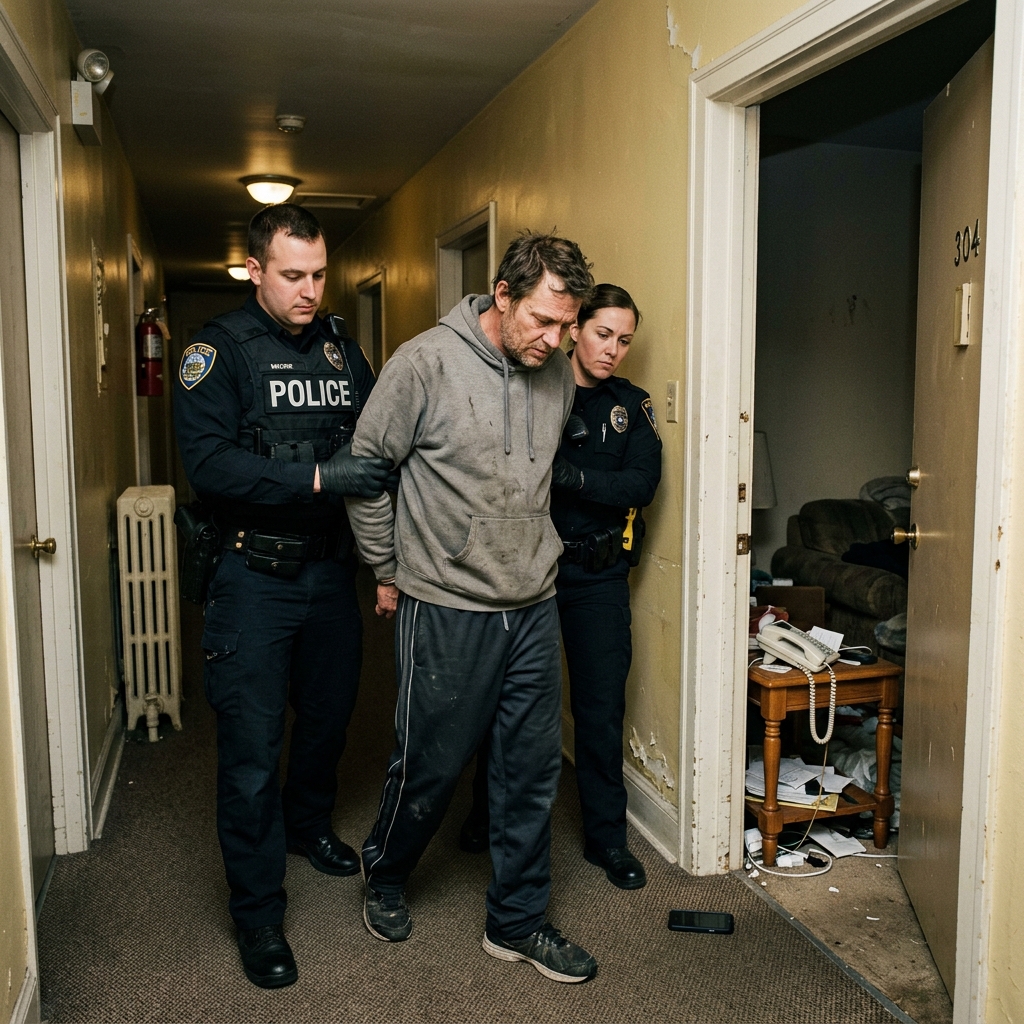
Emergency lines exist for urgent, life-threatening situations, not for repeated pranks, arguments, or requests that have nothing to do with public safety. When a person repeatedly abuses that system, police can treat the conduct as a criminal matter because it drains dispatcher time and delays help for people with real emergencies.
That is the core lesson from a Florida case in which a man was arrested after allegedly placing 80 calls to 911 in a single day. The incident illustrates how quickly repeated misuse can move from a nuisance to a public safety issue, and then to an arrest.
Why repeated 911 calls are taken seriously
Dispatch centers are built to connect people with police, fire, medical, and other emergency services as fast as possible. Every unnecessary call takes time away from operators who may be working through a queue of urgent requests. In a busy system, even a short burst of misuse can affect response times.
Authorities generally do not need to wait until an actual emergency is blocked before acting. If a caller repeatedly ties up the line, refuses to explain an emergency, or makes calls that are clearly frivolous, police may see the pattern as intentional misuse rather than a misunderstanding.
- Emergency calls must be available for real threats to life, safety, or property.
- Repeated misuse can interfere with dispatch operations.
- Police may investigate if the pattern suggests intentional abuse.
- Arrest is possible when warnings do not stop the conduct.
What happened in the Florida case
According to the underlying report, the man in Port Orange was accused of making dozens of prank calls to 911 in one day. The incident drew attention because the number of calls was not just excessive; it also showed a sustained pattern of misuse over a short period.
Cases like this typically begin with dispatcher contact. Operators may try to determine whether a caller needs help, whether the call is accidental, or whether someone is using the line inappropriately. If the caller keeps calling without giving a legitimate emergency reason, police may be alerted.
In a situation involving this many calls, officers may document the calls, attempt to contact the person directly, and decide whether stronger action is needed. Once law enforcement determines that the behavior is deliberate and ongoing, criminal charges can follow.
How police and dispatchers usually respond
When a 911 center receives repeated non-emergency calls, dispatchers generally begin with verbal warnings or notes in the system. They may tell the caller that the number is reserved for emergencies and that continued misuse could lead to enforcement action. If the calling continues, officers may be sent to the location.
Police responses depend on the facts. A person may be confused, intoxicated, experiencing a mental health crisis, or intentionally making false calls. Law enforcement often has to determine whether the conduct is accidental, misguided, or criminal.
| Response step | Typical purpose |
|---|---|
| Initial call screening | Determine whether an emergency actually exists |
| Dispatcher warning | Tell the caller to stop misusing emergency services |
| Police follow-up | Check on the caller and assess whether intervention is needed |
| Arrest or citation | Used when the conduct continues or appears deliberate |
What laws can apply to misuse of emergency systems
Many states and cities have laws that prohibit false alarms, nuisance calls, unlawful use of emergency communication systems, or similar conduct. The exact charge depends on the jurisdiction, but the legal theory is usually the same: people cannot knowingly interfere with emergency operations.
Some statutes focus on false reports of crimes or disasters. Others target repeated hang-ups, prank calls, or knowingly fictitious requests for help. In practice, prosecutors may choose a charge based on the volume of calls, the caller’s intent, and any prior warnings.
For a person who makes a single mistaken call, law enforcement may simply issue a warning. For someone who places dozens of calls in a short time, especially after being told to stop, the conduct may be treated as willful misuse.
Why emergency call abuse can become a criminal case
Criminal liability usually depends on intent, pattern, and harm. A one-time accident rarely leads to a serious case. But repeated calls can create a record that supports a prosecutor’s claim that the caller knew what they were doing.
Police also consider the practical effect on the public. If dispatchers must spend time answering fake calls, they may not be able to respond as quickly to someone reporting a fire, assault, heart attack, crash, or home invasion. That interference is part of what makes the conduct punishable.
- Repeated calls can show knowledge and intent.
- Warnings from dispatchers help prove the caller understood the rule.
- Documented disruption strengthens the case for enforcement.
- Prior incidents may increase the seriousness of the charge.
Possible consequences after an arrest
Penalties for misusing 911 vary by location, but they may include jail time, probation, fines, community service, or mandatory mental health evaluation in some situations. Courts may also impose conditions designed to prevent repeated misuse, such as no-contact orders or restrictions on telephone access while in custody or under supervision.
Even when the case does not result in long-term incarceration, an arrest can create a permanent criminal record, which may affect employment, housing, and future interactions with law enforcement. That is one reason public warnings about emergency line abuse are common after highly publicized cases.
In some jurisdictions, the consequences can be stronger if the misuse leads to a false report of violence, a hoax bomb threat, or a call that provokes an unnecessary large-scale emergency response.
When a call is accidental versus abusive
Not every repeated 911 call is malicious. A broken phone, a child dialing by mistake, a pocket-dial, or a person in crisis may create a series of calls that are not intended to misuse the system. Dispatchers and officers often try to distinguish between accidental contact and deliberate conduct.
That distinction matters because criminal charges typically require proof that the person acted knowingly or recklessly. If the caller immediately explains the mistake and stops, enforcement may be unnecessary. If the caller keeps calling after warnings, the situation changes quickly.
The clearest signs of abuse often include the following:
- No emergency is described during the call.
- The caller ignores dispatcher instructions.
- The person keeps calling after being warned.
- The calls appear designed to annoy, delay, or confuse responders.
What the public should do instead of misusing 911
People sometimes call 911 because they are frustrated, lonely, intoxicated, or unsure where else to turn. While those problems may be real, emergency dispatch is not the right outlet. Non-emergency police numbers, crisis lines, community services, and medical advice lines are better options when there is no immediate danger.
If someone is uncertain whether a situation qualifies as an emergency, the safest approach is to call only when immediate action is needed. That includes situations involving serious injury, threats, active crimes, smoke, fire, or other urgent dangers.
For everything else, local government and public health agencies usually provide alternatives that are better suited to the issue.
Frequently asked questions
Can someone really be arrested for calling 911 too many times?
Yes. Repeated misuse can lead to arrest when the calls are knowingly frivolous, false, or disruptive, especially after warnings from dispatchers or police.
Does one wrong 911 call lead to criminal charges?
Usually not. A single mistaken call is more likely to result in a warning unless it includes false information or another serious violation.
What if a person is having a mental health crisis?
Police and dispatchers may respond differently when mental health appears to be part of the problem. Even so, repeated calls can still trigger intervention if they overload emergency services.
Why do police care if nobody was physically harmed?
Because emergency systems rely on immediate access. False or repetitive calls can delay responses to people who may be in real danger.
What charges might apply to 911 misuse?
Possible charges include unlawful use of emergency communication systems, false reporting, disorderly conduct, or similar offenses depending on local law.
How this story fits a broader public safety problem
Incidents involving repeated 911 misuse are not isolated. News reports across the country have described people who called emergency services dozens, hundreds, or even thousands of times. The exact facts differ, but the public safety concern is the same: emergency communication channels are limited resources.
These cases also show how law enforcement must balance compassion with accountability. A caller may be in crisis, but if the behavior continues and disrupts emergency response, police may have no choice but to intervene. That is why warnings, documentation, and arrest can all appear in the same case.
For the public, the lesson is simple. Use 911 only for urgent emergencies. If the issue is not immediate and life-threatening, choose another channel. That helps keep emergency systems open for the people who truly need them.
References
- Man Arrested for Making 80 911 Prank Calls in One Day — FindLaw Archive. 2018-06-28. https://archive.findlaw.com/blog/man-arrested-for-calling-911-80-times-in-one-day/
- Police: Springfield man arrested after calling 911 more than 25 times — NBC16. 2018-02-26. https://nbc16.com/news/local/police-springfield-man-arrested-after-calling-911-more-than-25-times
- Police Issue Arrest Warrant For Man Who Called 911 Too Many Times — NPR. 2018-06-28. https://www.npr.org/2018/06/28/624165158/police-issue-arrest-warrant-for-man-who-called-911-too-many-times
- Man calls 911 eighty times, asks for Kool-Aid, burgers and drugs, Fla. police say — CBS News. 2014-06-05. https://www.cbsnews.com/news/man-calls-911-eighty-times-asks-for-kool-aid-burgers-and-drugs-fla-police-say/
- 911 Emergency System — Federal Communications Commission. 2025-01-15. https://www.fcc.gov/consumers/guides/911-emergency-system
Similar Articles








Read full bio of medha deb




