Maine Foreclosure Laws Guide
Comprehensive guide to Maine's foreclosure process, borrower rights, timelines, and recent legal updates for homeowners facing default.
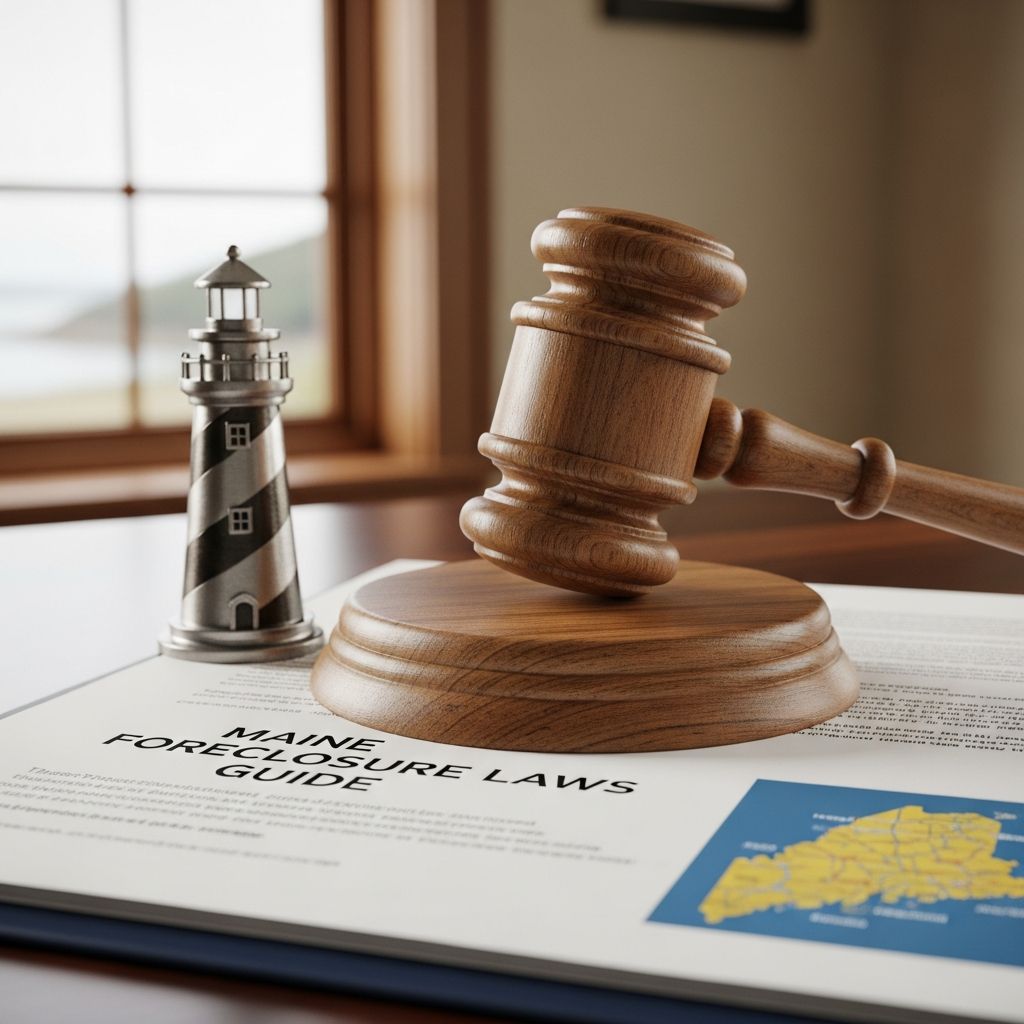
Maine operates under a strictly
judicial foreclosure
system, requiring lenders to file lawsuits in court to repossess properties after borrower default. This process provides homeowners with multiple safeguards, including notice periods, cure opportunities, and mediation options, while recent legislative changes enhance consumer protections against fraud.Overview of Maine’s Judicial Foreclosure Framework
In Maine, all residential mortgage foreclosures must proceed through the court system, distinguishing the state from non-judicial jurisdictions that allow power-of-sale methods. Lenders initiate by suing the borrower in the county where the property is located, adhering to Title 14 of the Maine Revised Statutes. This judicial oversight ensures due process, allowing borrowers to contest claims and explore alternatives like loan modification.
The process typically spans several months, influenced by court backlogs and borrower responses. Homeowners receive statutory notices detailing defaults and cure amounts, with opportunities for mediation through the Foreclosure Diversion Program. Recent amendments, effective January 1, 2026, mandate specific scam warnings in notices to protect distressed borrowers.
Key Stages in the Foreclosure Timeline
The foreclosure journey begins with default—usually missing payments—and unfolds in defined phases:
- Pre-Foreclosure Notice (35 Days Minimum): Lenders must send a ‘Notice of Right to Cure’ at least 35 days before filing suit, specifying the default amount and cure deadline. Updated 2026 requirements include fraud warnings and mediation info.
- Complaint Filing: If uncured, the lender files a foreclosure complaint in Superior Court, serving the borrower within 20 days.
- Borrower Response Window (20 Days): Borrowers have 20 days to answer the complaint, potentially requesting mediation.
- Mediation Period (45 Days): If requested, court-ordered mediation lasts up to 45 days to negotiate workouts.
Court issues judgment if no resolution, scheduling a public auction after additional notices.
| Stage | Timeline | Borrower Action |
|---|---|---|
| Right to Cure Notice | 35 days pre-suit | Pay cure amount or request mediation info |
| Court Complaint Served | Day 0 of suit | File answer within 20 days |
| Mediation (if requested) | Up to 45 days | Negotiate with lender |
| Judgment of Foreclosure | 60+ days post-answer | Appeal or redeem |
| Public Auction | At least 21 days post-judgment | Bid or vacate |
This timeline can extend if borrowers file defenses or bankruptcy, emphasizing the importance of prompt action.
Detailed Notice Requirements and Borrower Rights
Maine law mandates precise notice content under 14 M.R.S. § 6111. The Right to Cure notice must include:
- Default description and exact cure amount (excluding post-notice accruals).
- Property details and lender contact info.
- Mediation availability statement where applicable.
- As of 2026, a bolded scam warning advising HUD-approved counseling or Maine-licensed attorneys.
Borrowers gain a 35-day cure window from notice mailing. Failure triggers suit, but rights persist: answer complaints, demand proof of standing, and access free mediation. The Foreclosure Diversion Program, administered by courts, facilitates neutral discussions on forbearance or modifications.
Mediation: A Critical Opportunity to Avoid Loss
Maine’s mediation program is a hallmark protection, available for owner-occupied primary residences. Upon complaint service, borrowers notify the court within 20 days to trigger mediation. A trained mediator coordinates with the lender within 10 days, holding sessions (often virtual) over 45 days maximum.
Outcomes may include repayment plans or principal reductions. If unsuccessful, the case returns to court without prejudice. Statistics show mediation resolves 20-30% of cases, underscoring its value. Lenders must participate in good faith, facing sanctions for non-compliance.
Property Sale Process and Post-Judgment Rights
Following judgment, courts set a redemption period—typically 90 days—during which borrowers can pay the full judgment amount to retain the home. Public auctions occur on court-house steps, advertised in local papers for three weeks.
Highest bidders receive a certificate; if unredeemed after 120 days, title transfers. Surplus proceeds go to junior lienholders and owners. Eviction requires separate judicial process, providing further safeguards.
Common Borrower Defenses and Legal Strategies
Challenging foreclosures demands valid grounds:
- Procedural Errors: Invalid notice or improper service voids actions.
- Lender Standing: Prove chain-of-title issues or note endorsement flaws.
- Accounting Disputes: Contest improper fees or escrow miscalculations.
- Fraud or Duress: Evidence of predatory lending.
Bankruptcy filings halt proceedings via automatic stay, allowing Chapter 13 reorganizations. Consulting attorneys early maximizes success rates.
Recent Legislative Changes Impacting Foreclosures
Maine’s 2025-2026 sessions introduced reforms:
- HB 257 (LD 403): Effective January 1, 2026, enhances Right to Cure notices with anti-scam language, protecting against fraudulent ‘negotiators’.
- LD 1444: Carried to 2026, proposes stricter notice compliance proof for occupied properties.
- LD 184: Establishes a commission studying foreclosure processes, laws, and agency roles.
- Municipal Liens: 2024 updates to tax lien forms and sales procedures under 36 M.R.S. §§942-943.
These evolve protections amid rising defaults.
Alternatives to Foreclosure for Distressed Homeowners
Beyond litigation:
- Loan Modification: Negotiate terms via mediation or direct lender contact.
- Forbearance: Temporary payment pauses.
- Short Sale/Deed-in-Lieu: Sell or transfer to avoid judgment.
- HUD Counseling: Free advice from approved agencies, as recommended in new notices.
Federal programs like FHA-HAMP may apply, complementing state efforts.
Special Considerations for Municipal and Tax Liens
Municipal tax liens follow separate judicial paths, with 30-day demands and impending foreclosure notices updated in 2024. Foreclosure sales now feature streamlined procedures effective August 9, 2024, aiding property recovery.
Frequently Asked Questions About Maine Foreclosures
Can I stop foreclosure by paying the cure amount after suit?
Yes, reinstating the loan up to judgment is possible if not barred by prior notices.
How long does the full process take?
Typically 6-12 months, varying by case complexity and court schedules.
Is mediation mandatory?
No, but highly recommended; request within 20 days of service.
What if the property is not my primary residence?
Mediation unavailable; process accelerates.
Do recent laws affect ongoing cases?
New notice rules apply prospectively; check with counsel for transitions.
Can I remain after auction?
No; eviction writ follows unredeemed sales.
This guide equips homeowners with knowledge for informed decisions. Seek professional legal aid promptly.
References
- Maine Amends Notice of Right to Cure Disclosure Requirement — Tenaco. 2025-07. https://www.tenaco.com/maine-amends-notice-of-right-to-cure-disclosure-requirement-under-a-judicial-foreclosure/
- 2025 Legislative Session Concludes, LD 1444 (Foreclosure Bill Carried Over) — Maine Credit Union League. 2025. https://mainecul.org/weekly_update_story/2025-legislative-session-concludes-ld-1444-foreclosure-bill-carried-over/
- Municipal Liens Guidance Updated — Maine Municipal Association. 2024-08-09. https://www.memun.org/News/municipal-liens-guidance-updated
- H.P. 257 – L.D. 403 An Act to Protect Holders of Distressed Mortgages from Fraud — Maine Legislature. 2025-06-12. https://legislature.maine.gov/bills/getPDF.asp?paper=HP0257&item=3&snum=132
- ME Legislation 2025-2026 132nd Legislature — LegiScan. 2025. https://legiscan.com/ME/legislation/2025?page=14
- LD184 Resolve, Establishing the Commission to Study the Foreclosure Process — TrackBill. 2025. https://trackbill.com/bill/maine-legislative-document-184-resolve-establishing-the-commission-to-study-the-foreclosure-process/2597485/
Similar Articles








Read full bio of Sneha Tete