
Lost Your Credit Card? Essential Steps to Stay Safe
Learn exactly what to do the moment you notice a missing credit card to protect your money and identity.
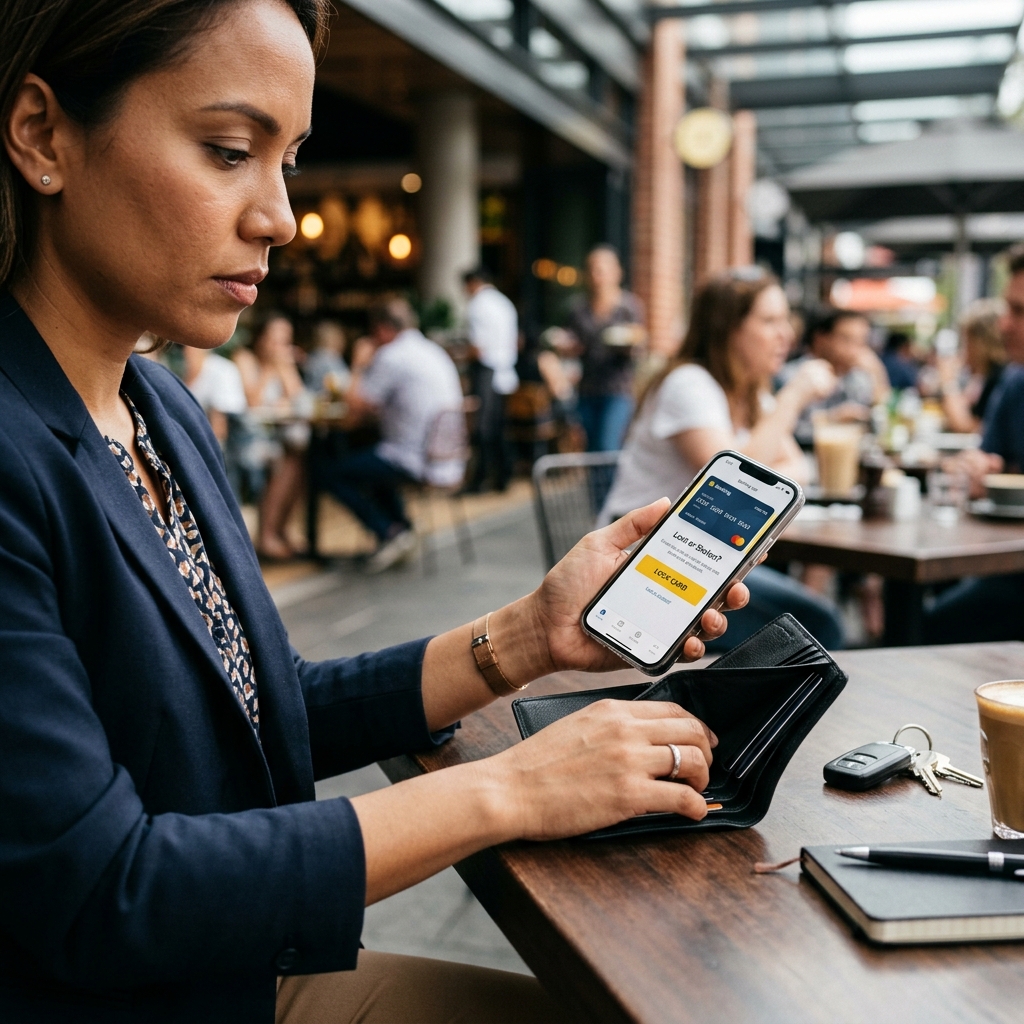
Losing a credit card can be unsettling, but you have more protection than you might think if you respond quickly and follow a clear plan. Federal law and most card issuers offer strong safeguards against unauthorized charges, yet those protections only work when you take prompt action and keep good records of what happened.
This guide walks you through what to do immediately, how to handle your replacement card, and what steps you can take to guard against identity theft and future problems.
Why Fast Action Matters When a Card Goes Missing
When your card disappears, time becomes your most important asset. Reporting the loss quickly can dramatically limit your financial responsibility for unauthorized transactions. Acting within hours instead of days makes it easier for your bank to block fraudulent activity and issue a replacement card before serious damage occurs.
In most cases, you will not be responsible for charges made after you report a loss or theft to your card issuer, but delays can increase your risk and complicate the investigation.
Step 1: Confirm That the Card Is Truly Missing
Before you assume the worst, take a few minutes to check the most likely places your card could be:
- Your wallet, purse, or bag compartments
Retracing your steps may reveal that you simply left the card in a different pocket or next to your laptop. However, do not spend too long searching if you suspect the card may have fallen into someone else’s hands. It is better to lock or cancel the card quickly than to risk fraudulent charges while you look.
Step 2: Contact Your Card Issuer Immediately
Your card issuer—usually a bank or credit union—is your first line of defense if your credit card is lost or stolen. Call the customer service number for lost or stolen cards or use the issuer’s mobile app or website to report the problem as soon as possible.
Information to Have Ready
When you contact your issuer, it helps to have the following details at hand:
- The approximate time and date you noticed the card was missing
- Your full name and identifying information as requested by the issuer (for verification)
The representative will typically close the existing card number to prevent new charges and arrange for a replacement card.
Use Phone, App, or Online Banking
Financial institutions increasingly offer multiple ways to report card loss:
- Dedicated phone numbers printed on your card or listed on your statement
- Online banking or mobile app features with options like “Report card lost or stolen”
Step 3: Lock or Disable the Card If You’re Unsure
Some issuers let you temporarily lock or disable your card instead of permanently cancelling it. This tool can be useful if you think the card might still be in your home or car but you want to ensure no one else can use it.
Card locking features typically work like a digital on/off switch: while the card is locked, new purchases are declined, but your account remains open. If you find the card, you can unlock it and continue using it without waiting for a replacement.
Step 4: Review Recent Transactions for Fraud
Once your card is reported missing, your issuer will often review recent account activity with you to spot unauthorized purchases. This is not just a formality—catching suspicious charges early helps narrow down when the card was compromised and can support a fraud investigation.
How to Check for Unrecognized Charges
- Log into your online account or mobile app and look over all recent transactions.
Be honest when confirming charges. Marking legitimate purchases as unauthorized can constitute fraud and violate your card agreement.
Step 5: Understand Your Legal and Financial Protections
Consumer protection laws and card issuer policies usually limit how much you may have to pay if someone uses your card without permission. Federal law states that you are not responsible for unauthorized charges made after you report your card lost or stolen. Many issuers also voluntarily provide zero-liability policies for fraudulent transactions.
| Protection Aspect | What It Means |
|---|---|
| After reporting loss | You are not responsible for unauthorized charges that occur after you notify the issuer. |
| Issuer investigation | The bank reviews your account activity, may issue credits for fraudulent charges, and blocks further use of the lost card. |
| Billing disputes | You can send written disputes for unauthorized charges to protect your rights and create a formal record. |
Step 6: Follow Up in Writing and Keep Records
Phone calls and app notifications are efficient, but written follow-up offers additional protection. Consumer regulators recommend sending a letter or secure electronic message to your card issuer that documents:
- When you first noticed the card missing
- The date and time you reported the loss or theft
- Any specific transactions you dispute as unauthorized
Keep a copy of your letter or message and notes from your phone calls, including the names of representatives and confirmation numbers. If you later need to challenge a charge or show that you acted quickly, these records can be invaluable.
Step 7: Manage Recurring Payments and Linked Accounts
When your card number changes, automatic payments and subscriptions may fail unless you update your billing information. Some issuers participate in services that provide updated card details to merchants automatically, but you should not rely on this alone.
Common Payments That Need Updating
- Streaming and entertainment subscriptions
- Utility bills or phone service charges billed to your card
- Online memberships or software services
- Automatic charitable donations
Log into each account where your old card was stored and update the payment method with your new card information once you receive it.
Step 8: Monitor Statements and Credit Reports
Finding no fraudulent activity in the first days after a loss does not guarantee that your card number won’t be used later. Continue to monitor your account statements closely for several months and report any suspicious charges immediately.
Ongoing Monitoring Practices
- Review each monthly statement line by line.
- Set up account alerts for new transactions or balance changes.
- Check credit reports for unfamiliar accounts or inquiries if you suspect broader identity theft.
If you notice signs that someone is misusing your personal information, consumer protection agencies provide step-by-step recovery plans and tools to help you respond.
Step 9: What to Do If You Later Find the Card
If you locate your missing card after reporting it lost, do not start using it again without checking with your issuer. In most cases, the old card will have been cancelled and a replacement ordered, meaning the old card is no longer valid.
Contact the issuer using the number on the back of the card or through your online account to confirm the card’s status. If it was cancelled, destroy the physical card safely by cutting through the chip and magnetic stripe.
Preventing Future Losses and Improving Card Security
While no one can completely eliminate risk, you can significantly reduce the chances of losing a card or suffering fraud by adopting a few habits.
Practical Everyday Tips
- Keep cards in the same place in your wallet or bag so you notice quickly if one is missing.
- Avoid carrying more cards than you truly need for the day.
- Do not write card numbers or PINs on paper stored near your cards.
- Only use your card with merchants and websites you trust.
- Enable transaction alerts via text or app notifications.
Frequently Asked Questions
How soon should I report a lost credit card?
You should report a missing card as soon as you realize it is lost or stolen. Prompt reporting helps limit your liability for unauthorized charges and allows the bank to block the card quickly.
Will I have to pay for fraudulent charges?
Federal law protects you from paying for unauthorized charges made after you report your card lost. Many issuers also offer zero-liability policies for fraud, but you must still cooperate with the investigation and respond quickly to suspicious activity.
What if I’m traveling when my card is lost?
Most banks provide international phone numbers or collect-call options so you can report a loss while abroad, and major payment networks may coordinate emergency cash or card replacement with your bank. Keep these numbers stored separately from your wallet before you travel.
Can I keep using my account after my card is cancelled?
Yes. Cancelling a specific card number does not usually close your entire account. Your issuer will send a new card with a new number, and you can continue using the account once you receive and activate the replacement.
Should I check my credit report after losing a card?
It is wise to review your credit reports if you suspect your personal information may have been exposed or if fraudulent activity appears on your account. Unexpected new accounts or inquiries can indicate identity theft, and early detection helps limit damage.
References
- Lost or Stolen Credit, ATM, and Debit Cards — Federal Trade Commission. 2023-02-01. https://consumer.ftc.gov/articles/lost-or-stolen-credit-atm-and-debit-cards
- Lost Credit Card: 4 Things to Do — Equifax. 2022-08-10. https://www.equifax.com/personal/education/identity-theft/articles/-/learn/lost-credit-card-4-things-to-do/
- What to do if you lost your credit card — JPMorgan Chase Bank. 2023-05-15. https://www.chase.com/personal/credit-cards/education/basics/what-to-do-if-you-cant-find-credit-card
- Reporting Stolen and Lost Credit Cards — Visa. 2023-01-20. https://usa.visa.com/support/consumer/lost-stolen-card.html
- Report a Lost or Stolen Wallet — Wells Fargo. 2023-06-30. https://www.wellsfargo.com/help/lost-wallet/
- How do I report a credit card as lost or stolen? — U.S. Bank. 2023-04-05. https://www.usbank.com/customer-service/knowledge-base/KB0069973.html
- Found a lost credit card? Here’s what you should do next — Bankrate. 2022-11-07. https://www.bankrate.com/credit-cards/advice/find-someones-credit-card/
Similar Articles








Read full bio of Sneha Tete




