Lost ID or Cards Abroad: Essential Recovery Steps
Discover critical actions to take if you lose your ID or credit cards while traveling, from immediate reporting to long-term protection strategies.
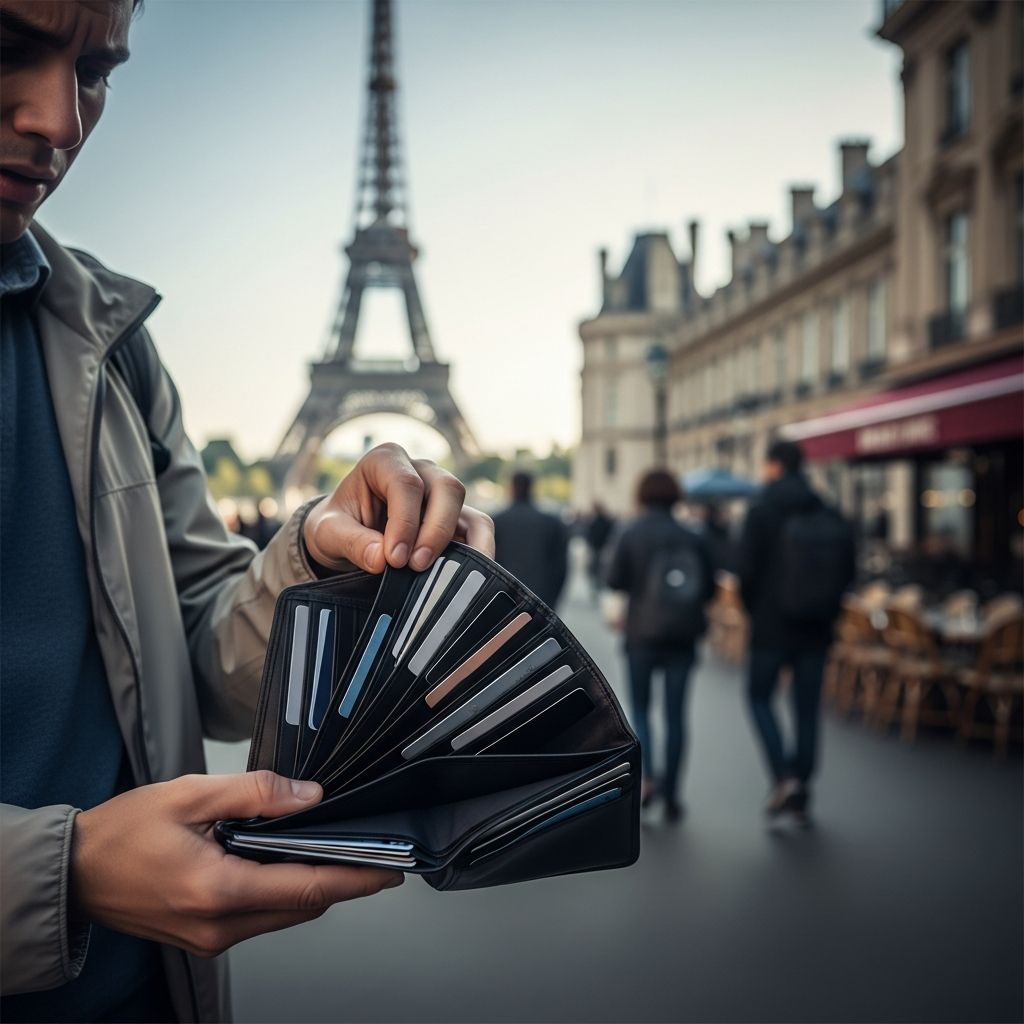
Traveling opens doors to new experiences, but misplacing essential documents like identification or payment cards can turn excitement into panic. Quick, informed actions minimize risks of identity theft and financial loss, allowing you to resume your journey swiftly. This guide provides a roadmap for prevention, immediate response, and post-incident recovery, drawing from established best practices.
Proactive Safeguards Before Departure
Preparation forms the foundation of secure travel. By anticipating potential losses, you reduce vulnerability and streamline recovery if issues arise.
- Notify financial institutions: Inform banks and card issuers of your itinerary, including destinations and dates, to prevent transaction flags on legitimate purchases.
- Duplicate vital documents: Scan passports, driver’s licenses, and cards, storing digital copies in encrypted cloud services and physical copies with trusted contacts at home.
- Secure mail and payments: Request a postal hold for up to 30 days and pre-schedule bill payments to avoid unsecured access abroad.
- Pack strategically: Distribute cards across bags, use RFID-blocking wallets, and limit carried cash to essentials.
These steps, recommended by financial experts, create layers of defense against common travel mishaps.
Secure Handling Practices During Your Trip
Once underway, vigilance maintains protection. Everyday choices significantly impact safety.
| Activity | Best Practice | Risk Mitigated |
|---|---|---|
| Carrying documents | Money belt or neck pouch under clothing; hotel safe for spares | Pickpocketing |
| ATM usage | Bank-affiliated machines only; shield PIN | Skimming devices |
| Internet access | VPN on public Wi-Fi; avoid USB charging ports | Data interception |
| Device security | Enable transaction alerts; use strong, unique passwords | Fraud detection delay |
Adopting these habits ensures documents remain close and transactions secure, as emphasized in traveler security guidelines.
Immediate Response to Loss or Theft
Discovery of a missing ID or card demands swift action. Time is critical to limit exposure.
- Assess and secure the area: Retrace steps discreetly; if theft suspected, note details without alerting potential thieves.
- Contact issuers instantly: Call card providers using saved emergency numbers—not numbers on the card—to freeze accounts. Most operate 24/7.
- Report to authorities: For passports, reach the nearest embassy; for domestic IDs, notify issuing DMV. Obtain a police report for insurance and replacements.
- Alternative verification: At airports without ID, arrive early for TSA processes using secondary proofs like utility bills or cards.
These protocols, per U.S. State Department procedures, expedite replacements and protect against unauthorized use.
Navigating Replacements Overseas
Obtaining new documents abroad involves specific channels. Patience and documentation are key.
- Passport replacement: U.S. citizens contact the State Department via phone or local consulate; emergency passports issue within days with police report.
- Credit/debit cards: Couriered replacements often arrive in 24-72 hours; use hotel address for delivery.
- Driver’s licenses: Contact home state DMV for temporary verification; full replacement post-return.
- Travel insurance activation: File claims promptly for coverage on expedited services and incidentals.
Global assistance networks facilitate these processes, reducing downtime significantly.
Post-Trip Vigilance and Monitoring
Returning home doesn’t end the process. Ongoing checks prevent lingering threats.
- Review statements daily for anomalies; dispute unauthorized charges within 60 days for zero liability.
- Change passwords accessed during travel.
- Monitor credit reports via AnnualCreditReport.com for fraudulent activity.
- Consider identity theft protection services for automated monitoring.
Financial institutions advise this routine for at least three months post-incident to catch sophisticated fraud.
Real-World Case Studies and Lessons
Examine hypothetical yet realistic scenarios to illustrate application.
Scenario 1: Wallet Stolen in Europe
Traveler loses wallet with cards and EU-resident ID. Immediate bank freezes prevent $500 in charges. Consulate issues temporary passport using photocopy and police report. Lesson: Copies accelerate recovery.
Scenario 2: Passport Misplaced at Airport
Found via lost-and-found, but demonstrates need for extras. TSA accepts alternatives for domestic continuation. Lesson: Early arrival buffers verification.
These examples underscore preparation’s value, mirroring reports from traveler aid organizations.
Advanced Protection Technologies
Modern tools enhance security beyond basics.
- Digital wallets: Apps like Apple Pay store card data securely, enabling virtual transactions.
- Biometric locks: Fingerprint-secured phones hold digital IDs.
- Fraud alerts: Real-time SMS notifications for all activity.
- Travel apps: Embassy locators and emergency hotlines in one place.
Integrating these reduces physical reliance on cards and IDs.
Frequently Asked Questions (FAQs)
What if I lose my passport in a foreign country?
Contact your nation’s embassy or consulate immediately for an emergency replacement. Provide photocopies and a police report to expedite processing.
How quickly can I get a new credit card abroad?
Most issuers courier replacements within 1-3 days; use app-based virtual cards as interim solutions.
Do I need a police report for card replacement?
Not always for cards, but essential for passports, insurance claims, and disputing international fraud.
Can I fly domestically without ID?
Yes, via TSA’s identity verification with secondary documents; arrive 2-3 hours early.
Should I carry my Social Security card while traveling?
No—leave it home unless essential; risk of identity theft outweighs convenience.
Building Long-Term Travel Security Habits
Consistent practices evolve into instincts. Review insurance annually for identity coverage. Educate companions on protocols. Share experiences in travel communities for collective wisdom.
By embedding these strategies, disruptions become minor footnotes, not trip-enders. Safe travels await.
References
- How to Protect Your Identity When Traveling — Farm Bureau Financial Services. 2023. https://www.fbfs.com/learning-center/how-to-protect-your-identity-when-traveling
- How to Protect Your Money When Traveling — Signal Financial FCU. 2025-01-01. https://www.signalfinancialfcu.org/2025/how-to-protect-your-money-while-traveling
- Protect Against Identity Theft When Traveling — Insight Credit Union. 2024. https://www.insightcreditunion.com/featured-blogs/protect-against-identity-theft-when-traveling
- Lost Passport, Stolen Credit Cards Abroad Guide — Global Rescue. 2025-03-28. https://www.globalrescue.com/common/blog/detail/lost-passport-stolen-credit-cards-abroad-guide/
- Travel.State.Gov – Lost or Stolen Passports Abroad — U.S. Department of State (.gov). 2025-12-31. https://travel.state.gov/content/travel/en/international-travel/emergencies/lost-stolen-passport-abroad.html
- TSA Identification Requirements — Transportation Security Administration (.gov). 2026-01-01. https://www.tsa.gov/travel/security-screening/identification
Similar Articles








Read full bio of medha deb