
Living Trusts: Comprehensive Guide To Smarter Estate Planning
Discover how revocable living trusts simplify asset management, avoid probate, and secure your legacy for future generations.
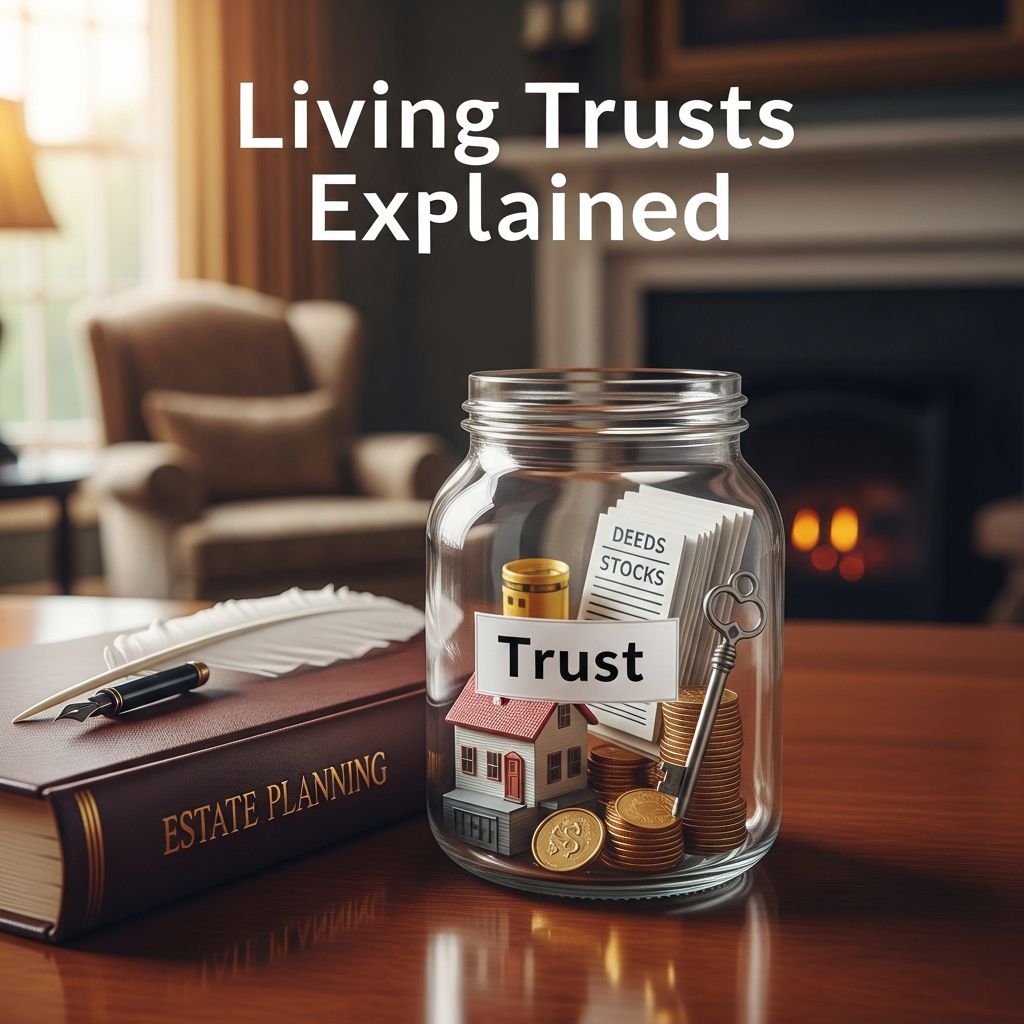
Revocable living trusts have become a cornerstone of modern estate planning, offering a flexible way to manage and distribute assets both during life and after death. Unlike traditional wills, these trusts allow you to maintain full control over your property while alive, bypass lengthy court processes, and ensure your wishes are carried out efficiently.
Defining the Revocable Living Trust
A revocable living trust is a legal entity you create to hold your assets, such as real estate, bank accounts, investments, and vehicles. As the creator, known as the grantor or settlor, you transfer ownership of these assets into the trust. You typically serve as the initial trustee, retaining the power to use, sell, or alter the assets freely. Upon incapacity or death, a successor trustee steps in to manage or distribute them according to your instructions.
This setup is ‘revocable’ because you can modify, amend, or revoke it anytime while competent. It becomes irrevocable upon your passing, locking in the distribution plan. Beneficiaries—often yourself during life and heirs afterward—receive the assets seamlessly.
Key Players in a Living Trust
- Grantor/Settlor: You, the person establishing the trust and funding it with assets.
- Trustee: Manages the trust; initially you, with a named successor for incapacity or death.
- Successor Trustee: Takes over seamlessly without court approval, handling administration.
- Beneficiaries: Those who benefit, like family members or charities, with customizable distribution terms.
Selecting reliable individuals for successor trustee and beneficiaries is crucial. Consider naming alternates to cover unforeseen issues.
Core Advantages of Establishing a Living Trust
Living trusts provide multiple strategic benefits, making them preferable over wills alone for many.
Avoiding the Probate Maze
Probate, the court-overseen validation and distribution of a will, can drag on for months or years, incur high fees (often 3-7% of estate value), and tie up assets. Trusts sidestep this entirely: assets pass directly to beneficiaries, saving time, money, and stress.
Maintaining Family Privacy
Wills become public records, exposing your estate details to anyone. Trusts remain private, shielding financial information from public scrutiny and potential disputes.
Seamless Incapacity Management
If illness or injury impairs your decision-making, your successor trustee manages assets immediately—no conservatorship or court petitions needed, which can be invasive and costly.
Enhanced Control Over Distributions
Dictate precise terms, like staggered payouts to young heirs (e.g., 25% at age 25, remainder at 35) or conditions for special needs beneficiaries, preventing misuse.
Multi-State Property Handling
Owning homes in multiple states triggers ancillary probates. A trust consolidates everything under one document, streamlining transfer.
Other Perks
- Harder for challengers to contest than wills.
- Centralizes assets for unified planning.
- Potential estate tax strategies for larger estates.
Step-by-Step Process to Create Your Living Trust
- Draft the Document: Outline terms, name trustees and beneficiaries. Use software, online tools, or hire an attorney for complexity.
- Sign and Notarize: Execute before a notary; witnesses may be required by state law.
- Fund the Trust: Retitle assets (e.g., deeds for property, account names for banks) to ‘Your Name, Trustee of the Your Name Revocable Living Trust.’ Unfunded assets risk probate.
- Maintain and Update: Review every 3-5 years or after life changes like births, deaths, or divorces.
Funding is pivotal—overlook it, and benefits evaporate.
Typical Costs Involved
Costs vary by method and location:
| Method | Estimated Cost | Pros | Cons |
|---|---|---|---|
| Online/Legal Software | $200-$600 | Affordable, quick | Limited customization |
| Attorney-Drafted | $1,000-$3,000+ | Tailored advice | Higher upfront fee |
| Ongoing Maintenance | Minimal (filing changes) | Flexible updates | Time to refile assets |
Attorney fees rise with estate complexity. DIY suits simple estates; pros handle intricacies.
Assets Suitable for Your Living Trust
- Real Estate: Homes, land—retitle via deed.
- Financial Accounts: Checking, savings, CDs—contact institutions.
- Investments: Stocks, bonds—transfer via brokerage.
- Personal Property: Vehicles, jewelry—via bill of sale or title.
- Business Interests: Shares or partnerships.
Exclude or beneficiary-designate IRAs, 401(k)s, life insurance to avoid tax pitfalls.
Understanding Trust Taxes
Revocable trusts use your Social Security number; no separate filing needed. Income passes to you. Post-death, successor trustee handles via estate return if required. Larger estates may leverage tax minimization.
Comparing Trusts to Wills
| Feature | Living Trust | Will |
|---|---|---|
| Probate | Avoids | Requires |
| Privacy | Private | Public |
| Incapacity | Automatic management | Court conservatorship |
| Cost | Upfront, saves later | Lower upfront, probate fees |
| Flexibility | High, revocable | Fixed post-death |
Pair a ‘pour-over’ will with trust to catch unfunded assets.
Is a Living Trust Ideal for You?
Best for: Estates over $100K, multi-state property, privacy concerns, blended families, or minor/special needs heirs. Not necessary for tiny estates or joint tenancy setups. Consult professionals for personalized fit.
Common Pitfalls and Fixes
- Unfunded Trust: Regularly audit titles.
- Poor Trustee Choice: Pick trusted, capable successors.
- Outdated Terms: Update post-life events.
- State Variations: Laws differ; verify local rules.
Frequently Asked Questions About Living Trusts
Can I act as my own trustee?
Yes, most grantors do, retaining full control.
Does a living trust save on taxes?
No direct savings for revocable trusts, but aids planning for taxable estates.
Can I put my house in a trust?
Absolutely—refile the deed properly.
What if I move states?
Review and amend for new laws; multi-state benefits persist.
Do I still need a will?
Yes, as a backup pour-over will.
How long to set up?
Days with software; weeks with attorneys.
Living trusts empower proactive legacy building. Integrate with full estate plans for optimal results.
References
- What is a Living Trust, and Why Do You Need One? — Bryn Mawr Trust. 2023. https://www.bmt.com/news-insights-events/what-is-a-living-trust-and-why-do-you-need-one/
- 4 benefits of a living trust — FreeWill. 2024. https://www.freewill.com/learn/benefits-of-a-living-trust
- What Is a Living Trust? — LegalZoom. 2025. https://www.legalzoom.com/articles/what-is-a-living-trust
- Understanding Living Trusts — EstatePlanning.com. 2024. https://www.estateplanning.com/understanding-living-trusts
- What is a revocable living trust? — Consumer Financial Protection Bureau. 2025-01-17. https://www.consumerfinance.gov/ask-cfpb/what-is-a-revocable-living-trust-en-1775/
- Living Trusts — Superior Court of California, County of Santa Clara. 2024. https://santaclara.courts.ca.gov/self-help/self-help-topics/self-help-probate/probate-medicalfinancialend-life-issues/living-trusts
Similar Articles








Read full bio of Sneha Tete


