
Cell Phone Searches: When Police Need A Warrant And Your Rights
Understanding when police can search or seize your cell phone, what a warrant must say, and how the Fourth Amendment protects your digital privacy.
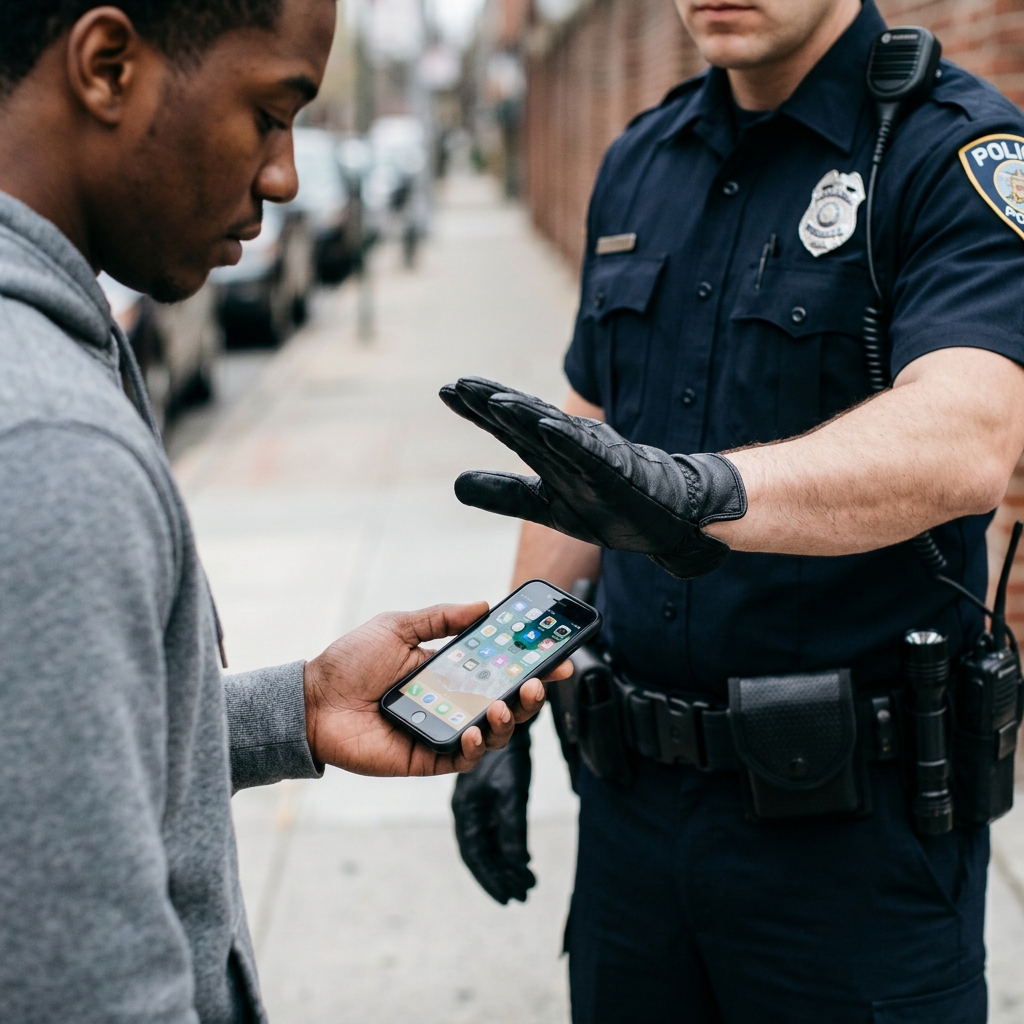
Modern cell phones hold an extraordinary amount of personal information, from messages and photos to banking details and location history. Courts and legislatures have increasingly recognized that searching a phone is not like checking a wallet or pocket; it is closer to opening a digital diary of someone’s life. This recognition has driven strict rules on when and how police can search or seize your phone.
Why Cell Phone Searches Are Legally Different
The legal system treats cell phones differently primarily because of the volume and sensitivity of the data they contain. In Riley v. California, the United States Supreme Court held that police generally must obtain a warrant before searching digital information on a phone taken from an arrested person, emphasizing that phones reveal far more than traditional physical items. The decision acknowledged that the Fourth Amendment’s protection against unreasonable searches and seizures applies robustly to digital devices.
As a result, courts and lawmakers have developed rules that:
- Require warrants in most situations before officers can access the contents of a phone.
- Limit what those warrants may authorize, often insisting on specific data types and time frames.
- Recognize narrow exceptions for emergencies and consent-based searches.
The Fourth Amendment Foundation
The Fourth Amendment to the U.S. Constitution declares that people have the right to be secure against unreasonable searches and seizures, and that warrants may be issued only upon probable cause with particular descriptions of the place to be searched and items to be seized. This constitutional language underlies modern rules on cell phone searches.
Applied to phones, the Fourth Amendment generally requires:
- Probable cause that the phone or its data contain evidence of a specific crime.
- Judicial authorization via a warrant for access to the contents, absent an exception.
- Particularity, meaning the warrant must specify what data may be searched and seized, not simply “anything and everything.”
Seizing vs. Searching: Two Different Legal Steps
It is important to distinguish between seizing a phone and searching
| Action | What It Means | Typical Legal Standard |
|---|---|---|
| Seizure | Police physically take the phone and prevent you from using or moving it. | Probable cause, and sometimes an exception like incident to arrest or exigent circumstances. |
| Search | Police access and review data on the device, such as messages, photos, or apps. | Generally requires a warrant describing the data to be searched, unless an exception applies. |
For example, if you are arrested, officers may seize the phone you are carrying to preserve potential evidence. However, accessing text messages or photos usually requires a separate, properly issued warrant.
When Police Need a Warrant to Search Your Phone
Outside of special circumstances, law enforcement must obtain a search warrant before accessing the data on a cell phone. This rule flows directly from Riley and subsequent judicial and legislative developments. A valid warrant must meet several requirements.
Probable Cause and Nexus to a Crime
First, officers must show probable cause—facts that would lead a reasonable person to believe evidence of a crime is stored on the phone. They must also demonstrate a nexus, or specific connection, between the device and the crime under investigation.
- Evidence might include witness statements stating the suspect used their phone during the offense.
- Investigators may rely on social media posts, video footage showing the suspect with the phone, or prior data indicating the phone was used in planning or executing the crime.
Particularity: No Open-Ended Warrants
The warrant must be sufficiently detailed so that officers know what they can and cannot search. Courts and guidance documents stress that a warrant should not simply authorize review of “any and all” phone data.
Instead, warrants typically should:
- Identify the types of data to be searched, such as text messages, call logs, emails, photos, or app records.
- Specify a date range tied to the alleged offense, such as data from the week of a suspected assault.
- Link each requested data category to a clear investigative purpose supported by probable cause.
Some courts have insisted that warrants be narrowly drawn to limit searches to relevant segments of the phone, while others have allowed broader access. According to digital rights advocates, recent rulings show significant disagreement across jurisdictions on how strictly to confine the scope of cell phone warrants.
Major Exceptions to the Warrant Requirement
Although the default rule is that a warrant is needed, several well-recognized exceptions allow police to search or seize cell phones without one. These exceptions are interpreted narrowly and often depend on case-specific facts.
Consent-Based Searches
If you voluntarily permit officers to search your phone, they may do so without obtaining a warrant. Consent must be genuine and not a product of coercion or threats, and you have the right to refuse or withdraw consent at any time.
- Voluntary consent means you agree to the search after understanding you are not required to cooperate.
- Revocable consent allows you to stop the search partway through; officers should then cease reviewing further data unless another legal basis exists.
- Limited scope consent means police may only examine areas of the phone you agreed to, such as specific messages or photos, unless they later secure a warrant.
Exigent Circumstances
Exigent circumstances exist where immediate action is necessary to prevent serious harm, the destruction of evidence, or a suspect’s escape. Under this exception, officers may sometimes access phone data without a warrant if delaying the search would pose a substantial risk and they already have probable cause.
- Examples include urgent efforts to locate a kidnapping victim or to stop an imminent violent attack.
- Courts generally require a close fit between the emergency and the phone data sought, and long-term or wide-ranging searches are less likely to qualify.
Search Incident to Arrest (Limited Scope)
Historically, officers have been allowed to search items on an arrestee for safety and to prevent the destruction of evidence. After Riley, however, courts have largely limited this exception as applied to phones. Police may seize a device incident to arrest, but accessing its contents usually demands a warrant or a separate exception.
Special Rules and Emerging Issues
As technology evolves, new types of cell phone-related legal processes have emerged, and courts continue to refine the rules governing them.
State-Level Protections and Statutes
Several states have enacted statutes that specifically address electronic device searches. For instance, guidance published by one state’s judicial system notes that police generally may not search digital information on a phone taken from an arrestee without a warrant. Such materials emphasize the need for particularity and probable cause in any warrant that reaches cell phone data.
Geofence and Location Data Warrants
Police sometimes seek location records from technology companies to identify devices present at a crime scene. A state high court has recognized that individuals have a reasonable expectation of privacy in records showing where their phone has been, and that police intrude on that protected interest when they demand location data even for a limited time. These rulings reinforce the principle that digital trails carry strong privacy protections.
Scope Disputes: Whole Phone vs. Targeted Data
Advocacy groups and recent cases show that courts are divided over how much access a warrant should grant. Some decisions insist that warrants must specify categories like photos, messages, or app data, and limit searches to certain periods; others allow broad review of the entire device once a warrant is issued.
Law enforcement best-practice guidance generally encourages officers to:
- Describe the device as the location to be searched.
- Identify precise items—such as call history, particular messaging apps, or specific media files—connected to the alleged offense.
- Include clear date ranges supported by the investigative facts.
Your Practical Rights During a Phone Encounter
Understanding your rights can help you respond calmly and effectively if police ask to search or hold your phone. While details vary by jurisdiction and situation, several general principles apply in many cases.
- You usually have the right to refuse consent to a phone search, and refusal cannot by itself create probable cause.
- Officers may be able to seize your phone temporarily if they have probable cause and are seeking a warrant, especially in connection with an arrest or serious investigation.
- Police normally need a warrant to review your texts, photos, emails, and other stored data unless an emergency or consent applies.
- Any warrant should specify what data can be accessed; overly broad warrants may be challenged in court.
Because the law is complex and facts matter, speaking with a qualified attorney is essential if your device is seized or searched. Legal counsel can evaluate whether officers stayed within the law and whether evidence might be suppressed due to an unlawful search.
Frequently Asked Questions About Police Cell Phone Searches
Can police take my phone without immediately searching it?
Yes. Police may seize a phone when they have probable cause to believe it holds evidence of a crime and they intend to seek a warrant, or incident to a lawful arrest. However, taking physical possession is different from reviewing your data, which usually requires further judicial approval.
If police have a warrant, can they look at everything on my phone?
Not necessarily. The warrant should describe the specific categories of data and time periods that may be searched. Courts and legal guidance often reject warrants that simply authorize a search of “any and all” information on a device without meaningful limits.
Is refusing a phone search suspicious or illegal?
Refusing consent is generally within your rights and does not constitute a crime. Officers may be disappointed, but they must either obtain a warrant or rely on a recognized exception to proceed.
What if police say there is an emergency?
In a genuine emergency—such as an immediate threat to life or risk of evidence destruction—officers may invoke exigent circumstances to access certain information without a warrant. Courts closely scrutinize these claims, and prolonged or wide-ranging searches are less likely to qualify.
Who can give valid consent to search a phone?
Ordinarily, the person who possesses or owns the phone can grant consent, provided it is voluntary and informed. In some contexts, statutes also allow other parties, such as a device owner reporting theft, to authorize certain limited access. Even then, officers remain subject to constitutional constraints and judicial review.
References
- Massachusetts law about cell phone searches — Massachusetts Judicial Branch. 2023-06-01. https://www.mass.gov/info-details/massachusetts-law-about-cell-phone-searches
- Search and Seizure of Cell Phones by Law Enforcement — Koffel Brininger Nesbitt. 2022-08-10. https://www.koffellaw.com/blog/search-and-seizure-of-cell-phones-by-law-enforce/
- Does Law Enforcement Need a Warrant To Search Your Cellphone? — Super Lawyers. 2023-03-15. https://www.superlawyers.com/resources/criminal-defense/police-can-search-your-phone/
- Cell Phone Searches — Mandy Miller Legal. 2023-05-20. https://www.mandymillerlegal.com/criminal-defense/search-and-seizure/legal-cell-phone-search/
- New Federal and State Court Rulings Show Courts Are Divided on the Scope of Cell Phone Searches Incident to Arrest — Electronic Frontier Foundation. 2022-10-26. https://www.eff.org/deeplinks/2022/10/new-federal-and-state-court-rulings-show-courts-are-divided-scope-cell-phone
- Navigating mobile device searches: Legal processes and best practices for law enforcement — Police1. 2024-01-10. https://www.police1.com/investigations/navigating-mobile-device-searches-legal-processes-and-best-practices-for-law-enforcement
Similar Articles








Read full bio of medha deb




