
Lifeguard Liability Essentials for Swimmers
Understand lifeguard duties, negligence risks, and your rights to stay safe and seek justice after water incidents.
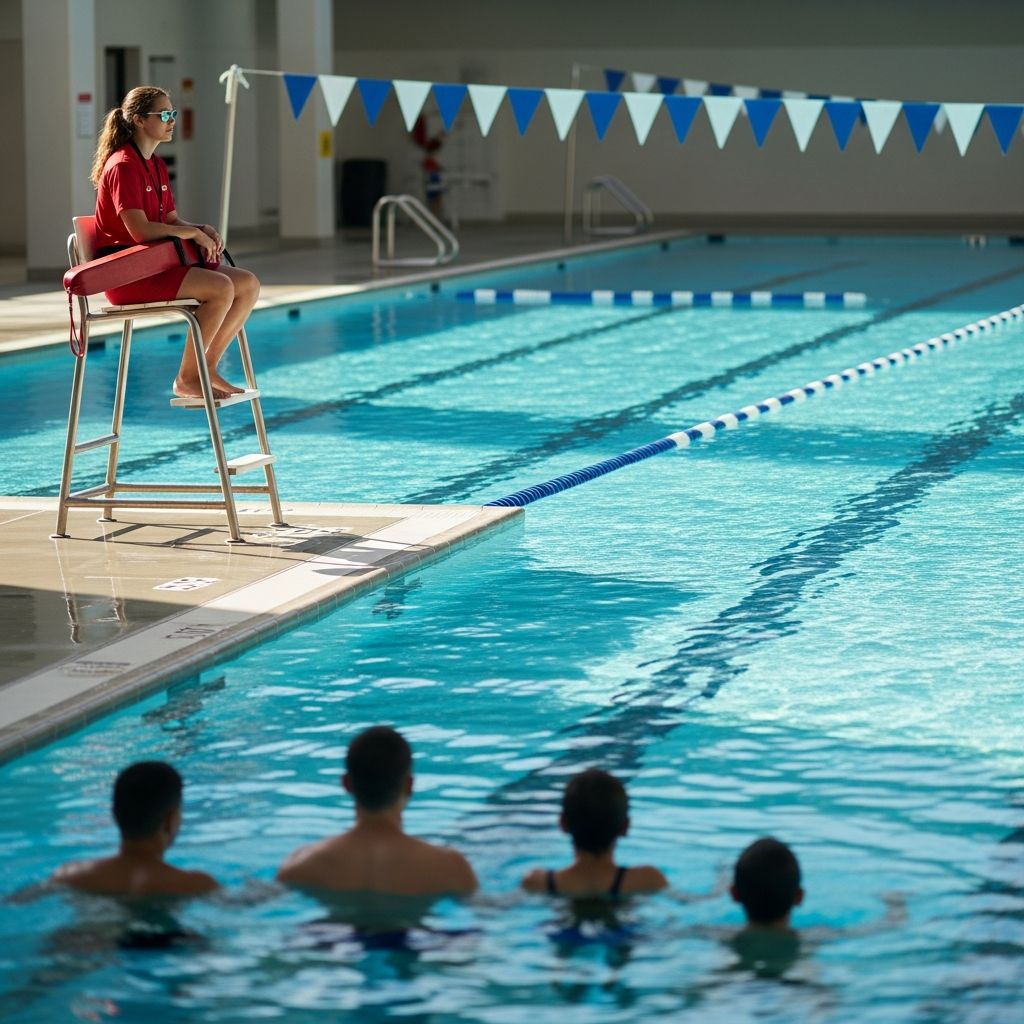
Swimmers at public pools, beaches, and resorts rely on lifeguards for safety, but these professionals carry significant legal responsibilities. Understanding their obligations and potential liabilities empowers individuals to protect themselves and pursue justice if harm occurs. This article delves into the core principles of lifeguard accountability, common pitfalls, legal pathways, and preventive measures.
Core Responsibilities of Lifeguards in Aquatic Environments
Lifeguards serve as the first line of defense against drownings and injuries in supervised water areas. Their role demands unwavering attention and adherence to established protocols to safeguard patrons.
- Continuous Monitoring: Professionals must scan the entire supervised zone systematically, identifying distress signals like vertical bobbing or frantic splashing without forward progress.
- Immediate Action Protocols: Upon spotting trouble, lifeguards execute rescues using trained techniques, followed by prompt first aid or CPR if necessary.
- Rule Enforcement: They actively prevent dangerous behaviors, such as running, roughhousing, or diving in shallow zones, to maintain order and reduce accident risks.
- Hazard Detection: Identifying slippery decks, faulty equipment, or weather threats like lightning falls under their purview, requiring swift mitigation.
These duties stem from industry standards set by organizations like the American Red Cross and state regulations, ensuring lifeguards meet a “reasonable care” benchmark tailored to aquatic settings.
Defining Negligence: When Lifeguards Fall Short
Negligence arises when a lifeguard deviates from expected standards, directly contributing to harm. Courts evaluate actions against what a competent peer would do in similar circumstances.
| Type of Breach | Description | Potential Consequences |
|---|---|---|
| Distracted Vigilance | Engaging in phone use, conversations, or other diversions instead of scanning the water. | Missed distress signals leading to near-drownings or full submersion incidents. |
| Delayed Response | Hesitation or slow reaction after observing a swimmer in peril. | Worsened injuries, including brain damage from oxygen deprivation. |
| Inadequate Training Oversight | Failure to verify swimmer skills or allowing uncertified activities. | Injuries from unsupervised deep-water play or equipment misuse. |
| Ignored Environmental Risks | Not closing areas during storms or overlooking broken rescue gear. | Electrocution risks or failed rescues due to missing tools. |
Proving a breach requires evidence like witness accounts, surveillance footage, or incident logs demonstrating the lapse.
Building a Strong Legal Claim: Elements of Proof
Successful claims hinge on four pillars: duty, breach, causation, and damages. Each must be substantiated to hold lifeguards or facilities accountable.
- Duty Established: Supervised venues impose a clear obligation; unsupervised pools shift more responsibility to swimmers.
- Breach Confirmed: Expert testimony often compares the lifeguard’s conduct to certified training norms.
- Causation Linked: Plaintiffs show the negligence directly precipitated the injury, not pre-existing conditions.
- Damages Quantified: Includes medical bills, lost wages, therapy costs, and non-economic suffering.
In wrongful death scenarios, families claim additional losses like companionship and future support, often yielding higher settlements.
Who Bears Responsibility? Individual vs. Facility Liability
Liability may extend beyond the lifeguard to employers. Facilities can face claims for hiring unqualified staff, skimping on equipment, or poor oversight.
- Direct lifeguard fault: Personal negligence suits, though rare due to Good Samaritan protections for off-duty aid.
- Employer vicarious liability: Pools absorb responsibility for employee actions within job scope.
- Premises liability: Owners liable for unsafe conditions like unmaintained railings or dim lighting.
Multiple parties often share fault under comparative negligence rules, apportioning damages by contribution percentage.
Navigating Claims: Steps After an Aquatic Incident
Act swiftly post-injury to preserve your case. Delays can weaken evidence and hit statutes of limitations, typically 1-3 years by state.
- Seek medical attention immediately, documenting all treatments.
- Report the incident officially, requesting copies of logs and videos.
- Gather witness contacts and photos of the scene.
- Consult a personal injury attorney specializing in aquatic cases for free evaluations.
- Avoid facility statements without counsel to prevent claim sabotage.
Attorneys negotiate with insurers, who often lowball initially, and litigate if needed for fair compensation.
Prevention Strategies: Empowering Swimmers and Guardians
Knowledge reduces risks. Swimmers should obey rules, swim sober, and use life jackets if unskilled.
- Choose lifeguarded venues displaying certification proofs and rescue gear inventories.
- Monitor children closely, even under supervision—designate a “water watcher.”
- Report suspicious lifeguard behavior, like prolonged distractions, to management.
- Learn basic water safety via Red Cross courses to aid self-rescue.
Parents: Teach kids distress signals and never rely solely on lifeguards for oversight.
Frequently Asked Questions
Can I sue a lifeguard personally for negligence?
Yes, if their individual actions breach duty, but facilities often cover via insurance. Good Samaritan laws protect voluntary off-duty rescues.
What if the pool had no lifeguard posted?
Unsupervised sites limit facility liability, placing assumption-of-risk on swimmers. Signs warning of no guards strengthen their defense.
Does weather like lightning exempt lifeguards from duty?
No; they must monitor forecasts and clear areas proactively. Failure constitutes negligence.
How much compensation is typical in drowning claims?
Varies widely; minor injuries yield thousands, while fatalities can exceed millions covering lifelong impacts.
Are child injuries treated differently legally?
Courts scrutinize child cases rigorously due to vulnerability, often awarding higher for future care needs.
State Variations in Aquatic Safety Regulations
Laws differ: California mandates 1:50 lifeguard ratios at public pools; Florida emphasizes commercial oversight. Check local codes for venue compliance. Facilities violating standards face amplified penalties, bolstering claims.
Aquatic incidents claim over 4,000 U.S. lives yearly, underscoring vigilance needs. Empowered swimmers foster safer environments through awareness and accountability.
References
- Establishing Duty of Care Lapses Resulting in Injury — D2 Law. 2023. https://d2law.com/lifeguard-negligence-establishing-duty-of-care-lapses-resulting-in-injury/
- Can You Sue a Lifeguard? Understanding Lifeguard Negligence — Purely Legal. 2024. https://www.purely.legal/can-you-sue-a-lifeguard/
- Lifeguard Negligence and Liability in Pool Drowning Cases — Zimmet & Zimmet. 2023. https://www.zimmetzimmet.com/daytona-beach/drowning-accidents/lifeguard-negligence-commercial-pool-drowning/
- How Well is That Lifeguard Guarding Your Kids’ Lives? — LV Accident. 2024. https://lvaccident.com/blog/how-well-is-that-lifeguard-guarding-your-kids-lives/
- Can Lifeguards or Public Pool/Beach Facilities Be Held Liable for Drownings? — O’Malley Trial. 2023. https://www.omtrial.com/can-lifeguards-or-public-pool-beach-facilities-be-held-liable-for-drownings/
- On the Hook — Aquatics International. 2022. https://www.aquaticsintl.com/lifeguards/on-the-hook_o
Similar Articles








Read full bio of Sneha Tete


