Liability For Youth Sports Injuries: A Parent’s Guide
Understanding when parents can seek compensation for children's sports injuries caused by negligence in leagues and schools.
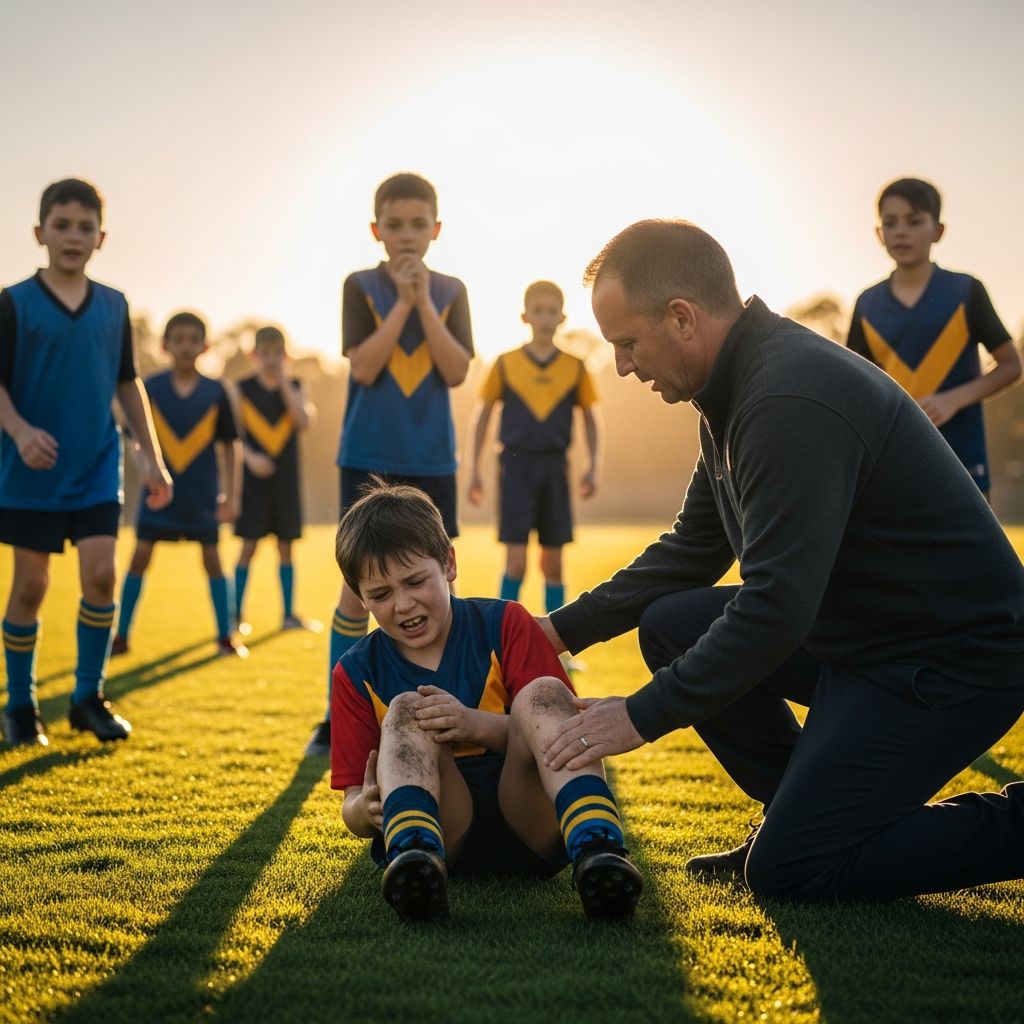
Liability for Youth Sports Injuries
Youth sports offer invaluable opportunities for physical development, teamwork, and fun, but they also carry risks of serious harm. When injuries exceed the normal hazards of play, parents often wonder if legal recourse exists. In many jurisdictions, particularly California, compensation is possible if negligence by coaches, schools, or facilities contributed to the harm. This article examines key legal principles, common scenarios, procedural steps, and potential outcomes for such cases.
Defining Negligence in Youth Athletics
Negligence forms the cornerstone of most sports injury lawsuits involving children. To establish a claim, plaintiffs must demonstrate that a duty of care existed, it was breached, the breach caused the injury, and damages resulted. In youth sports, coaches, leagues, and schools owe young athletes a heightened duty due to their age and vulnerability.
For non-contact sports like soccer or baseball, standard negligence suffices. However, contact sports such as football or hockey often require proof of recklessness or intentional misconduct, as inherent risks are assumed via waivers. Examples include:
- Failure to enforce safety rules, leading to unchecked aggressive play.
- Inadequate supervision during practices or games.
- Allowing play despite known medical conditions like prior concussions.
California’s pure comparative negligence rule allows recovery even if the child shares fault, proportional to responsibility. A 40% at-fault child could still claim 60% of damages.
Common Causes of Preventable Sports Harm
Injuries arise from multiple sources beyond player collisions. Faulty premises, defective gear, and poor coaching decisions frequently trigger liability.
| Category | Examples | Potential Liability |
|---|---|---|
| Facility Issues | Uneven fields, broken bleachers, poor lighting | Premises owners or schools |
| Equipment Failures | Worn helmets, cracked bats, unstable goals | Manufacturers or leagues |
| Supervision Lapses | Untrained coaches, no medical staff present | Coaches or districts |
| Protocol Violations | Ignoring concussion return-to-play rules | Organizations subject to state laws |
Concussions, fractures, spinal injuries, and soft tissue damage top the list of compensable harms, especially when linked to these breaches. Traumatic brain injuries (TBIs) from youth sports have drawn scrutiny, prompting stricter protocols nationwide.
Who Bears Responsibility?
Multiple parties may share blame, complicating claims but expanding recovery options.
- Coaches and Instructors: Liable for reckless drills or ignoring safety training requirements.
- Schools and Districts: Governmental immunity often shields them unless gross negligence is proven, such as absent emergency plans.
- Leagues and Organizations: Community groups must maintain safe venues and certified staff.
- Equipment Providers: Product liability applies to defective items causing harm.
- Fellow Participants: Rare, but possible for intentional fouls outside game norms.
In premises liability scenarios, property owners face claims for foreseeable hazards not addressed, like slick gym floors.
Navigating Time Limits and Procedural Hurdles
Timeliness is critical. California’s two-year statute of limitations for personal injury claims starts from the injury date, but tolls until age 18 for minors, potentially extending to age 20. Missing deadlines bars recovery.
Minors’ settlements require court approval via a “minor’s compromise” petition. Courts review accident details, injury extent, settlement terms, and fund management—often blocked accounts or trusts until majority. This safeguards funds from mismanagement.
Evidence gathering strengthens cases:
- Seek immediate medical attention for records.
- Document scenes with photos/videos.
- Collect witness statements from peers, parents, officials.
- Preserve gear and uniforms as evidence.
- Report incidents formally to leagues/schools.
Types of Compensation Available
Successful claims cover economic and non-economic losses, tailored to youth impacts.
- Economic Damages: Past/future medical bills, rehab, therapy, adaptive equipment for disabilities.
- Non-Economic Damages: Pain, suffering, emotional trauma, lost enjoyment of activities.
- Parental Claims: Reimbursement for out-of-pocket costs; rarely, loss of consortium.
- Punitive Damages: For egregious conduct like ignoring known dangers.
Average settlements vary widely—minor sprains might yield thousands, while permanent TBIs or paralysis can reach millions, as in a $14.25M gymnast case involving faulty mats. Health insurance often covers initials, but third-party claims pursue full value.
Challenges in Proving Sports Negligence
Courts recognize sports’ risks, dismissing claims for routine injuries. Waivers limit liability for inherent dangers but not gross negligence. High schools enjoy protections, requiring proof of extreme lapses like no supervision during hazardous drills.
Expert testimony—doctors on injury causation, coaches on standards—bolsters cases. Comparative fault reduces awards if children ignored rules or parents overlooked waivers.
Essential Steps After a Youth Sports Injury
Act swiftly to preserve rights:
- Prioritize treatment; document all care.
- Notify responsible parties in writing.
- Avoid settlement discussions without counsel.
- Consult a personal injury attorney experienced in youth sports cases.[10]
Attorneys assess viability, negotiate with insured defendants, and litigate if needed. Contingency fees align interests—no win, no fee.
Preventive Measures for Safer Play
While legal action addresses aftermaths, prevention is ideal. Leagues should enforce:
- Certified coaches with CPR/first aid training.
- Regular equipment inspections.
- Age-appropriate drills and rest periods.
- Concussion protocols per state laws.
Parents: Review waivers, monitor for overexertion, advocate for safety.
Frequently Asked Questions
Can schools be sued for sports injuries?
Yes, but often limited by immunity; gross negligence like inadequate supervision overcomes barriers.
What if my child signed a waiver?
Waivers bar ordinary negligence claims but not recklessness or facility defects.
How long do I have to file for a minor?
In California, tolled until 18, plus two years—up to age 20.
Who pays medical bills initially?
Health insurance; lawsuits seek reimbursement and excess damages.
Are concussions compensable?
Yes, especially if protocols ignored, given long-term risks.
References
- The Legal Side of Sports Injuries in 2024 — Case Barnett Law. 2024. https://www.casebarnettlaw.com/blog/the-legal-side-of-sports-injuries-in-2024.cfm
- Child Sports Injuries: Can You File a Personal Injury Claim? — Mirman Lawyers. N/A. https://mirmanlawyers.com/blog/child-sports-injuries-can-you-file-a-personal-injury-claim/
- School Sports Injuries & Potential Legal Claims — Justia. N/A. https://www.justia.com/child-safety/school-safety/school-sports-injuries/
- What Can (And Can’t) Do When Your Child is Injured Playing Sports — Disparti Law. N/A. https://www.dispartilaw.com/blog/can-cant-child-injured-playing-sports/
- Determining Who Is Responsible for Your Child’s Sports-Related Injuries — GRG Law. N/A. https://www.grgblaw.com/wisconsin-trial-lawyers/determining-responsible-childs-sports-related-injuries
- Youth Sports Injuries: Liability, Negligence, and TBI — Malloy Law. N/A. https://www.malloy-law.com/youth-sports-injuries-liability-negligence-and-tbi/
- Youth Sports Accidents — OPO Law. N/A. https://www.opolaw.com/youth-sports-accidents/
Similar Articles







Read full bio of medha deb