
Legality of Warning Signs Threatening Deadly Force Against Intruders
Explore whether signs like 'Trespassers Will Be Shot' hold legal weight in protecting property and self during emergencies or riots.
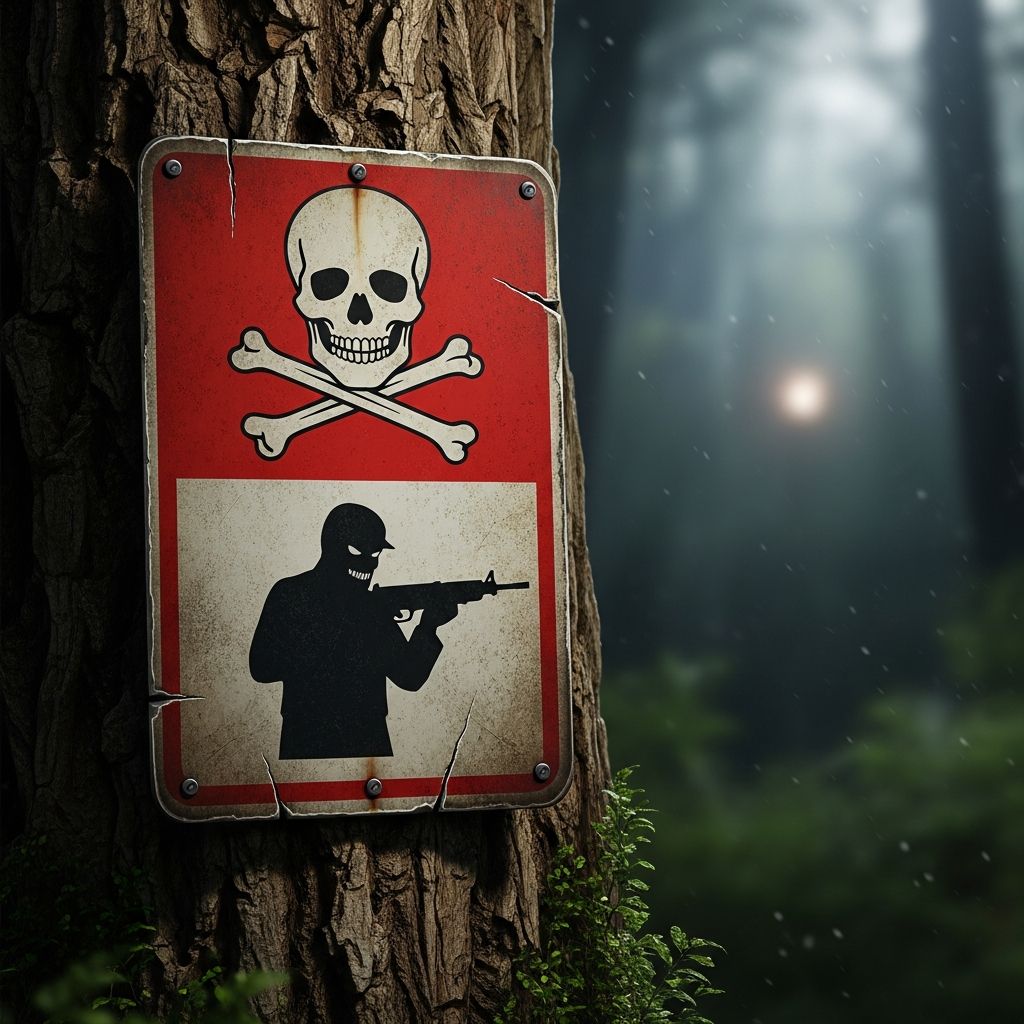
Property owners often display bold signs warning intruders of lethal consequences to deter crime, especially during civil unrest or natural disasters. However, these notices do not grant automatic legal permission to use deadly force and can even create liability risks depending on jurisdiction.
Understanding the Role of Warning Signs in Property Defense
Warning signs serve as a first line of deterrence, signaling to potential trespassers that entry is prohibited and consequences may follow. While they strengthen claims of notice in trespassing cases, they do not override fundamental self-defense laws. Courts evaluate the reasonableness of force based on imminent threats, not signage alone. In emergencies like riots, such signs proliferate, but their legal protective value remains limited.
Historically, during events like hurricanes or urban disturbances, homeowners post messages like “Intruders Will Face Firearms.” These aim to invoke fear but must align with statutes on notice and force proportionality. Misunderstanding this can lead to criminal charges against the property owner.
State Variations in Trespassing and Posting Requirements
Trespassing laws differ significantly across the U.S., with signage playing a key role in elevating offenses from civil to criminal. Proper posting ensures intruders cannot claim ignorance, but requirements vary by state.
- In many jurisdictions, signs must be visible, clearly worded, and placed at access points to qualify property as “posted.”
- Failure to meet these standards may reduce violations to mere civil disputes.
- Some states allow alternative markings, like paint on trees, as substitutes for signs.
| State | Signage Rules | Penalty for Violation |
|---|---|---|
| Kansas | Posted to reasonably alert intruders | Class B misdemeanor |
| Louisiana | Verbal/written warning sufficient; signs presumed valid | Fines/jail, escalates with repeats |
| Maryland | Reasonably visible signs or paint marks at entrances | Misdemeanor with fines/imprisonment |
| North Carolina | Signs every 100 feet or at access points for restricted activities | Class D/E crime |
These examples illustrate how precise compliance transforms unauthorized entry into prosecutable offenses. For instance, Kansas statutes demand visibility likely to catch intruders’ attention, bolstering legal recourse.
Self-Defense Doctrines and Deadly Force Limitations
Core to any discussion of defensive signs is the
castle doctrine
, which presumes reasonable fear of harm during unlawful home entry. However, this applies only to occupied dwellings under forceful intrusion, not mere property theft outdoors.Deadly force solely for property protection is rarely justified nationwide. Most states limit it to scenarios involving personal threat or specific statutory exceptions. Signs threatening shooting do not expand these boundaries; they merely document intent, which prosecutors may use against owners in court.
- Castle doctrine typically requires: occupied structure, unlawful/forceful entry, and reasonable belief of danger.
- Without occupancy or force, defense reverts to non-deadly measures like alarms or non-lethal tools.
- In riot contexts, looters picking through debris may not trigger protections if no immediate threat exists.
Real-World Scenarios: Riots, Disasters, and Sign Effectiveness
During 2020 unrest or post-hurricane looting, signs like “Looters Will Be Shot” became common. Legal experts note juries scrutinize context: Was the intruder armed? Did they threaten life? Property alone rarely suffices.
Consider a burned-out structure: Stepping through rubble lacks the “forceful entry” needed for castle doctrine in many states. Defensive property laws are weak, often prohibiting deadly force without neighbor consent or other hoops.
In states like Texas, a proven castle violation presumes reasonableness, simplifying defenses. Elsewhere, owners bear the burden of proving necessity, regardless of signage.
Potential Legal Risks of Displaying Threatening Signs
Paradoxically, such signs can backfire. They advertise firearm presence, inviting preemptive challenges, and may portray owners as aggressors. Courts have ruled provocative language creates civil liability or negates self-defense claims.
Additionally, damaging public signs is illegal in places like Nebraska, underscoring respect for official notices over private ones. Homeowners should prioritize insurance, surveillance, and community watches over inflammatory messaging.
Best Practices for Property Owners
To maximize protection legally and practically:
- Post compliant “No Trespassing” signs without death threats.
- Install cameras and lights for evidence.
- Join neighborhood patrols with clear protocols.
- Know local self-defense statutes via state codes.
- Consult attorneys for high-risk areas.
Focus on de-escalation: Verbal warnings, non-lethal force, and retreat where required preserve life and legality.
Frequently Asked Questions
Can I legally shoot a looter on my property?
No, unless they pose an imminent threat to life. Property theft alone does not justify deadly force in most states.
Do threatening signs protect me in court?
They prove notice of trespass but do not authorize violence. Courts prioritize threat reasonableness over warnings.
What makes property “posted” legally?
State-specific: visible signs at intervals/access points, or approved markings like paint. Check local codes.
Does castle doctrine apply to businesses?
Varies; some states extend it, but occupancy and force requirements persist.
Are verbal warnings enough without signs?
In some states like Louisiana, yes, but signage strengthens misdemeanor charges.
Broader Implications for Civil Unrest Preparedness
As urban tensions rise, understanding signage limits empowers owners. Combine legal knowledge with fortification: reinforced doors, safe rooms, and mutual aid pacts. Education trumps bravado; uninformed actions lead to prosecutions amid chaos.
Emerging trends include smart signs with audio alerts, integrating tech for deterrence without legal pitfalls. Policymakers debate expanding property defenses, but current frameworks demand caution.
References
- § 133.41 SHOOTING HIGHWAY SIGNS, MARKERS, OR NOTICES — Elm Creek, NE Code Library. Accessed 2026. https://codelibrary.amlegal.com/codes/elmcreekne/latest/elmcreek_ne/0-0-0-3901
- State By State Guide to No Trespassing Laws & Signage — Signs.com. Accessed 2026. https://www.signs.com/blog/state-by-state-guide-to-no-trespassing-laws-signage/
Similar Articles








Read full bio of Sneha Tete




