
Legality of Overnight Vehicle Rest at Highway Stops
Navigate the rules for sleeping in your vehicle at rest areas: state-by-state guide to safe, legal overnight parking nationwide.
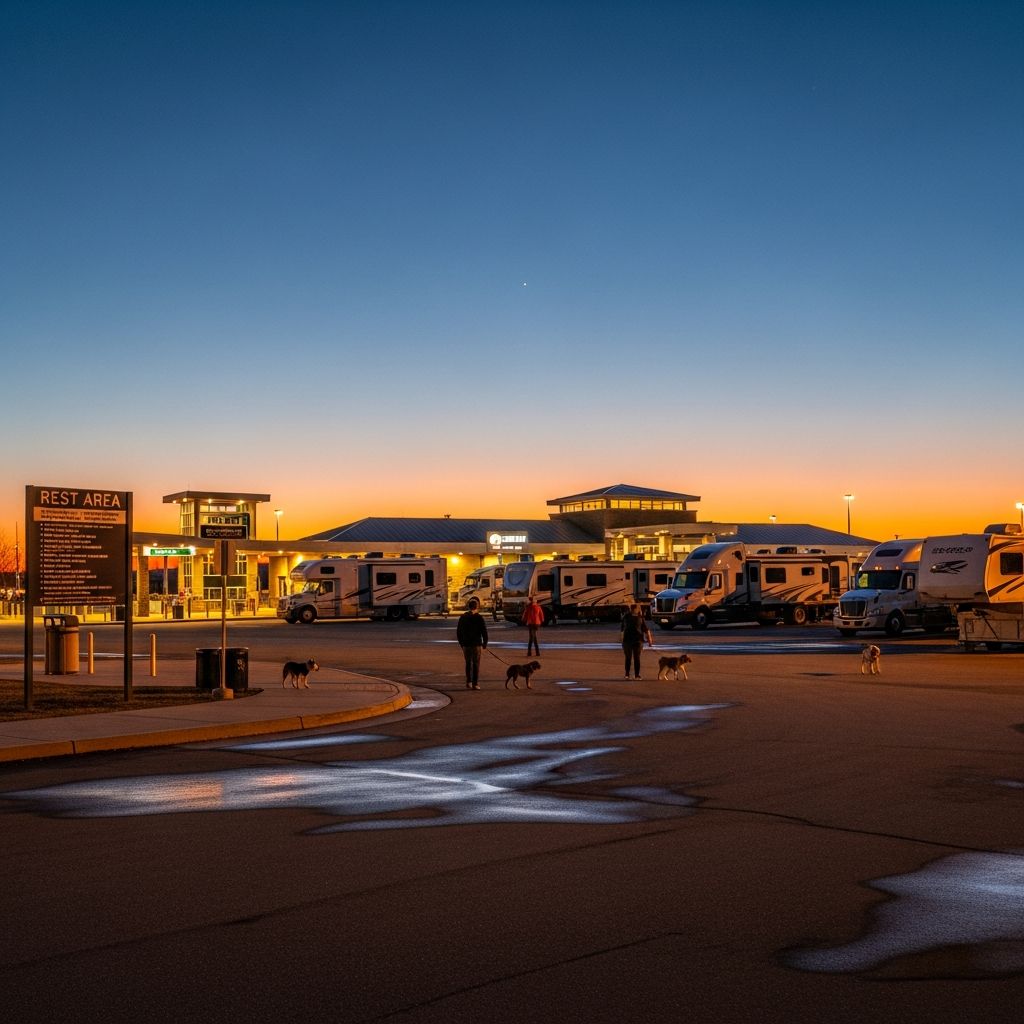
Rest areas along interstate highways serve as vital pit stops for weary drivers, but questions often arise about using them for extended overnight stays in vehicles. While federal guidelines encourage short-term rest to combat drowsy driving, individual states dictate specific rules on parking durations, vehicle sleeping, and prohibitions against camping-like activities. Understanding these variations prevents citations, towing, or escalation to criminal charges in stricter jurisdictions.
Understanding Federal vs. State Authority on Rest Facilities
Interstate rest areas fall under a mix of federal oversight from the U.S. Department of Transportation and state management. The Federal Highway Administration promotes rest areas for safety, allowing up to 8 hours in some cases to align with hours-of-service rules for commercial drivers. However, states enforce their own policies, often posting signage that overrides general permissions. Sleeping inside a vehicle is typically distinguished from ‘camping,’ which involves external setups like chairs or grills and is widely banned to preserve turnover and resources.
Key distinction: Reclining in your seat with windows up is usually fine; extending awnings or cooking outdoors invites enforcement. Even in permissive states, time limits—often 8-12 hours—apply to prevent long-term occupancy.
States Permitting Overnight Vehicle Parking
A majority of U.S. states allow drivers to sleep in their vehicles at rest areas, provided they adhere to posted limits and avoid camping. This accommodates road trippers, RVers, and those facing hotel shortages. Here’s a breakdown:
- Alabama, Alaska, Arizona, Arkansas: Generally permitted with no strict overnight bans; check for signage on maximum stays.
- California: Explicit 8-hour limit per 24-hour period, ideal for safe naps without violation.
- Pennsylvania: 2-hour cap at rest areas, extending to 24 hours at turnpike service plazas.
- South Dakota, Tennessee, Texas, Utah: Allowed, but Utah prohibits full camping setups.
- Vermont, Washington: Both enforce 8-hour windows within 24 hours.
- West Virginia, Wisconsin, Wyoming: Designated RV zones in some areas support overnight parking.
These policies reflect a balance: promoting driver safety while managing facility use. Georgia permits it at rest areas but not welcome centers. Indiana, Massachusetts, and New Jersey allow it at most sites, with exceptions for commercial-only spots.
States Imposing Strict Bans or Short Limits
Not all states welcome overnight stays. Several prioritize quick turnover or address public safety concerns with prohibitions:
| State | Key Restriction | Notes |
|---|---|---|
| Colorado | Full overnight ban | No parking past daylight hours in many areas. |
| Florida | 3-hour limit | Recent HB 1365 curbs public property sleeping, though rest stops pre-limited stays. |
| Hawaii | No rest areas; highway vehicle sleeping banned | Unique island geography influences rules. |
| Illinois | 3-hour limit | Strict enforcement to deter loitering. |
| Maryland, North Carolina, South Carolina, Virginia | Overnight prohibited | Virginia explicitly bars sleeping; focus on transient use. |
In banned states, rest areas remain 24/7 accessible, so arriving at night and leaving by morning may skirt issues if under time caps. Florida’s new law targets non-permanent structures on public land, reinforcing 3-hour norms at stops.
Practical Guidelines for Compliant Overnight Stays
To minimize risks, follow these best practices drawn from state policies and driver experiences:
- Park in designated areas, away from entrances and ramps.
- Observe all signage for time restrictions—use apps like AllStays or iExit for updates.
- Keep interiors tidy; no external gear, cooking, or waste dumping.
- Lock doors, use window covers for privacy, and run exhaust fans if needed.
- Depart by morning to free spaces for others.
Safety is paramount: Choose well-lit spots, travel in pairs if possible, and have an exit plan. Many report rest areas as secure due to surveillance, but instincts rule—if uneasy, proceed to truck stops or Walmarts that often permit overnights.
Legal Ramifications of Violations
Ignoring rules can lead to civil infractions like parking tickets ($50-$200) or towing fees exceeding $300. In extreme cases—such as repeated offenses or public intoxication—misdemeanor trespass charges apply, potentially involving arrest. Florida’s HB 1365 escalates unauthorized public sleeping to enforceable removal, though first offenses often mean warnings. Always comply promptly with officer directives to avoid escalation. Consult state DOT sites for authoritative rules, as local ordinances vary.
Alternatives to Traditional Rest Areas
When rest stops prohibit overnights, consider these options:
- Truck Stops: Chains like Pilot Flying J or Love’s welcome RVs/cars in marked zones, often with 24-hour services.
- Service Plazas: Turnpikes in states like Pennsylvania or Ohio offer extended stays.
- Private Lots: Cracker Barrel, Walmart (call ahead), or casinos frequently allow discreet parking.
- Boondocking Sites: BLM land or apps like FreeCampsites.net for free, legal dispersed spots.
- State Parks/Campgrounds: Low-cost pads with amenities, verifying vehicle sleeping allowances.
These provide safer, more comfortable havens, especially for multi-night trips.
State-Specific Time Limit Comparison
| Category | Examples | Typical Limit |
|---|---|---|
| Generous | Texas, Arizona | Overnight OK, no fixed hour |
| Moderate | California, Washington | 8 hours/24 |
| Restrictive | Florida, Illinois | 3 hours |
| Banned | Virginia, Colorado | No overnight |
Frequently Asked Questions
Is sleeping in a vehicle at rest areas legal nationwide?
Yes in most states, but always verify local signs and limits; exceptions like Virginia ban it outright.
How long can I stay at California rest stops?
Up to 8 hours within any 24-hour period, per state DOT policy.
Are truck stops a reliable alternative?
Often yes, in designated areas; confirm with staff.
Does Virginia allow vehicle sleeping at rest areas?
No, overnight parking is prohibited.
Is it illegal to sleep in your car anywhere in the US?
Not blanket-illegal; rest areas in most states permit it under rules, but public streets vary widely.
What if a state bans overnight rest area parking?
24-hour access means short night stays may be feasible up to posted maxima.
Recent Developments and Safety Considerations
Laws evolve: Florida’s 2024 HB 1365 tightened public sleeping amid homelessness concerns, but preserved permitted private/campground options. Post-pandemic travel surges prompted some states to clarify rules via apps and signage. For safety, apps like RV Parky integrate regulations. Women and solo travelers should prioritize populated sites. Environmentally, pack out waste to respect facilities.
Planning ahead via state DOT websites or apps ensures smooth journeys. This patchwork of rules underscores the need for vigilance—knowledge keeps your road trip legal and stress-free.
References
- Can You Sleep at a Rest Stop? A Guide to Overnight RV Parking — Neighbor.com. 2023-05-15. https://www.neighbor.com/storage-blog/can-you-sleep-at-a-rest-stop/
- Is it illegal to sleep in your car in Florida? Discussing the new “anti…” — YouTube (Video Transcript). 2024-07-01. https://www.youtube.com/watch?v=2lYA-Q0Sznw
- Which States Allow Overnight Parking in Rest Areas? — Boondockers Bible. 2023-11-20. https://www.boondockersbible.com/learn/which-states-allow-overnight-parking-in-rest-areas/
- 12 States Where Sleeping in Your Car at Rest Stops Is Legal — Backroad Planet. 2023-08-10. https://backroadplanet.com/12-states-where-sleeping-in-your-car-at-rest-stops-is-legal/
Similar Articles








Read full bio of medha deb


